
Combined Baler-Wrappers: Speed and Throughput for Contractors
The throughput maths, daily bale count targets, tractor requirements, and the client scenarios where a combined machine outperforms a two-machine setup — and where it doesn’t.
The Combined Machine Debate in Australian Contracting
Every silage contractor evaluates the combined baler-wrapper versus the two-machine setup at some point in their business development. The combined unit appeals to owner-operators who want to simplify logistics, reduce capital outlay, and operate solo. The two-machine setup appeals to contractors building volume, prioritising throughput, and willing to manage a second tractor and operator. Neither is universally correct — the right answer depends on daily bale targets, paddock size and layout, typical crop conditions, and client base characteristics.
This article focuses specifically on the throughput economics of the combined baler-wrapper for contractors in Victoria, NSW, and SA — the states with the most active silage contracting markets. It covers the daily bale count achievable with a combined unit versus a parallel two-machine operation, the tractor requirements that determine whether a combined unit fits a contractor’s existing fleet, and the specific client scenarios where the speed advantage of combined operation is real versus where the throughput ceiling becomes a commercial constraint. Our article on one machine, double the speed — combined baler-wrappers for contractors covers the product-level advantages; this article addresses the operational throughput question directly.
Throughput Maths: Combined vs. Two-Machine at Different Volume Levels
Understanding the Throughput Ceiling of a Combined Unit
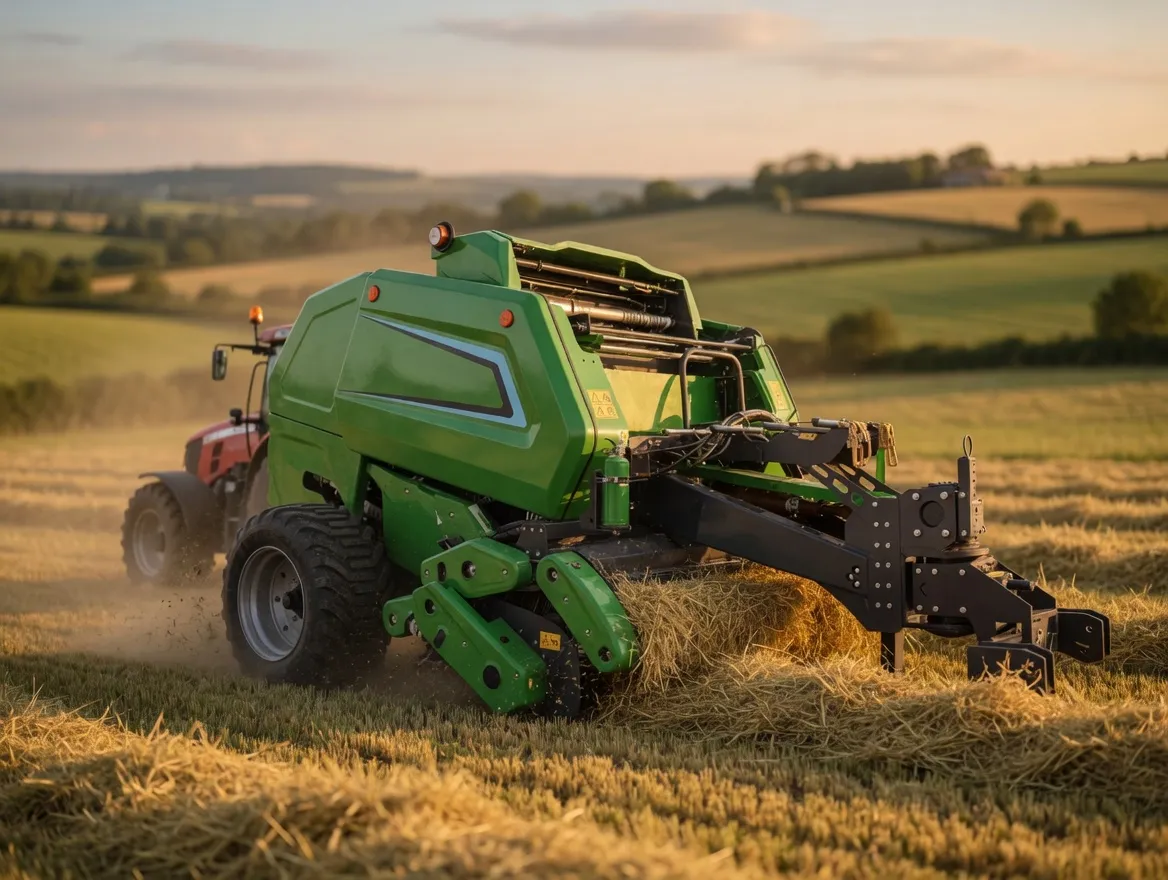
A combined baler-wrapper operates sequentially — the baler forms a bale, the wrapper wraps it, and only then can baling resume. In good ryegrass silage conditions in Victoria’s Western District, a quality combined unit completes a full bale cycle (form, wrap, eject) in 75 to 95 seconds per bale — a throughput rate of 38 to 48 bales per hour. Over a 10-hour productive day, this delivers 380 to 480 bales.
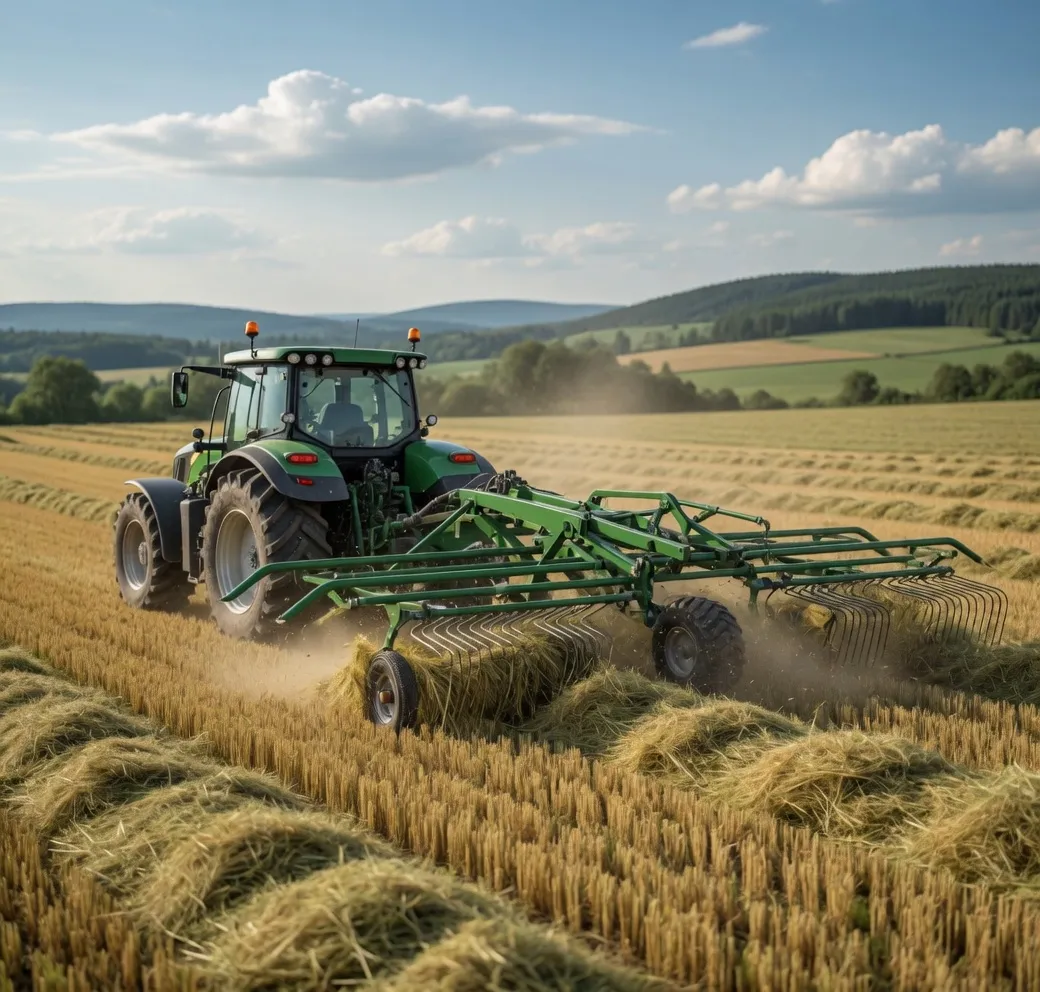
A two-machine setup (baler + separate wrapper on a second tractor) has a different throughput profile: the baler runs continuously at 55 to 80 bales per hour while the wrapper catches up at 55 to 75 bales per hour. In a closely matched setup, both machines run near capacity and daily output reaches 500 to 700 bales — 30 to 50% above the combined unit ceiling.
| Configuration | Bales/Hour | 10-Hour Day Output | Capital Cost | Operator Required |
|---|---|---|---|---|
| Combined baler-wrapper (quality unit) | 38–48 | 380–480 bales | AUD $65,000–$120,000 | 1 operator |
| Baler + separate wrapper (matched pair) | 55–75 (baler) | 500–700 bales | AUD $90,000–$160,000 | 1–2 operators |
| High-cap baler + fast wrapper (2 operators) | 80–110 (baler) | 700–900 bales | AUD $130,000–$220,000 | 2 operators |
The Break-Even Point: When Combined Units Make Financial Sense
For contractor operations making fewer than 1,200 bales per season, the combined unit’s lower capital cost and single-operator efficiency typically produces better financial returns than a two-machine setup — the throughput ceiling of 380 to 480 bales per day is never approached at this annual volume, and the capital saving versus a two-machine setup (AUD $25,000 to $60,000) reduces debt service significantly. Above 2,000 bales per season, the throughput advantage of the two-machine setup starts compounding into meaningfully more revenue per season — enough to justify the higher capital and second operator cost within 3 to 4 seasons.
Tractor Requirements for Combined Unit Operation
Why Combined Units Have Higher HP Requirements Than Standalone Balers
A combined baler-wrapper requires more tractor horsepower than a standalone baler of equivalent bale capacity because the wrapper mechanism adds PTO load during the wrapping phase. Where a standalone 9YG-2.24D S9000 baler requires 80 to 110 hp for sorghum silage, a combined baler-wrapper of equivalent bale capacity requires 100 to 130 hp to maintain wrapping cycle speed under PTO load from both baling and wrapping mechanism simultaneously.
For Victorian and NSW contractors whose primary crop is ryegrass silage — lighter than sorghum and requiring 65 to 90 hp for standalone baling — a combined unit of equivalent capacity runs comfortably on a 90 to 110 hp tractor. Confirm the specific combined unit’s rated PTO requirement against your tractor’s rated PTO output before purchase; operating a combined unit on a tractor below its rated requirement results in slow wrap cycles and reduced daily bale output.
The 9YG-2.24D S9000 round baler as part of a combined baler-wrapper configuration provides the chamber capacity and bale consistency that Victorian and NSW dairy silage clients specify — the 1.25 m bale format with consistent density across variable ryegrass and lucerne windrow weights.
Client Scenarios: Where Combined Units Win
The Combined Unit’s Genuine Advantages
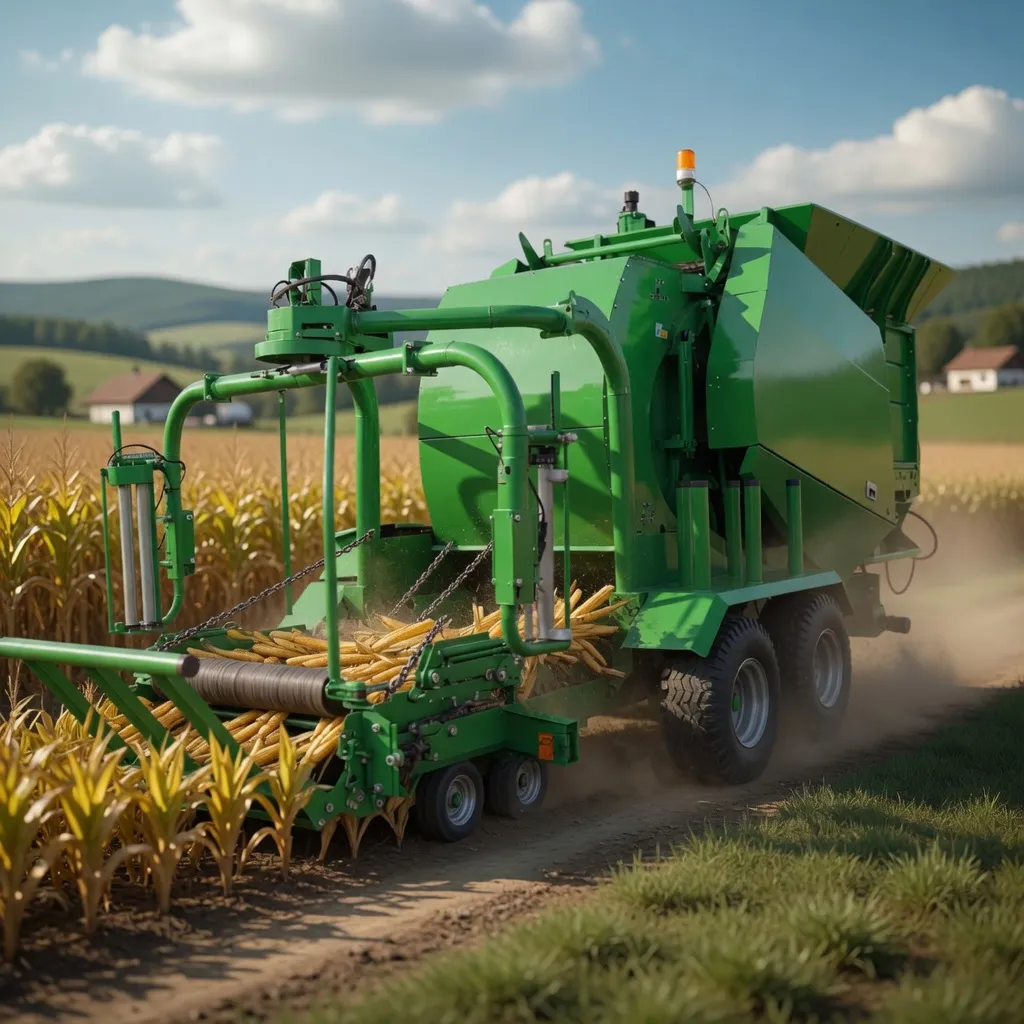
Combined units genuinely outperform two-machine setups in three client scenarios that are common in Australian silage contracting: small farm clients (under 200 bales per job) where mobilising and coordinating two machines is disproportionate to the job size; clients with small, irregular paddocks where tractor manoeuvring time between bales is significant and the throughput gap between combined and two-machine setups narrows; and solo-operator contractors where the labour cost of a second operator exceeds the revenue from the throughput increase. For contractors building a book of business from small-to-medium dairy farms in Victoria’s Western District or inland NSW, a combined unit’s simplicity and client-appropriate throughput is a genuine commercial advantage in the first 2 to 3 years of operation.
Frequently Asked Questions
Discuss Combined vs. Two-Machine for Your Contracting Operation
Tell us your annual bale target, client base, and available tractor fleet — we’ll help spec the right configuration for your business stage.