
Understanding Silage Film Width and Its Impact on Bale Coverage
Silage film width determines how efficiently the wrap covers the bale surface during application. A 500 mm width is the traditional standard for most round balers, while 750 mm film has gained popularity for its ability to cover more surface area per revolution. The choice affects the number of layers required, total film consumption, wrapping time and overall cost per bale. Selecting the correct width ensures an effective oxygen barrier without unnecessary material waste or extended machine runtime.
EverPower Baling Machinery Australia Pty Ltd supplies both 500 mm and 750 mm compatible wrappers, including the 9YCM-850 model, allowing customers to match film width to their specific baler and operational priorities. Understanding the practical differences helps growers optimise both silage quality and input costs across varying farm scales.
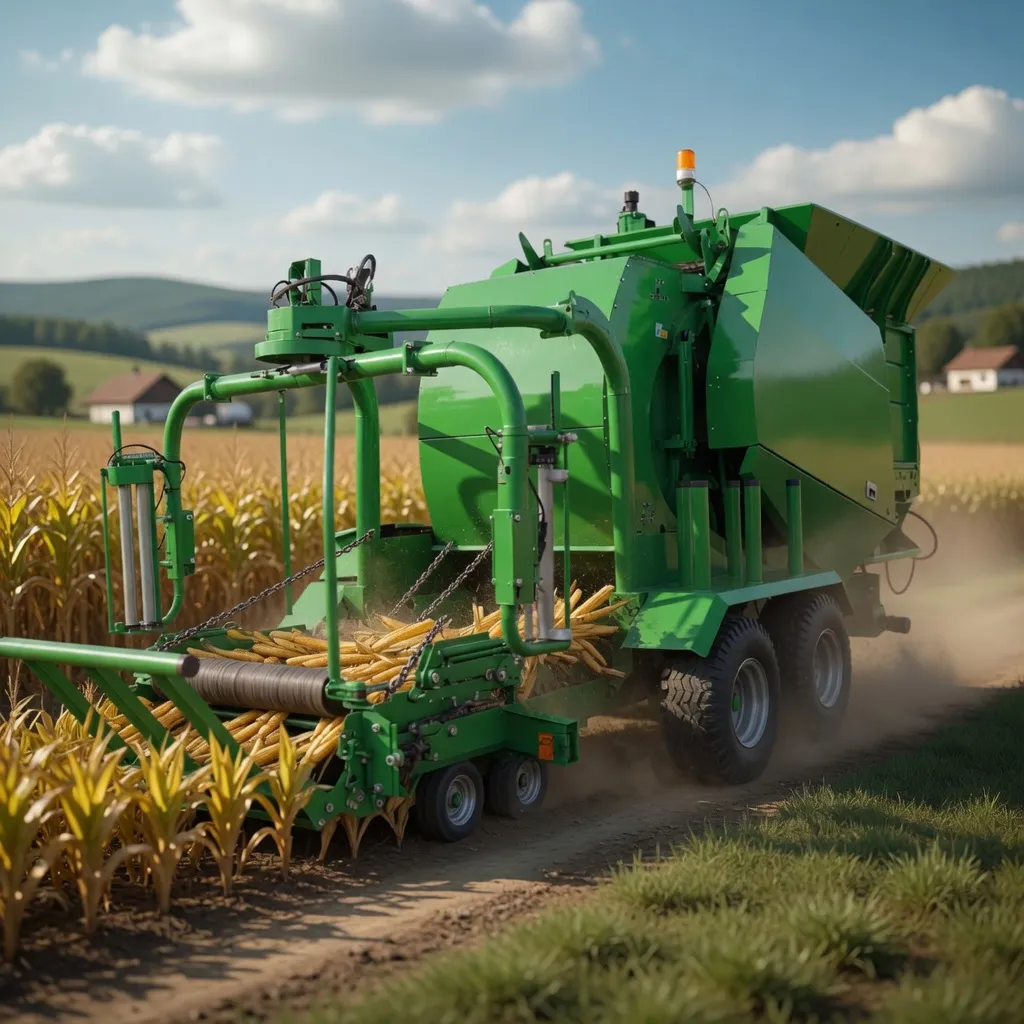
The 9YCM-850 Bale Wrapper efficiently applies wider 750 mm film for faster coverage on large bales.
Coverage Efficiency: 500 mm Versus 750 mm Film
A 500 mm film typically requires 6 to 8 revolutions to achieve four full layers on a 1.2 metre diameter bale, while 750 mm film achieves the same coverage in 4 to 5 revolutions. This reduction in revolutions translates directly to faster wrapping cycles and lower labour input per bale. On a 1,000-bale season, the time saving with 750 mm film can exceed 4 to 6 hours of machine operation.
EverPower field data confirms that 750 mm film maintains equivalent oxygen barrier performance when applied with correct overlap and tension, making it the preferred choice for contractors and high-volume operations seeking maximum daily throughput.
Cost per Bale Comparison Including Material and Time
Although 750 mm film costs 15 to 20 percent more per metre than 500 mm, the reduced number of revolutions often results in lower total film usage per bale. On a standard 1.2 metre bale, 750 mm film typically consumes 8 to 12 percent less total length while achieving the same layer count. When labour and machine time are valued at 45 AUD per hour, the wider film frequently delivers a net saving of 0.15 to 0.25 AUD per bale.
EverPower provides detailed cost calculators during consultations, factoring in local film prices, labour rates and expected annual bale volumes to identify the most economical width for each customer’s operation.
Machine Compatibility and Wrapper Settings
Most modern bale wrappers, including EverPower’s 9YCM-850, accept both widths with simple roller and tension adjustments. However, 750 mm film requires wider film cradles and may need recalibration of the pre-stretch unit to maintain the recommended 70 percent stretch ratio. Operators should verify wrapper specifications before switching widths to avoid film tearing or uneven application.
EverPower supplies conversion kits and on-site calibration services to ensure seamless transition between film widths without compromising wrap quality or machine reliability.
Storage, Handling and Film Roll Logistics
750 mm rolls are heavier and bulkier, requiring more storage space and potentially two-person handling when loading the wrapper. In contrast, 500 mm rolls are lighter and easier to manoeuvre in confined spaces or on smaller properties. Farms with limited shed space or frequent film changes may prefer the more manageable 500 mm option despite the slightly higher per-bale cost in some scenarios.
EverPower recommends evaluating storage logistics alongside cost and speed when making the final decision, particularly for remote properties where frequent deliveries are impractical.
The 9YCM-850 supports both film widths with easy roll changes and precise tension control.
When 500 mm Film Remains the Better Choice
500 mm film is often preferable for smaller operations producing fewer than 600 bales per season, farms with limited storage space, or when using older wrappers not optimised for wider film. It also remains popular for very small bales (under 1.0 metre diameter) where the wider film would create excessive overlap and waste. In these situations, the simpler logistics and lower upfront roll cost outweigh the marginal efficiency gains of 750 mm film.
EverPower helps customers run side-by-side trials on their own equipment to quantify the real-world difference before committing to a change in film width.
Why EverPower Supports Both Film Width Options
EverPower Baling Machinery Australia Pty Ltd offers the 9YCM-850 and compatible round balers in configurations that accept both 500 mm and 750 mm film, giving customers complete flexibility. Local technical support at 27 Harley Crescent, Condell Park NSW 2200 includes film width recommendations, wrapper calibration and ongoing advice to ensure every operation achieves the optimal balance of cost, speed and silage quality. This customer-focused approach extends across the full range of baling machinery and silage baler solutions.
Contact +61 2 9708 3322 or [email protected] to discuss which film width best suits your baler, crop and storage requirements.

Local expertise ensures customers select the most efficient film width for their specific operation.
Recommended Product: 9YCM-850 Bale Wrapper
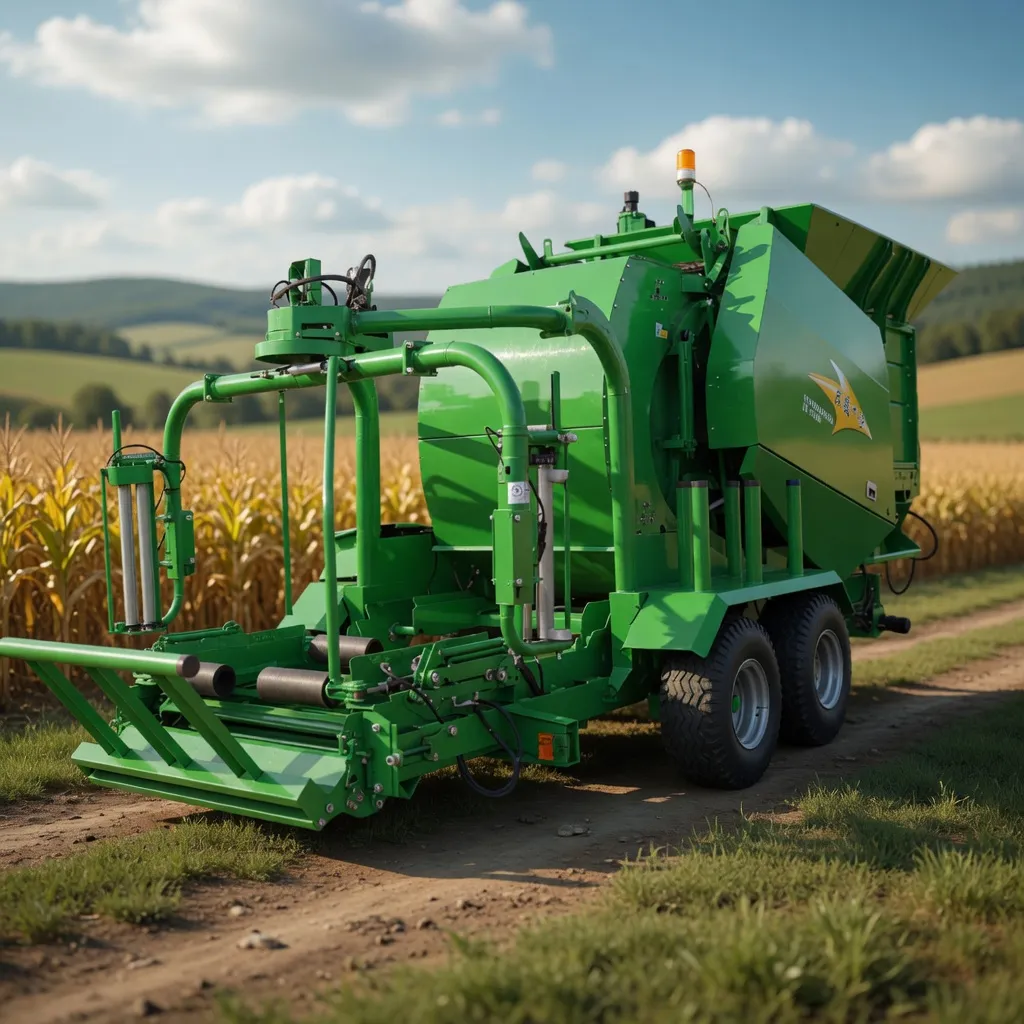
The 9YCM-850 Bale Wrapper accepts both 500 mm and 750 mm film with simple adjustments, delivering precise tension control and consistent layer application. Its versatility and reliability make it the ideal partner for any EverPower round baler, maximising daily output while protecting silage quality.
Frequently Asked Questions
Need Help Deciding Between 500 mm and 750 mm Film?
Receive a personalised cost and efficiency comparison based on your annual bale volume and wrapper model.
EverPower Baling Machinery Australia Pty Ltd | 27 Harley Crescent, Condell Park NSW 2200
📞 +61 2 9708 3322 | ✉️ [email protected]