
The 48-Hour Window That Defines Silage Quality
Silage is a race against plant biology. From the moment a grass stem is cut, its living cells continue to respire, burning stored sugars — the same water-soluble carbohydrates (WSC) that fuel the lactic-acid fermentation you need for stable, high-energy silage. Every hour between mowing and sealing in the pit or bale wrapper, WSC levels decline. Mow too early in the growth cycle and the crop lacks sufficient WSC and dry-matter density to ferment properly, producing a sour, butyric silage that livestock refuse. Mow too late and fibre content has risen past the point where digestibility drops below 65%, turning a paddock of potential high-energy feed into low-grade roughage worth half the price. Between these two extremes lies a window — rarely wider than five to seven days, and often narrower — where everything aligns: sugar content, fibre digestibility, dry-matter yield per hectare, and moisture content for optimal fermentation. This article explains how to identify that window for the most common silage grasses grown across southeastern Australia, and how mowing timing, time of day, and wilting management interact to deliver the highest possible nutritional outcome from every hectare.
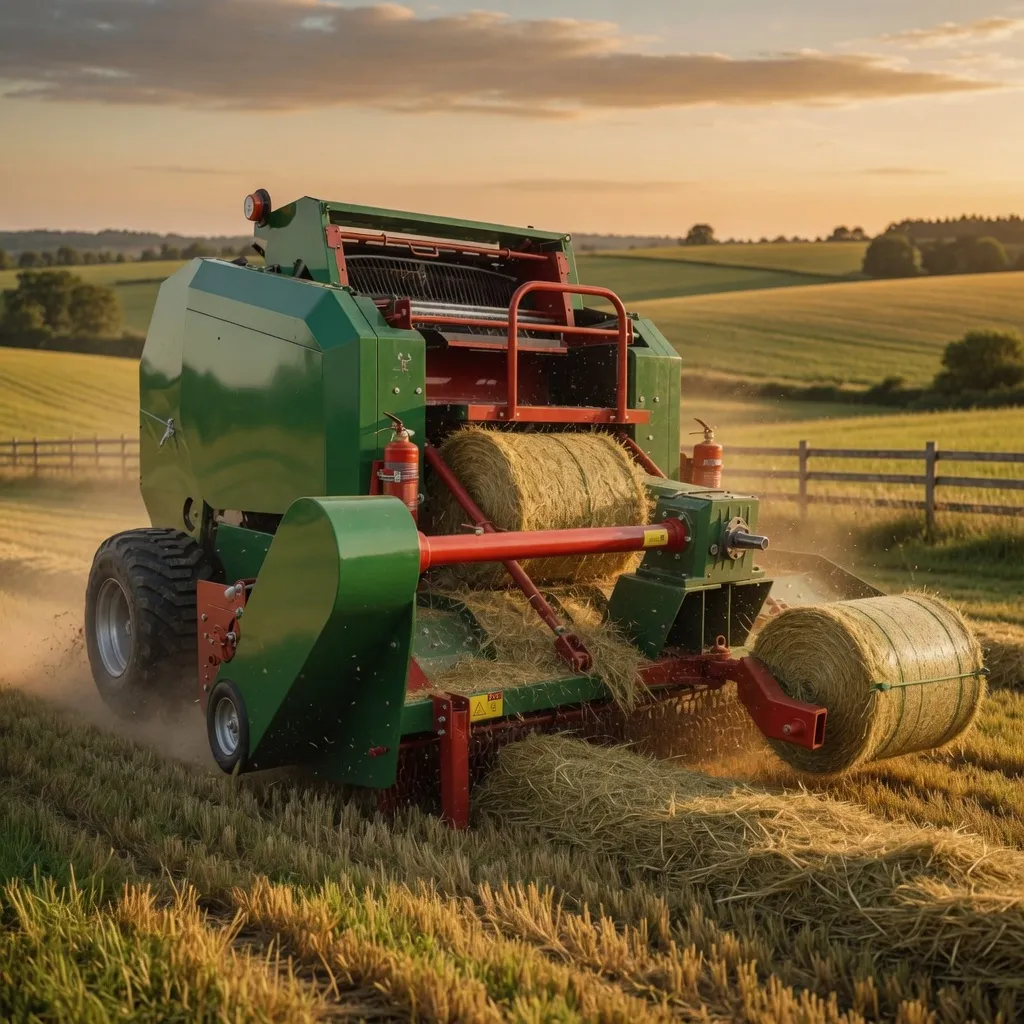
Timing the mow correctly determines whether the baler collects high-energy silage or low-grade roughage.
Growth Stage Indicators: When the Plant Tells You It Is Ready
Relying on calendar dates alone is unreliable — seasonal variation in rainfall, temperature, and soil nitrogen shifts growth stages by up to three weeks between years. Instead, experienced silage producers in the Goulburn Valley, Hunter Valley, and Western Districts of Victoria use visual plant indicators calibrated to the specific grass species in the paddock.
Perennial Ryegrass
The ideal mowing stage for silage-quality perennial ryegrass is the late boot to early heading stage — when the seed head has emerged from the flag leaf sheath but has not yet fully extended or begun to flower. At this point, the plant contains 18–24% WSC on a dry-matter basis (sufficient for strong fermentation), crude protein sits at 14–18%, and neutral detergent fibre (NDF) remains below 50%. Once the seed head is fully emerged and anthesis (flowering) begins, fibre content climbs rapidly — typically gaining 1.0–1.5 percentage points of NDF per day — while WSC and protein both decline. Mowing five days past the optimal window can drop metabolisable energy (ME) by 1.0–1.5 MJ/kg DM, reducing the feeding value of every bale by the equivalent of AUD $15–$25 in supplementary grain that would otherwise be unnecessary.
Annual Ryegrass and Italian Ryegrass
Annual and Italian ryegrass varieties move through reproductive stages faster than perennial types. The optimal silage window is similarly at the late boot to early head emergence, but the window is narrower — often only three to four days in warm spring conditions. Monitor paddocks daily from mid-September (in southern NSW and Victoria) and be prepared to mow within 48 hours of seeing the first seed heads push through the flag leaf. These varieties tend to have slightly higher WSC than perennial ryegrass at the equivalent stage, which is advantageous for fermentation but also means they are more susceptible to excessive respiration losses during a slow wilt.
Paspalum and Kikuyu (Subtropical Grasses)
Subtropical grasses used for silage on the NSW North Coast and in southeast Queensland present a different challenge. Their WSC levels are inherently lower than temperate grasses — typically 8–14% DM — which makes achieving good fermentation harder. The optimal mowing stage for these species is during active vegetative growth, before stem elongation becomes dominant. Once paspalum or kikuyu begins to produce seed heads, the stem-to-leaf ratio shifts unfavourably and digestibility drops below 60%. Adding a molasses-based inoculant at ensiling is standard practice for these grasses to compensate for the lower sugar content.

Crop maturity at mowing is the single most impactful variable in silage nutritional quality.
Time of Day: Why Afternoon Mowing Produces Better Silage
Research from CSIRO and Dairy Australia consistently shows that grass mowed in the afternoon contains measurably higher WSC than the same grass mowed in the morning. The mechanism is photosynthesis: throughout the day, the plant converts sunlight into sugars. By mid-afternoon, WSC levels in ryegrass leaf tissue can be 3–5 percentage points higher than at dawn. Overnight, the plant burns a portion of those sugars through respiration, so the cycle resets each morning.
For silage production, this means mowing between 2:00 PM and 5:00 PM on a sunny day captures the peak sugar content. The cut crop then wilts overnight and through the following morning, reaching the target 30–35% DM for baling or chopping the next afternoon — a total wilt time of roughly 20–24 hours. Morning mowing (before 10:00 AM) starts with lower sugars, and if the wilt extends into a second night, total respiration losses compound. A Dairy Australia trial in the Gippsland region measured a 0.5 MJ/kg DM difference in ME between morning-mowed and afternoon-mowed silage from the same paddock — equivalent to an extra 0.3–0.5 litres of milk per cow per day when feeding identical volumes. Over a 200-cow herd and a 180-day feeding period, that margin adds up to AUD $8,000–$15,000 in additional milk revenue — from a management decision that costs nothing to implement.
Target Dry-Matter Content for Different Silage Systems
Moisture content at ensiling determines the type and quality of fermentation. Too wet and clostridial bacteria dominate, producing butyric acid and an unstable silage that heats and spoils on feedout. Too dry and the crop does not pack tightly enough to exclude oxygen, leading to mould and aerobic spoilage. Different silage systems have different optimal dry-matter ranges.
*Wilt time varies with ambient temperature, humidity, wind, and swath density. Figures assume moderate spring conditions in southeastern Australia.
Monitoring DM in the field is straightforward. The “twist test” — grabbing a handful of wilted crop and wringing it — gives a rough indication: if liquid drips freely, the crop is below 25% DM; if the ball holds its shape when released, it is approaching 30–35%. For precision, a microwave oven DM test (available in any farm kitchen) takes 15 minutes and is accurate to within 1–2 percentage points. Taking two or three samples across the paddock before starting the baler or chopper avoids committing the entire crop at the wrong moisture level.
How Mowing Height Affects Silage Nutrition and Regrowth
Cutting height for silage grass is a trade-off between immediate yield and long-term pasture health. Lowering the mower captures more dry matter per hectare from the current cut — but at a cost. The bottom 40–50 mm of a ryegrass sward is the most fibrous, lowest-energy portion of the plant. It also contains the highest concentration of soil-borne bacteria (including clostridia), which contaminate the silage and degrade fermentation quality. Raising the cutting height to 60–70 mm on the 9GD-2.5 mower leaves the low-quality stem base and soil-contact zone in the paddock, improving the average energy density of the harvested crop by 0.3–0.5 MJ/kg DM while reducing ash content (a proxy for soil contamination) by 10–20 g/kg DM. The regrowth benefit is equally significant: leaving 60 mm of stubble preserves tiller buds and leaf area that drives rapid regrowth, shortening the interval to the next cut by 5–10 days on irrigated ryegrass.
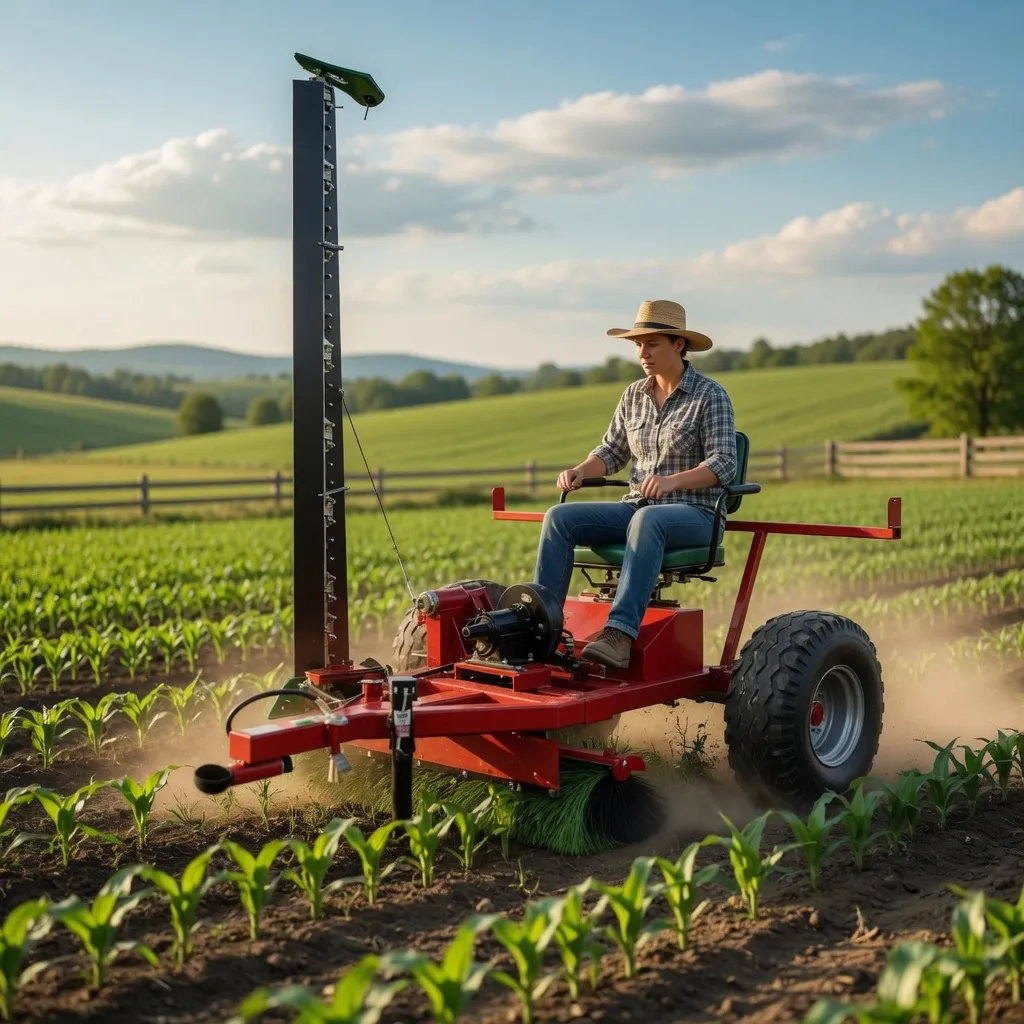
Setting the correct cutting height on the 9GD-2.5 balances immediate yield against silage quality and pasture regrowth speed.
Wilt Management: Tedding, Swath Width, and Weather Windows
The period between mowing and ensiling — the wilt phase — is where many silage crops lose nutritional value unnecessarily. Every hour of field exposure costs WSC through continued plant respiration. The target is to reach the desired DM percentage as quickly as possible and then bale or chop before respiration burns through more sugar than necessary. Three controllable factors determine wilt speed.
Swath width: A wide, thin swath dries faster than a narrow, dense windrow because more surface area is exposed to sun and wind. Mowing with the 9GD-2.5 naturally produces a swath roughly 2.0–2.2 metres wide from the 2.5-metre cutting width. Leaving this swath spread rather than immediately raking it into a narrow windrow can reduce wilt time by 30–40% in moderate conditions. Rake into windrows only when the DM target is nearly reached — ideally within 2–4 hours of baling.
Tedding: A tedder spreads and aerates the swath, accelerating drying in heavy or dense crops. One pass with a tedder 2–4 hours after mowing can cut total wilt time by 6–10 hours. However, aggressive tedding on leafy crops like ryegrass can shatter leaves and drop them into the stubble where the baler cannot collect them — losing the most digestible part of the plant. Ted gently (low tine speed) and only once if possible.
Weather window: The ideal conditions for a rapid wilt are 20–28°C air temperature, less than 60% relative humidity, and a moderate breeze. Under these conditions, an afternoon-mowed ryegrass swath can reach 30–35% DM by the following midday — roughly 18–22 hours. In cool, humid, or overcast conditions, the same crop may take 36–48 hours, doubling the respiration losses and increasing the risk of rain damage. Always check the 72-hour forecast before committing to mowing for silage. A surprise shower on a wilting swath does not just delay drying — it physically washes WSC off the cut surfaces, directly reducing the sugar available for fermentation.
Common Timing Mistakes and Their Nutritional Cost
Each of these errors is frequently observed on Australian dairy and beef operations. Awareness alone prevents most of them.
Waiting for Maximum Bulk
Delaying mowing until the paddock “looks full” often means the grass is past heading and into flowering. The extra tonne per hectare of standing DM gained by waiting is offset by a 10–15% drop in ME — the cow eats more bulk but extracts less energy from each kilogram. Net farm-gate feed value per hectare actually falls.
Morning Mowing on a Cloudy Day
Starting at 7:00 AM under overcast skies means the crop has low WSC (no overnight photosynthesis) and the wilt rate is slow (limited solar radiation). Total field exposure stretches to 36+ hours, and the resulting silage is often 0.5–1.0 MJ/kg DM lower in energy than afternoon-mowed crop from the same paddock.
Raking Too Early
Raking the swath into a tight windrow within an hour of mowing traps moisture in the centre and slows drying by 30–40%. Leave the swath spread until DM reaches 25–28%, then rake into windrows for the final drying phase before baling. This single change can shorten total wilt time by half a day.
Ignoring the 72-Hour Forecast
Mowing 30 hectares on a Thursday afternoon when Friday evening rain is forecast. If the crop is not baled by Friday midday, rain will wash soluble sugars from the swath, reduce fermentation quality, and potentially ruin the entire cut. Always confirm a 48-hour clear window — 72 hours for heavy crops with slow wilt potential.
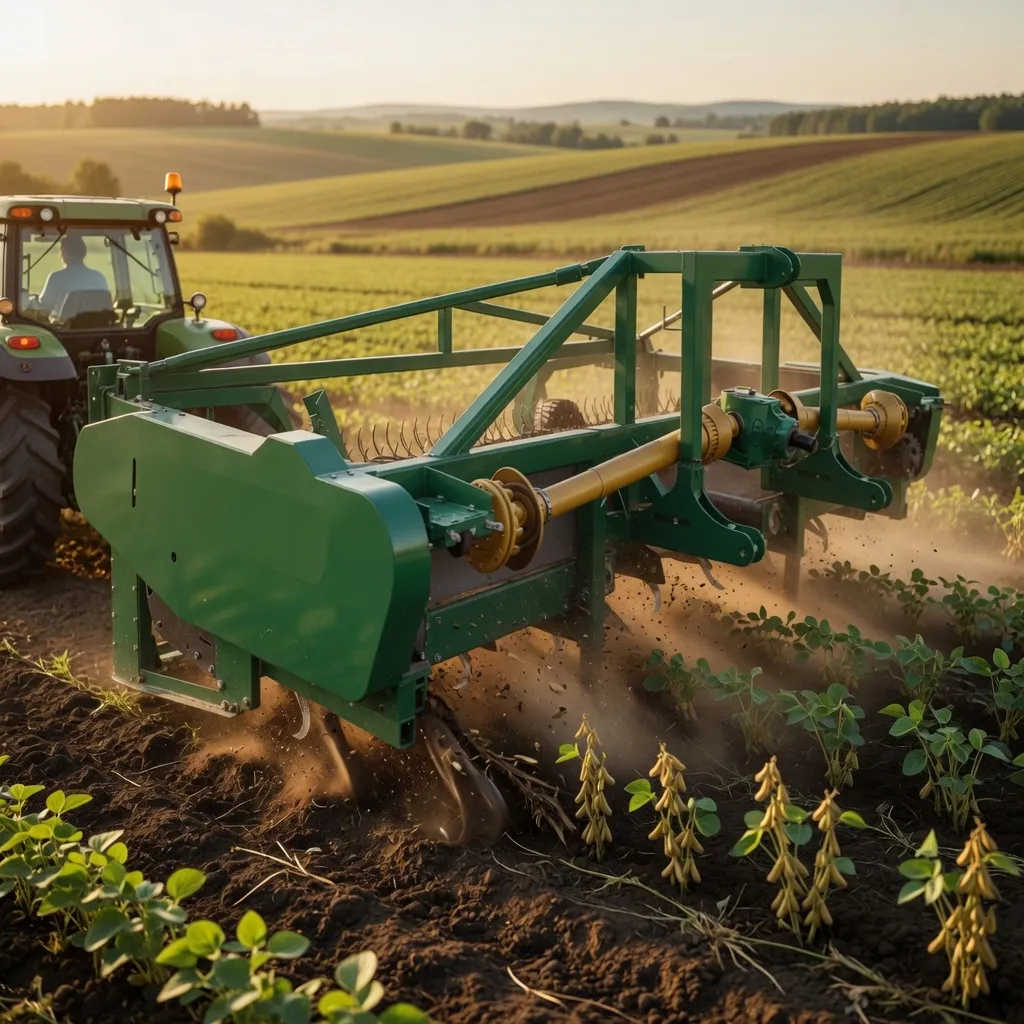
Timing every step of the harvest — mowing, wilting, raking, and baling — around weather windows is the hallmark of professional silage production.
Putting It Together: A Practical Silage Mowing Timeline
The following timeline illustrates a best-practice silage mowing sequence for perennial ryegrass in the Gippsland or Macarthur regions, assuming a clear weather window and afternoon mowing with a 9GD-2.5 traction mower.
2:00 PM – 6:00 PM: Mow
Mow at 60–70 mm stubble height. Leave swath spread at full width (2.0–2.2 m). Crop is at ~18–20% DM (80% moisture). Peak afternoon WSC captured in the cut material.
8:00 AM – 9:00 AM: Ted (optional)
If the crop is heavy or weather is mild, one gentle tedder pass aerates the swath and accelerates drying. Skip if the swath is already thin and conditions are warm. Crop at ~22–25% DM.
10:00 AM – 11:00 AM: Rake into windrows
Once the twist test shows minimal free moisture (approaching 28–30% DM), rake into windrows for the final drying phase and to prepare for the baler. Crop at ~28–30% DM.
1:00 PM – 5:00 PM: Bale and wrap
Bale at 30–40% DM for wrapped round bales. Apply 6 layers of stretch film within 2 hours of baling to seal oxygen out and initiate fermentation. Total field time from mow to wrap: ~22–24 hours.
EverPower’s Mowing and Baling Equipment for Silage Producers
Getting mowing timing right is only valuable if the equipment can execute efficiently within the weather window. EverPower Baling Machinery Australia supplies a complete silage production line — from the 9GD-2.5 traction mower for precise cutting, through finger-wheel and lateral rakes for swath management, to the 9YG series round balers and 9YCM-850 bale wrapper for rapid baling and sealing. The full equipment chain is designed around 540 rpm PTO tractors in the 60–80 hp range, so a single tractor can power every stage. Based at 27 Harley Crescent, Condell Park NSW 2200, the team provides pre-purchase consultation to match equipment to your paddock area, crop type, and silage system. Contact +61 2 9708 3322 or [email protected].

EverPower’s Condell Park warehouse stocks mowers, balers, wrappers, and spare parts for rapid dispatch across Australia.
Recommended Product: 9GD-2.5 Traction Single-Blade Mower
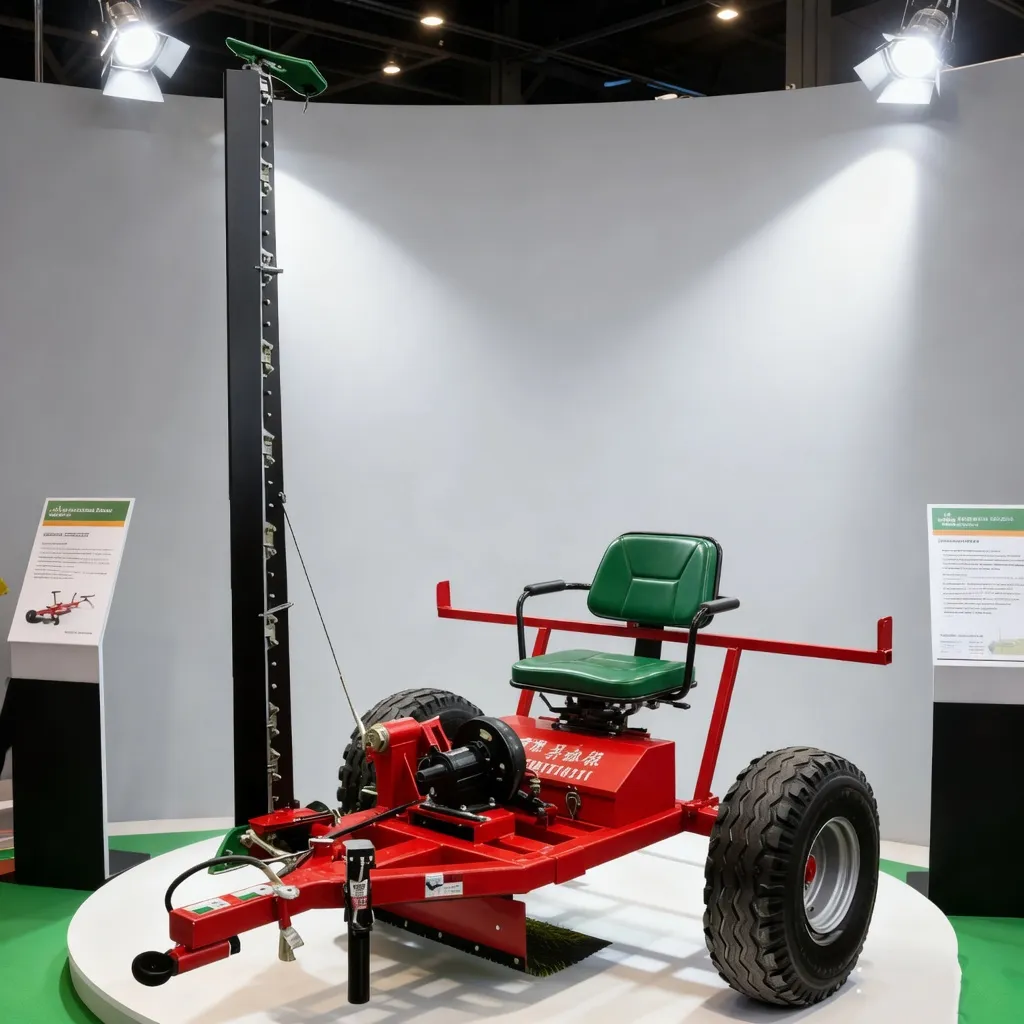
The 9GD-2.5 produces a clean shearing cut that minimises cell damage and preserves WSC in the swath — critical for silage fermentation quality. 2.5-metre cutting width, 540 rpm PTO, adjustable cutting height from 50 to 100 mm via skid shoes. Towed chassis follows ground contours for consistent stubble height across uneven paddocks. Full spare-parts stock at EverPower’s Sydney warehouse.
Frequently Asked Questions
Ready to Build Your Silage Line?
EverPower supplies mowers, rakes, balers, and wrappers matched to your tractor and paddock size. One call covers the full equipment chain.
EverPower Baling Machinery Australia Pty Ltd | 27 Harley Crescent, Condell Park NSW 2200
📞 +61 2 9708 3322 | ✉️ [email protected]