
Why Film Wrapping Is the Most Important Step After Baling
The moment a bale is formed and ejected from the baler, fermentation begins. Naturally occurring bacteria on the crop surface start consuming plant sugars in the presence of oxygen — the same process that turns a cut apple brown within minutes of exposure to air. If the bale is left unwrapped, this aerobic fermentation continues until the outer layers of the bale are colonised by moulds and yeasts, heating occurs, and dry matter and energy content decline measurably. On large round bales left in the paddock unwrapped for 48 hours in warm weather, outer-layer dry matter losses of 5–12% are common. A bundling film wrapping machine — specifically the 9YCM-850 from EverPower Baling Machinery Australia — applies an oxygen-excluding polyethylene film wrap to the bale within minutes of ejection, halting aerobic fermentation and creating the anaerobic environment required for the lactic acid fermentation that preserves silage for months or years. This guide covers how the 9YCM-850 works, what makes it suited to Australian conditions, how to choose between configurations, and what to consider when evaluating it against competing wrapping options.
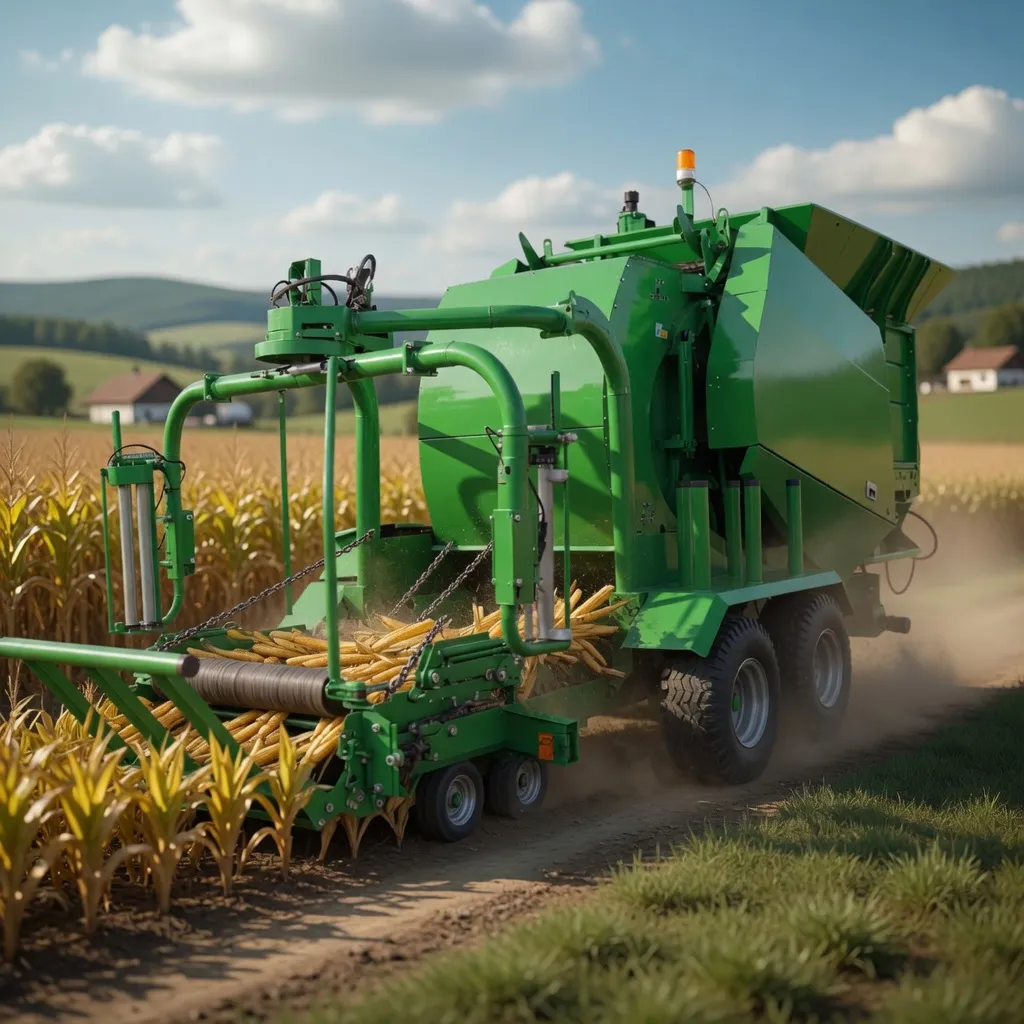
The 9YCM-850 applies a pre-stretched polyethylene film wrap to bales immediately after ejection from the baler, creating the oxygen-free environment required for quality silage fermentation.
What Is a Bundling Film Wrapping Machine?
A bundling film wrapping machine — also called a bale wrapper or silage wrapper — is an agricultural machine that encases a round or square bale in multiple overlapping layers of stretch polyethylene film. The film is pre-stretched during application, typically to 55–70% of its original length, which causes it to contract slightly on the bale surface and create a tight, self-sealing layer. Each successive layer overlaps the previous by 50%, meaning that a nominal four-layer wrap actually provides eight layers of film at any given point on the bale surface. This multi-layer barrier excludes oxygen to below the threshold (typically less than 0.5% O₂ inside the bale) required to suppress aerobic organisms and allow lactic acid bacteria to dominate fermentation.
The 9YCM-850 is a tractor-mounted inline bale wrapper designed for the 850 mm film width that is standard for 1.2–1.5 m diameter round bales — the dominant bale format in Australian hay and silage production. It mounts to the 3-point linkage of a tractor of 45–75 HP and wraps one bale in approximately 60–90 seconds of cycle time. The model designation reflects the film width: 9YCM = the machine category, 850 = 850 mm film width in millimetres.
9YCM-850 Key Specifications
How the 9YCM-850 Wraps a Bale: The Process
The wrapping process begins with the bale placed on the 9YCM-850’s rotating table — either by lifting with the bale spike on the tractor’s front loader, or by rolling it directly from the baler’s ejection ramp onto the table. The operator initiates the wrapping cycle from the tractor seat. The table rotates the bale around its horizontal axis while a film dispenser arm revolves around the bale on a fixed orbit, applying film in a continuous helical pattern. The dispenser applies pre-stretched film under controlled tension; the pre-stretch both extends the film to reduce per-bale film cost and causes the film to contract slightly as it applies, conforming tightly to the bale surface and self-sealing each overlap zone.
The number of layers applied is controlled by the ratio of bale rotation speed to arm orbit speed — slower rotation relative to arm speed increases layer count. The 9YCM-850 is set to four layers as default, which provides adequate oxygen exclusion for short-term (under 12 months) silage storage in protected locations. Six layers are recommended for long-term storage, exposed hillside locations where UV degradation is a risk, or regions with high bird and vermin pressure. Increasing layers from four to six increases film consumption per bale by approximately 50% but reduces the risk of storage losses from puncture or UV degradation substantially.
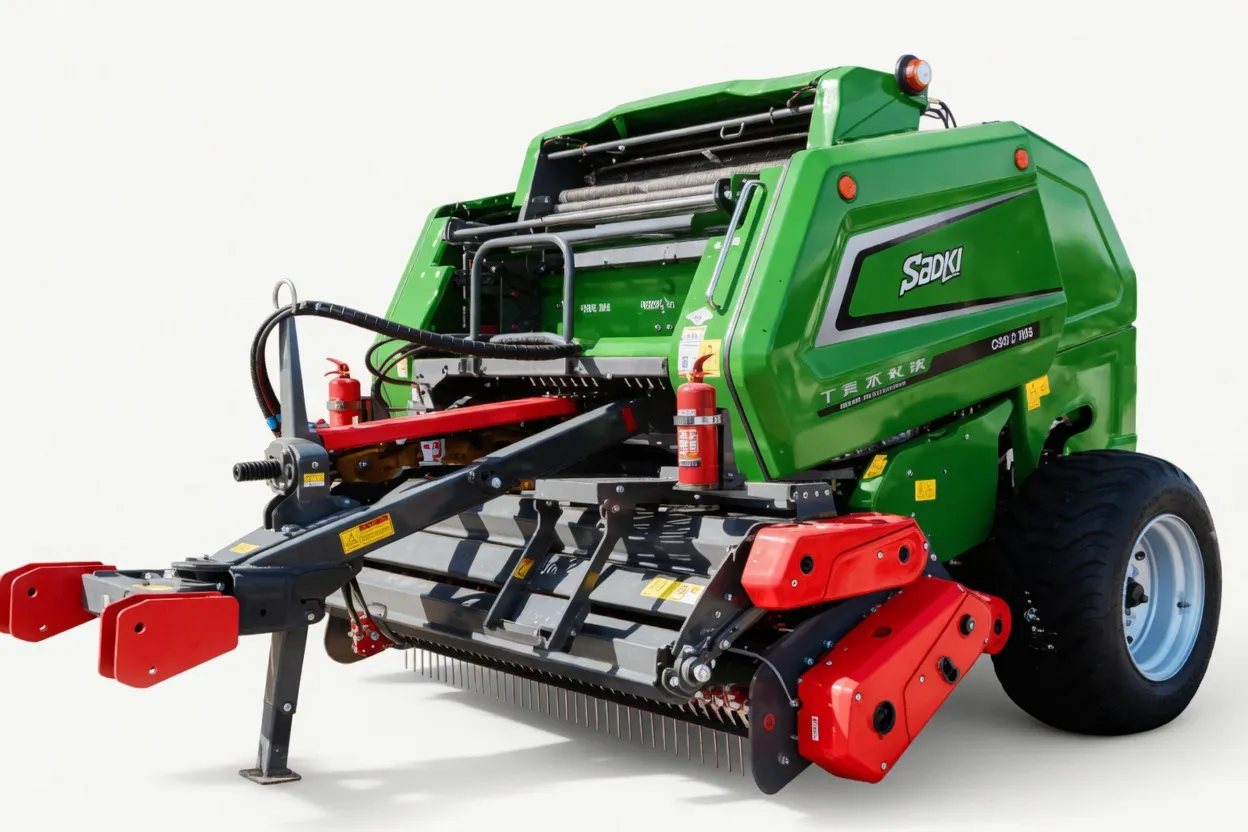
The baling and wrapping process must be matched in capacity — a high-output baler producing 40+ bales per hour benefits from a fast-cycle wrapper to prevent unwrapped bales accumulating in the paddock while fermentation begins.
What Crops and Feed Types Benefit From the 9YCM-850
The 9YCM-850 is used across a wide range of crops and feed types in Australian conditions. The primary applications are as follows.
High-moisture silage crops: Whole-crop cereals (oats, barley, triticale) cut at the dough stage at 60–70% moisture, ryegrass and mixed-pasture silage at 55–65% moisture, and maize silage at 60–70% moisture all require immediate wrapping after baling to prevent aerobic deterioration. These crops are ensiled rather than dried, and the anaerobic environment created by the film wrap is the only mechanism preventing spoilage. For high-moisture crops, wrapping within 2 hours of baling is the target — every hour of delay allows further aerobic fermentation that reduces fermentable sugars available to lactic acid bacteria.
Dry hay preservation: Even hay dried to below 15% moisture benefits from film wrapping if it is to be stored outdoors for more than 3–4 months. Rain penetration into unwrapped hay bales causes mould growth and leaches soluble nutrients from the outer layers. Wrapped hay bales stored outdoors retain consistent nutritional value through the full 12-month storage period, eliminating the haystack weathering losses that can reduce the feeding value of outer bale layers by 20–35%.
Mixed bales: Some operations bale mixed-crop paddocks at intermediate moisture (30–45%) — too dry for conventional silage, too wet for safe hay storage. Film wrapping allows these intermediate-moisture bales to be preserved safely through a combination of fermentation and reduced respiration. These bales are commonly called baleage or haylage and are a practical option in regions where autumn rains prevent full hay drying before baling.
Five Things to Assess Before Purchasing a Bale Wrapper
Bale diameter range
The 9YCM-850 handles bale diameters from 1,000 to 1,600 mm. Confirm your baler’s output diameter before purchasing a wrapper — a wrapper specified for 1,200–1,500 mm bales will not accept 1,000 mm bales without adjustment, and a poor fit produces uneven film coverage and stress points that are likely puncture sites.
Tractor compatibility
The 9YCM-850 requires a 45–75 HP tractor with a Category I or II 3-point linkage. Confirm your tractor’s linkage category and hydraulic flow rate — the wrapper’s rotation system requires a small hydraulic flow for the table drive. Most tractors in this HP range have adequate hydraulic capacity, but confirm before purchase.
Daily wrapping volume
At 60–90 seconds per bale, the 9YCM-850 can wrap 40–60 bales per hour. Match this to your baler output: a baler producing 20 bales per hour requires a wrapper that can keep pace without bales accumulating unwrapped. The 9YCM-850 comfortably keeps pace with all but the fastest twin-baler or large square baler systems.
Film availability and cost
The 9YCM-850 uses standard 850 mm × 1,500 m rolls of 25-micron pre-stretch silage film, which is widely stocked by Australian rural suppliers. Each roll wraps approximately 20–25 bales at four-layer wrap — confirm local film availability and current pricing before budgeting ongoing running costs.
Storage site suitability
Wrapped bales must be stored on a firm, well-drained surface without sharp objects that could puncture the film from below. Stones, stubble, and rough ground are common puncture causes on Australian properties. Assess your intended storage site before committing to a wrapping programme — a suitable site is as important as the wrapper itself for a successful silage outcome.
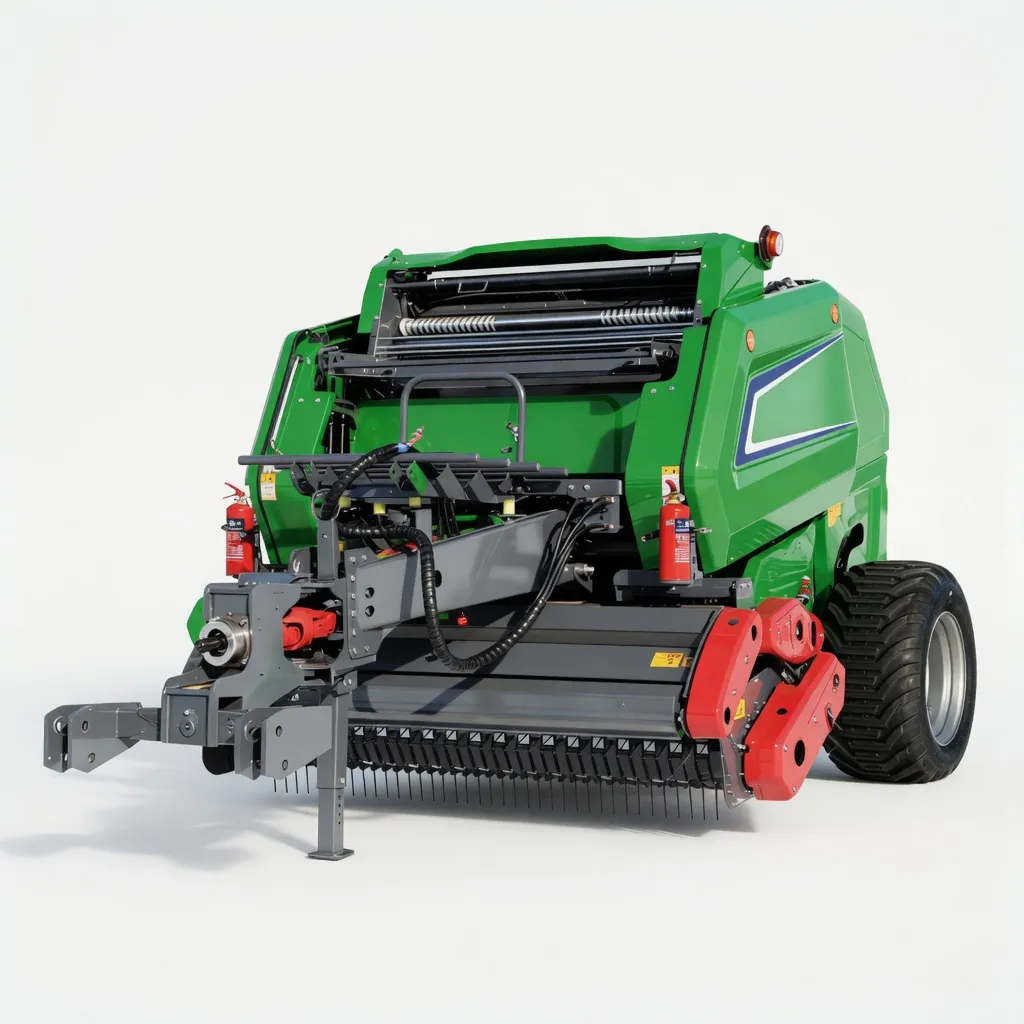
Baling and wrapping are a matched system — the output rate of the baler should be matched to the wrapping capacity of the 9YCM-850 to prevent delays that allow fermentation to begin in unwrapped bales.
EverPower 9YCM-850: Available From the Condell Park NSW Warehouse
The 9YCM-850 is stocked by EverPower Baling Machinery Australia at the Condell Park NSW warehouse with Australia-wide delivery. Contact EverPower at +61 2 9708 3322 or [email protected] for current pricing, tractor compatibility confirmation, and delivery timeframes to your location. The 9YCM-850 is configured for Australian bale sizes and standard 850 mm film rolls available through Australian rural suppliers.
Recommended Product: 9YCM-850 Bundling Film Wrapping Machine
Tractor-mounted inline bale wrapper for 1,000–1,600 mm diameter round bales. 850 mm film width. 60–90 second cycle time. 4–6 adjustable wrap layers with 55–70% film pre-stretch. Compatible with standard 850 mm × 1,500 m silage film rolls. 3-point linkage Category I/II mount. Suitable for silage, haylage, and outdoor hay preservation. Stocked at EverPower’s Condell Park NSW warehouse with Australia-wide delivery.
Frequently Asked Questions
Protect Every Bale From Spoilage — Start Wrapping.
EverPower can advise on tractor compatibility, film selection, and storage setup for the 9YCM-850 on your property.
EverPower Baling Machinery Australia Pty Ltd | 27 Harley Crescent, Condell Park NSW 2200
📞 +61 2 9708 3322 | ✉️ [email protected]