
Buyer’s Guide
A practical, data-backed breakdown of what makes a 2.5-metre single-blade traction mower the smart pick for hay producers — and how the 9GD-2.5 stacks up against alternatives on real farms.
Why Traction Single-Blade Mowers Still Dominate Hay Operations
Across Australia, roughly 68% of broadacre hay producers rely on traction-style mowers rather than three-point-linkage mounted units, according to industry surveys from the Kondinin Group. The reason is straightforward: a towed mower follows ground contours independently of the tractor’s pitch and roll, which means a more uniform stubble height on undulating paddocks. For hay production — where a clean, consistent cut preserves leaf matter and maximises nutritional value — that ground-following ability is not optional; it is the baseline requirement. Single-blade designs add simplicity to the equation. Fewer moving parts translate directly into lower maintenance budgets and shorter downtime windows, two factors that matter enormously during a compressed hay season when every hour of sunlight counts. The 9GD-2.5 traction single-blade mower fits squarely into this demand: a 2.5-metre cutting width that matches medium-horsepower tractors (50–75 hp) while still covering meaningful ground. Producers cutting ryegrass, lucerne, or oaten hay on properties between 200 and 2,000 acres consistently report that a well-matched traction mower of this class pays for itself within two to three seasons by eliminating contractor fees that typically run AUD $35–$55 per hectare in New South Wales.
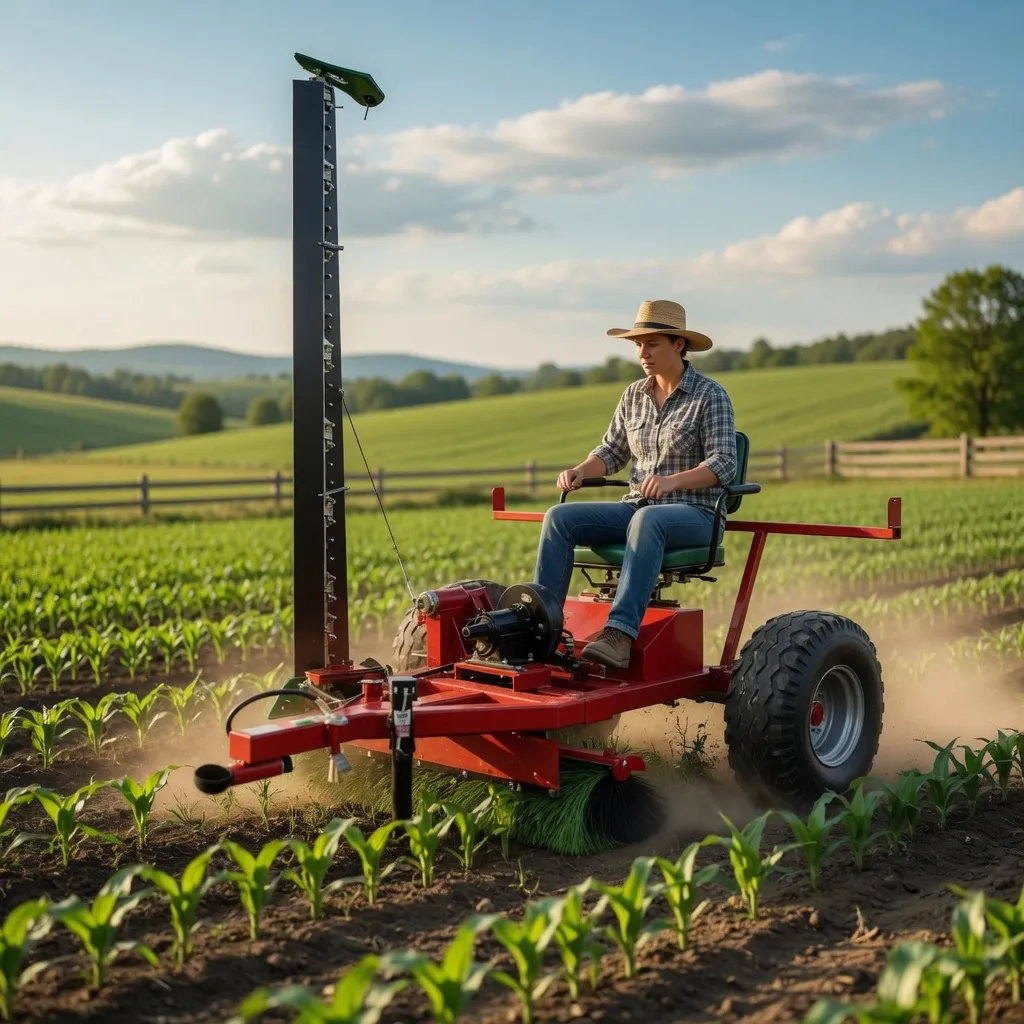
The 9GD-2.5 traction single-blade mower configured for broadacre hay cutting.
Core Specifications of the 9GD-2.5 at a Glance
Before diving into field performance, a clear specification table saves time. The 9GD-2.5 is engineered for mid-range tractors and sits in the “workhorse” category — not the lightest hobby-farm unit, and not the widest contractor-grade disc mower either. Its sweet spot is producers who need reliable daily output without the fuel and horsepower overhead of wider machines. Below are the key numbers that matter when you are comparing quotes.
The 540 PTO requirement keeps the 9GD-2.5 compatible with the vast majority of utility and mid-range tractors already sitting on Australian farms. That compatibility factor alone eliminates the need for a gearbox adapter or a dedicated high-speed PTO tractor — costs that can add AUD $1,500–$3,000 to a setup.
Single-Blade vs Double-Blade: Making the Right Call
One of the most frequent questions from first-time mower buyers is whether to go with a single-blade or a double-blade cutter bar. Both get the crop on the ground, but they do it differently, and the trade-offs affect your wallet, your maintenance schedule, and even your forage quality.
How Each Cutting Mechanism Works
A single-blade mower uses one reciprocating knife that slides back and forth over stationary guard fingers. The crop is sheared between the moving blade and the finger edges — much like a barber’s clipper. A double-blade design uses two counter-moving knives that shear against each other, producing a scissors-like action. The double-blade approach delivers a very clean cut at lower ground speeds, but that extra knife rail adds weight, complexity, and cost. For hay growers mowing at standard working speeds (8–12 km/h), the single-blade design produces an equally clean cut with noticeably fewer parts to maintain. Industry data from European forage trials suggests that cut quality differences between single and double blades become measurable only below 5 km/h — a speed most producers never use in normal operations.
Cost and Maintenance Comparison
⚙️ Single-Blade (9GD-2.5)
- One knife rail — roughly 40% fewer wear parts
- Blade sections cost ~AUD $2–$4 each; full replacement under $120
- Field-serviceable in 20–30 minutes with basic tools
- Lower purchase price (typically 15–25% less)
⚙️ Double-Blade
- Two knife rails — cleaner cut below 5 km/h
- Double the blade sections = double the replacement cost
- More precise alignment needed during reassembly
- Higher upfront price and heavier machine weight
For the majority of hay operations running at normal speeds, a traction single-blade mower delivers the output and cut quality needed without doubling blade inventory or maintenance time. The 9GD-2.5 leans into that practical philosophy, keeping the parts list short and the running costs predictable.
What Tractor HP Do You Actually Need?
Horsepower requirements for a traction mower depend on three real-world variables: cutting width, crop density, and terrain. The 9GD-2.5 calls for a minimum of 50 hp at the PTO, which in practice means a tractor rated at roughly 60–75 engine horsepower after drivetrain losses. Australian farmers commonly pair this mower with tractors like the Kubota M7060, the John Deere 5075E, or the Dongfeng DF-704 — all of which sit in the 65–80 hp bracket and provide comfortable overhead for heavy ryegrass or thick lucerne stands. Running a traction mower below the recommended PTO threshold leads to two problems: the blade speed drops, causing a ragged tear rather than a clean shear, and the tractor engine lugs under load, accelerating fuel consumption and clutch wear. A general rule used by machinery advisors in NSW and Victoria is to allocate 20–22 PTO horsepower per metre of cutting width for single-blade sickle-bar mowers. For the 9GD-2.5 at 2.5 m, that works out to 50–55 hp — right in line with its rated minimum.
🌿
Light Pasture / Oaten Hay
50–55 hp PTO adequate
Working speed 10–12 km/h
🌾
Medium Ryegrass
55–65 hp PTO recommended
Working speed 8–10 km/h
🍃
Dense Lucerne / Clover
65–75 hp PTO ideal
Working speed 6–8 km/h
Field Performance: Daily Output and Fuel Efficiency
Output claims mean nothing without context. Here is what the 9GD-2.5 delivers under documented field conditions. At a 2.5-metre cutting width and a conservative working speed of 8 km/h, the effective swath coverage (accounting for overlap) is approximately 1.8–2.0 hectares per hour. Across a standard 8-hour mowing day with fuel stops, blade inspections, and headland turns factored in, producers typically report 12–15 hectares mowed. That puts the 9GD-2.5 firmly in the territory of machines that can handle 200–600 hectare annual hay programs without contractor support. Fuel consumption on a 70 hp tractor pulling this mower through medium-density ryegrass averages 7–9 litres of diesel per hour — roughly AUD $12–$16 at current fuel prices. Compare that to contractor rates of $40–$55 per hectare, and the in-house cost per hectare drops to around $8–$10 (fuel + blade wear), creating a compelling return for any producer mowing more than 80–100 hectares per season.
Output Quick-Reference
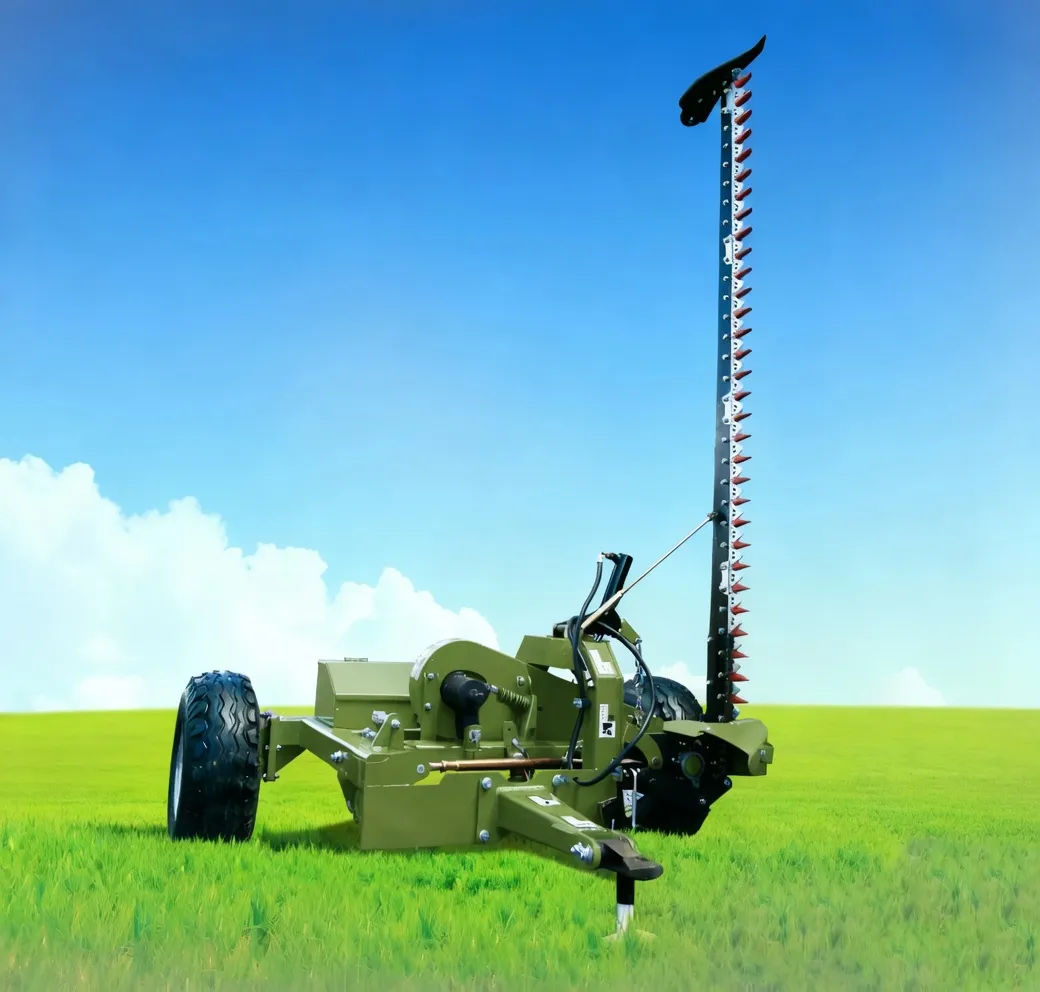
Side profile of the 9GD-2.5 showing the towed drawbar and 2.5 m cutter bar.
Getting a Clean Cut on Ryegrass, Lucerne, and Oaten Hay
Cut quality directly affects drying time, leaf retention, and the final feed value of your hay. A ragged, bruised cut exposes more plant tissue to weather damage and slows the curing process, while a clean shear allows the crop to wilt evenly. With the 9GD-2.5, three adjustable settings control cut quality: blade sharpness, cutting height, and ground speed. Getting these right for each crop type is the difference between premium hay and low-grade roughage.
Ryegrass
Perennial and annual ryegrass varieties are the backbone of Australian hay production. The ideal cutting height sits between 50 and 70 mm — low enough to capture the leaf mass but high enough to leave adequate stubble for regrowth. Set the blade guard clearance tight (no more than 1 mm gap between knife sections and fingers) to prevent the fine-stemmed grass from folding under instead of being sheared. Working at 9–11 km/h produces the cleanest swath in medium-density ryegrass stands. Mowing in the morning once dew has lifted but before peak heat ensures the crop is turgid and cuts cleanly rather than bending.
Lucerne (Alfalfa)
Lucerne demands a higher stubble — 70 to 90 mm — to protect the crown and promote faster regrowth for subsequent cuts. Because lucerne stems are thicker and woodier than grass, blade sharpness is critical. Dull sections crush the stem rather than cutting it, increasing dry-down time by up to a full day according to NSW DPI forage trials. Replace or sharpen blade sections every 20–30 hectares in lucerne, compared to every 40–50 hectares in grass. Slow the ground speed to 7–9 km/h in thick lucerne stands to maintain blade RPM and cut precision.
Oaten Hay
Oaten hay is typically cut at the soft-dough stage, when stems are at their thickest. The 9GD-2.5 handles this well at moderate speeds (8–10 km/h) with the cutting height set to 40–60 mm. Because oat straw is stiffer, the guard fingers take more impact; inspect for bent or cracked fingers after every 50 hectares and replace as needed to maintain the shearing gap.
Maintenance Schedule and Blade Care
Preventive maintenance on a traction mower is not complicated, but it must be consistent. Skipping a single pre-season service can cascade into mid-harvest breakdowns that cost far more in lost cutting days than the parts themselves. Below is a practical maintenance timeline tailored to the 9GD-2.5.
Daily — Before Each Mowing Session
Walk the full length of the cutter bar. Check for missing or chipped blade sections and cracked guard fingers. Verify the knife-to-finger clearance is under 1 mm. Grease all zerks on the pitman arm, hinge points, and wheel hubs (4–6 grease points total). Inspect the PTO shaft guards for damage.
Every 25–50 Hectares — Blade Service
Remove the knife bar and sharpen or replace worn sections. In lucerne, lean toward replacement every 20–30 ha. In grass, 40–50 ha is typical. While the knife is out, clean debris from the guard channels and re-torque the knife-head bolts to the factory spec. Total time: 30–45 minutes.
Mid-Season — 150–200 Hectares
Inspect the pitman arm bearing and connecting rod for play. Check wheel tyre pressures (uneven pressure causes the mower to cut unevenly). Replace any bent guard fingers. Lubricate the drawbar hitch pivot. Verify PTO shaft universal joint condition — any clicking or vibration means it is time for new crosses.
End of Season — Full Service
Remove, clean, and oil the entire knife assembly for storage. Coat unpainted metal surfaces with a rust-preventive film. Repack wheel bearings. Store the mower under cover with tyres blocked off the ground to prevent flat-spotting. Document any parts that need ordering before next season so lead times do not catch you out.
Towed Mower vs Mounted Mower: Which Setup Suits Your Property?
The traction (towed) vs mounted debate is partly about terrain and partly about tractor logistics. A mounted mower attaches to the tractor’s three-point linkage and lifts entirely off the ground for transport. That makes it nimble in small paddocks and easy to reverse into tight corners. However, on undulating or sloped country — which describes a significant share of grazing land in New South Wales, Victoria, and Tasmania — a mounted mower’s cutting height varies with every tractor pitch change. The cutter bar rises on the crests and digs into the hollows, producing a scalped, uneven cut that damages pasture crowns and reduces regrowth. A traction mower like the 9GD-2.5, running on its own wheels behind the tractor, follows the ground independently. The cutter bar floats on the terrain contour, maintaining consistent stubble height even across rolling country. For properties with more than modest undulation, the traction configuration is the safer choice for both crop quality and pasture longevity. The trade-off is transport width — a 2.5 m towed mower needs careful routing through gates — and a slightly wider turning circle on headlands. Most producers find these minor inconveniences well worth the superior cut uniformity.
How to Reduce Crop Loss When Mowing Hay
Crop loss during mowing directly erodes revenue. Every kilogram of leaf or stem left on the ground or shattered by poor cutting technique is feed value that never reaches the bale. Research from Agriculture Victoria puts typical mowing losses at 2–5% of standing dry matter when equipment is well-maintained and properly adjusted, but losses can spike to 8–12% with dull blades, incorrect cutting height, or excessive ground speed. With the 9GD-2.5, the primary levers for minimising loss are blade sharpness, speed management, and timing.
Practical Loss-Reduction Steps
🔪
Keep Blades Sharp
A dull blade tears and bruises stems. This shatters leaf tissue — the most nutritious fraction — onto the ground. Sharpen or swap sections at the intervals outlined in the maintenance schedule above.
🏎️
Match Speed to Crop
Driving too fast in a heavy stand overloads the blade and leaves uncut strips. Driving too slow wastes time without improving quality. Target the speed ranges in the output table above for each crop density bracket.
⏰
Time Your Cut
Mow after dew has cleared but before peak afternoon heat. In hot, dry conditions, leaf tissue becomes brittle and shatters on contact. Morning mowing in the 9–11 am window often produces the best balance of clean cutting and rapid wilting.
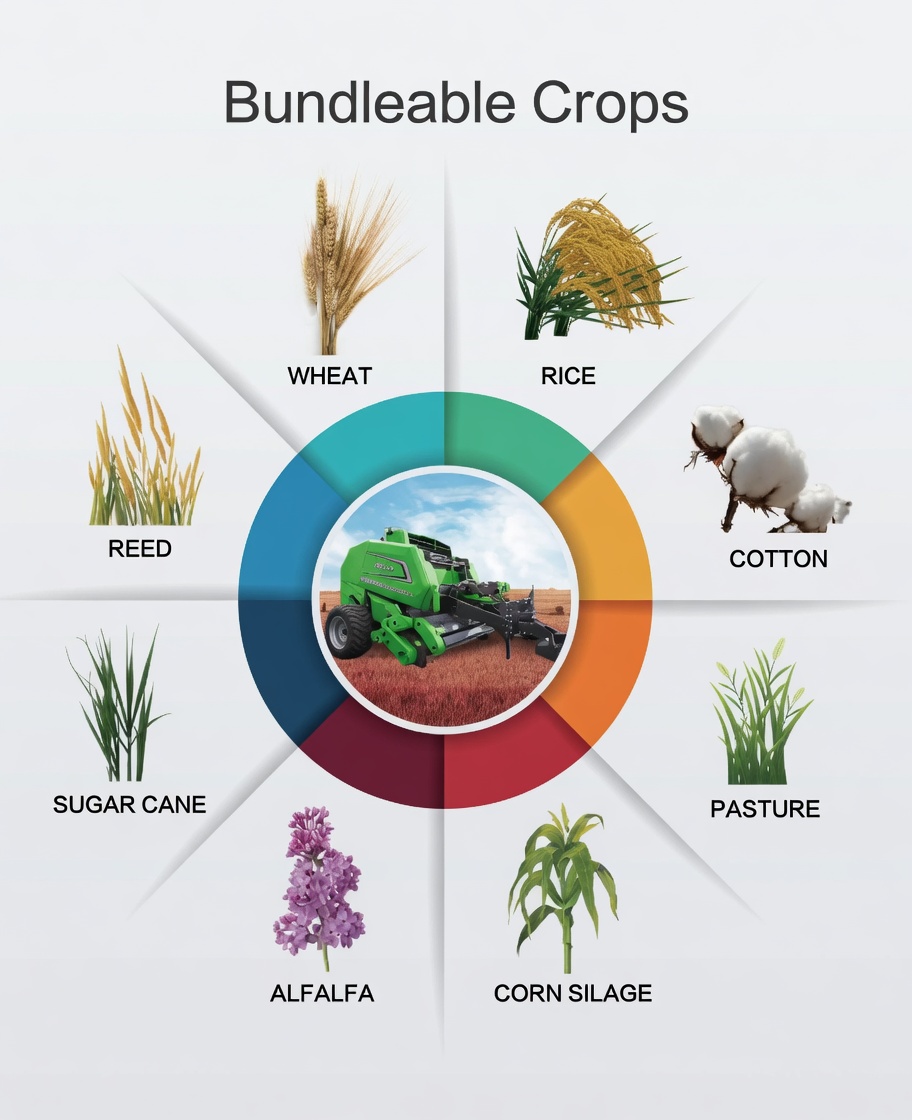
Proper mowing technique preserves leaf matter and maximises the value of every cut.
Price Factors and Total Cost of Ownership
Purchase price is only one layer of the cost picture. A traction single-blade mower in the 2.5 m class typically retails between AUD $4,500 and $9,000 depending on brand, dealer network, and included spare parts. The 9GD-2.5 sits in the competitive mid-range of that bracket. Where it differentiates is in long-term running costs — specifically, the low price of replacement blade sections, the simplicity of the pitman-drive mechanism (no gearbox oil changes, no disc bearings to replace), and compatibility with commonly available 540 PTO tractors that do not demand premium fuel or specialised servicing.
Over a five-year ownership cycle mowing 200 hectares per season, here is a rough cost breakdown: blade replacements and guard fingers account for approximately AUD $300–$500 per year. Grease, PTO shaft maintenance, and miscellaneous wear parts add another $100–$200. Fuel at 8 litres per hour across ~130 operational hours per season costs roughly $1,800–$2,200 at current diesel prices. Total five-year operating cost (excluding the tractor) lands in the $11,000–$15,000 range — or $11–$15 per hectare. Compare that to five years of contractor mowing at $45/ha across 1,000 cumulative hectares: $45,000. The self-mowing savings are substantial, and the 9GD-2.5 is built to deliver across that full ownership period without major overhaul.
Why Source Your Mower Through EverPower Baling Machinery
EverPower Baling Machinery Australia operates from Condell Park in Sydney’s south-west, providing local warehousing, technical support, and spare parts fulfilment across New South Wales and nationally. Unlike grey-market imports that arrive without documentation or after-sales backing, every 9GD-2.5 shipped through EverPower comes with a full English-language operator manual, an itemised spare parts list with part numbers for direct reordering, and access to technical support via phone (+61 2 9708 3322) or email. For producers who rely on uptime during a narrow hay window, that local support structure removes the risk of being stuck with a broken-down machine and no path to parts.

EverPower’s production and quality inspection process ensures each machine meets field-ready standards.
Recommended Product: 9GD-2.5 Traction Single-Blade Mower
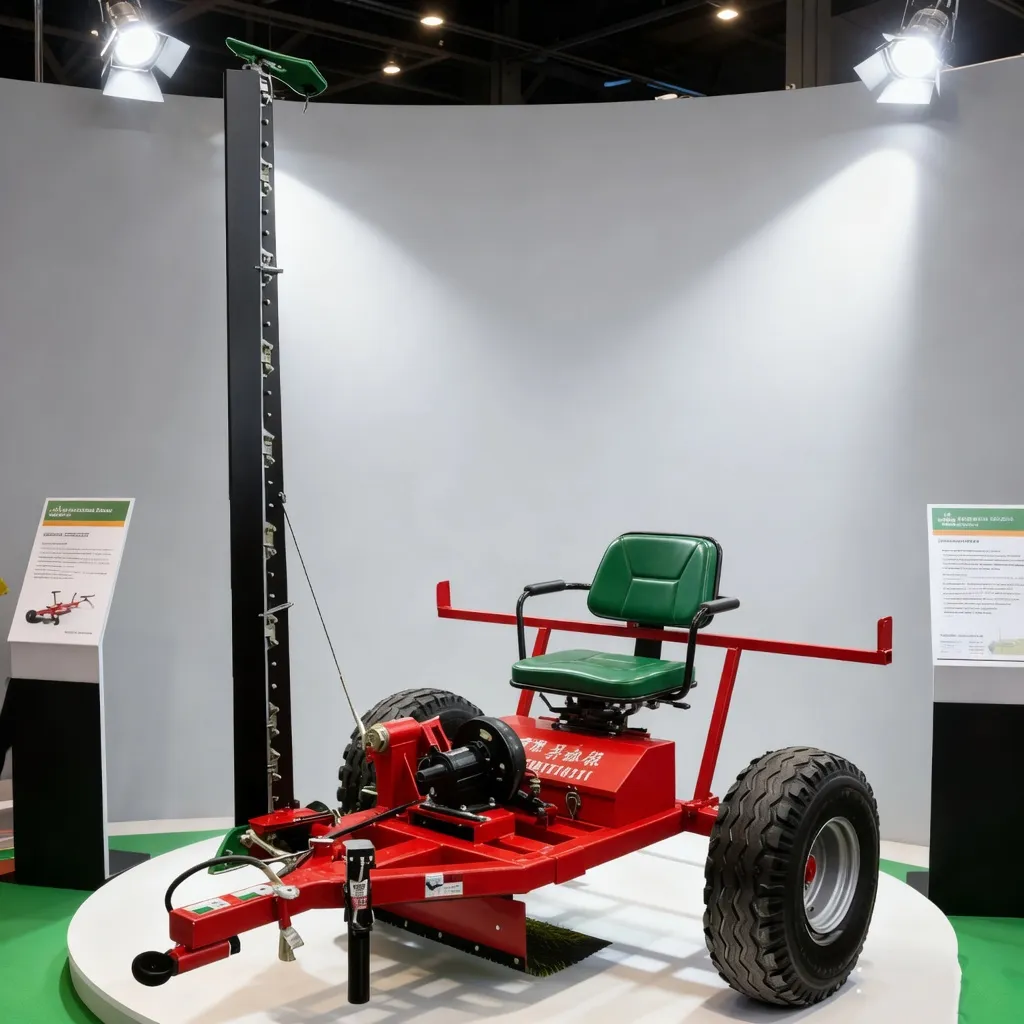
The 9GD-2.5 is a 2.5-metre traction single-blade mower engineered for Australian hay producers who need reliable, low-maintenance cutting performance across ryegrass, lucerne, and oaten hay. With 540 PTO compatibility, a towed ground-following chassis, and field-replaceable blade sections, it delivers consistent stubble heights on undulating terrain while keeping operating costs well below contractor rates.
Frequently Asked Questions
Ready to Cut Smarter This Season?
Get in touch with EverPower Baling Machinery for 9GD-2.5 pricing, spare parts availability, or technical advice matched to your property and tractor setup.
EverPower Baling Machinery Australia Pty Ltd | 27 Harley Crescent, Condell Park NSW 2200
📞 +61 2 9708 3322 | ✉️ [email protected]