What Drives Hay Conveyor Price — and Why the Cheapest Option Is Rarely the Cheapest Over Time
The Australian hay conveyor market includes machines from under AUD $800 to over AUD $6,000. This range reflects genuine differences in belt quality, roller bearing specification, motor reliability, frame construction, and — most importantly for operators in Australian conditions — UV resistance of the belt and motor housing materials. A conveyor purchased for AUD $900 with a low-grade belt and unrated motor that fails after two seasons has a true annual cost of AUD $450 plus the cost of the downtime during the season it fails. A mid-range conveyor at AUD $3,500–$5,000 with quality components that operates reliably for 10–12 years has a true annual cost of AUD $350–$500 — lower than the cheap option, with none of the downtime cost. This guide breaks down what determines purchase price in the hay conveyor market, what the 9JYY-4.5 offers at its price point, and how to calculate whether the investment is right for your operation before committing.
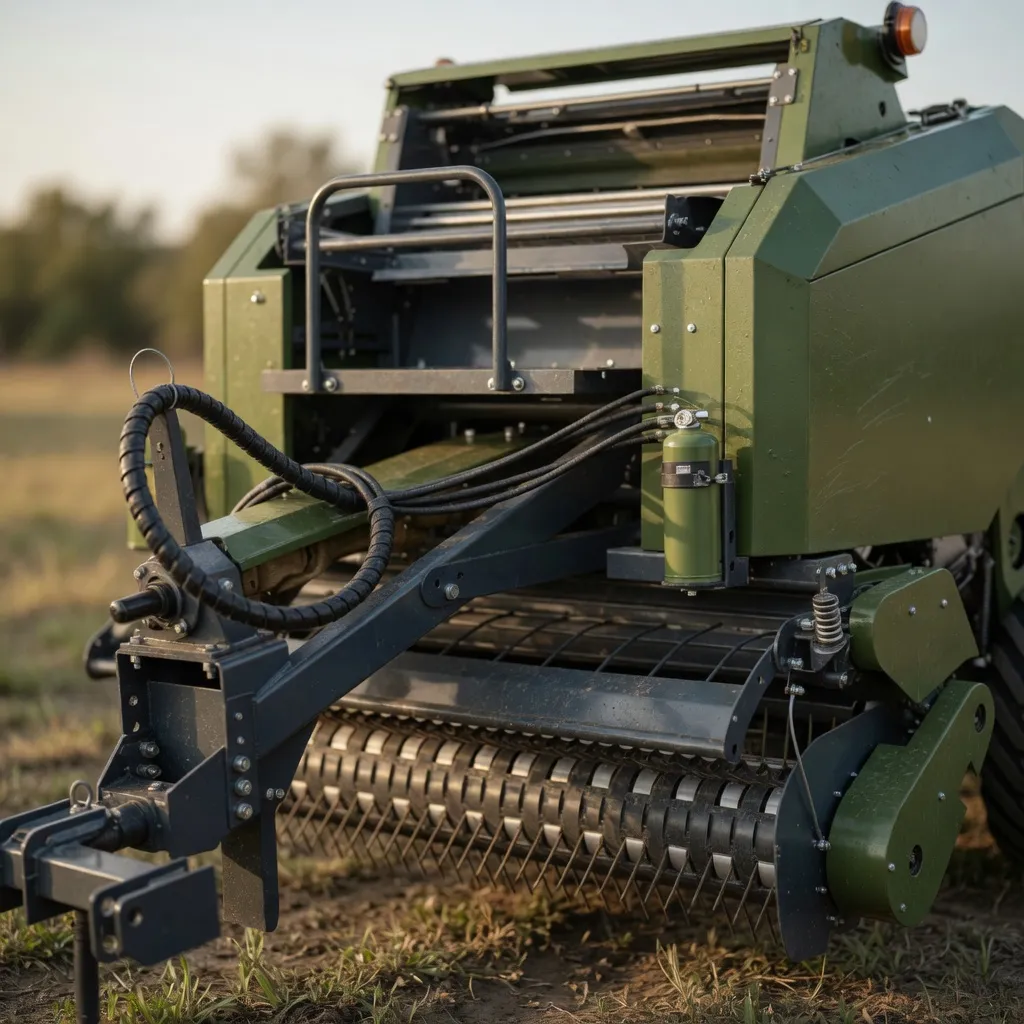
The true cost of a hay conveyor is calculated over its service life — a machine that costs twice as much but lasts three times as long, and never fails during the season, is the lower-cost option by any rational metric.
Five Factors That Drive Purchase Price
Belt quality and specification
The belt is the highest-wear consumable and the component most affected by UV exposure in outdoor agricultural environments. Budget conveyors use PVC belts without UV stabilisation that become brittle within 2–3 seasons of Australian sun exposure. Mid-range conveyors like the 9JYY-4.5 use rubber-reinforced fabric belts with UV-stabilised compound that maintain flexibility and grip through 5–8 seasons in typical Australian hay shed conditions. The price difference per belt is AUD $80–$200 — negligible over a 10-year machine life but significant to the buyer comparing purchase prices without accounting for belt replacement frequency.
Roller bearing specification
Sealed heavy-duty bearings rated for continuous agricultural duty cost more than standard open bearings. The difference in service life is 3–5×. Budget conveyors with open bearings fail within one season in dusty Australian hay shed environments — the chaff and dust that pervade hay sheds destroy unshielded bearing races within 50–100 hours of operation. The 9JYY-4.5 uses sealed bearings with dust-exclusion seals appropriate for the operating environment.
Motor quality and thermal protection
A single-phase 240 V motor for agricultural duty must have class F or H insulation (rated to 155–180°C winding temperature), a capacitor-start design for reliable single-phase starting under load, and an internal thermal cutout for overload protection. Budget conveyors often use motors without thermal protection — when overloaded, the motor winding overheats and fails permanently. A quality motor with proper thermal protection trips and resets; a cheap motor without it burns out and requires replacement.
Frame construction and finish
The conveyor frame must support 35 kg bale loads at 2.5-metre height repeatedly over many seasons without flexing, cracking weld joints, or corroding through. Heavy-gauge steel with quality powder coat or hot-dip galvanising costs more than thin-gauge steel with spray paint. In Australian coastal environments or high-humidity hay sheds, surface rust on a poorly finished frame progresses to structural rust within 3–5 seasons — the frame weakens at the weld joints precisely where the highest load stress occurs.
Local spare-parts support
A conveyor with Australian spare-parts support — belts, bearings, and motors available locally for same-day or next-day delivery — is worth more to an operating farm than an equivalent machine with no local parts availability. A 3-day production stop during hay season while waiting for an international belt shipment costs far more than the price premium of a supported machine. EverPower stocks all 9JYY-4.5 wear parts at the Condell Park NSW warehouse with same-day dispatch.
Price Ranges in the Australian Market
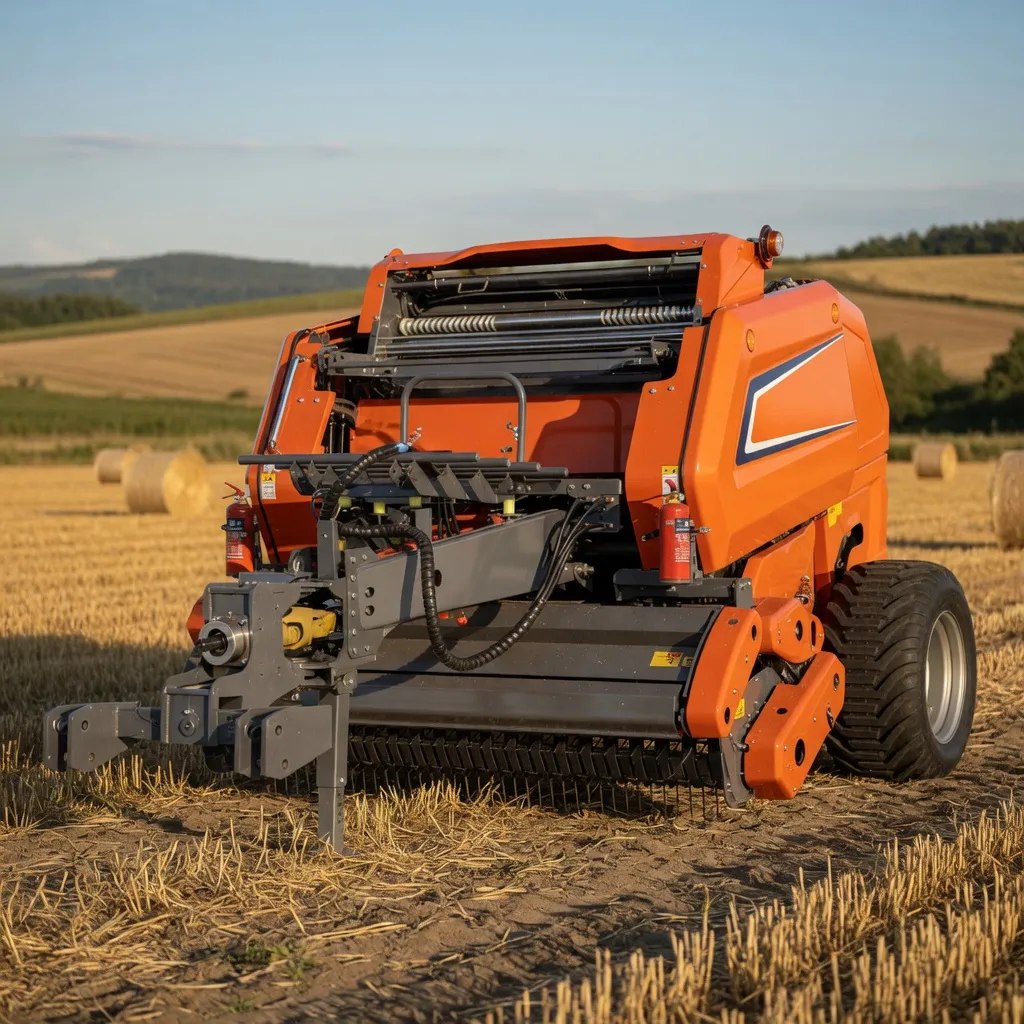
Matching the conveyor investment tier to your annual bale volume — not to the lowest available price — is the decision framework that produces the best long-term outcome for Australian hay operations.
What to Budget: 5-Year Total Cost of Ownership
For the 9JYY-4.5 operating at 10,000 bales per year (approximately 16 stacking days), total 5-year ownership cost including purchase, belt replacement (once at year 3–4), one bearing replacement set, and power: approximately AUD $6,500–$8,000. Per-bale ownership cost: AUD $0.13–$0.16. Combined with the 2-person crew labour cost at AUD $0.75/bale, total stacking cost is AUD $0.88–$0.91 per bale — still well below the AUD $2.00 per bale manual stacking equivalent.
Contact EverPower at +61 2 9708 3322 or [email protected] for current 9JYY-4.5 pricing delivered to your postcode. The team can also help estimate your annual bale volume and provide a modelled cost-per-bale comparison for your specific situation.
Recommended Product: 9JYY-4.5 Hay Baler Conveyor
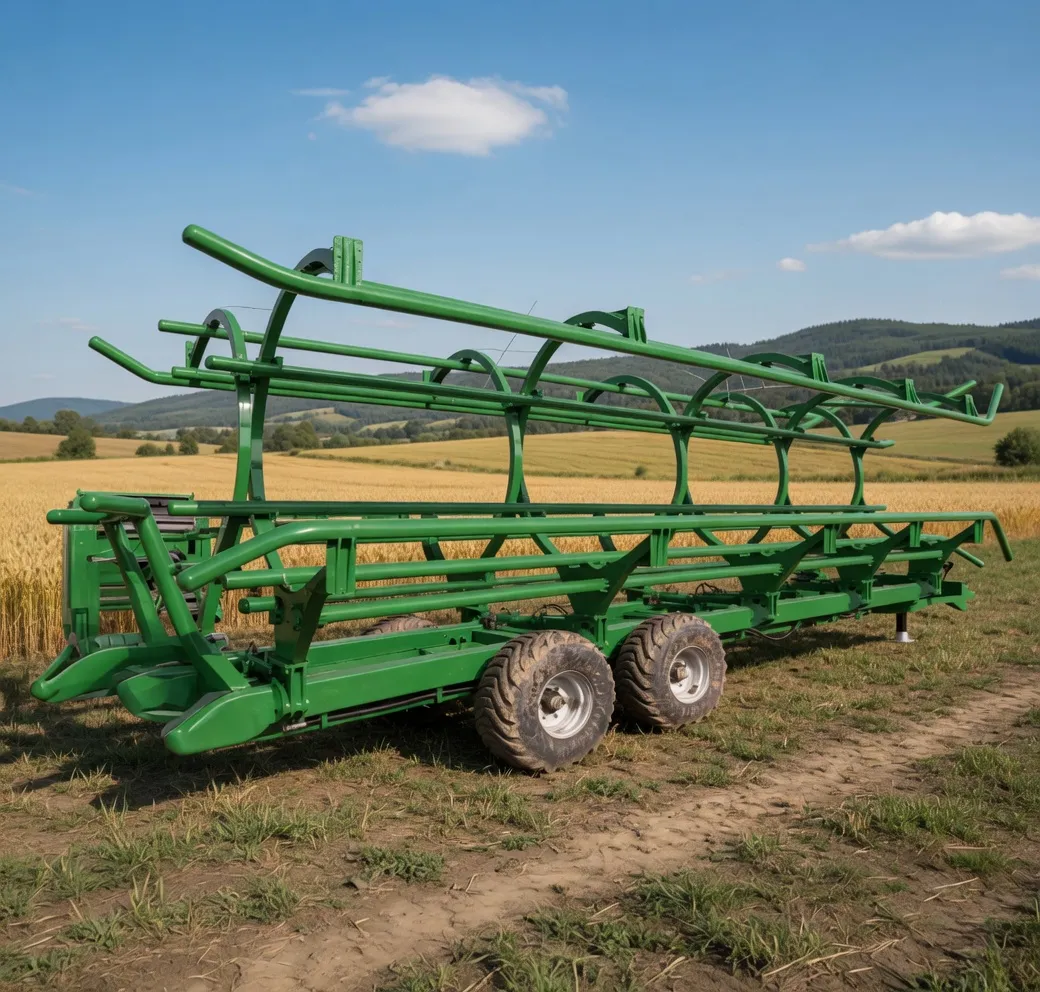
Mid-range price with UV-stabilised belt, sealed agricultural-duty bearings, thermally protected single-phase motor, and heavy-gauge powder-coated frame. 10–12 year expected service life at farm or contractor use rates. All wear parts stocked at EverPower’s Condell Park NSW warehouse. Total 5-year ownership cost approximately AUD $0.13–$0.16 per bale at 10,000 bales/year. Contact EverPower for current delivered pricing.
Frequently Asked Questions
Budget for the Right Machine. It Pays for Itself Faster.
EverPower provides current 9JYY-4.5 pricing with freight to your postcode and can model the per-bale cost for your annual stacking volume.
EverPower Baling Machinery Australia Pty Ltd | 27 Harley Crescent, Condell Park NSW 2200
📞 +61 2 9708 3322 | ✉️ [email protected]