
The True Cost of Manual Stacking Is Rarely Calculated
Most Australian hay operators know roughly what they spend on machinery — tractors, balers, rakes, mowers. Fewer have calculated what they spend on manual hay stacking labour each season, and fewer still have compared that figure against the annualised cost of owning a hay baler conveyor. The comparison is almost always surprising: in most operations running more than 8 stacking days per year, the conveyor costs less to own and operate — per bale, per day, and per season — than the manual alternative. This article runs the comparison in full across three representative operation sizes, including all relevant cost components: labour, throughput value, injury risk provision, and machine ownership cost. The purpose is not to manufacture a favourable outcome, but to present the calculation transparently so operators can run the numbers for their own situation with confidence.
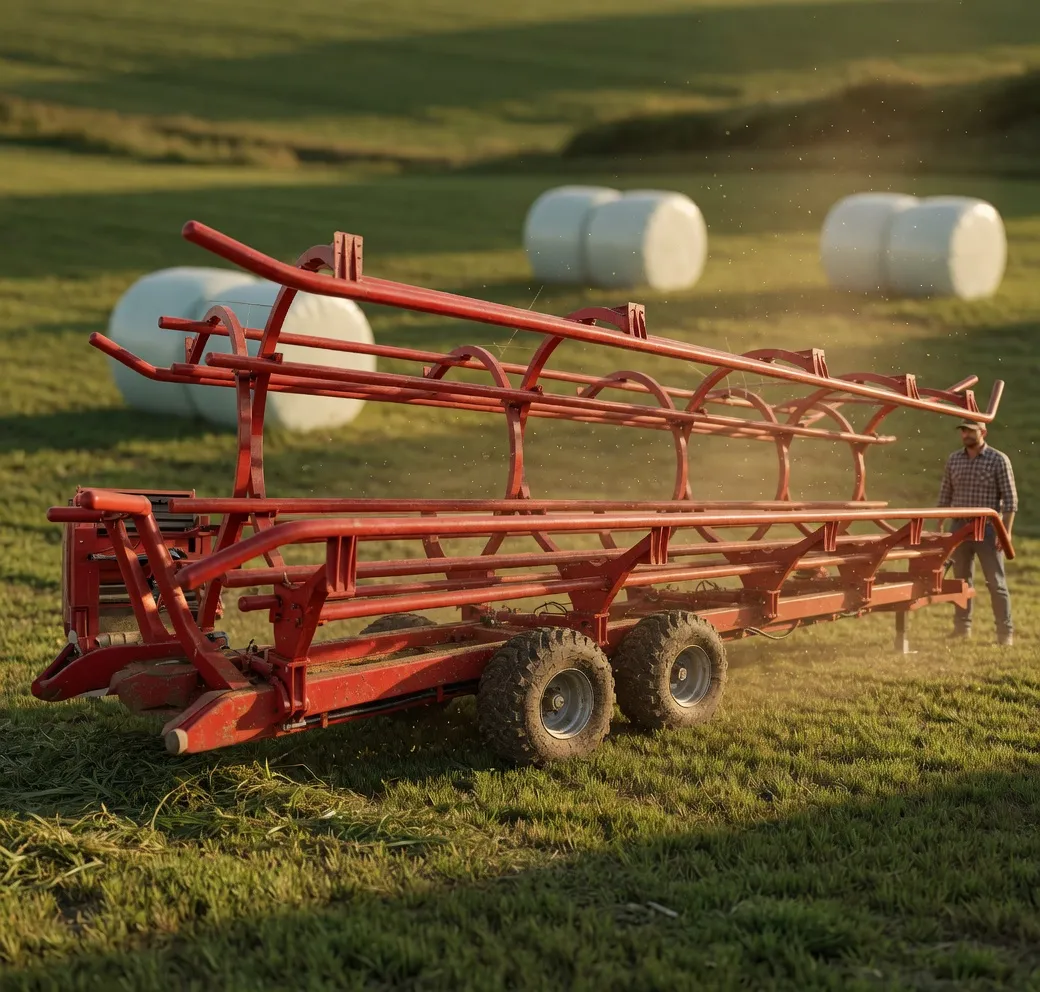
Comparing conveyor ownership against manual stacking requires accounting for all cost components — labour rate, crew size, daily throughput, injury risk provision, and machine annualised cost — not just the purchase price.
The Cost Inputs: What Each Option Actually Costs
Manual stacking cost components: Labour at AUD $30/hour (current rural casual rate, mid-range); 4-person crew; 8-hour day = AUD $960 per stacking day in labour. Daily throughput: 480 bales (morning average 85/hr declining to 45/hr by late afternoon over 8 hours). Labour cost per bale: $960 / 480 = AUD $2.00 per bale. No machine ownership cost. Injury risk: estimated WorkCover claim provision of AUD $2,000 per season based on industry average claim frequency of one claim per 3–4 years at AUD $6,000–$8,000 average cost.
Conveyor stacking cost components: Labour at AUD $30/hour; 2-person crew; 8-hour day = AUD $480 per stacking day in labour. Daily throughput: 640 bales (sustained 80–100/hr throughout the day). Labour cost per bale: $480 / 640 = AUD $0.75 per bale. Machine ownership: AUD $700–$900/year annualised over 10 years on a mid-range purchase. Per-bale machine cost at 640 bales/day × 15 stacking days/year: $800 / (640 × 15) = AUD $0.083 per bale. Power: electricity cost approximately AUD $0.20 per day (1.1 kW × 8 hours × $0.23/kWh). Total conveyor cost per bale: $0.75 + $0.08 + $0.00 = AUD $0.83 per bale.
The cost per bale comparison — AUD $2.00 manual versus AUD $0.83 conveyor — represents a 59% reduction in per-bale stacking cost. Every bale stacked with the conveyor saves AUD $1.17 compared to manual stacking at current rates.
Three Operations: Annual Cost Comparison
Conveyor cost includes annualised machine ownership (AUD $800/yr) + labour + power. Manual cost includes labour only. Injury risk provision not included — adds AUD $500–$2,000/year to manual cost.
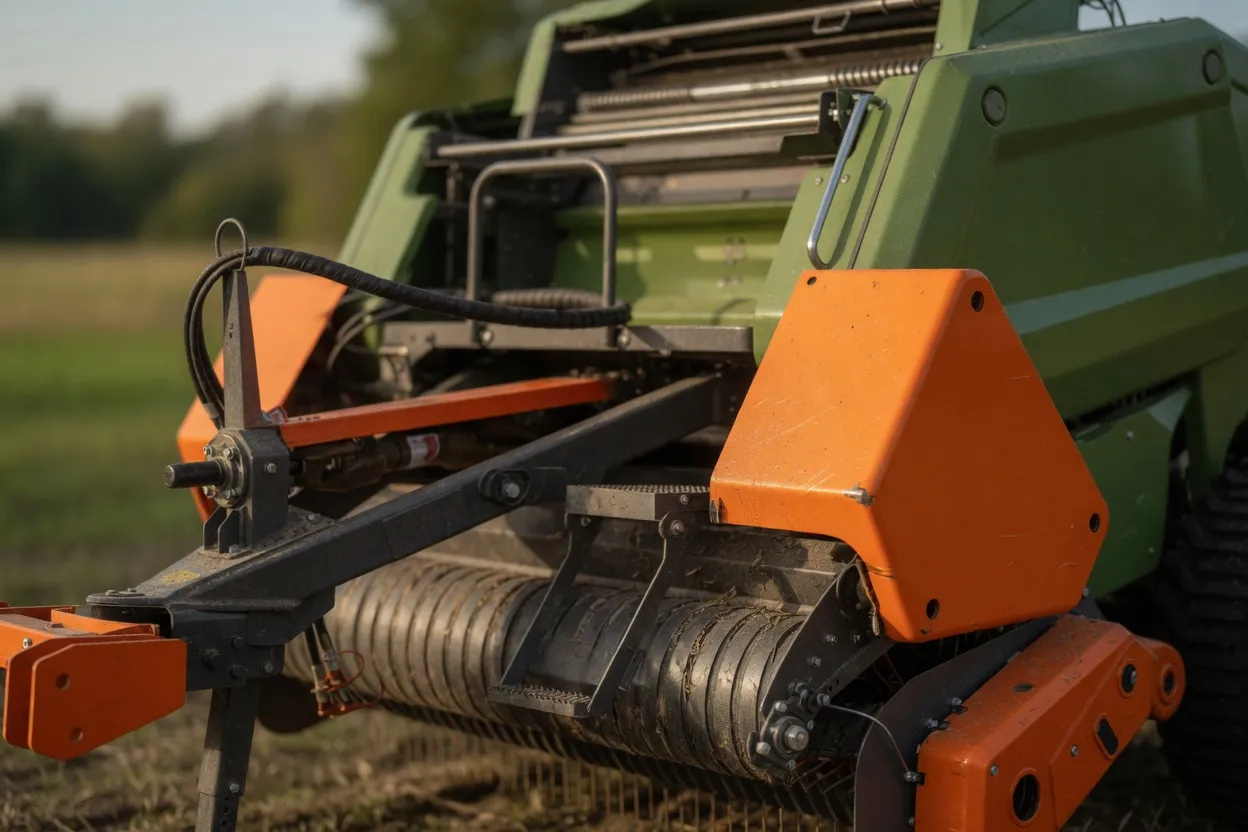
Higher baling output per day amplifies the cost advantage of a conveyor over manual stacking — the more bales the baler produces, the more valuable it is to process them quickly and cheaply at the stacking end.
Time Comparison: When Does the Manual Method Take Longer?
Manual stacking is not just more expensive per bale — it takes longer to complete the same volume. A 640-bale day with the conveyor (8 hours, 2 people) requires 16 person-hours of labour. The same 640 bales stacked manually requires approximately 10 hours at the average daily rate of 480 bales/8 hours = 60/hr… but 640 ÷ 60 = 10.7 hours — 2.7 hours extra — and requires 4 people throughout, meaning 42.7 person-hours versus 16 person-hours. The conveyor completes the same volume in 8 hours with 16 person-hours versus the manual method’s 10.7 hours with 42.7 person-hours — a 62% reduction in person-hours for identical output.
The time saving is not abstract. Completing the day’s stacking 2.7 hours earlier means hay is under cover before the afternoon weather risk window, the crew finishes at a reasonable hour and returns the next day without excessive fatigue accumulation, and the baler operator is not idling while the stacking catches up. For commercial operations where the baler is hired on a day-rate basis, finishing 2.7 hours earlier can mean one fewer hire day per season — a direct cost saving on top of the labour saving.
When Manual Stacking Is Still Justified
The conveyor is not cost-justified in every scenario. Operations stacking fewer than 3–4 days per season have a total annual manual labour cost below AUD $3,840 — less than the conveyor’s purchase price in year 1. For these operations, contracting the stacking out or accepting the manual method for a small number of days per year is often the better financial decision. Similarly, operations that already have a working hay elevator system from a previous investment should not replace it simply to upgrade to the 9JYY-4.5 if the existing system meets their throughput and safety requirements.
The decision threshold is approximately 6–8 stacking days per year at current labour rates — above this, owning the 9JYY-4.5 is cheaper than the manual alternative within the first season when labour savings alone are counted. Below this, the payback period extends to 2–3 seasons but the injury risk reduction and scheduling benefits still represent real value that the pure financial calculation understates.
Recommended Product: 9JYY-4.5 Hay Baler Conveyor
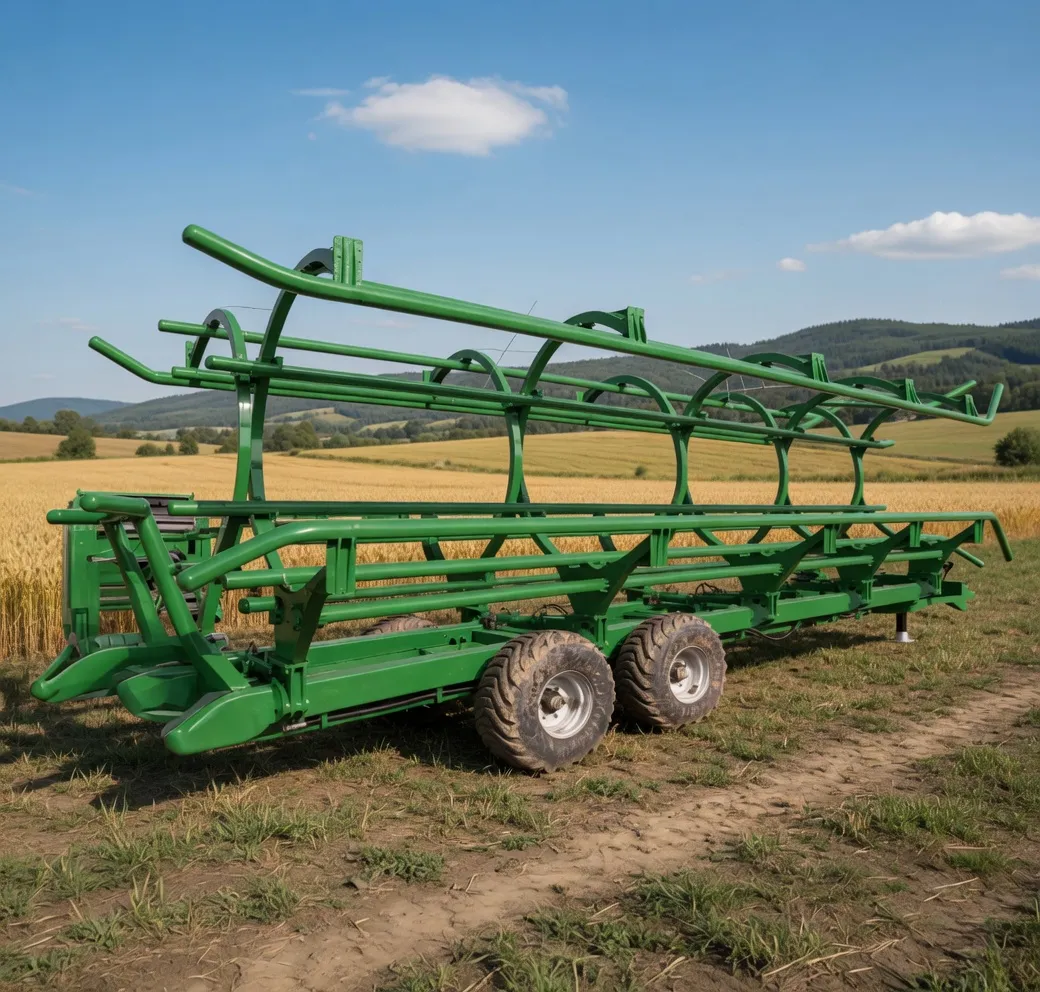
AUD $0.83 per bale total stacking cost versus AUD $2.00 per bale manual — a 59% reduction at current labour rates. Payback within the first season for operations above 8 stacking days per year. 640 bales per day versus 480 manual — 33% more throughput with half the crew. Available from EverPower’s Condell Park NSW warehouse with Australia-wide delivery.
Frequently Asked Questions
AUD $0.83 Per Bale. Every Stacking Day.
EverPower can help you calculate the annual saving for your specific stacking volume and labour rate before you decide.
EverPower Baling Machinery Australia Pty Ltd | 27 Harley Crescent, Condell Park NSW 2200
📞 +61 2 9708 3322 | ✉️ [email protected]