
Dry Matter Loss in Wrapped Bales: Lower Than Unwrapped — But Not Zero
Film wrapping reduces bale dry matter losses from the 15–35% range typical of outdoor-stored unwrapped hay down to 3–8% over a 12-month storage period. This is a significant improvement, but it is not zero — and on many operations, 3–8% is worse than the best achievable outcome. Operations that understand where the remaining losses come from and take targeted steps to minimise each source consistently achieve storage DM losses below 4% on high-moisture silage and below 2% on well-managed hay baleage. The difference between a 3% loss and a 7% loss on 300 bales of lucerne hay valued at AUD $550/tonne is approximately AUD $5,100 — a figure that justifies investing attention in each of the five primary loss pathways that remain relevant even after film wrapping is adopted.

Film wrapping is the single most effective intervention for reducing bale storage losses — but the five factors that drive losses within a wrapped-bale system are distinct from those in open storage and require their own management approach.
Loss Source 1: Pre-Wrap Aerobic Fermentation
Every minute between bale ejection and film wrapping, aerobic bacteria and plant cell respiration consume fermentable sugars and generate heat and CO₂. This process is irreversible — sugars consumed before wrapping cannot be recovered by the subsequent anaerobic fermentation phase. The DM loss rate during the pre-wrap window is approximately 0.1–0.5% of bale dry matter per hour for high-moisture silage crops and 0.02–0.1% per hour for drier hay.
Reduction strategy: Wrap within 2 hours of baling for crops above 50% moisture. For drier crops (baleage at 30–45%), the same-day wrapping target is adequate. Have the 9YCM-850 positioned in the paddock and operational before baling begins — waiting for the wrapper to be retrieved from the shed while bales accumulate unwrapped eliminates the benefit of the 2-hour target. On high-output baling days where the wrapper cannot keep pace with the baler, prioritise wrapping the earliest-ejected bales first.
Loss Source 2: Fermentation Phase Losses
Even after wrapping, a period of fermentation occurs inside the bale as oxygen is consumed and lactic acid bacteria establish. This fermentation phase consumes 2–5% of bale dry matter in the form of CO₂ and heat — losses that are inherent to the ensiling process and cannot be eliminated. However, they can be minimised by managing the fermentation quality: a rapid pH drop driven by a large population of lactic acid bacteria minimises total fermentation time and keeps CO₂ production to the minimum required for oxygen exclusion.
Reduction strategy: Use high-density bales. Dense bales have less inter-stem air space, meaning less oxygen to consume before anaerobic conditions are established and less total fermentation gas production. Ensure the baler’s chamber pressure is set to maximum density before a silage day. Consider a bacterial inoculant applied at baling for high-moisture crops — inoculants provide a concentrated dose of homofermentative LAB that drives pH down faster, reducing both the fermentation duration and the associated DM losses by 0.5–1.5%.
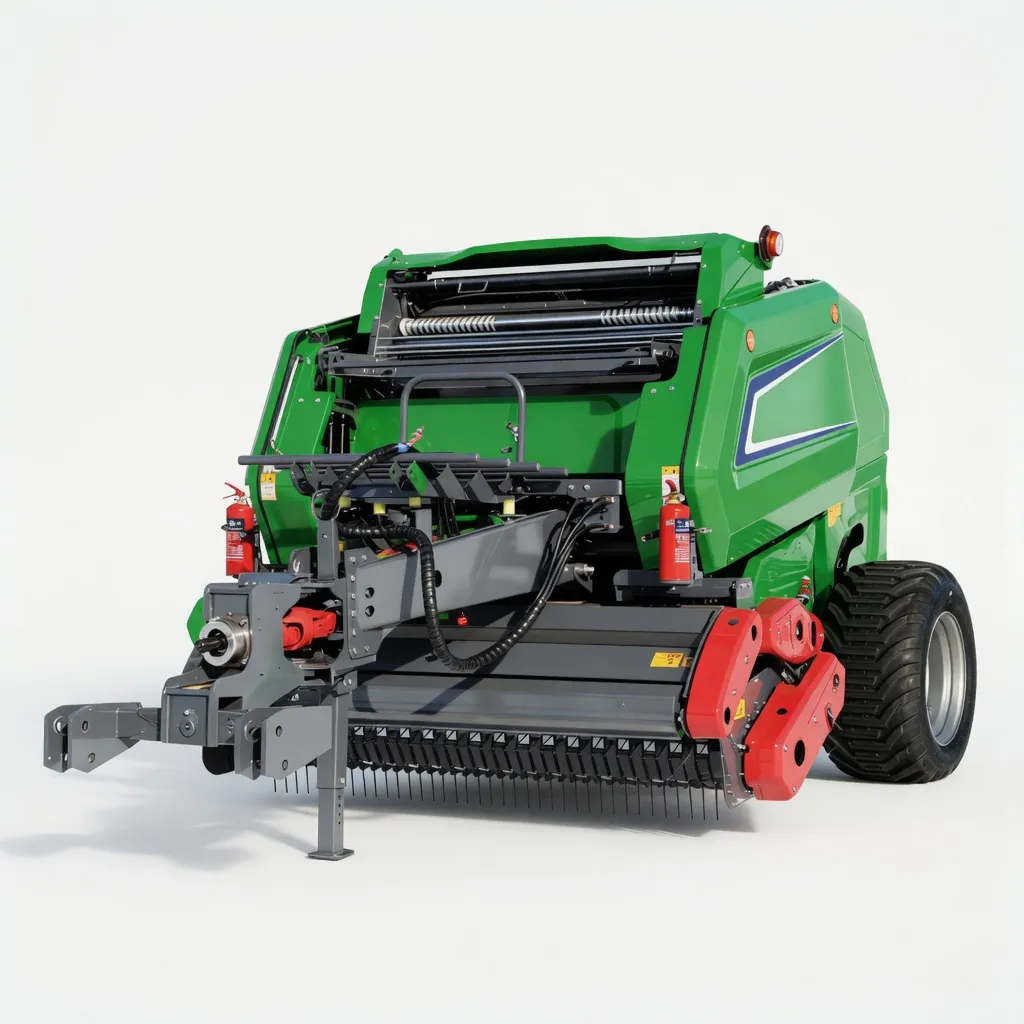
Bale density is the most controllable variable in fermentation loss management — a denser bale has less oxygen to consume, faster pH drop, and lower total fermentation DM loss than a loose bale of the same crop.
Loss Source 3: Film Puncture and Oxygen Ingress
A single puncture through the full film wrap creates a point of oxygen ingress. Aerobic bacteria recolonise the zone around the puncture, consuming DM and generating heat in a cone-shaped spoilage zone that radiates outward from the puncture site. In temperate conditions, a 5 mm puncture hole can spoil a cone of silage 200–400 mm in diameter within 4–6 weeks if not repaired. Silage tape applied within 24 hours of discovering a puncture stops the ingress before significant spoilage depth is reached.
Reduction strategy: Choose a sheltered storage site free of sharp rocks, protruding stubble, and thorny vegetation. Apply 6 layers in areas with known bird activity. Conduct a weekly visual inspection of all stored bales during the first 8 weeks after wrapping — this is the highest-risk period when fermentation gases are present at concentrations that attract birds. Keep a roll of silage repair tape in the field kit at all times during the storage period. Repair any puncture immediately — delay of even 3–4 days in warm weather allows spoilage depth to extend beyond the tape repair zone.
Loss Source 4: Effluent Drainage
High-moisture bales (above 65% moisture) produce effluent — a mixture of plant cell sap and fermentation liquid that drains from the bale base under the pressure of the bale’s own weight. Effluent contains dissolved sugars, organic acids, and minerals; each litre of effluent that drains from a bale represents 50–80 g of dry matter lost from the ensiled crop. On very-high-moisture crops (70%+ moisture at baling), effluent DM losses can reach 2–4% of total bale DM over the first 4 weeks of storage.
Reduction strategy: Wilt the crop before baling to reduce moisture to below 60%, which eliminates most effluent production. If wilting is not possible due to weather, store bales on a slope with good drainage so effluent runs away from the bale base rather than pooling. Do not bale at above 70% moisture — at this moisture level, both effluent losses and poor fermentation quality combine to produce silage with inferior preservation and feeding value.
Loss Source 5: Feed-Out Aerobic Deterioration
When a wrapped bale is opened for feeding, the preserved anaerobic environment is broken and aerobic conditions are re-established at the exposed face. Yeasts and moulds begin consuming fermentation acids and then dry matter within hours of film removal. A bale opened on Monday morning and fed over 5 days loses significantly more DM from the exposed face than a bale opened and completely consumed within 24 hours.
Reduction strategy: Open bales only when ready to feed and feed out quickly. Do not partially open a bale and then rewrap — partial rewrapping does not restore the original seal quality and aerobic deterioration continues. Size bale batches to match daily feed requirements so the minimum number of partially open bales are exposed at any one time. In hot weather (above 25°C), aerobic deterioration rate at the bale face approximately doubles — plan shorter feed-out periods accordingly.
Summary: Best Practices for Minimum DM Loss
Recommended Product: 9YCM-850 Bundling Film Wrapping Machine
60–90 second cycle time enables wrapping within 2 hours of baling — the single most impactful timing intervention for reducing pre-wrap DM losses. Adjustable 4–6 layer wrap for optimised puncture protection. 55–70% film pre-stretch for tight oxygen-excluding barrier. Handles 1,000–1,600 mm round bales. Available from EverPower’s Condell Park NSW warehouse with Australia-wide delivery.
Frequently Asked Questions
Minimise Every Loss Pathway. Keep More of What You Grew.
EverPower can advise on wrapping timing, layer count, and storage site preparation to achieve the lowest possible DM loss for your crop and conditions.
EverPower Baling Machinery Australia Pty Ltd | 27 Harley Crescent, Condell Park NSW 2200
📞 +61 2 9708 3322 | ✉️ [email protected]