
Twine Tails Are a Tying System Fault — Usually a Simple One
A round bale with trailing twine tails is more than a cosmetic annoyance. Long tails get caught in the next bale’s net wrap or twine, tangle around the pickup tines on the next windrow pass, and in the worst case wrap around a PTO shaft if they trail behind the baler as it moves. In silage operations, loose twine ends create film puncture risks when the bale is wrapped. The good news is that twine tails are almost always caused by one of three specific system faults — none of which require specialist knowledge to diagnose and fix. Most can be resolved in under 30 minutes at the side of the paddock with the tools in the tractor’s kit.
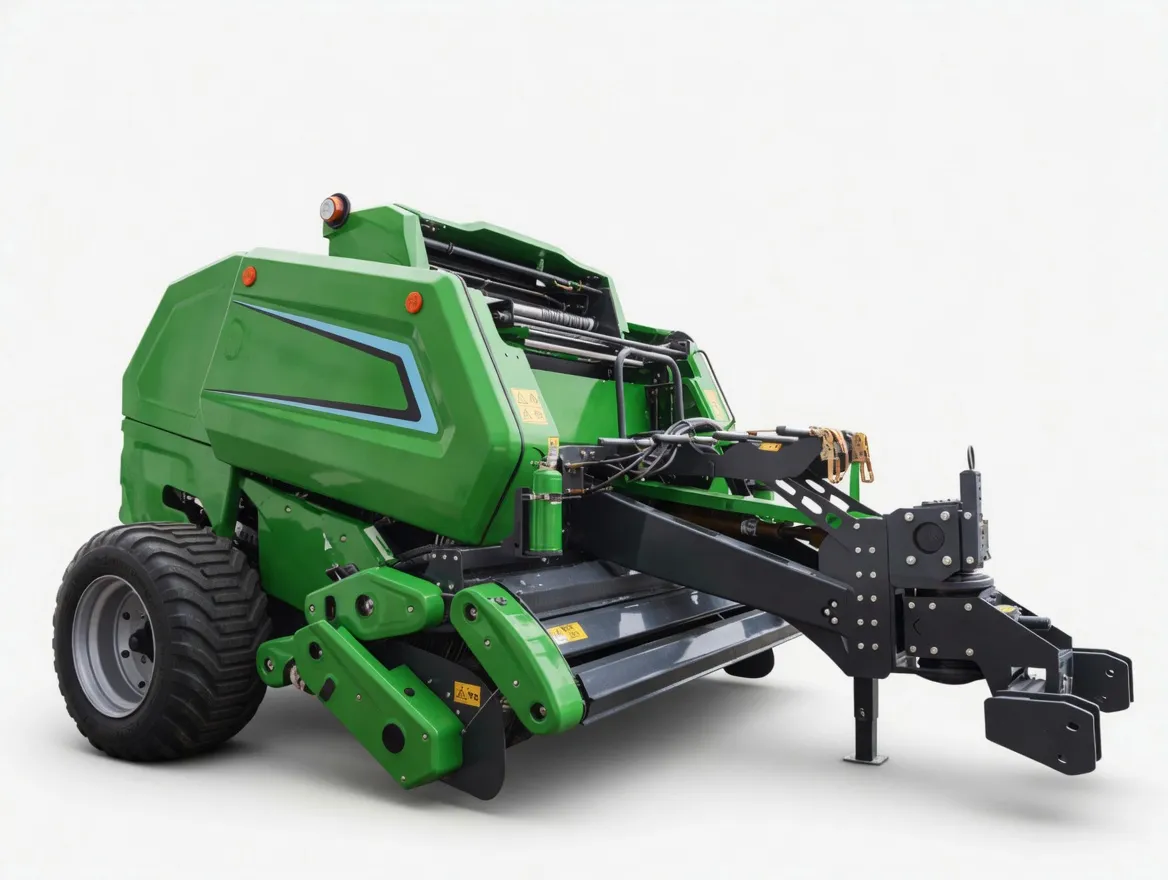
The twine tying system is one of the most mechanically precise components on a round baler — small amounts of wear, misalignment, or foreign material contamination produce consistent tying faults that are straightforward to diagnose.
How the Round Baler Twine System Works
Most round balers using twine as the binding medium use a knotting mechanism similar to the classic square baler knotter — a billhook (rotating hook), a twine holder, and a stripper that cooperate to form a knot at a precise point in the bale ejection cycle. The twine feeds from a spool through a tensioner, down to the needle, which threads the twine through the chamber at the correct moment. The billhook catches the two twine strands — the one running to the bale and the new strand feeding from the needle — and rotates to tie the knot. The stripper then kicks the completed knot off the billhook while the knife cuts the twine to separate the tied-off bale from the new feeding strand.
A tail appears when any step in this sequence is incomplete or mistimed: the knot does not form (the billhook misses the strand), the knot forms but the stripper does not clear it off the billhook (the tail is a loop of failed knot), or the knife does not cut cleanly (the tail is a length of uncut twine). Each cause has a specific signature and a specific fix.
Cause 1: Worn or Damaged Billhook
Symptom: Tails appear on every bale or intermittently across a session. When the tail is examined, it consists of an untied loose end — the knot was not formed at all.
The billhook is a precision-machined component with a curved profile that catches the twine strand at an exact angle. Wear on the tip or the catch groove reduces the hook’s ability to reliably engage the twine — it slips past the strand rather than catching it. Billhook wear is progressive; early wear produces intermittent tails that become consistent as wear increases.
Check: Inspect the billhook tip and groove under good light — any rounding of the tip or opening of the groove beyond its original profile indicates wear. Compare against a new billhook if available. The catch groove should have a sharp, well-defined inner edge; a rounded groove allows twine to slip out during the rotation that forms the knot.
Fix: Replace the billhook. On most round balers, billhook replacement requires removing 2–3 bolts and threading the new hook onto the drive shaft — a 20-minute job. Do not attempt to sharpen or reshape a worn billhook — the geometry is precision-critical and hand reworking almost always makes the problem worse.
Cause 2: Twine Tensioner Set Incorrectly or Worn
Symptom: Tails appear intermittently. Bales have variable twine wrap quality — some tightly wrapped, some with loose wraps and tails on the same session. The tail end is often a consistent length (50–150 mm), suggesting a timing rather than a miss issue.
Twine tension during the knotting cycle is critical — the knot must be formed under correct tension to tighten into a secure loop rather than remaining loose and slipping off the bale or the billhook. A tensioner spring that is weakened (insufficient tension) or stuck (inconsistent tension) produces variable knotting quality across a session. Low tension also allows the twine to sag during the needle pass, which can cause the needle to miss the billhook’s catch position.
Fix: Check tensioner spring tension against specification (usually a specific spring length under stated load, given in the operator manual). Replace the spring if it is below spec. Inspect the tensioner disc or fingers for wear and crop debris — wet, sticky crop material builds up in the tensioner and changes its effective clamping force. Clean with compressed air and a stiff brush before inspecting the spring condition.
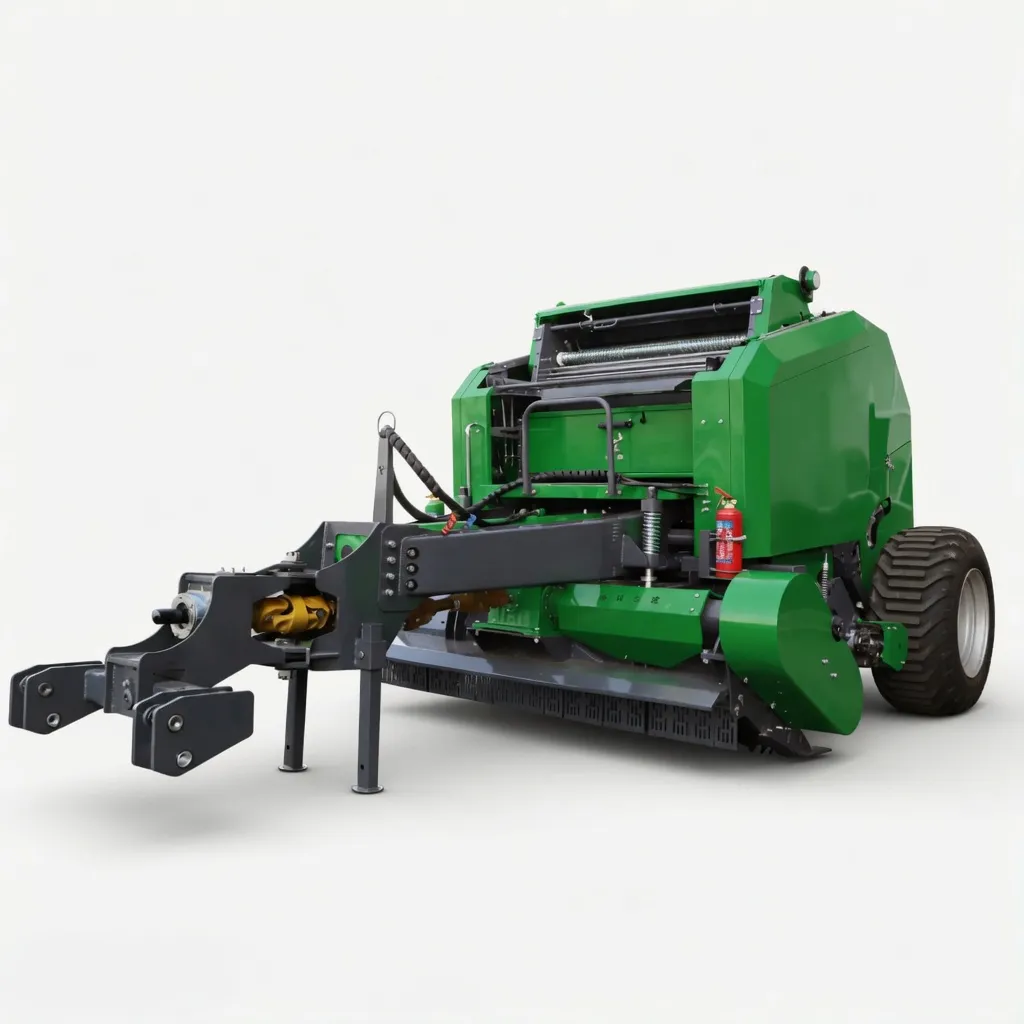
The twine system on a round baler is mechanically precise — pre-season cleaning, billhook inspection, and tensioner checks take under 30 minutes and prevent the majority of in-season tying faults.
Cause 3: Twine Knife Dull or Mispositioned
Symptom: The knot forms correctly (the bale is tied) but a long tail of uncut twine hangs from the knot. The tail length is often consistent — 100–300 mm — because it represents the twine length between the knife position and the knot formation point.
The twine knife must be sharp enough to sever the twine cleanly and positioned correctly relative to the billhook so it cuts at the right moment in the knot formation cycle. A dull knife deflects the twine rather than cutting it — the twine breaks eventually under tension as the bale ejects, leaving a frayed tail. A knife that is correctly sharp but slightly out of position may cut the twine a fraction late, leaving a longer tail than expected.
Fix: Inspect the knife edge — it should be sharp enough to cleanly cut twine under moderate hand pressure. Replace or resharpen if the edge is rounded or chipped. Check knife position against the manufacturer’s specification — usually a precise gap measurement between the knife edge and the billhook at the cut point in the cycle. Adjust the knife mounting if the gap is outside specification.
Cause 4: Wrong Twine Type or Quality
Symptom: Tails appear only with a particular twine brand or after switching to a new twine lot. The tying mechanism was previously working correctly.
Twine diameter, surface texture, and elongation under tension all affect how reliably the knotting mechanism forms a knot. A twine that is slightly thicker than the baler’s design specification may not feed correctly through the needle eye, causing misfeeds. Twine with excessive wax or lubrication coating can slip off the billhook during knot formation. Twine with low tensile strength breaks before the knot is fully formed, producing a tail.
Fix: Check that the twine specification matches the baler manufacturer’s recommendation for twine diameter, tensile strength (typically 130–180 kg breaking load for standard round balers), and material (polypropylene or sisal, depending on baler design). If tails appeared after switching to a new twine brand, revert to the previous brand and test — if tails stop, the new twine is the cause regardless of whether it meets nominal specification.
Preventing Twine Tails: The Pre-Season Checklist
Recommended Product: EverPower 9YG Series Round Balers
Replacement billhooks, twine knives, tensioner springs, and needle assemblies for EverPower 9YG series round balers stocked at Condell Park NSW for same-day dispatch. Contact EverPower at +61 2 9708 3322 or [email protected] for twine system parts and pre-season service support across Australia.
Frequently Asked Questions
No More Twine Tails. Find the Fault in 30 Minutes.
EverPower can help diagnose twine system faults and dispatch the right replacement parts for your 9YG series baler.
EverPower Baling Machinery Australia Pty Ltd | 27 Harley Crescent, Condell Park NSW 2200
📞 +61 2 9708 3322 | ✉️ [email protected]