For Silage, Net Wrap Is Not Just Convenient — It Is Technically Superior
The debate between net wrap and twine on round balers often centres on cost per bale, ease of application, and personal preference. For hay bales stored dry, these factors genuinely matter and twine remains a competitive choice. But for silage bales that will be film-wrapped and stored under anaerobic conditions, the comparison looks completely different. Net wrap provides specific advantages at the interface between the bale surface and the film wrap that twine cannot match — advantages that directly affect fermentation quality, film application quality, and storage loss rates. This article explains why, for any bale destined for silage wrapping in Australian conditions, net wrap is the technically superior binding choice and how the difference shows up in measurable outcomes at feed-out.
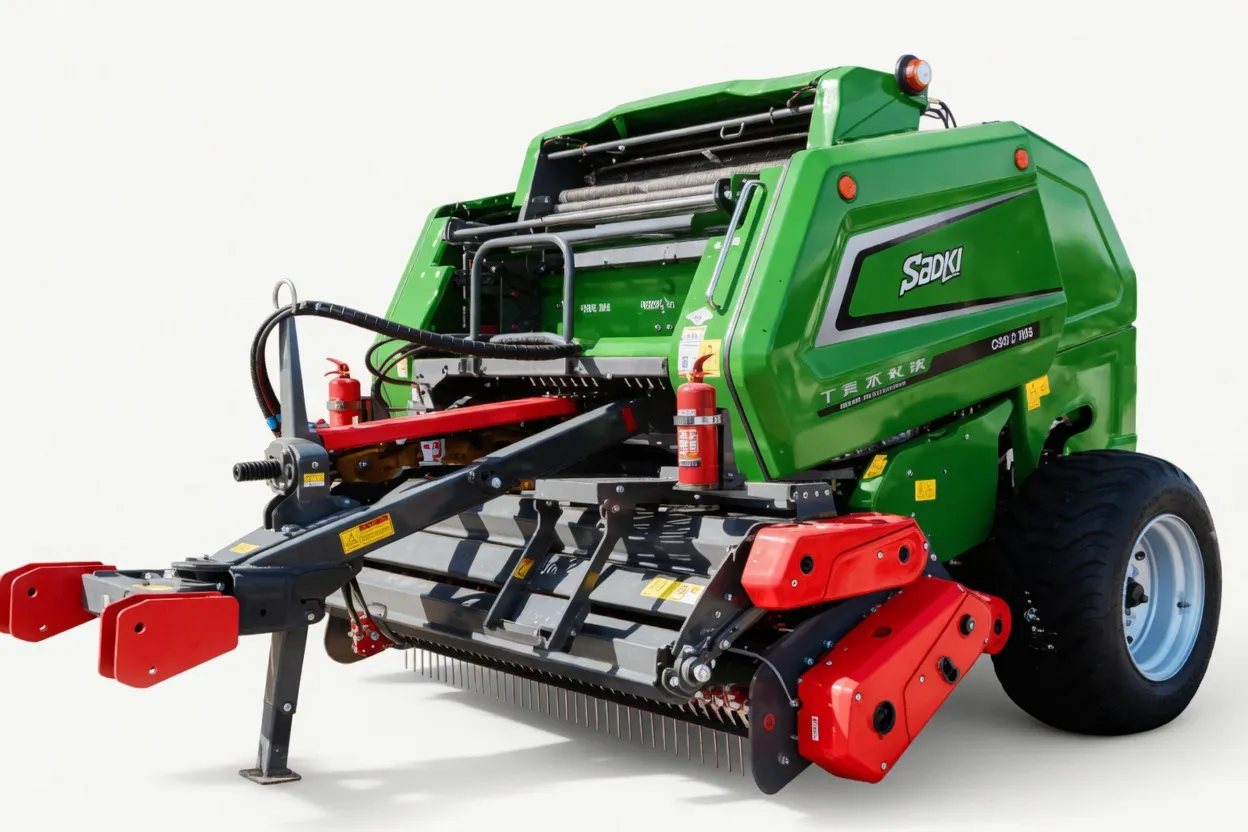
Net wrap creates a uniform, smooth bale surface that is essential for consistent film application — twine leaves ridges and gaps that compromise the oxygen barrier at the bale surface under the film.
Advantage 1: Bale Shape Retention
A net-wrapped bale holds its cylindrical shape after ejection from the chamber because the net covers the entire bale surface — every square centimetre of the bale exterior is held in compression by the net mesh. A twine-wrapped bale holds its shape only where the twine strands make contact, with unsupported zones between the strands where the bale surface can bulge outward under gravity and the internal pressure of the compressed crop.
For silage wrapping, bale shape directly affects film application quality. A true cylinder presents a consistent surface distance from the film arm throughout rotation, producing uniform film tension and consistent layer thickness across the bale surface. A twine-wrapped bale with bulged zones between strands presents a variable surface distance — the film arm must accommodate both the strands (closer) and the bulge zones (further) in the same rotation. The film alternates between over-tension (at strands) and slack (at bulges), reducing the consistency of the oxygen barrier at the bulge zones.
Advantage 2: Fewer Bale Cycles to Wrap — Faster Wrapping
Net-wrapped bales are ready for the wrapper immediately after ejection — there is no risk of the net tail wrapping around the bale or trailing behind to tangle with the wrapper table rollers. Twine-wrapped bales often have loose twine tails that must be tucked or trimmed before placing on the wrapper table to prevent the twine from wrapping around the table rollers mid-cycle and causing a jam. On a high-output baling day wrapping 100+ bales, this additional handling step per bale accumulates to significant lost time.
Additionally, net-wrapped bales eject more consistently from the baler gate — the net provides even restraint across the bale surface that releases uniformly when the gate opens. Twine-wrapped bales can stick asymmetrically at the twine contact points during ejection, occasionally rolling awkwardly off the gate and requiring repositioning before the wrapper table can accept them cleanly.
Advantage 3: Reduced Pre-Wrap Aerobic Losses
A net-wrapped bale has lower oxygen exchange at its surface than a twine-wrapped bale in the period between baling and wrapping. The net mesh covers 30–40% of the bale surface with a physical barrier — not an oxygen-tight barrier, but enough to reduce the exposed crop surface area and slow the rate of aerobic respiration. For high-moisture silage crops where pre-wrap aerobic losses run at 0.2–0.5% DM per hour, even a 20–30% reduction in exposed surface translates to meaningful DM preservation in the pre-wrap window.
This advantage is most significant on operations where the wrapper cannot keep up with the baler — when bales sit for 2–4 hours before wrapping rather than the ideal 30–60 minutes. A net-wrapped bale sitting for 3 hours in summer heat retains meaningfully more fermentable sugars than an equivalent twine-wrapped bale, because the net reduces the aerobic surface area throughout the waiting period.
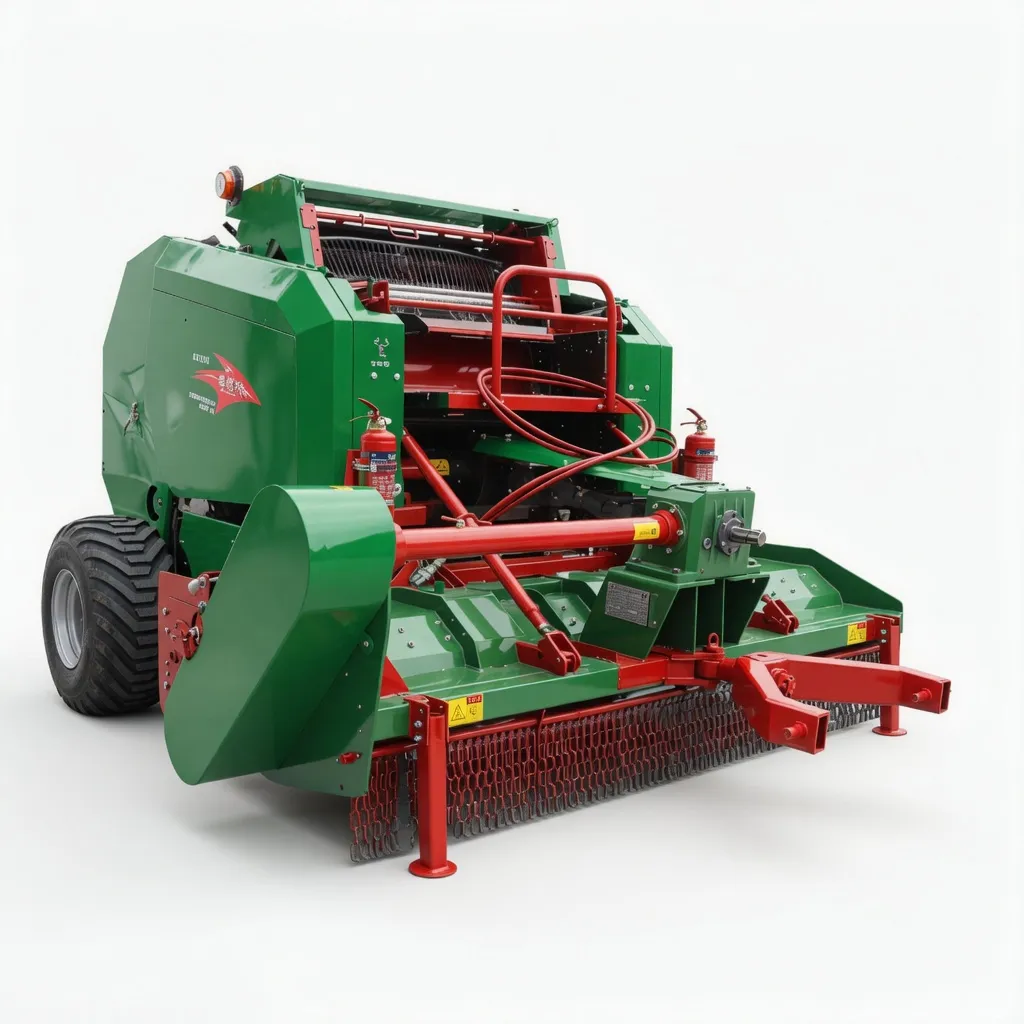
In Australian silage operations where high-moisture crops are baled in warm conditions, the pre-wrap protection provided by net wrap can meaningfully reduce aerobic losses between baling and wrapping.
Advantage 4: Smoother Film Application Surface
The twine strands on a twine-wrapped bale create raised ridges on the bale surface — typically 5–10 mm above the crop surface at each strand. When the silage film passes over these ridges, the film is locally stressed at the ridge point as it must flex around the ridge profile rather than lying flat. These stress points are potential initiation sites for film puncture — a twine ridge under the film concentrates the bending stress from any external contact (handling, bird beak, ground contact) at exactly the point where the film is already stressed from the ridge below.
Net wrap creates a surface with a very fine mesh texture — individual mesh strands are typically 1–2 mm in diameter and present a much lower surface profile than twine. The film applied over net wrap lies essentially flat, with no stress concentration points from the binding material below. This smoother application surface reduces the initiation rate of film punctures from external contact forces and contributes to lower overall spoilage rates in long-term storage.
When Twine Still Makes Sense
Twine remains appropriate for bales that will be stored as dry hay rather than wrapped as silage. For hay bales stacked in a shed, the binding material’s interaction with film is irrelevant — shape retention, pre-wrap aerobic losses, and film application surface quality are not relevant concerns. Twine is cheaper per bale than net wrap (typically AUD $0.30–$0.60 per bale for twine versus AUD $0.90–$1.50 per bale for net wrap), and for dry hay operations where wrapping is not involved, this cost difference is straightforwardly relevant.
For any bale destined for film wrapping, the additional cost of net wrap — approximately AUD $0.60–$0.90 per bale over twine — is justified by the improvements in film application quality and reduced pre-wrap losses described above. The break-even is well within the first 20–30 cm³ of fermentable sugar preserved at the pre-wrap stage.
Recommended Products: EverPower Round Balers with Net Wrap

EverPower 9YG series round balers are available with net wrap binding systems for silage operations. Net wrap application ensures consistent bale shape for uniform film application, reduces pre-wrap aerobic losses in the baling-to-wrapping window, and eliminates twine tail complications at the wrapper table. Contact EverPower at +61 2 9708 3322 to confirm net wrap availability on specific 9YG models.
Frequently Asked Questions
Better Silage Starts With Better Binding. Use Net Wrap.
EverPower can advise on net wrap configuration for your 9YG series baler and confirm compatibility for your silage operation.
EverPower Baling Machinery Australia Pty Ltd | 27 Harley Crescent, Condell Park NSW 2200
📞 +61 2 9708 3322 | ✉️ [email protected]