
A Clean Cut in Ryegrass Is a Setup Decision, Not a Speed Decision
Ryegrass is one of the most demanding crops for a traction mower. Its fine-stemmed, dense canopy requires a blade that is consistently sharp and running at the correct tip speed to sever rather than tear the stems — torn stems have ragged edges that trap moisture, slow wilting, and create entry points for fungal contamination during the critical pre-baling drying period. Ryegrass paddocks also present an uneven surface challenge: the thick mat of perennial ryegrass can hide rocks and soil mounds that cause blade strike events, which both blunt the blade and create dangerous projectile hazards. Getting a clean cut consistently on ryegrass requires the right combination of blade condition, cutting height, forward speed, and terrain management — all of which are adjustable decisions before and during the mowing run. This guide covers each of these variables specifically for ryegrass in Australian conditions with a traction single-blade mower such as the 9GD-2.5.
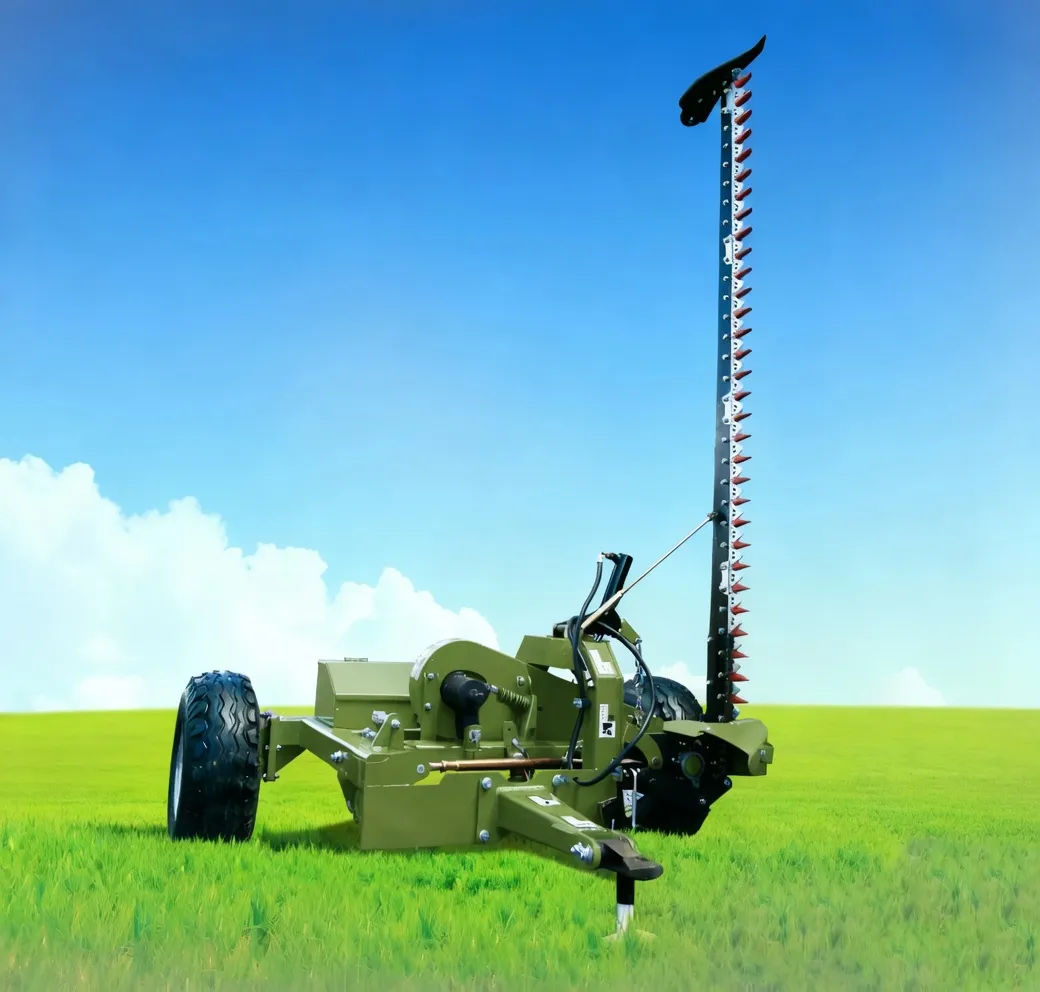
A clean cut on ryegrass starts with a sharp blade running at the correct height — blade condition and cutting height setting are the two variables with the greatest impact on cut quality in dense perennial ryegrass swards.
Variable 1: Blade Condition
The blade is the most critical variable for cut quality in ryegrass, and the one that changes most during a mowing session. A new or freshly sharpened blade severs ryegrass stems cleanly at the point of contact — the cut surface is smooth and the stem ends close quickly in dry conditions, minimising the surface area exposed to moisture and contamination. A dull blade tears rather than cuts — the stem is crushed and split before it is separated, creating a frayed end with large surface area that wicks moisture and slows wilting by 15–30% compared to a clean-cut end.
Blade inspection: On the 9GD-2.5 traction mower, inspect the blade edge before each mowing day. The cutting edge should show a consistent bevel with a defined edge line. A blade that has been used without resharpening for more than 8–10 hectares of ryegrass will show visible edge rounding, impact chips from stone strikes, and possibly blade bending at the tip. Any of these conditions requires sharpening or blade replacement before the current mowing run.
Sharpening frequency for ryegrass: Ryegrass is more abrasive than cereal hay due to the silica content in the leaves and sheaths. In commercial ryegrass silage operations, blade sharpening or replacement every 8–12 hectares is a common practice. This sounds frequent, but the time cost of sharpening (15–20 minutes) is far less than the lost wilting time and quality impact of mowing 20+ hectares with a progressively duller blade.
Blade balance after sharpening: Always balance the blade after sharpening. An unbalanced blade causes vibration that accelerates bearing wear in the mower head and produces an uneven cutting action — the blade descends faster on one side than the other at each rotation, creating a wavy cut height that can miss portions of the sward between blade contacts.
Variable 2: Cutting Height
Cutting height for ryegrass hay and silage involves a compromise between yield (lower height = more dry matter harvested) and regrowth speed (higher cut height = more leaf area remaining for photosynthesis = faster regrowth for the next cut). For silage and hay quality, cutting height also affects contamination: cutting too low brings the blade close to soil level, increasing stone strike frequency and the amount of soil material picked up by the blade and deposited in the cut material.
The recommended cutting height for perennial ryegrass in Australian hay and silage operations is 60–80 mm above ground level. This height provides: adequate clearance above the typical stone and soil surface protrusion level (50–60 mm); sufficient stem length in the cut material for rake and pickup performance; and a consistent leaf base remaining for vigorous regrowth. Below 50 mm increases stone strike frequency significantly in most Australian paddocks, particularly in regions with embedded surface stones or plow pans. Above 90 mm reduces dry matter yield per cut and can create a mat of horizontal stems that does not wilt evenly.
On the 9GD-2.5, cutting height is set by adjusting the height of the skid shoes or gauge wheels on each side of the mower head. Set height equal on both sides — a mower that is set higher on one side produces a diagonal cut that leaves an uneven stubble height and creates uneven windrow density.
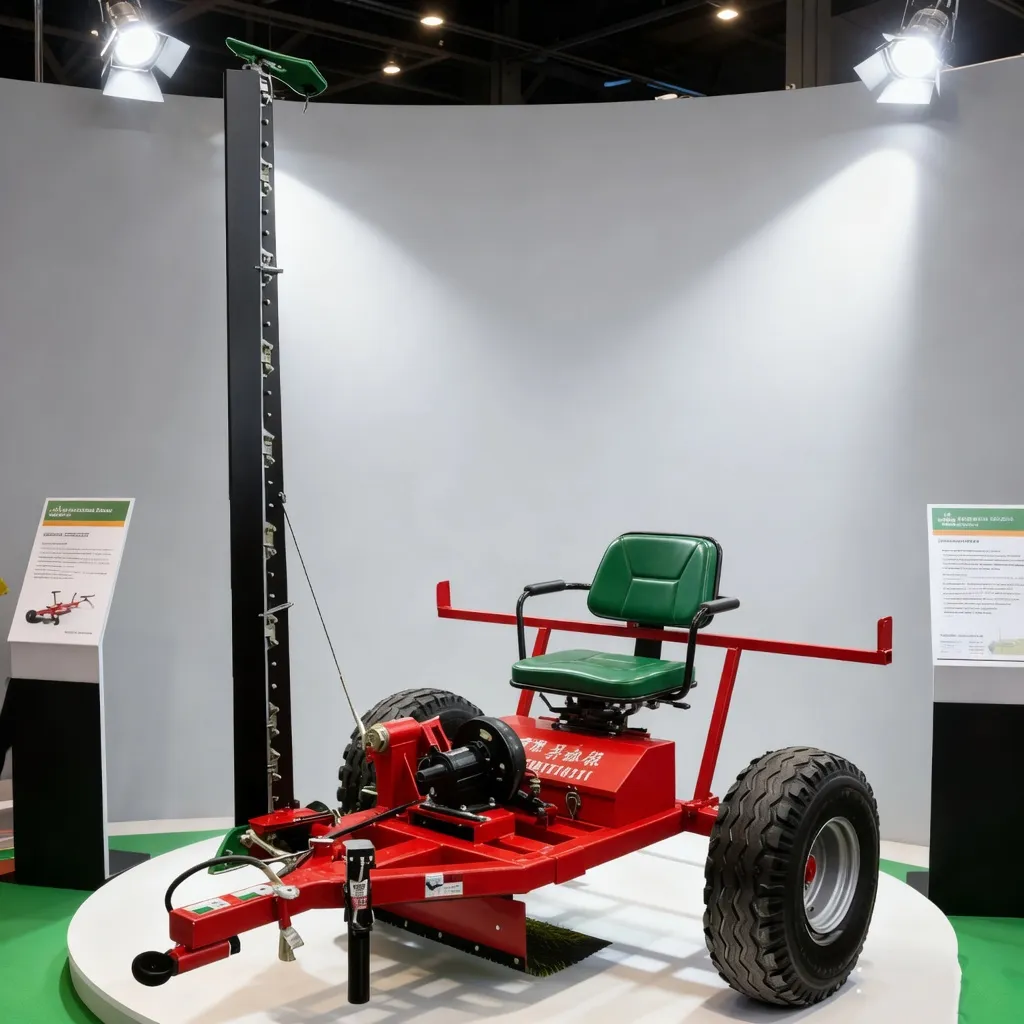
Cutting height on the 9GD-2.5 is set via the skid shoes — equal height on both sides ensures a level cut across the full 2.5-metre cutting width, producing even stubble height and consistent windrow density for downstream raking and baling.
Variable 3: Forward Speed
Forward speed affects cut quality in ryegrass through two mechanisms. First, it determines the density of blade contacts per unit area — slower forward speed with the same blade RPM produces more blade passes per metre of travel, reducing the possibility that any stem escapes contact. Second, it determines the angle at which the blade tip approaches the stem — faster forward speed increases the approach angle, which can cause the blade to deflect dense ryegrass stems sideways rather than engaging them cleanly.
For dense perennial ryegrass at full development (3–4 tonnes DM/hectare), the recommended forward speed on the 9GD-2.5 is 8–12 km/hr. Above 12 km/hr in a dense sward, stem deflection increases and cut quality visibly deteriorates — you can see uncut stems in the swath and feel the mower hunting for material as it passes through the sward. Below 8 km/hr in a normal standing sward provides no additional cut quality benefit and reduces daily output without justification.
In lodged or flattened ryegrass — where the sward has blown over and lies at an angle rather than standing upright — reduce speed to 6–8 km/hr and approach at a slight angle to the direction of lodging. A blade that encounters lodged ryegrass at right angles tends to push the lodged stems further flat rather than lifting and cutting them. Approaching at 30–45 degrees to the lodging direction lifts the stems partially before blade contact and significantly improves cut completeness in difficult conditions.
Variable 4: PTO Speed and Blade Tip Speed
Blade tip speed is the primary determinant of cutting mechanism — too slow and the blade deflects rather than severs, too fast and the blade creates excessive crop shatter and turbulence that disturbs the windrow. The 9GD-2.5 is designed for operation at 540 RPM PTO speed, which delivers the blade tip speed required for clean cutting in standard ryegrass and hay crops. Operating at less than 480 RPM PTO — due to engine load or operator error in gear selection — reduces blade tip speed below the threshold for clean cutting and produces the torn-end symptom despite a sharp blade.
Confirm PTO speed by tractor engagement — the tractor should be in the PTO engagement position that delivers 540 RPM at the PTO shaft for the 9GD-2.5. If tractor engine load causes PTO speed to drop below 500 RPM when entering heavy ryegrass, reduce forward speed to reduce crop resistance rather than accepting below-specification PTO speed.
Stone Management: Protecting the Blade in Ryegrass Paddocks
Stone strikes are the primary cause of acute blade damage and the safety hazard most specific to ryegrass mowing in Australian conditions. Dense ryegrass swards hide stones that would be visible in cereal stubble — the thick canopy conceals everything at ground level. Pre-mowing paddock checks — walking the first two passes of each field at slower speed, noting stone positions, and removing accessible surface stones before mowing — take 20–30 minutes and prevent the majority of blade damage events that can otherwise occur multiple times per day in stony paddocks.
The 9GD-2.5 is fitted with a blade strike protection system — a slip bolt or breakaway mount that allows the blade to deflect when it contacts a solid object, rather than transmitting the full impact force to the blade shaft and gearbox. Confirm this protection system is functioning correctly at the pre-season service. After any significant stone strike event, stop and inspect the blade for chipping, bending, and balance before continuing — an unbalanced blade after a stone strike causes vibration that accelerates mower head bearing failure within hours of continued operation.
Recommended Product: 9GD-2.5 Traction Single-Blade Mower
2.5-metre cutting width traction single-blade mower for ryegrass, lucerne, cereal hay, and mixed pasture. 540 RPM PTO drive. Adjustable cutting height via skid shoes. Blade protection system for stone-strike resistance. Replacement blades, blade bolts, skid shoes, and mower head bearing kits stocked at EverPower’s Condell Park NSW warehouse. Available Australia-wide.
Frequently Asked Questions
Sharp Blade. Right Height. Clean Cut Every Pass.
EverPower stocks replacement blades and mower parts for the 9GD-2.5 and can advise on setup for your specific ryegrass paddock conditions.
EverPower Baling Machinery Australia Pty Ltd | 27 Harley Crescent, Condell Park NSW 2200
📞 +61 2 9708 3322 | ✉️ [email protected]