
Baler Plugging in Wet Conditions Is Predictable — and Preventable
Baler plugging in wet or high-moisture conditions is one of the most time-consuming and frustrating operational problems in Australian silage and autumn hay production. A plug can take 20–60 minutes to clear safely, the crop continues lying in the paddock deteriorating while the baler is stationary, and repeated plugging across a season costs hours of production time and significant wear on the intake and feed systems. Yet plugging is not a random event — it has specific, identifiable causes that can be addressed before the season starts and managed operationally during high-risk baling days. Understanding the mechanics of why plugs form is the foundation for the preventive measures that keep the baler running through wet grass, lodged cereal crops, and high-tonnage silage windows.
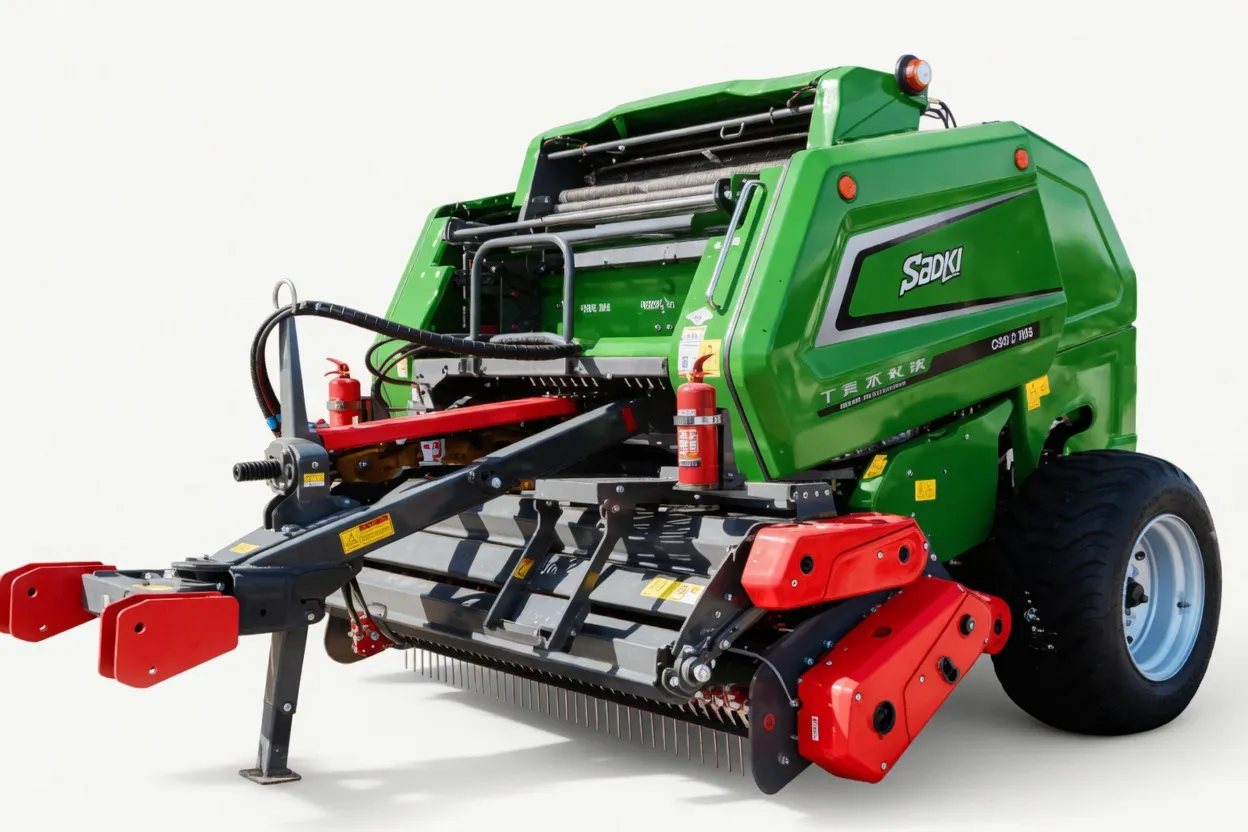
Wet conditions are the highest-risk scenario for round baler plugging — the combination of high crop mass, increased intake resistance, and mat-forming material properties creates exactly the conditions under which the feed system overloads.
Why Wet Conditions Cause Plugging: The Mechanics
A round baler plug forms when more material enters the intake than the feed system can pass into the chamber in the same time period — material accumulates in the intake throat until it becomes packed solid and stalls the pickup, auger, or feed rotor. In dry conditions, this is an unusual event because dry crop flows freely and the intake components can handle brief surges without overloading. In wet conditions, three factors combine to make plugging far more likely.
Higher mass per unit length of windrow: Wet grass is 2–3× heavier per metre of windrow than equivalent dry hay. A tractor moving at 8 km/hr through a wet 3-tonne/hectare windrow is presenting the pickup with substantially more mass per second than when moving at the same speed through dry hay.
Mat-forming behaviour: Wet grass stems flatten and mat together, creating a sheet of material rather than a loose flow of individual stems. Mats resist separation by the pickup tines and tend to fold over the intake edge in a single large mass rather than feeding in as a continuous stream. A single mat event can overload the intake instantly.
Increased resistance through the feed system: Wet material has higher friction against the auger flights, pickup tines, and feed rotor surfaces — the same components that move dry material easily encounter significantly more resistance with wet material, reducing their effective flow capacity at any given tractor speed.
Prevention Strategy 1: Reduce Forward Speed
The single most effective prevention for wet-condition plugging is reducing forward speed. Forward speed directly controls the mass flow rate into the pickup — halving the forward speed halves the mass entering the baler per second. Most operators intuitively slow down in wet conditions but stop at a speed that still exceeds the intake’s capacity with the specific crop mass they are encountering. The correct speed in wet conditions is not “slower than normal” — it is “slow enough that the intake never sounds loaded.” If the pickup sound changes from a consistent light hum to a strained, heavy tone, the speed is still too high for the conditions.
A practical rule for wet silage conditions: reduce forward speed to the point where you could maintain it comfortably indefinitely without a sense of urgency. For heavy, wet ryegrass at 3–4 tonne/hectare, this typically means 3–5 km/hr rather than the 6–10 km/hr possible in dry hay. The time cost of slower baling in wet conditions is far less than the time cost of a plug clearance every third or fourth bale.
Prevention Strategy 2: Pickup Tine Condition and Spacing
The pickup tines are the first contact point between the baler and the windrow. Worn or bent tines create uneven lifting action that allows mat sections to fold over the bar rather than being cleanly lifted and separated. In wet conditions, where the crop is heavier and more prone to matting, the difference between sharp-action tines and worn tines is the difference between smooth feeding and repeated intake surges that lead to plugging.
Check before wet-season baling: Walk along the pickup and confirm every tine is at the correct angle — bent tines that are angled backward rather than forward have reduced lifting efficiency. Check tine tips for wear — rounded tips are less effective at penetrating a wet mat than sharp tips. Replace any tine that is bent more than 10 degrees from its normal angle or that shows tip wear exceeding 20% of original length. Tine spacing should be uniform across the full pickup width — a missing tine creates a channel through which mats can fold without being lifted.
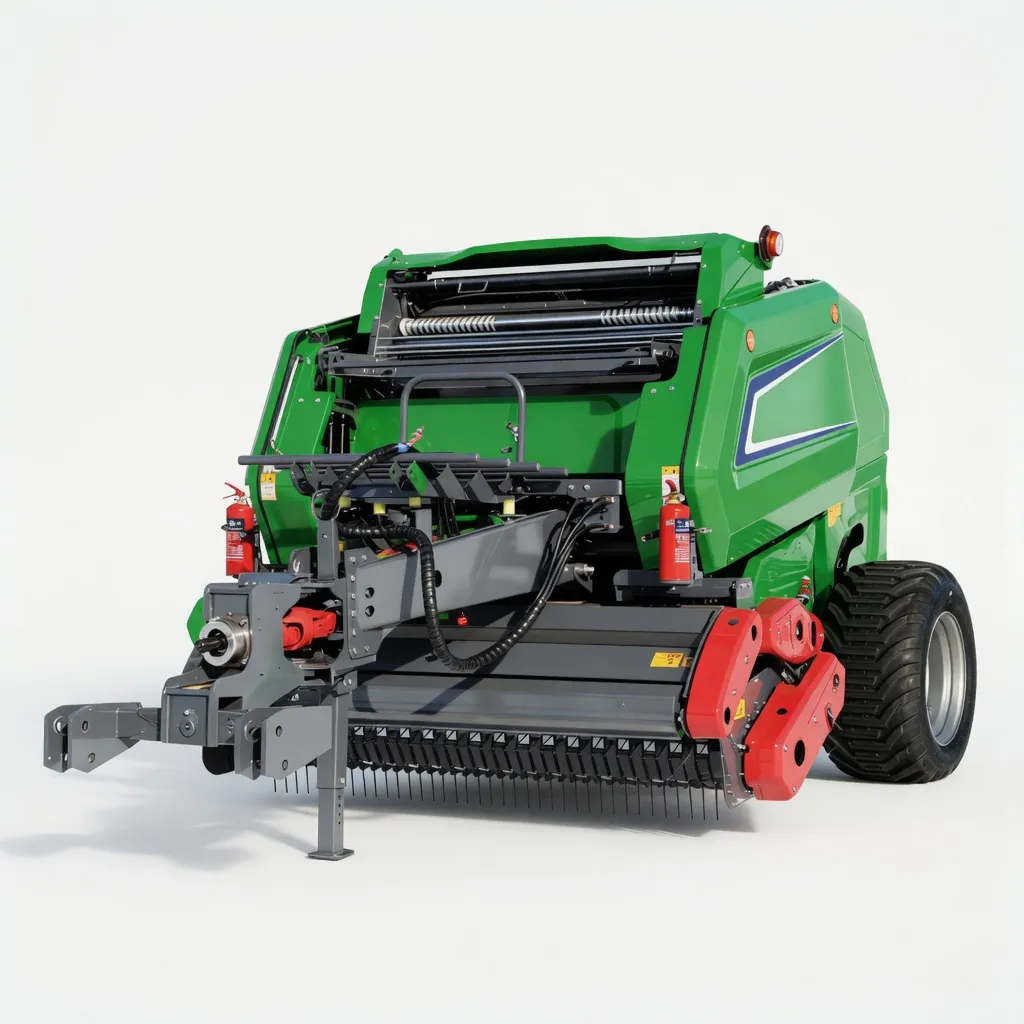
Pickup tine condition is the most important mechanical variable in wet-condition performance — worn or bent tines cannot reliably separate wet mats and create the intake surges that lead to plugging.
Prevention Strategy 3: Pickup Height Setting
Pickup height is the vertical distance between the ground and the bottom of the pickup arc. Too high and the pickup misses material lying flat on the ground — leaving a line of crop behind and creating an uneven windrow that the next pass must handle as a double load. Too low and the pickup scalps the soil surface, collecting soil, stones, and moisture-laden material that increases the plug risk and contaminates the silage.
In wet conditions, the optimal pickup height is slightly higher than in dry conditions — approximately 40–60 mm above the ground surface rather than 25–40 mm. This slightly higher setting reduces the tendency to pick up the bottom of the windrow where the densest, wettest material has settled, and reduces soil and stone pickup that increases intake resistance. It accepts a small amount of crop loss at the bottom of the windrow in exchange for a significantly smoother intake flow.
Prevention Strategy 4: Windrow Width and Density Management
A narrow, dense windrow concentrates all the crop mass into a section narrower than the pickup width, which means the centre of the intake receives far more material per second than the edges. This uneven loading creates a “rope” of crop that reaches the auger centre before the edges are engaged, overloading the central feed path and triggering a plug. In wet conditions, where the material is already more resistant to separation, this effect is amplified.
For wet silage baling: ensure the windrow width is at least 80% of the pickup width before entering with the baler. Use a wide-spread rake setting rather than a narrow-gathering setting on the final rake pass. A windrow that is slightly too wide — spilling a little beyond the pickup edge — is preferable to one that is too narrow and creates central overloading. This counterintuitive setup tip is responsible for a significant reduction in plug frequency when adopted consistently.
Prevention Strategy 5: Auger and Feed Rotor Condition
The auger moves crop from the pickup width into the chamber width — typically from a wider pickup (1.5–2.0 m) into a narrower chamber entry (0.8–1.2 m). Worn auger flights with reduced pitch angle, or a feed rotor with missing or worn fingers, reduce the throughput capacity of this step precisely when it is most needed — in high-mass wet conditions. An auger that is performing at 70% of its rated capacity in dry conditions may be performing at 50% in wet conditions, and a simultaneous high-mass surge from a wet mat will exceed this reduced capacity and create a plug.
Inspect auger flight depth (the radial height of the flight above the auger core) at the pre-season service. A flight reduced to less than 60% of original height by abrasive wear has significantly reduced mass-moving capacity. For balers with feed rotors carrying rubber or steel fingers, inspect each finger for wear, breakage, or distortion — replace any finger that is missing or more than 30% worn.
How to Clear a Plug Safely When Prevention Fails
Stop the tractor and disengage the PTO immediately
Never attempt to clear a plug with the PTO engaged. The PTO drives the pickup, auger, and feed system — attempting to manually clear material while these components can move is a serious entanglement injury risk. Disengage PTO and engage park brake before leaving the tractor seat.
Identify the plug location
Check pickup, auger zone, and intake throat in sequence. The tightest-packed section is the plug core — clearing material upstream of this point first reduces the resistance before attempting to dislodge the core material.
Remove material manually with a hay fork or by hand
Work from the outside inward. Never use the PTO reverse function to try to force the plug back — this can damage auger flights, shear bolts, and tine bars. Some balers have a dedicated reverse function on the intake for plug clearing — confirm the specific procedure for your model before using it.
After clearing, check for shear bolt damage before restarting
Plugs frequently shear the protective bolts on the pickup or auger drive. These bolts protect the drivetrain from overload damage — they are designed to fail. Always inspect and replace sheared bolts with the correct specification before restarting. Using a higher-strength bolt to “fix” the shear bolt problem removes the overload protection and risks drivetrain damage in the next plug.
Recommended Product: EverPower 9YG Series Round Balers
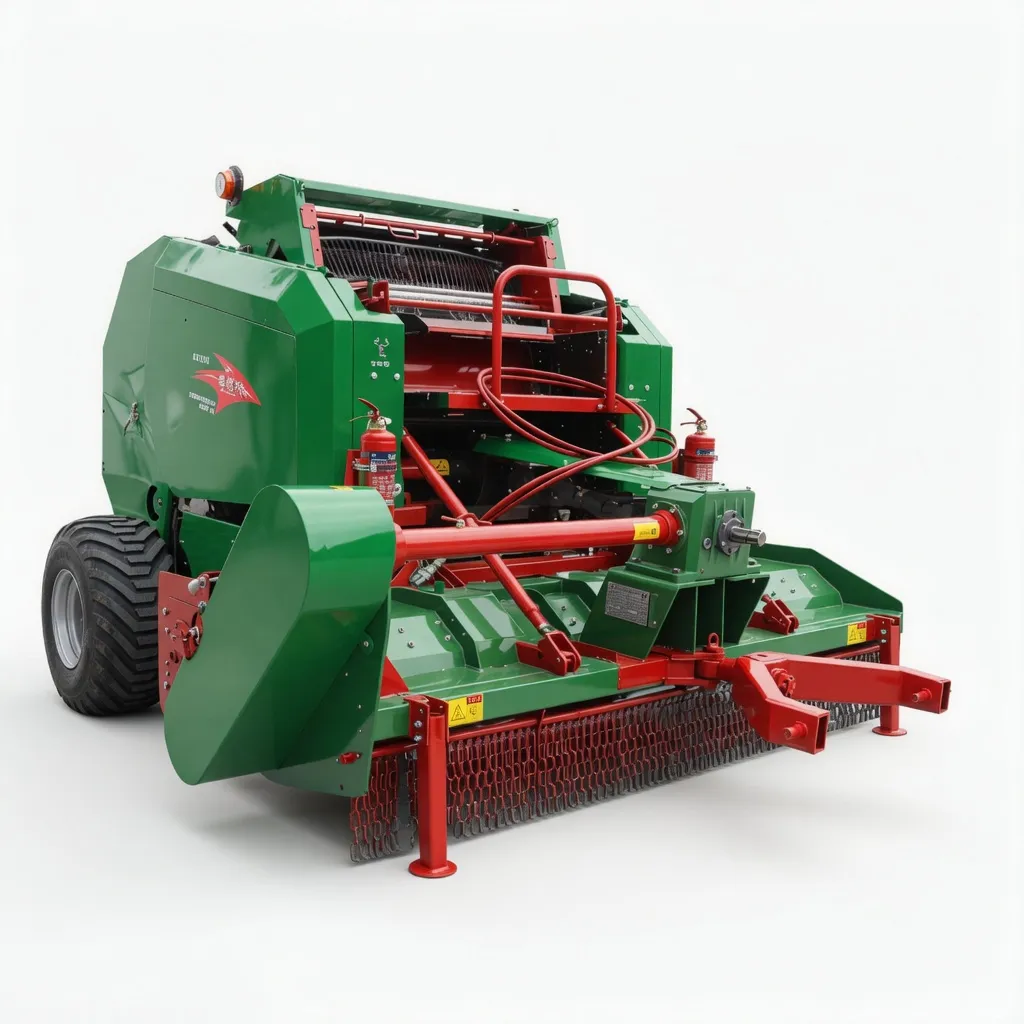
The 9YG series round balers — including the 9YG-2.24D S9000 Beyond, 9YG-1.25A, and 9YG-1.0C — are designed for Australian silage and hay conditions. Replacement pickup tines, auger flight sections, feed rotor fingers, and shear bolt kits stocked at EverPower’s Condell Park NSW warehouse for same-day dispatch. Contact EverPower before your silage season for pre-season service parts and wet-condition setup advice.
Frequently Asked Questions
Wet Conditions. No Plugs. Keep Baling.
EverPower can advise on wet-condition baling setup and dispatch pre-season parts for your 9YG series round baler.
EverPower Baling Machinery Australia Pty Ltd | 27 Harley Crescent, Condell Park NSW 2200
📞 +61 2 9708 3322 | ✉️ [email protected]