
Understanding Twine and Net Wrap as Bale Securing Methods
Round balers use either twine or net wrap to secure the compressed forage into a stable bale before ejection. Twine is a traditional method that wraps the bale in a criss-cross pattern using polypropylene or sisal string, while net wrap applies a continuous mesh of plastic netting around the circumference. Both methods prevent the bale from unravelling during handling and storage, but they differ significantly in speed, cost, durability and suitability for silage versus hay operations.
EverPower Baling Machinery Australia Pty Ltd equips its 9YG series round balers with dual-capability systems, allowing operators to switch between twine and net wrap depending on crop type and end use. This flexibility is particularly valuable for mixed farms producing both dry hay and high-moisture silage bales for dairy and beef enterprises across New South Wales.
Cost Comparison: Twine Versus Net Wrap Over a Season
Twine is generally the lower-cost option at approximately 0.08 to 0.12 AUD per bale for a standard 1.2-metre diameter bale, making it attractive for large-volume hay producers. Net wrap costs 0.25 to 0.40 AUD per bale but requires fewer wraps and less labour time. Over a 1,000-bale season, twine may save 150 to 300 AUD in materials, yet net wrap often reduces total operating cost when labour and machine time are factored in.
EverPower operators report that net wrap pays for itself on silage operations where speed and weather protection are priorities. The reduced number of wraps per bale also lowers plastic consumption, an important consideration for farms seeking to minimise waste and environmental impact.
Speed and Labour Efficiency Differences
Net wrap application typically takes 8 to 12 seconds per bale, compared with 25 to 35 seconds for twine. This time saving allows a single operator to produce 20 to 30 percent more bales per hour, a significant advantage during narrow harvest windows when weather threatens. The automatic net wrap system on EverPower balers requires minimal operator intervention beyond loading the roll.
Twine systems demand more frequent monitoring of spool tension and knotter performance. In dusty or high-volume conditions, twine can require mid-day adjustments that interrupt workflow. Many contractors therefore prefer net wrap for silage baling where daily output directly affects contract profitability.
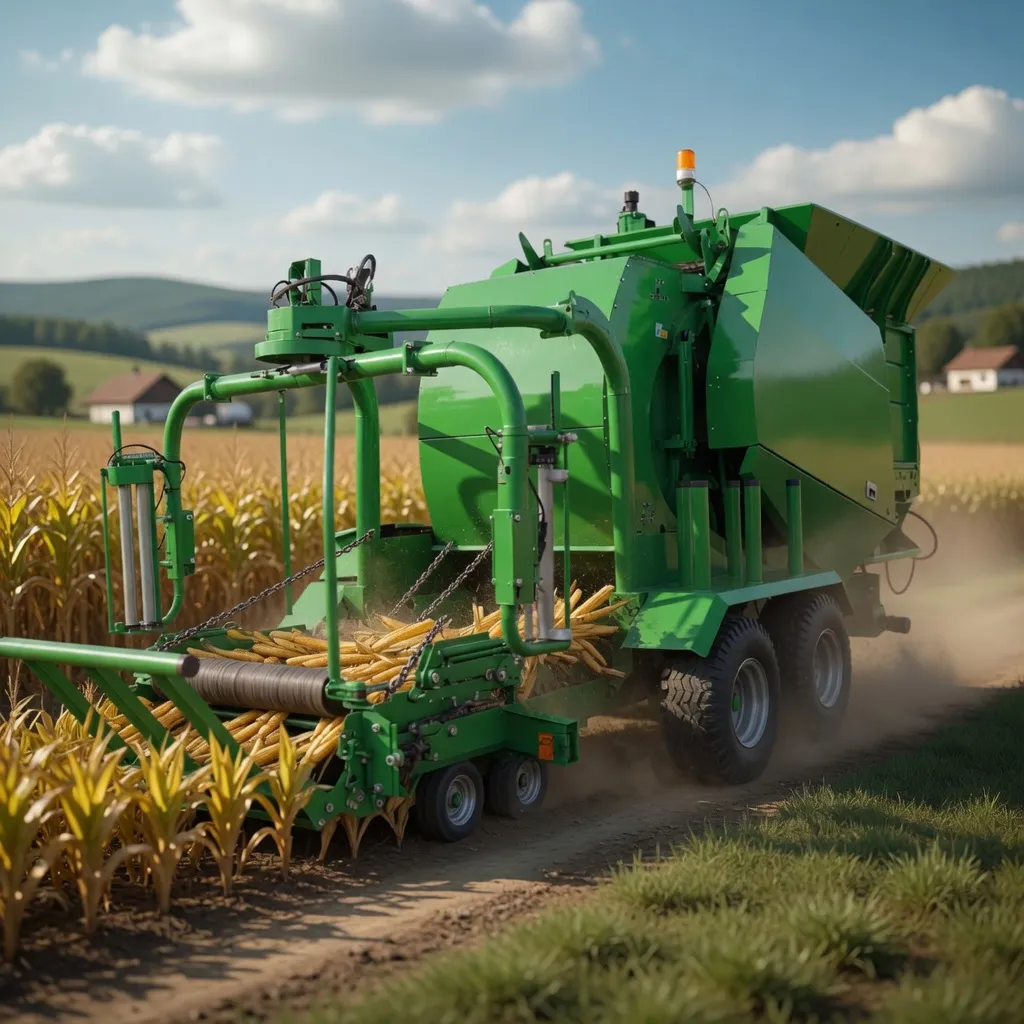
Combined systems with the 9YCM-850 wrapper maximise efficiency whether using twine or net wrap on the baler.
Bale Quality, Shape and Preservation Performance
Net wrap produces more uniformly shaped bales with tighter surface tension, reducing the risk of loose material during transport and storage. This is especially beneficial for silage bales that must maintain density to support anaerobic fermentation. Twine, while effective for dry hay, can allow more surface movement in high-moisture silage, potentially leading to greater dry-matter loss if the bale is handled roughly.
Independent trials conducted by Australian agricultural research bodies show net-wrapped silage bales retain 3 to 5 percent more dry matter after six months of storage compared with twine-wrapped bales under identical conditions. The tighter seal also reduces the incidence of mould pockets near the bale surface.
Weather Resistance and Storage Considerations
Net wrap provides superior protection against rain and UV degradation because the mesh covers the entire bale surface more completely than spaced twine lines. This makes net wrap the preferred choice for silage bales that may remain in the field for several days before collection. Twine offers adequate protection for dry hay stored under cover but is less forgiving when bales are exposed to moisture.
EverPower recommends net wrap for all silage operations in regions with unpredictable spring and autumn weather. The additional upfront cost is offset by reduced spoilage and fewer rejected bales at feed-out time.
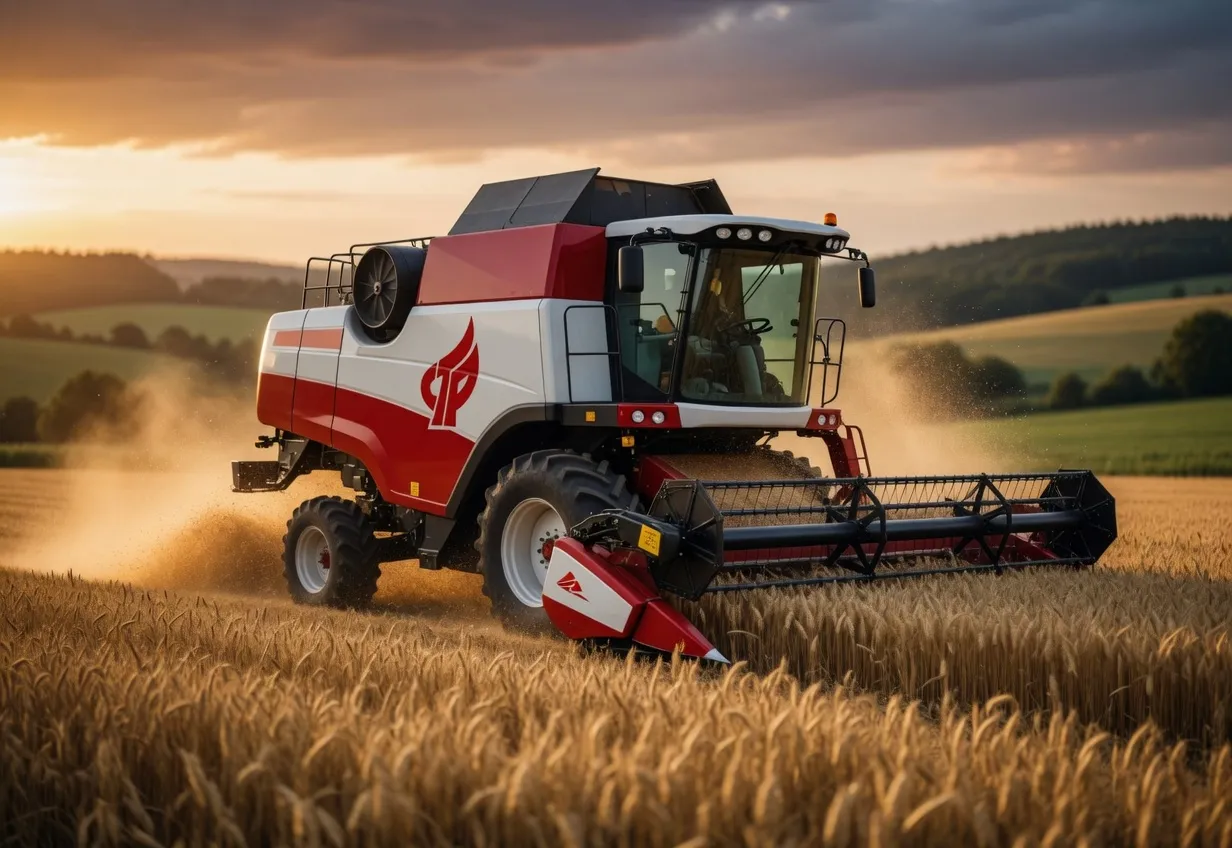
The 9YG-1.25A Round Baler supports both twine and net wrap systems for maximum flexibility across crop types.
Maintenance, Reliability and Long-Term Ownership Costs
Twine systems involve more moving parts, including knotters that require regular cleaning and adjustment. Knotter failures are a common source of downtime during peak season. Net wrap mechanisms are mechanically simpler, with fewer wear points and lower annual maintenance costs, typically 150 to 250 AUD less per season on a mid-size baler.
EverPower designs both systems with heavy-duty components rated for Australian conditions. Operators who maintain proper tension settings and keep knotters clean report trouble-free performance across 8,000 to 12,000 bales before major component replacement is required.
When to Choose Twine and When to Choose Net Wrap
Choose twine for large-volume dry hay operations where material cost is the primary concern and bales will be stored under cover immediately. Choose net wrap for all silage production, high-value crops, or situations where speed and weather protection outweigh the higher per-bale cost. Many mixed farms use net wrap for silage and switch to twine for hay to optimise overall expenditure.
EverPower Baling Machinery Australia Pty Ltd provides clear guidance during machine specification to match the wrapping system to your dominant crop and storage practices, ensuring the best return on investment across the full range of baling machinery and silage baler solutions.
Precision engineering at the EverPower facility ensures reliable performance of both twine and net wrap systems.
Recommended Product: 9YG-2.24D Round Baler
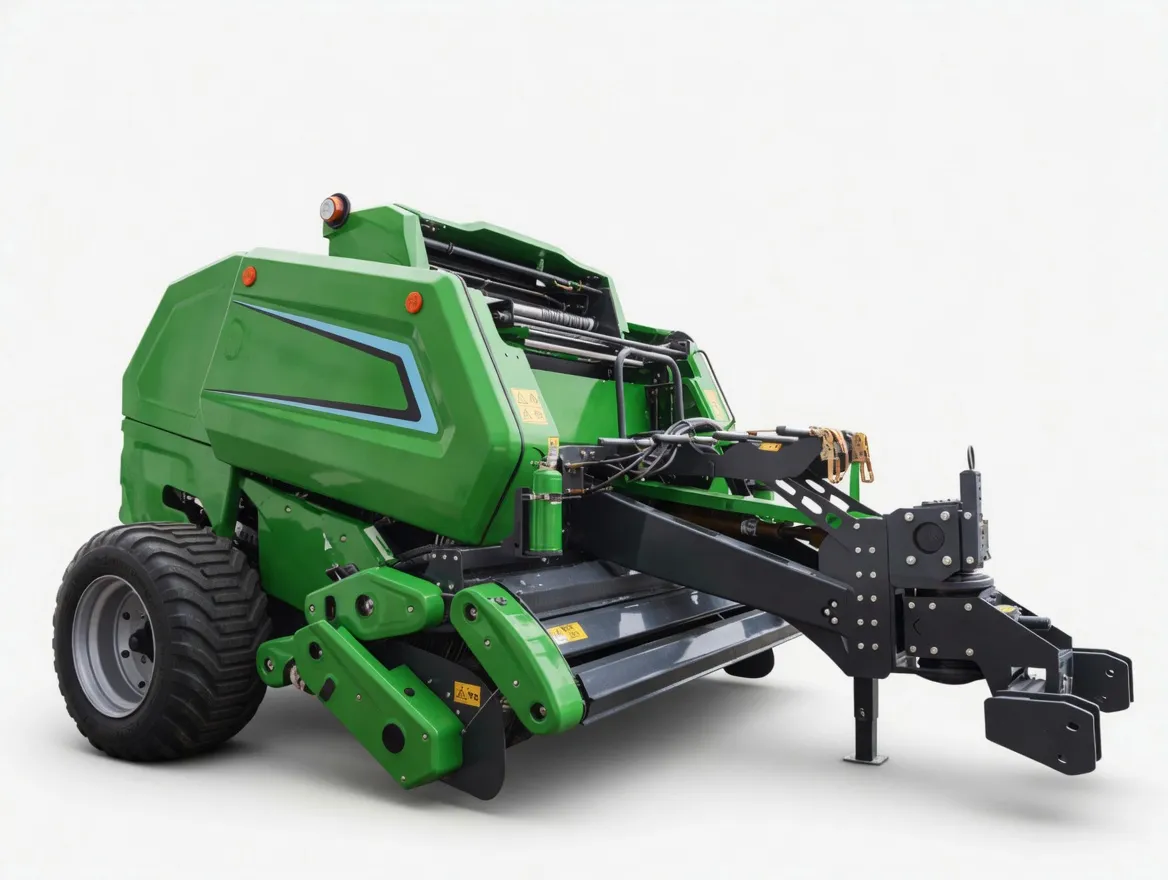
The 9YG-2.24D Round Baler offers factory-fitted dual twine and net wrap capability, delivering 18 to 25 bales per hour with excellent density for both hay and silage. Its robust construction and local support make it the preferred choice for Australian growers seeking flexibility without compromising reliability.
Frequently Asked Questions
Need Help Choosing Between Twine and Net Wrap?
Our team can demonstrate both systems on your property and calculate the best option for your crops and storage.
EverPower Baling Machinery Australia Pty Ltd | 27 Harley Crescent, Condell Park NSW 2200
📞 +61 2 9708 3322 | ✉️ [email protected]