Baler Belts Wear Gradually — and the Damage Shows Up in Your Bales Before the Belts Fail
Round baler belts do not fail dramatically. They do not snap under load or show sudden obvious damage that triggers an immediate stop. Instead, they wear progressively over thousands of bale cycles — surface glazing develops gradually, splice cracks propagate slowly, and tension capacity drops incrementally. By the time a belt is visibly in poor condition, it has been producing sub-optimal bale density for weeks or months. The cost of delayed replacement is not just the cost of the eventual failure — it is the cumulative cost of below-specification bales, increased silage fermentation losses, and accelerated wear on adjacent components that receive uneven loads from a weakened belt. This guide explains how to identify the specific signs of belt wear before it affects production quality, and provides a realistic replacement schedule based on Australian operating conditions.
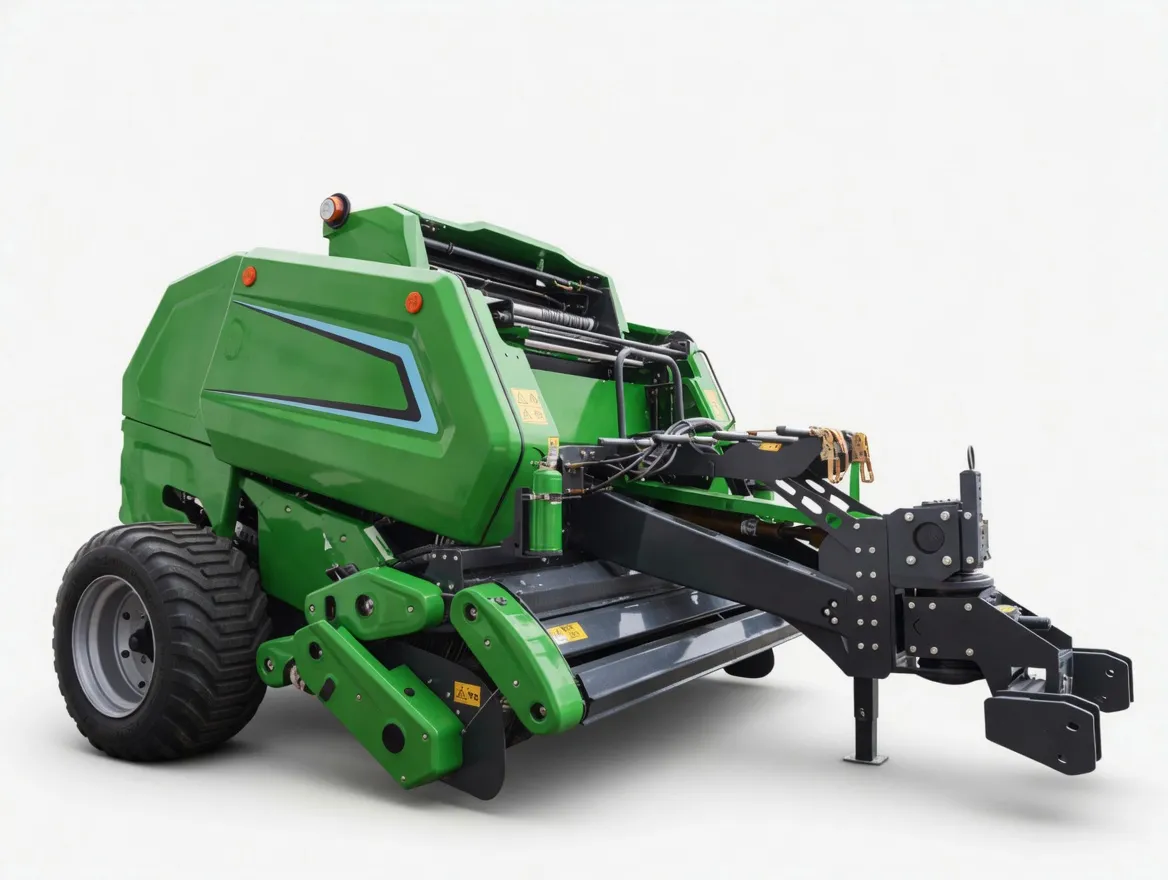
Belt wear assessment should be part of every pre-season service and post-season inspection — catching belts at the early-wear stage before they affect bale density is far cheaper than replacing them after a season of sub-quality bales.
Sign 1: Surface Glazing
New baler belts have a defined surface texture — either a ribbed, lagged, or rough-fabric finish depending on the belt type — that provides grip against the bale surface. As the belt accumulates bale cycles, crop oils, moisture, and fine crop particles work into the surface and the friction elements wear down, leaving a smooth, polished (glazed) surface. A glazed belt has significantly lower coefficient of friction against the crop — it slides across the bale surface rather than gripping and rolling it into a tighter mass.
How to identify: Run your hand along the belt surface with the belt stationary. A new or serviceable belt feels slightly rough or grippy — like medium-grade sandpaper. A glazed belt feels smooth and slippery, similar to polished leather. Compare feel across the full width — some belts glaze unevenly, with the centre glazing faster than the edges due to contact pressure distribution. A belt that is glazed across more than 50% of its surface area should be replaced.
Note: Do not attempt to restore grip by scuffing the belt surface with abrasives. This is a temporary measure at best and removes additional belt thickness at the point where grip was already insufficient, accelerating the deterioration.
Sign 2: Splice Cracking
Round baler belts are continuous loops — the two ends of the belt strip are joined at a splice, either vulcanised (heat-bonded) or mechanically joined with metal fasteners. The splice point is the most mechanically stressed location on the belt — it passes over drive rollers and tension rollers hundreds of times per bale cycle, and the bending and straightening at each roller creates cyclic fatigue stress. Splice cracks typically develop along the line of the fasteners or at the edge of a vulcanised joint.
How to identify: Inspect all splice points carefully under good light. Early splice cracks appear as fine surface cracks perpendicular to the belt direction at or near the splice line. Progressive cracks extend across the belt width and penetrate into the belt body. A belt with any crack that has penetrated more than 30% of the belt thickness or extended across more than 25% of the belt width should be treated as a replacement priority — these cracks propagate rapidly under operating loads and can result in a full belt separation mid-season.
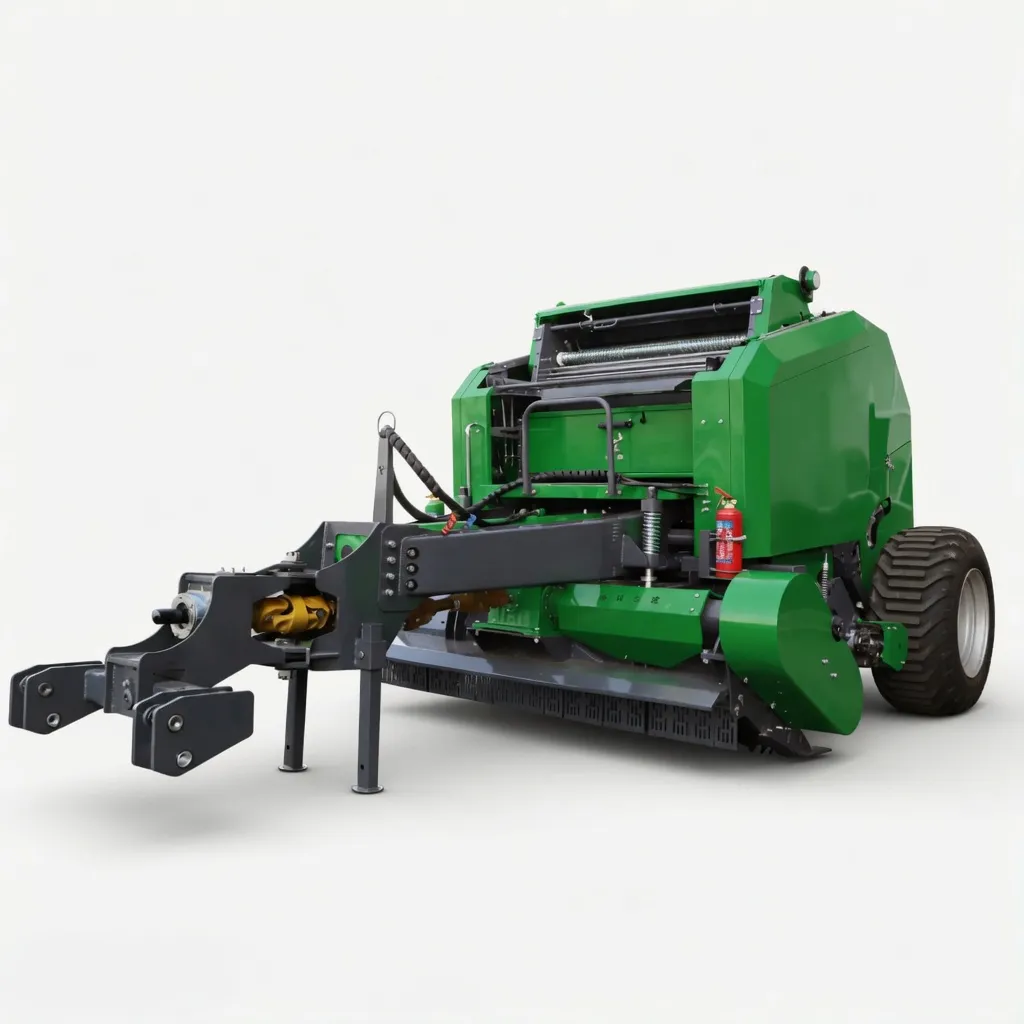
Pre-season belt inspection takes under 30 minutes on a multi-belt baler — inspecting all belts for glazing, splice cracks, and thickness variation before the season begins is the most cost-effective belt maintenance action of the year.
Sign 3: Belt Thickness Loss
Belt thickness decreases gradually as the working surface wears away. Belts that are below their original thickness have reduced stiffness, reduced compressive strength at the splice, and reduced effective tension capacity — all of which contribute to lower bale density. Thickness loss is not always visible without measurement.
How to identify: Use a vernier calliper to measure belt thickness at 300 mm intervals along its length and at multiple points across the width. Compare against the new belt thickness specification (available from EverPower for 9YG series belts). A belt that has lost more than 20% of its original thickness should be replaced. Uneven thickness — thinner in the centre than at the edges, or thinner in the middle of the belt length — indicates uneven wear that produces uneven bale density across the bale width.
Sign 4: Belt Tracking Problems That Cannot Be Corrected
A belt that consistently drifts to one side despite correct tension adjustment may have developed uneven stretch across its width — the side under the most tension load has stretched further than the other side, making the belt effectively trapezoidal rather than rectangular. A trapezoidal belt cannot track straight regardless of tension adjustment because it is geometrically mismatched to the parallel rollers it runs on.
How to identify: If a belt drifts consistently to the same side and cannot be held in central tracking by the full range of adjustment on the tracking/tension rollers, the belt itself is the cause rather than the roller alignment. Lay the belt flat on the ground in its natural untensioned state — a belt with uneven stretch will not lie flat; it will cup or twist slightly. Any curvature greater than 10 mm per metre of belt length indicates uneven stretch that will prevent straight tracking in service.
Replacement Schedule: Hours, Bales, and Seasons
Track bale count per season — most modern balers have an electronic bale counter. If yours does not, estimate from bales per day multiplied by operating days. Replace belts based on the lower end of the range for your condition category rather than the upper end — the cost of early replacement is the price of a belt set; the cost of late replacement is a season of sub-density bales plus any damage from belt failure in service.
Recommended Product: EverPower 9YG Series Round Balers
Replacement belt sets for EverPower 9YG series round balers stocked at Condell Park NSW for same-day dispatch. Contact EverPower at +61 2 9708 3322 with your baler model and belt count to confirm the correct replacement set before ordering. Belt thickness specifications for inspection comparison also available on request.
Frequently Asked Questions
Replace Before They Cost You Bales. Inspect Every Season.
EverPower stocks replacement belt sets for all 9YG series balers and can confirm the right specification for your model.
EverPower Baling Machinery Australia Pty Ltd | 27 Harley Crescent, Condell Park NSW 2200
📞 +61 2 9708 3322 | ✉️ [email protected]