Chain Slippage and Drive System Issues
Chain slippage is one of the most frequent complaints on bean pullers, particularly after 800–1,000 hours of operation. Symptoms include reduced pulling speed, uneven windrows and increased fuel consumption. The primary cause is insufficient chain tension combined with worn sprockets or elongated chain links. On the 4BYH series, the automatic tensioner can lose effectiveness if the spring weakens or if debris builds up in the housing.
Fix: Stop the machine immediately when slippage is detected. Check chain tension using the deflection method (12–15 mm under moderate pressure). If the chain has elongated more than 2 percent, replace it. Inspect sprockets for hooked teeth and replace as a set with the chain. Clean the tensioner housing and verify spring tension. EverPower stocks replacement chains and sprockets for next-day delivery across New South Wales, minimising downtime during peak harvest.
_0141_01-1.webp)
Accessible drive components on the 4BYH-3.25 allow quick diagnosis and repair of chain slippage issues.
Inconsistent Pulling Depth Across Ridges
Depth variation between ridges causes uneven pod recovery and increased ground loss on one side of the machine. Common causes include worn skid shoes, misadjusted depth cylinders, or a twisted main frame from impact with rocks or stumps. Operators often notice the problem only after significant yield loss has occurred.
Fix: Park on level ground and use a straight edge or laser level across all skid shoes. Adjust individual ridge units until all skids sit at the same height. Replace worn skid shoes (approximately 45 AUD each). If the frame is twisted, professional alignment at an authorised workshop is required. The 4BYH series includes clearly marked depth scales and independent hydraulic adjustment on each ridge, making correction straightforward once the root cause is identified.
Belt Wear, Glazing and Breakage
Drive belts commonly fail due to misalignment, incorrect tension or contamination with crop residue and dust. Glazed belts slip under load, while cracked or frayed belts can break without warning, halting harvest. In hot Australian conditions, belt life can drop below 1,500 hours if tension is not maintained.
Fix: Check pulley alignment with a straight edge during every belt service. Re-tension after the first 10 hours and then every 100 hours. Replace belts in matched sets at the first sign of glazing or edge fraying. Use only genuine EverPower aramid-reinforced belts, which routinely achieve 2,000+ hours under normal conditions. Keep spare belts in the tractor cab for rapid field replacement.
Tine Damage, Bending and Excessive Wear
Tines bend or break when they strike rocks, stumps or buried debris. Excessive wear on tips increases ground loss and pod shatter. Operators sometimes continue working with damaged tines, compounding yield reduction.
Fix: Carry a spare set of tines and quick-release pins in the field. Replace any tine showing more than 3 mm tip wear or visible bending immediately. Inspect the entire set after hitting an obstruction. EverPower offers three tip profiles; switch to a more aggressive profile in stony conditions to reduce damage frequency. Record damage locations to identify persistent field hazards for future seasons.
Hydraulic Depth Control Problems
Hydraulic cylinders that fail to hold depth or leak oil cause inconsistent pulling and operator frustration. Common causes include worn seals, air in the system or damaged hoses from crop residue abrasion.
Fix: Bleed air from the system after any hose replacement. Check cylinder rods for scoring and replace seals if leakage exceeds a few drops per hour. Protect hoses with spiral wrap where they pass near moving parts. The 4BYH series uses quality cylinders rated for continuous agricultural duty; genuine seal kits restore performance quickly and economically.
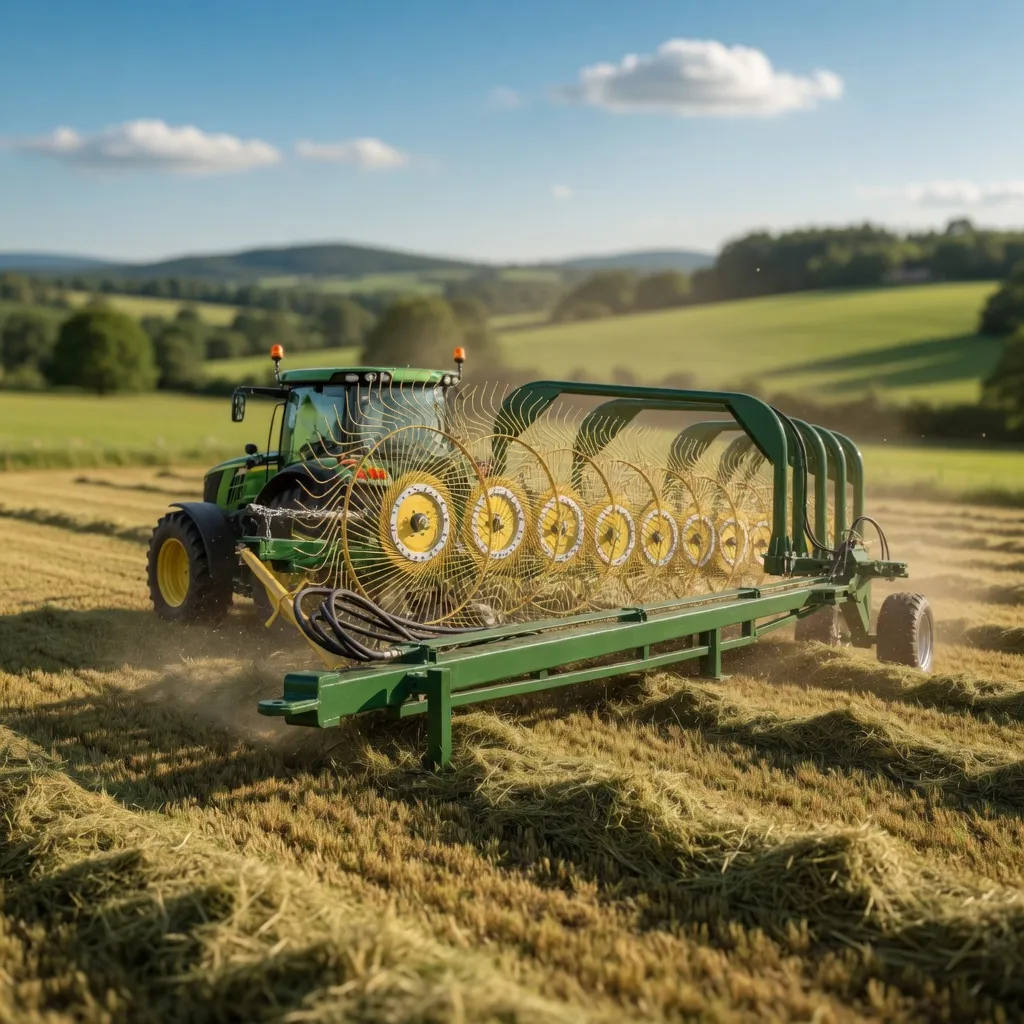
Reliable hydraulic systems on rakes and pullers minimise downtime when properly maintained.
Windrow Quality and Material Flow Issues
Poor windrow formation (gaps, bunching or excessive width) complicates subsequent baling or collection. Causes include incorrect conveyor speed, worn deflector plates or blocked crop flow paths from residue buildup.
Fix: Match conveyor speed to ground speed within 5 percent. Clean all flow paths daily. Adjust deflector angle to achieve 1.2–1.4 m windrow width for standard round balers. If material is bunching, reduce forward speed by 0.5 km/h and recheck. These adjustments restore clean, uniform windrows that integrate seamlessly with existing baling machinery and silage baler equipment.
Why EverPower Support Resolves Problems Quickly
EverPower Baling Machinery Australia Pty Ltd builds the 4BYH series to the same high standards as its baling machinery, silage baler, round baler and agricultural baler ranges. Local parts inventory at 27 Harley Crescent, Condell Park NSW 2200 and factory-trained technicians ensure most common problems are resolved within 24–48 hours. Many issues are prevented through the annual pre-season service that includes full system diagnostics and operator refresher training.
Contact +61 2 9708 3322 or [email protected] for rapid diagnosis and parts dispatch. Owners who follow the recommended maintenance schedule experience significantly fewer field problems and maintain higher daily output throughout the harvest window.
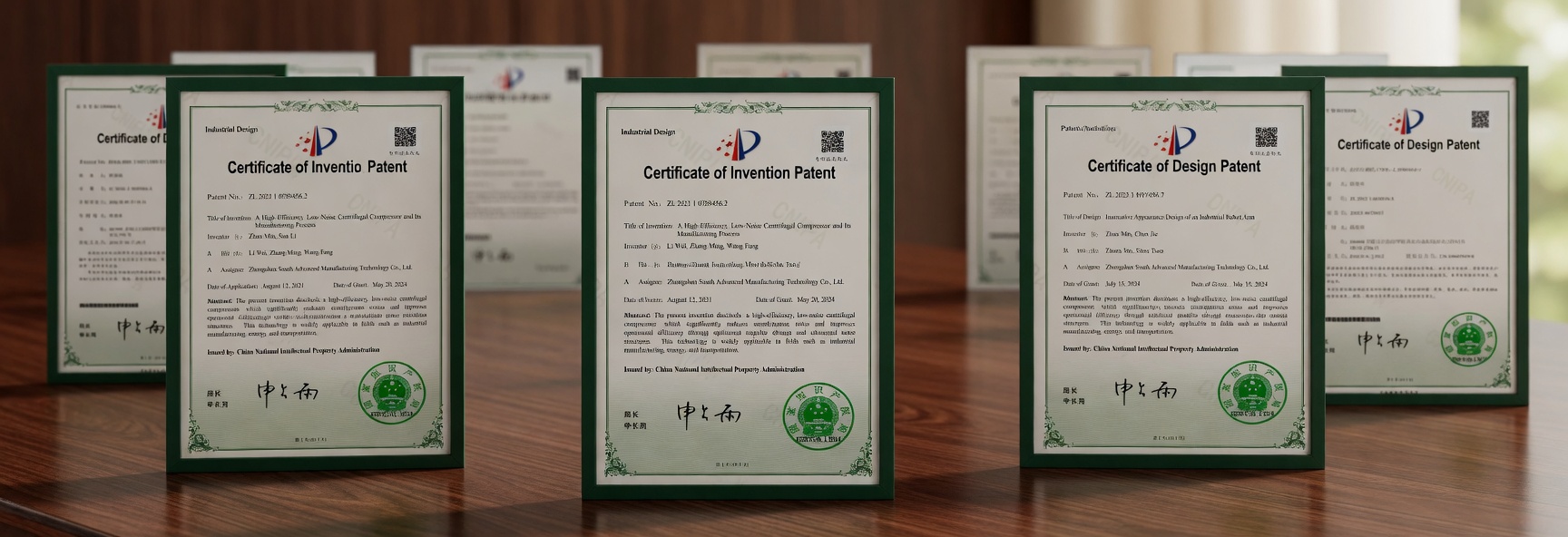
Extensive parts stock and technician support at Condell Park keep 4BYH machines running reliably season after season.
Recommended Product: 4BYH-2.6 Kidney Bean Puller
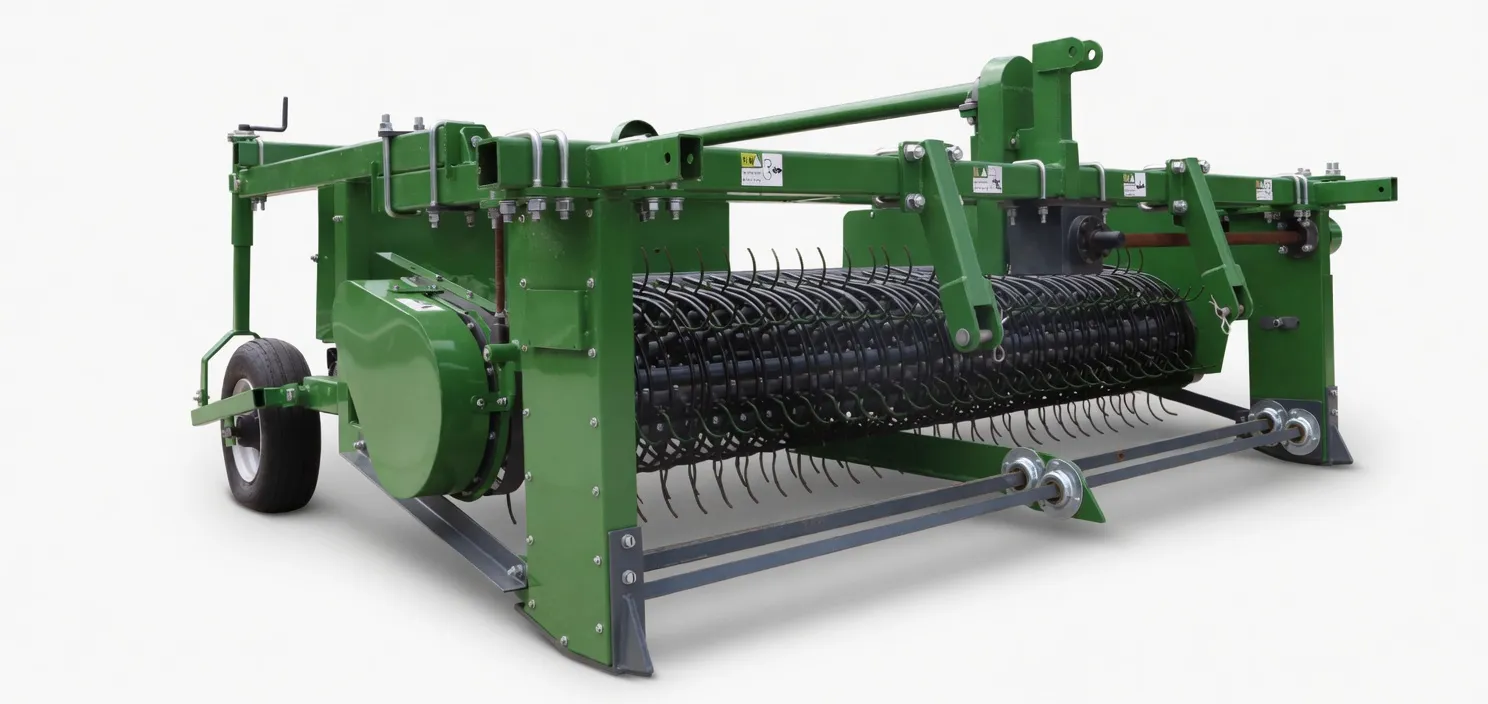
The 4BYH-2.6 combines proven reliability with easy-access components that simplify troubleshooting and repair. Its automatic tensioners, modular ridge design and quality drive system minimise common field problems while delivering consistent 1.6–2.3 ha/h performance on mid-size Australian farms.
Frequently Asked Questions
Experiencing a Problem in the Field?
Contact our technical team for immediate diagnosis and parts dispatch.
EverPower Baling Machinery Australia Pty Ltd | 27 Harley Crescent, Condell Park NSW 2200
📞 +61 2 9708 3322 | ✉️ [email protected]