
A Wrapper That Fails Mid-Season Costs More Than the Machine Itself
The 9YCM-850 is mechanically simple compared to most farm implements — a hydraulic table drive, a hydraulic arm drive, a film dispenser with pre-stretch rollers, and a film cutter. But simple does not mean maintenance-free, and a silage wrapping operation has no tolerance for unplanned downtime. A wrapper that stops working halfway through a day’s wrapping leaves bales sitting unwrapped in the paddock while aerobic fermentation runs unchecked. Every hour of delay between baling and wrapping on a high-moisture crop is a measurable DM loss. Getting maintenance right before and during the season — and knowing how to diagnose and fix the most common faults in the field — keeps the 9YCM-850 running through every bale in every paddock without the losses that come from unplanned stops.
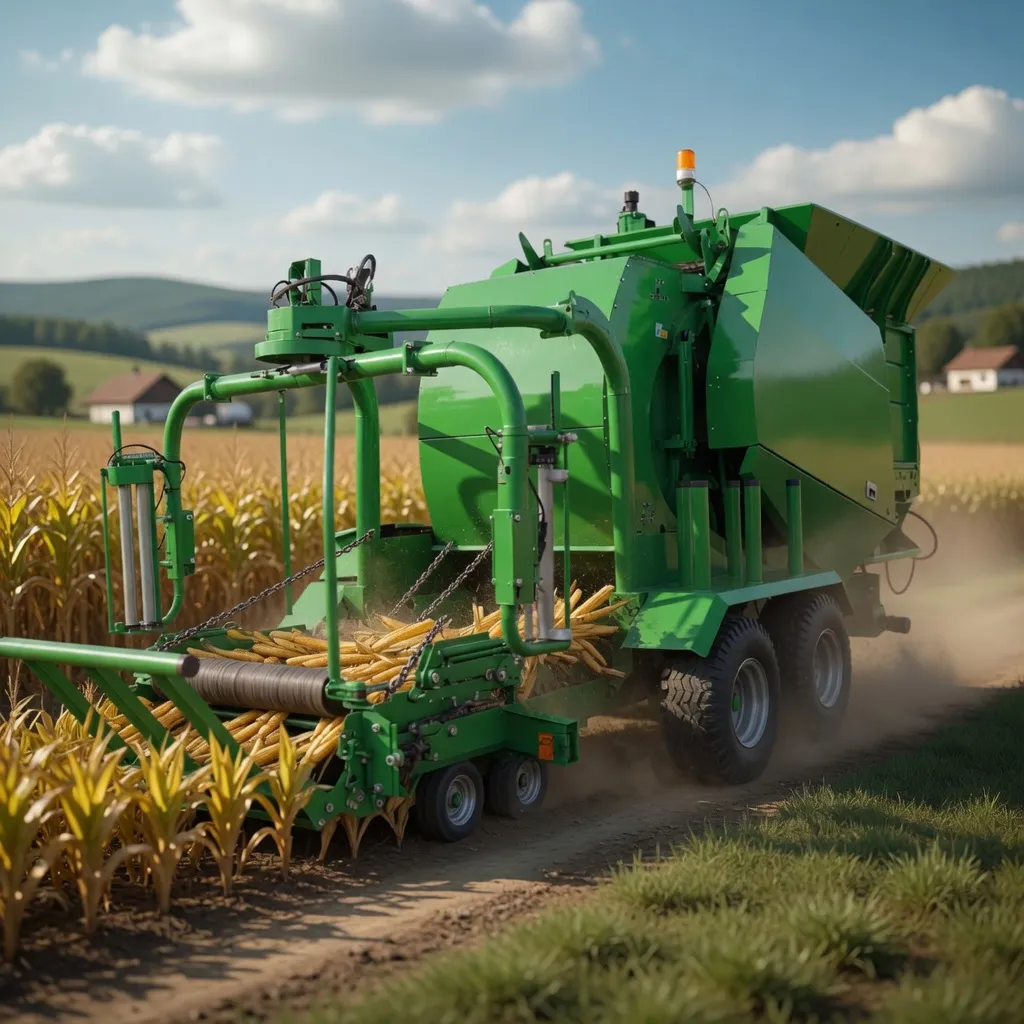
Pre-season inspection and a well-stocked spare-parts kit are the two most cost-effective investments in silage wrapping reliability — a failed film cutter or seized arm bearing at the wrong moment causes losses far exceeding the cost of prevention.
Pre-Season Inspection Checklist
Complete the following inspection before the first wrapping day of each season. Allow 45–60 minutes and have the tractor connected and hydraulics pressurised for the final run-through checks.
Table roller bearings and drive chain
Spin each table roller by hand — it should rotate freely with no roughness or grinding. Grease all roller bearing nipples. Check the drive chain for stretch and lubrication — a chain that hangs more than 15 mm below its normal tension line needs replacing or re-tensioning. Inspect chain sprockets for hooked or worn teeth.
Film arm ring and bearing
Rotate the film arm ring by hand through a full orbit. The ring should move smoothly on its support rollers or bearing track with no binding or lateral wobble. Grease all ring support bearing points. Check the ring drive chain or belt for wear and tension — a slipping ring drive causes inconsistent arm orbit speed and uneven layer count.
Pre-stretch rollers
Thread a short length of film through the pre-stretch roller set and pull by hand. The exit roller should move faster than the entry roller, confirming the differential gear is functioning. Check roller surfaces for film residue, scratches, or corrosion — a rough roller surface catches and tears film under pre-stretch tension. Clean rollers with a solvent wipe if necessary.
Film cutter blade
Inspect the cutter blade for chips, corrosion, and dullness. A dull or corroded blade fails to sever the film cleanly — leaving a long ragged tail that either unravels from the bale or causes the next wrapping cycle to start with a double-layer film trail that creates an uneven first pass. Replace the blade at the start of each season as a standard item.
Hydraulic hoses and connections
Inspect all hoses for cracking, abrasion, and loose fittings. Hoses in the arm circuit rotate continuously during operation and are subject to fatigue at the connection points — any hose showing outer-sheath cracking or swelling at a fitting should be replaced before the season. Confirm hydraulic oil level in the tractor is correct before pressurising the system.
In-Season Maintenance Schedule
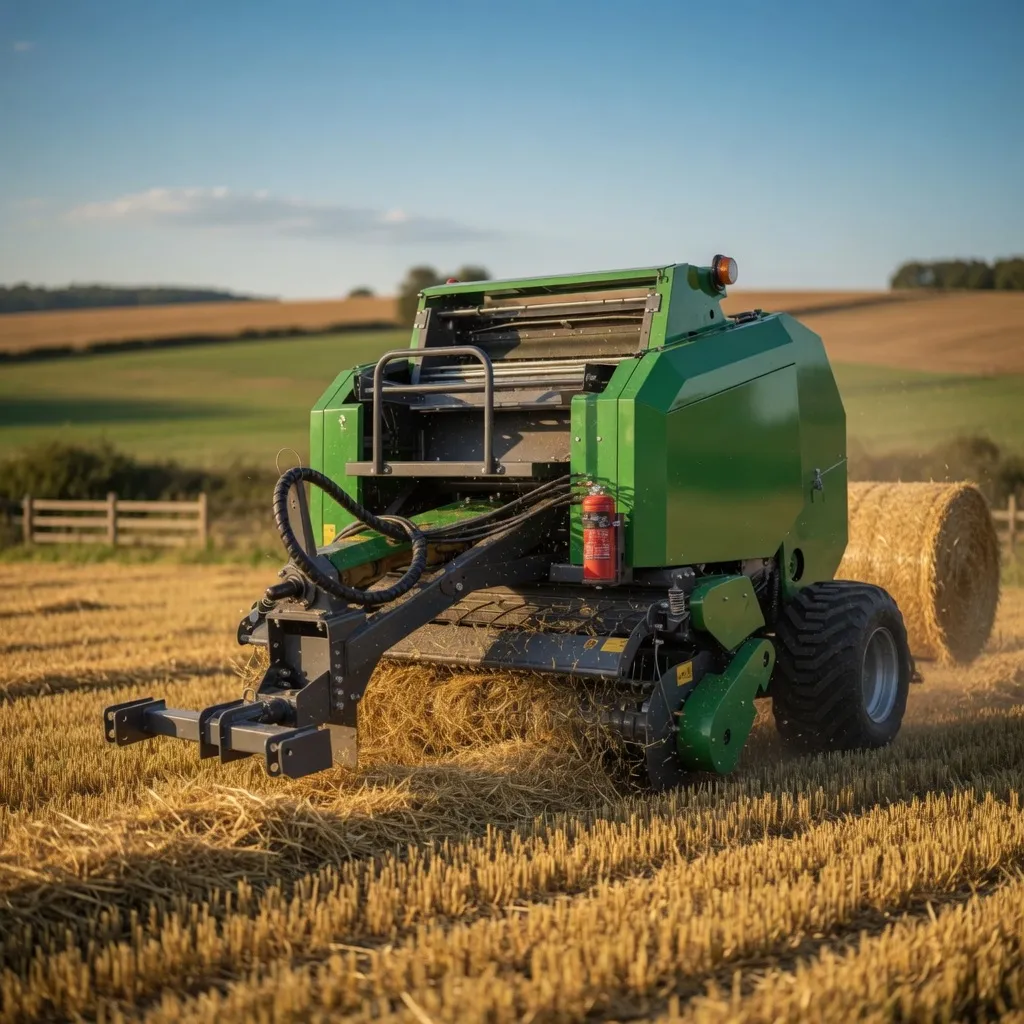
Keeping the wrapping system maintained and ready ensures no delay between baling and wrapping — the most important factor in minimising fermentation losses at the start of the preservation process.
Troubleshooting Common Field Faults
Film tears repeatedly during application
Causes and fixes: Pre-stretch ratio set too high — reduce table speed slightly to lower the differential between entry and exit rollers. Film quality poor or roll damaged — inspect the roll for cores that are oval rather than round, which causes uneven tension as the roll depletes. Bale surface has protruding wire, net wrap, or sharp crop stems — remove debris before loading onto the table. Ambient temperature below 5°C — cold film is less elastic and tears more easily; allow the roll to warm to above 10°C before starting.
Film arm stops mid-cycle or moves unevenly
Causes and fixes: Hydraulic flow to the arm circuit interrupted — check the remote outlet connection on the tractor and confirm the flow control valve is fully open. Ring drive chain jumped a sprocket tooth — stop immediately, re-engage the chain, and check sprocket condition. Ring bearing seized or binding — lubricate and check for debris trapped in the bearing track. Low tractor hydraulic oil level — check and top up before restarting.
Bale rotates unevenly or stops rotating during wrapping
Causes and fixes: Table roller drive chain slack — retension or replace. Bale diameter larger than 1,600 mm — the table geometry cannot maintain roller contact with an oversized bale. Very oval bale causes rollers to lose contact at the narrower dimension — increase baler chamber density to produce rounder bales. Hydraulic flow to table circuit restricted — check flow control valve and remote outlet pressure.
Film tail does not seal after cutting
Causes and fixes: Pre-stretch ratio too low — the film is not stretched enough to contract and hold the tail against the bale surface. Increase pre-stretch to the design specification (55–70%). Cutter blade leaving a ragged rather than clean cut — replace the blade. Bale surface too smooth (very dense hay bale) — press the tail manually against the bale surface immediately after cutting to initiate adhesion.
Recommended Product: 9YCM-850 Bundling Film Wrapping Machine
Simple hydraulic drive design with few moving parts — pre-season inspection takes under an hour and in-season maintenance requires only basic hand tools. Replacement cutter blades, pre-stretch roller kits, drive chains, and bearing sets stocked at EverPower’s Condell Park NSW warehouse for fast dispatch. Technical support available from the EverPower team at +61 2 9708 3322.
Frequently Asked Questions
Keep Your Wrapper Running All Season.
EverPower stocks all 9YCM-850 wear parts and can support troubleshooting by phone during the wrapping season.
EverPower Baling Machinery Australia Pty Ltd | 27 Harley Crescent, Condell Park NSW 2200
📞 +61 2 9708 3322 | ✉️ [email protected]