
Baling After Fire: Pasture Recovery and Feed Reserves
The first regrowth after bushfire is the most nutritionally important hay you will make all season — and the decisions about when to cut, whether to graze or bale, and what to watch for determine how fast your pasture rebuilds.
The Post-Fire Feed Situation: Why It Is Both a Crisis and an Opportunity
Bushfire affects Australian farming land every season — the 2019 to 2020 season alone burned approximately 18.6 million hectares of agricultural and native land across Queensland, NSW, Victoria, and SA. For livestock operations in fire-affected areas, the immediate aftermath presents two simultaneous problems: the current feed inventory has been destroyed (standing hay, stored silage bales, and unharvested pasture) and the pasture base that would generate the next season’s feed is starting again from seed germination or root crown regeneration.
The hidden opportunity in post-fire recovery is that the first regrowth — driven by ash-bed fertilisation from the fire itself and the absence of competition from the dead standing material that previously shaded new shoots — is often the most nutritionally dense pasture of the recovery season. Ash from burned plant material returns phosphorus, potassium, and calcium to the soil surface in immediately plant-available form. First regrowth through this ash-bed nutrient pulse produces grass and legume material at crude protein levels 20 to 40% above what the same paddock would produce in a normal unburned year.
The decision about whether to graze this first regrowth, bale it for feed reserves, or rest it to rebuild root biomass is the most consequential pasture management decision in the fire recovery year. Getting it right accelerates the recovery timeline by 6 to 12 months; getting it wrong — particularly by over-grazing the first flush before root systems have re-established — can reduce productivity for 2 to 3 seasons. For context on how silage baling fits into the broader feed inventory rebuilding process, our article on silage baling for sheep farms managing feed through dry seasons covers the strategic planning framework applicable to stock recovery situations.
Understanding the Post-Fire Pasture Recovery Sequence
Phase 1: Ash-Bed Germination (Weeks 1 to 4 Post-Fire)
The first visible signs of post-fire recovery are typically colonising pioneer species — annual broadleaves, capeweed, flatweed, and in some regions, highly productive annual medic and subclover that germinate from seed banks that survived the fire. This material is not managed pasture — it is the first available herbage after fire, typically 4 to 8 weeks after the burn. Crude protein in these pioneer species can be extraordinarily high (20 to 35% CP in young legume seedlings) but total DM yield is very low and the root systems are too shallow to survive grazing pressure. Do not graze or bale this phase.
Phase 2: Established First Regrowth (Weeks 4 to 12 Post-Fire)
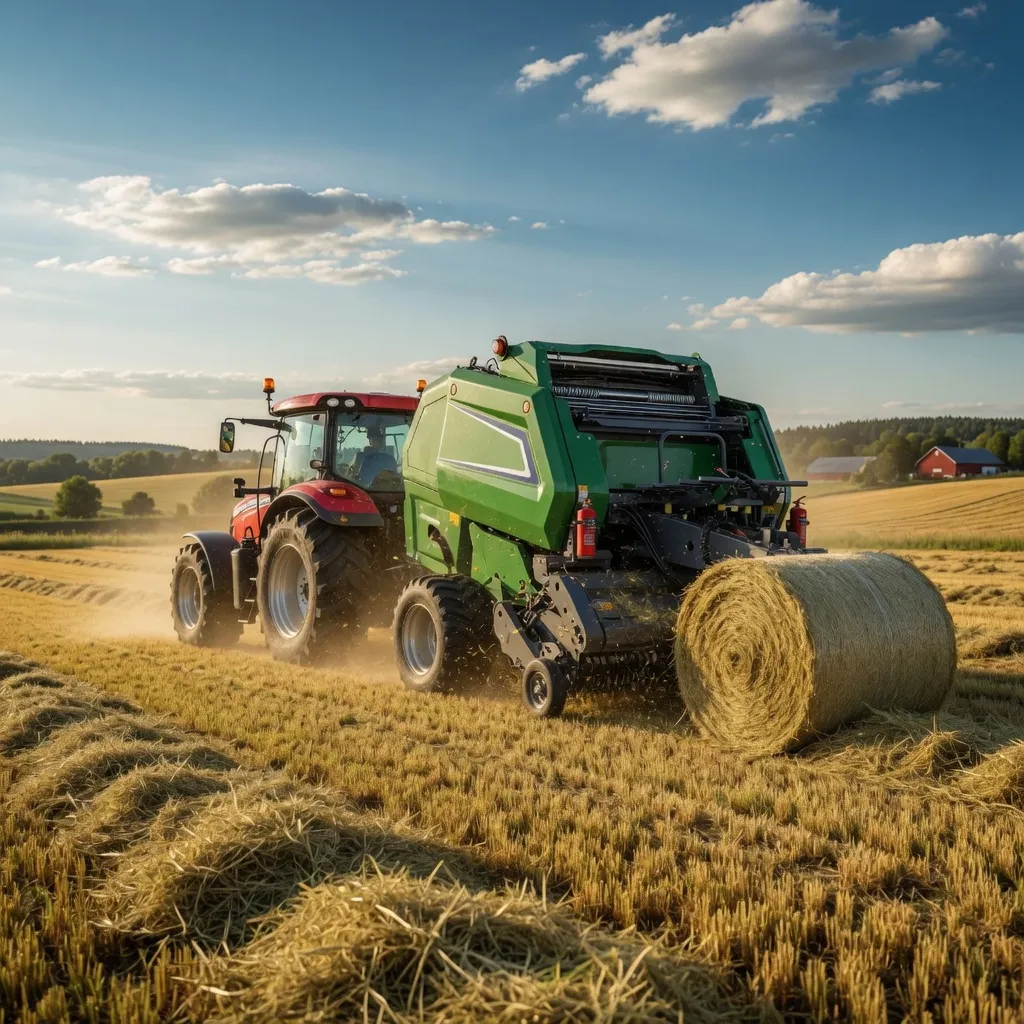
Perennial grasses that survive by root crown regeneration (phalaris, cocksfoot, kikuyu, couch, native perennial grasses) begin producing harvestable above-ground biomass from 4 to 10 weeks after fire, depending on rainfall and temperature. This is the material that produces the high-protein first-cut hay or silage opportunity. DM yield per hectare is typically 1.5 to 3.0 tonnes DM in the first flush — lower than a normal unburned paddock would produce but at higher nutritional concentration.
Phase 3: Root System Rebuilding (Months 3 to 12)
After the first regrowth is removed (by cutting or grazing), the pasture enters the root rebuilding phase. This is the most critical period for long-term pasture productivity — perennial grass root systems that were depleted by the fire need 2 to 4 growing cycles to rebuild to their pre-fire depth and mass. Over-grazing or over-cutting during this phase removes carbohydrate that should be translocating to root reserves, extending the recovery period and reducing the drought resilience of the paddock for the following 2 to 3 seasons.
When to Bale First-Recovery Regrowth — and When to Rest
The Decision Framework: Bale vs. Graze vs. Rest
| Situation | Recommended Approach | Rationale |
|---|---|---|
| Adequate feed on other paddocks, rainfall reliable | Rest first regrowth — no cutting or grazing | Maximise root recovery; next cut will be larger |
| Urgent feed shortage, livestock pressure high | Light grazing at 15–20 cm height — no closer | Least damage to root system; avoids baling disturbance |
| Feed shortage severe, need stored reserves | Bale first regrowth at 15–20 cm height | Remove material as hay or silage; rest 6–8 weeks after |
| Ryegrass or phalaris dominant, good root depth | Bale at flag leaf — full nutritional harvest | Established roots handle one early cut well |
| Pioneer annuals only, roots shallow | Do not cut or graze until perennial base re-establishes | Annual roots cannot survive harvest disturbance |
The Cutting Height Rule for Fire-Recovery Pastures
When cutting fire-recovery pasture for hay or silage, never cut below 15 cm stubble height — significantly higher than the 8 to 10 cm standard for established pastures. The 15 cm stubble leaves sufficient leaf area for immediate photosynthesis after cutting, protecting the root system from carbohydrate starvation in the critical weeks after a cut. The 2 to 3 cm of additional yield lost by cutting higher is recovered in the accelerated regrowth rate of a paddock that retains leaf area through the recovery period.
Silage or Hay? Choosing the Preservation Method in Recovery Year One
The Case for Silage in Fire Recovery
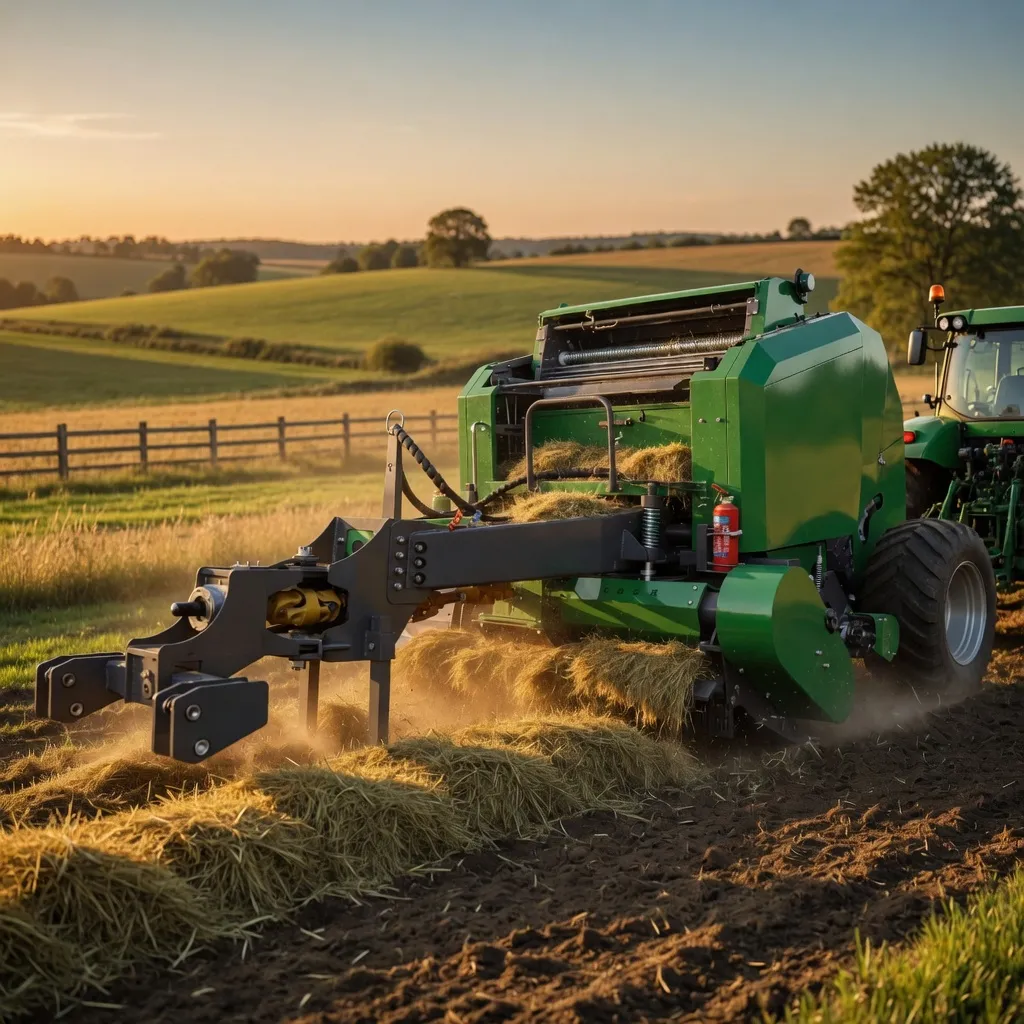
Post-fire recovery pasture is frequently cut in conditions that are not ideal for hay making. The emergency feed situation creates pressure to cut and store whatever is available, regardless of the drying conditions available. Silage baleage — baling at 40 to 55% moisture and film wrapping — removes the weather dependency from the storage decision entirely. The cut material is preserved regardless of whether a 4-day drying window is available.
The nutritional case for silage in recovery year one is also strong: first-regrowth material at 20 to 26% crude protein and 9.5 to 11.0 MJ ME ferments reliably with a quality LAB inoculant, producing a high-protein fermented roughage that is immediately available for livestock that may be in poor condition from fire disruption. Dry hay from the same material — if the weather cooperates — is equally nutritious, but the production risk is higher in uncertain post-fire weather conditions.
What to Watch for in Post-Fire Silage
Two specific quality considerations for post-fire silage: First, ash contamination from fire-blackened soil picked up during cutting and raking can raise bale ash content above 8 to 10% DM — flagging as soil contamination in forage tests and reducing digestibility. Set cutter height and rake tine height higher than normal to minimise ash-soil pickup from the post-fire ground surface. Second, some plant species that regrow after fire — particularly in areas with native vegetation components — may include palatable but toxin-producing species that the fire itself stimulated to germinate. Know your paddock’s native species composition and confirm no toxic species are present in the regrowth before cutting.
Rebuilding Feed Inventory: The Baling Strategy for Recovery Year One
For a fire-affected operation that has lost its hay inventory, the feed reserve rebuilding priority for year one is: first, bale the highest-protein first-flush material from the most nutritionally concentrated recovery paddocks for use with pregnant livestock and young stock; second, use lower-grade recovery material and any purchased hay for adult maintenance; third, rest as many paddocks as the feed situation allows for root system rebuilding.
The 9YG-1.25A variable-chamber round baler handles the variable windrow weights typical of post-fire recovery pastures — lighter than established pasture in the first flush, heavier in subsequent cuts as the stand rebuilds. The variable chamber’s pressure-target approach produces consistent bale weights across this variation without manual adjustment between cuts. For operations that lost their own equipment in the fire, EverPower can advise on rapid-availability equipment options for the recovery season.
State government emergency agribusiness support programmes (NSW Primary Industries, Agriculture Victoria, Primary Industries SA) include grants and low-interest loans for fodder production equipment purchase in declared disaster areas. NSW Rural Fire Service and the Australian Government Disaster Recovery Allowance also provide direct income support for farm businesses affected by fire. Contact your state primary industries department within 90 days of a fire event to register for available programmes.
Common Post-Fire Baling Mistakes
The pressure to harvest every kilogram of available DM in a post-fire feed shortage is understandable but counter-productive when it results in cutting below the safe stubble height for recovery pastures. A paddock cut to 5 cm in the recovery year may take 2 additional months to produce the next harvestable cut — and the root system damage may reduce production for 2 to 3 seasons. The additional 100 to 150 kg DM per hectare gained from cutting low is not worth the multi-season recovery setback it causes.
A fire-recovery paddock that is grazed after the first cut has no above-ground leaf area left to protect the root system from carbohydrate depletion. The combination of cutting, baling, and then grazing the regrowth in the same season is the single management practice most likely to cause permanent productivity reduction in perennial grass stands. Choose one or the other — bale for feed reserves and fence out livestock, or allow controlled grazing with careful monitoring and early removal.
Post-fire pasture growth through ash-bed conditions can include opportunistic toxic species germination — paterson’s curse and fireweed are common post-fire colonisers in eastern Australia. Inspect paddocks before cutting and identify any toxic species present. Silage fermentation does not fully break down pyrrolizidine alkaloids from paterson’s curse — hay or silage from paddocks with heavy paterson’s curse contamination can cause cumulative liver damage in livestock. Test or inspect before baling.
Fire-recovery hay is nutritionally unusual — higher protein, different mineral profile (elevated potassium and phosphorus from ash-bed nutrient), and potentially different WSC than the same paddock produces in a normal year. A forage test (AUD $40 to $65) on the first recovery cut confirms whether the material matches the nutritional profile expected and allows appropriate ration adjustments for livestock being supplemented from what may be the only available roughage source.
Frequently Asked Questions
Discuss Your Fire Recovery Baling Programme
Tell us your affected area, livestock situation, and current pasture recovery status — we’ll help plan the baling strategy that rebuilds your feed reserves while protecting your pasture base.