
The Layer Count Question Has a Specific Answer — Once You Know Your Variables
Ask a group of Australian silage producers how many layers of stretch film they use and you will hear answers ranging from four to eight. Everyone has a reason — their agronomist told them, the contractor always does six, a neighbour lost a stack to spoilage with four layers and swore off it permanently. These answers are not wrong for the operations that gave them, but they do not help you determine the correct layer count for your specific situation. Layer count is not a universal setting — it is a decision that depends on crop type and moisture, storage duration, site exposure and UV intensity, bird and vermin pressure, and the film specification itself. This guide gives you the framework to determine your correct layer count from first principles, not from convention.
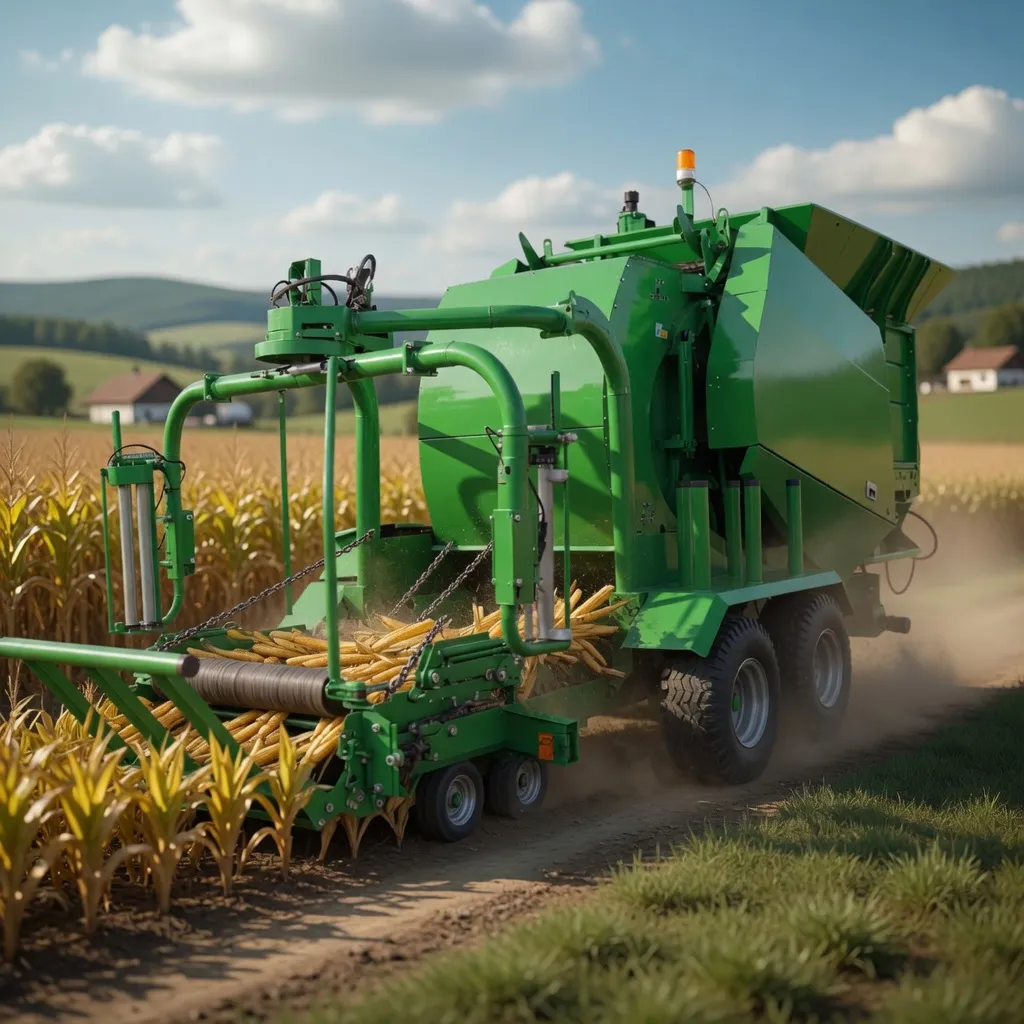
The correct layer count is a decision, not a convention — it depends on the specific combination of crop, storage site, duration, and film specification on your operation.
What a Film Layer Actually Provides
Each layer of pre-stretched silage film adds three things: oxygen barrier thickness, physical puncture resistance, and UV degradation resistance over time. At 25 microns per layer before pre-stretching (approximately 15–17 microns after application at 55–70% pre-stretch), a four-layer wrap provides 60–68 microns of total film thickness at any given point on the bale surface — before accounting for the 50% overlap factor that effectively doubles this at overlap zones. The oxygen transmission rate through this combined film barrier is below the threshold for sustaining aerobic respiration at fermentation temperatures, which is why any well-applied minimum layer count successfully preserves silage chemistry.
The difference between four and six layers is not primarily about oxygen transmission — both block oxygen adequately when the film is intact. The difference is about what happens when the film is stressed, punctured, or degraded over time. Additional layers provide a redundant barrier that remains intact after one layer fails from UV, physical contact, or bird beak penetration. This redundancy value is what drives the layer count decision above the theoretical minimum.
The Five Variables That Determine Your Layer Count
Storage duration
For storage under 6 months in sheltered, low-UV conditions: 4 layers is adequate. For 6–18 months outdoor storage: 6 layers. Beyond 18 months: 6 layers minimum with UV-stabilised film specified. UV radiation degrades the film’s elastic memory over time — additional layers extend the effective barrier life proportionally.
Geographic UV intensity
Northern and inland Australia receives UV radiation intensity 30–50% higher than southern coastal regions. In Queensland, Northern Territory, and northern Western Australia, use 6 layers as the minimum for any outdoor storage beyond 4 months, and UV-stabilised film exclusively. In Tasmania, Victoria, and southern NSW, 4 layers is adequate for under-6-month storage with UV-stabilised film.
Bird and vermin pressure
Cockatoo puncture rates of 5–15% have been documented on 4-layer-wrapped silage in cockatoo-territory regions of southern and eastern Australia. Six layers reduces — but does not eliminate — cockatoo puncture penetration. If cockatoo pressure is high, 6 layers plus visual deterrents is the recommended combination.
Crop moisture content
High-moisture crops above 65% produce more fermentation gas pressure inside the bale during the active fermentation phase. This internal pressure stresses film seams and can micro-perforate thin coverage zones. Use 6 layers for high-moisture whole-crop cereals, maize silage, and fresh pasture grass silage above 65% moisture. Four layers is adequate for baleage at 35–55% moisture.
Film quality specification
Standard 25-micron UV-stabilised film is the baseline for layer count recommendations above. Non-UV-stabilised film degrades faster and requires more layers to maintain the same effective barrier life. Thicker 35-micron film provides slightly more puncture resistance per layer, but 6 layers of 25-micron film provides greater total barrier thickness than 4 layers of 35-micron film and is typically more cost-effective.
Decision Table: What Layer Count for Your Situation?
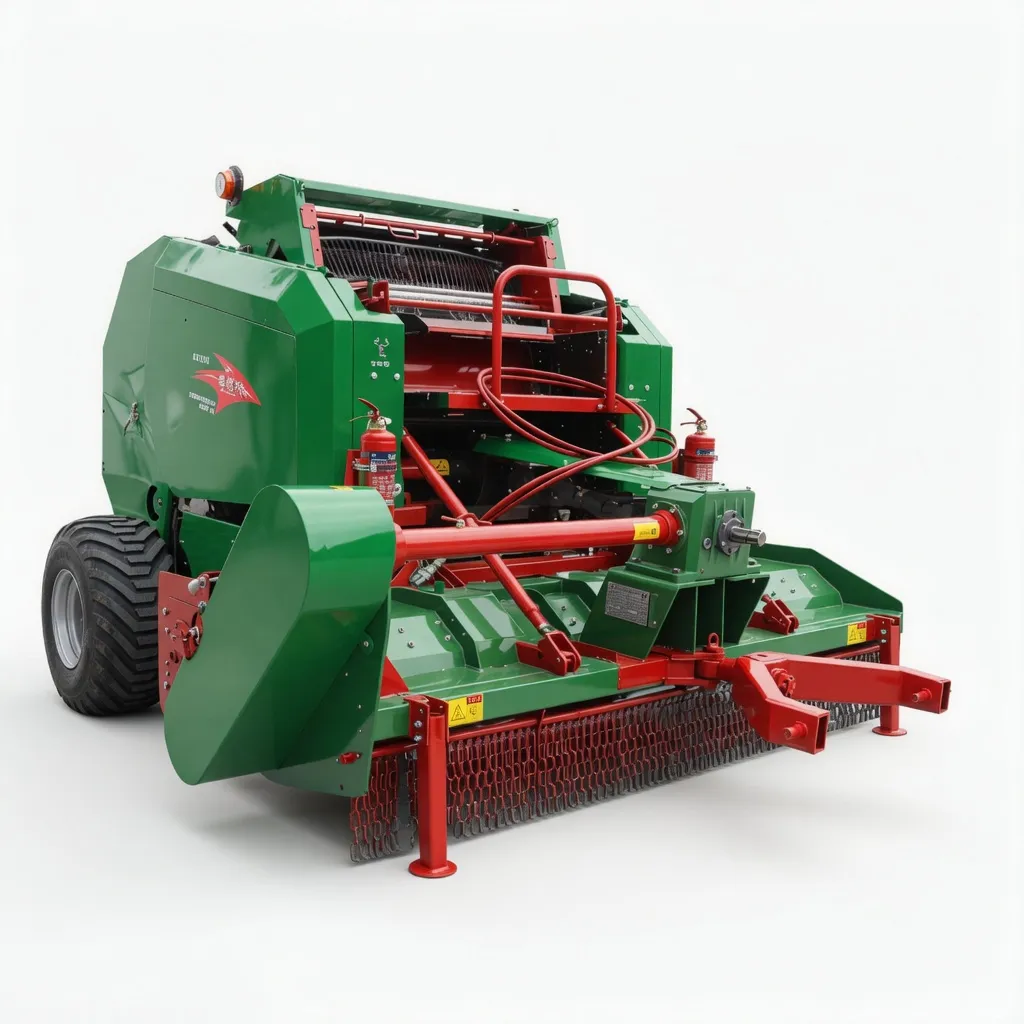
Bale density and moisture at the time of wrapping are the two crop-side variables that most influence how well a given layer count performs — a dense, properly moisture-managed bale is easier to preserve with fewer layers than a loose or wet bale.
The Cost Difference Between 4 and 6 Layers
Six layers uses 50% more film than four layers. At AUD $140 per 850 mm × 1,500 m roll, and approximately 22 bales wrapped per roll at four layers on a standard 1.2 m bale, the per-bale film cost at four layers is AUD $6.36 and at six layers is AUD $9.33 — a difference of AUD $2.97 per bale. For an operation wrapping 200 bales per season, the incremental cost of upgrading from four to six layers is AUD $594 per season.
A single spoiled bale of lucerne silage at AUD $550/tonne (1.5-tonne bale) represents AUD $825 of feed value lost. If six layers prevents even one additional spoilage per 200-bale season compared to four layers, it has paid for itself with surplus. In high-bird-pressure environments where puncture rates of 5–10% have been measured on four-layer-wrapped silage, the incremental cost of six layers is trivial compared to the spoilage prevention value.
Can You Mix Layer Counts in the Same Stack?
Yes — and this is a practical cost-management strategy that many experienced operators use. Apply six layers to the bales in the most exposed positions: the outermost bale in each row (maximum UV and bird exposure), bales placed on sloped ground, and the first and last bale in each row. Apply four layers to interior bales that are sheltered by adjacent bales and ground contact on multiple sides. This targeted approach typically reduces total film cost by 15–20% compared to six layers on all bales while providing maximum protection at the highest-risk positions.
On the 9YCM-850 wrapping machine, switching between four and six layers requires adjusting the hydraulic flow control to the table drive by a single valve turn — the change takes under 60 seconds and can be made between bales without stopping the session.
Recommended Product: 9YCM-850 Bundling Film Wrapping Machine
Adjustable 4–6 layer wrap via hydraulic flow control — switch between layer counts between bales in under 60 seconds. 55–70% film pre-stretch for tight, self-sealing coverage. Handles 1,000–1,600 mm round bales. Compatible with standard 850 mm UV-stabilised silage film. Available from EverPower’s Condell Park NSW warehouse with Australia-wide delivery.
Frequently Asked Questions
Wrap for Your Conditions. Not for Convention.
EverPower can advise on layer count and film specification for your climate zone, crop type, and storage duration.
EverPower Baling Machinery Australia Pty Ltd | 27 Harley Crescent, Condell Park NSW 2200
📞 +61 2 9708 3322 | ✉️ [email protected]