
How beef producers in Western Australia’s south coast and Tasmania’s midlands are managing winter nutrition on silage — the specific feeding programmes, silage quality requirements, and bale logistics for cold-season supplementation.
Winter Feeding in WA and Tasmania: A Different Problem to Northern Australia
The winter supplementation challenge for beef producers in WA’s Great Southern (Albany to Esperance region) and Tasmania’s midlands and northwest is the inverse of the northern Australia dry-season problem. In the south, the constraint is not total forage absence — both regions receive reliable winter rainfall that produces green grass growth from May to September. The constraint is that winter pasture growth in these regions is cold-limited: low temperatures (2 to 12°C daytime in Tasmanian midlands, 8 to 15°C in WA’s south coast) reduce pasture growth rates to below maintenance requirements for growing cattle and pregnant cows even when rainfall is adequate.
A pregnant Hereford or Angus cow in the WA Great Southern in July is on a green paddock with visible grass, but that grass is growing at 8 to 15 kg DM per hectare per day in cold conditions — roughly half the rate needed to sustain a mob at adequate stocking density. The result is body condition score loss in pregnant cows during the 6 to 8 weeks before calving — exactly the period when body condition most directly affects calf birth weight, colostrum quality, and post-calving rebreeding performance. Silage baled from the autumn flush (March to May) and fed through June to August supplements this cold-limited pasture growth shortfall.
This article covers the specific winter supplementation programme for WA Great Southern and Tasmanian beef operations — the silage quality needed for cold-season pregnant cow nutrition, the bale volumes required for a typical 100 to 250-head operation, and the baling strategy that captures the autumn flush for winter use. For the general framework of silage baling for beef stations across Australia, our article on silage baling for beef cattle stations in drought covers the full strategic context.
Winter Silage Nutrition: What Pregnant Cows Actually Need
| Cow Class | Dry Matter Need | ME Required | CP Required | Silage Role |
|---|---|---|---|---|
| Dry cow — maintenance | 8–10 kg DM/day | 8.0–9.0 MJ/kg DM | 8–9% | Primary roughage |
| Mid-pregnancy (4–7 months) | 9–11 kg DM/day | 8.5–9.5 MJ/kg DM | 9–11% | Supplement cold-limited pasture |
| Late pregnancy (8–9 months) | 10–13 kg DM/day | 9.5–10.5 MJ/kg DM | 11–13% | Critical — BCS maintenance |
| Lactating — early (0–3 months) | 11–14 kg DM/day | 9.5–10.5 MJ/kg DM | 12–14% | Energy and protein support |
| Growing steers (200–350 kg) | 6–8 kg DM/day | 9.5–10.5 MJ/kg DM | 12–14% | 0.6–0.9 kg/day gain possible |
Why Body Condition at Calving Determines the Following Year’s Performance
The most consequential nutritional period for a beef breeding cow is the 8 weeks before calving — the pre-partum phase. Cows that calve at body condition score 2.5 or below (thin) produce calves with 10 to 15% lower birth weights, have lower colostrum immunoglobulin concentrations, and take 40 to 60 days longer to resume cycling post-calving than cows calving at BCS 3.0 to 3.5. In a spring-calving WA Great Southern or Tasmanian beef herd, this means that every pre-partum feed shortfall in July and August directly depresses weaning rates and rebreeding performance for the entire following year. The cost of one BCS unit lost in late pregnancy is estimated at AUD $120 to $180 per cow in combined weaning rate and rebreeding impacts — far above the silage cost that would have prevented it.
Autumn Baling Strategy: Capturing the Feed for Winter
The March to May Window in WA and Tasmania
The autumn growth flush in WA’s Great Southern (March to May) and Tasmania’s midlands (April to June) produces the highest-quality annual pasture growth from perennial ryegrass, phalaris, and subclover stands. Cutting at this time captures: crude protein of 14 to 18% from actively growing ryegrass and legume pasture (above what is achievable in winter cuts from the same stand), ME of 10.0 to 11.0 MJ/kg DM from the high digestibility of young regrowth, and WSC content of 12 to 18% DM that supports reliable lactic acid fermentation without inoculant risk.
For a 150-head cow-calf operation in WA’s Albany region calving in August to September, the winter silage requirement is: 150 cows × 10 kg DM silage per day × 60 days supplementation = 90,000 kg DM. At 180 kg DM per 1.25 m bale: 500 bales. A 30-hectare block of established perennial ryegrass yielding 3.5 tonnes DM per hectare in the autumn flush produces 105 tonnes DM — enough for 583 bales, comfortably covering the winter programme with a 15% buffer.
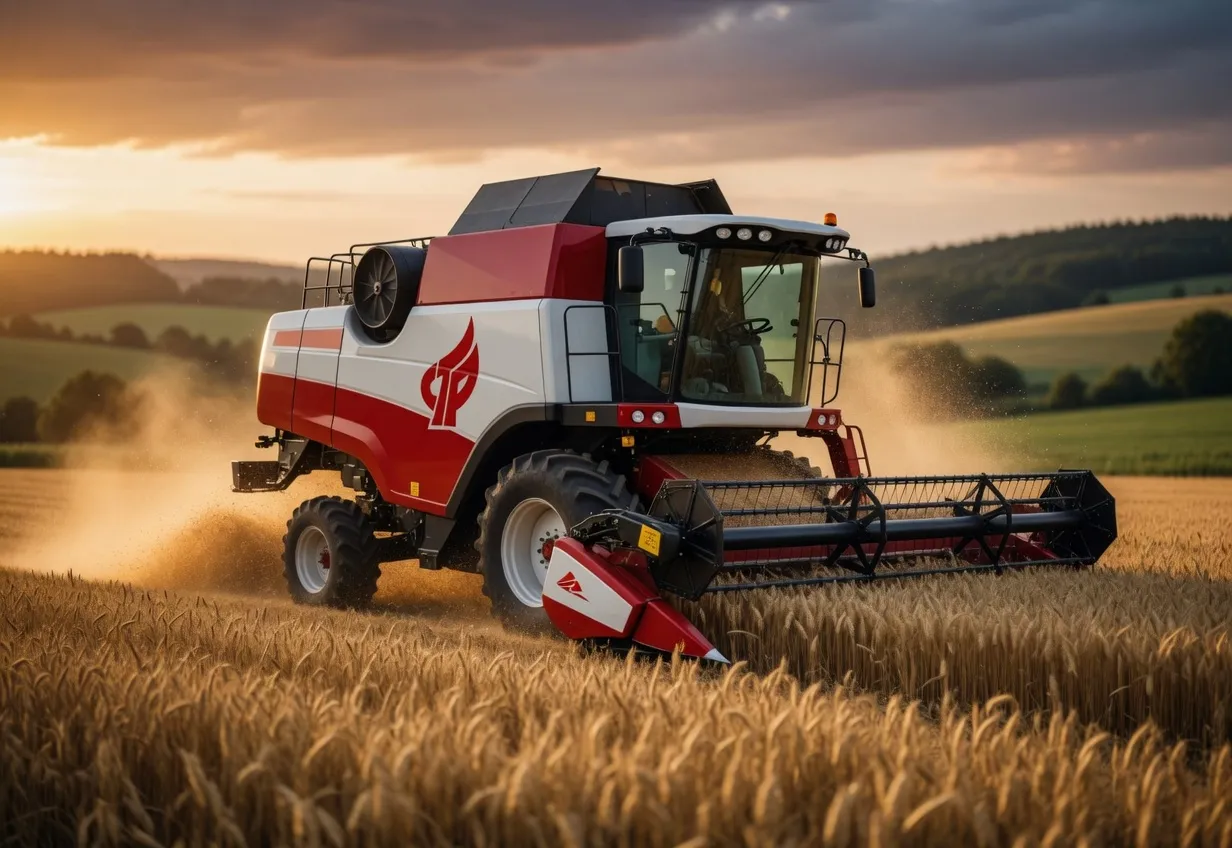
The 9YG-1.25A variable-chamber round baler handles the autumn perennial ryegrass and subclover silage crops typical of WA Great Southern and Tasmanian operations — variable chamber pressure accommodates the range of windrow weights from a first autumn cut to a third autumn cut without manual adjustment.
Cold-Season Storage and Feed-Out: What Changes in Winter
Storage Advantages in Cold Climates
WA Great Southern and Tasmanian winters provide one important silage storage advantage over warmer Australian regions: low ambient temperatures (2 to 12°C) dramatically slow aerobic deterioration on opened bale faces. A silage bale opened in Tasmanian midlands winter conditions in July can remain stable on the exposed face for 3 to 5 days before visible heating or mould development begins — compared to 12 to 24 hours in Queensland or NT summer conditions. This extended feedout stability allows operations to open larger 1.25 m bales and feed from them over 3 to 4 days without the quality loss that the same bale would suffer in warm-climate feedout.
Wet Conditions and Feeding Infrastructure
Winter feeding in WA’s south coast and Tasmania involves heavy rainfall (annual averages of 500 to 800 mm, with July and August among the wettest months) that creates muddy feeding sites and potential for hoof disease and lameness in cattle standing in wet mud at silage bale feeding points. Concrete or compacted gravel feeding pads adjacent to the silage storage area, combined with temporary electric fence exclusion from the storage pad, prevent the pugging, lameness, and silage contamination that occurs when cattle are fed directly in the paddock through heavy winter rain.
Frequently Asked Questions
Discuss Your WA or Tasmanian Winter Feeding Programme
Tell us your herd size, calving date, and autumn pasture area — we’ll help calculate the silage volume and equipment specification for your winter supplementation programme.