
Understanding PTO Speed and Its Role in Baler Performance
The power take-off (PTO) speed determines how fast the baler’s pickup, compression rollers and wrapping mechanisms operate. Most Australian tractors deliver 540 rpm at the PTO shaft, which is the standard setting for the majority of EverPower 9YG series round balers. Operating at the correct speed ensures consistent bale density, prevents overload and maximises fuel efficiency during long silage harvesting days.
Incorrect PTO speed is a leading cause of poor bale formation, excessive wear and reduced daily output. EverPower provides clear PTO recommendations in every operator manual and during on-farm training to help growers achieve optimal results across varying crop conditions and tractor models.
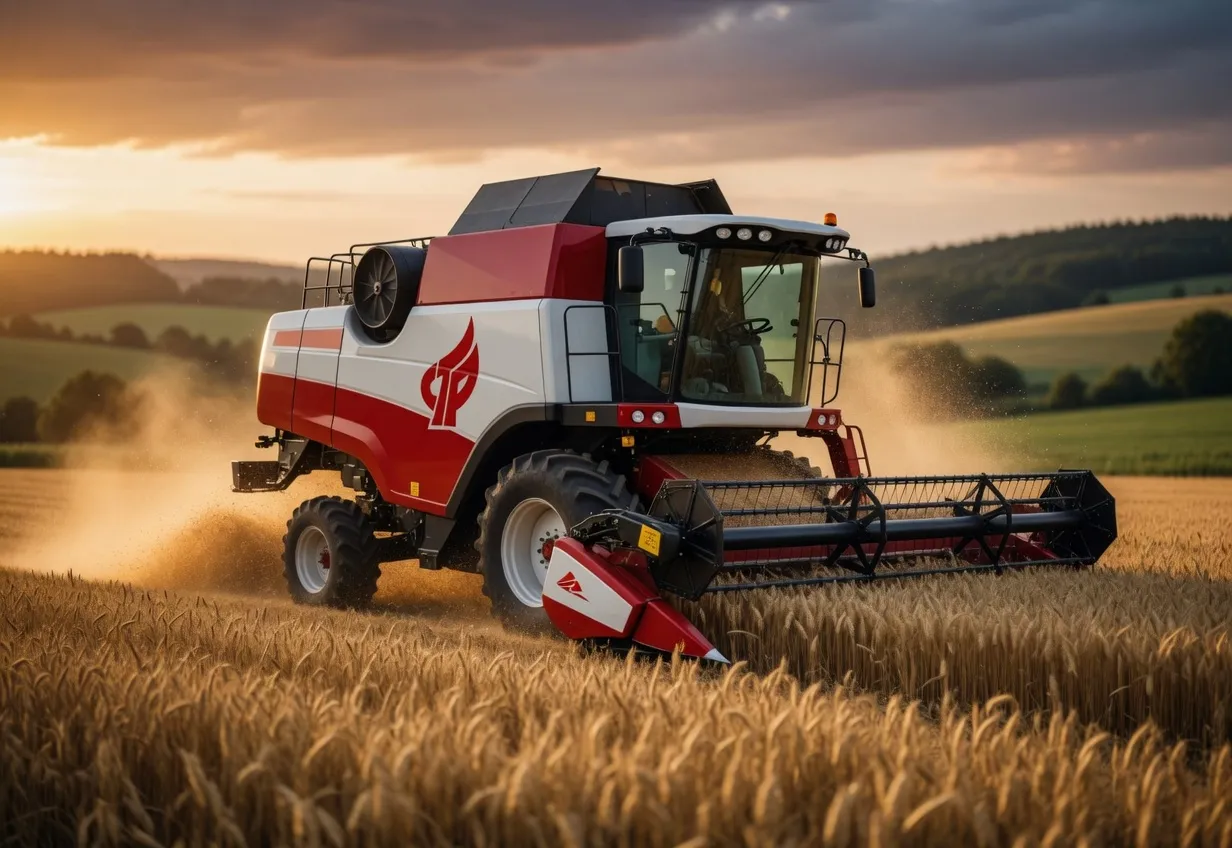
Proper PTO connection and speed setting are essential for consistent performance on the 9YG-1.25A Round Baler.
Recommended PTO Speeds for Different Models and Crops
For the 9YG-1.25 and 9YG-2.24D models, 540 rpm is the standard and most efficient setting for ryegrass, lucerne and mixed pasture silage. In heavier sorghum or maize crops, some operators reduce engine speed slightly to maintain 500 to 520 rpm at the PTO, preventing overload while preserving bale density. The larger 9YG-2.24D S9000 can handle up to 1,000 rpm on tractors equipped with 1,000 rpm PTO capability, although 540 rpm remains the most common and fuel-efficient choice.
EverPower field data shows that maintaining the recommended PTO speed improves bale weight consistency by 8 to 12 percent and reduces fuel consumption by approximately 0.8 litres per hour compared with over-speed operation.
Effects of Running at Incorrect PTO Speeds
Operating below 500 rpm causes incomplete compression, resulting in loose, poorly shaped bales that are difficult to wrap and store. Over-speeding above 580 rpm increases vibration, accelerates wear on bearings and belts, and can cause the pickup to overload in dense windrows. Both conditions reduce daily output and increase maintenance costs over a season.
Operators who consistently monitor PTO speed with the tractor’s tachometer or the baler’s electronic display report fewer breakdowns and more uniform silage quality at feed-out. EverPower balers include audible and visual warnings when PTO speed deviates from the optimal range.
How to Set and Monitor PTO Speed Correctly
Begin by engaging the PTO at idle and gradually increasing engine speed until the tachometer reads 540 rpm. Allow the baler to reach operating temperature before commencing baling. Use the tractor’s cruise control or hand throttle to maintain steady engine rpm, especially on undulating terrain where load varies. Many modern tractors display PTO speed directly on the cab monitor, eliminating guesswork.
EverPower recommends checking PTO speed at the start of each paddock and after any significant change in crop density. A simple handheld tachometer provides an independent verification if the tractor display is unavailable.
Safety Considerations When Adjusting PTO Speed
Always disengage the PTO and stop the tractor engine before making any adjustments to the driveline or baler settings. Never attempt to change engine speed while the baler is under load. Ensure all guards are in place and the operator is familiar with the emergency stop procedures before commencing work. Proper PTO speed not only improves performance but also reduces the risk of mechanical failure that could lead to injury.
EverPower provides comprehensive safety training with every new machine and includes clear PTO speed guidelines in the operator manual to promote safe and efficient operation across all baling machinery and silage baler models.
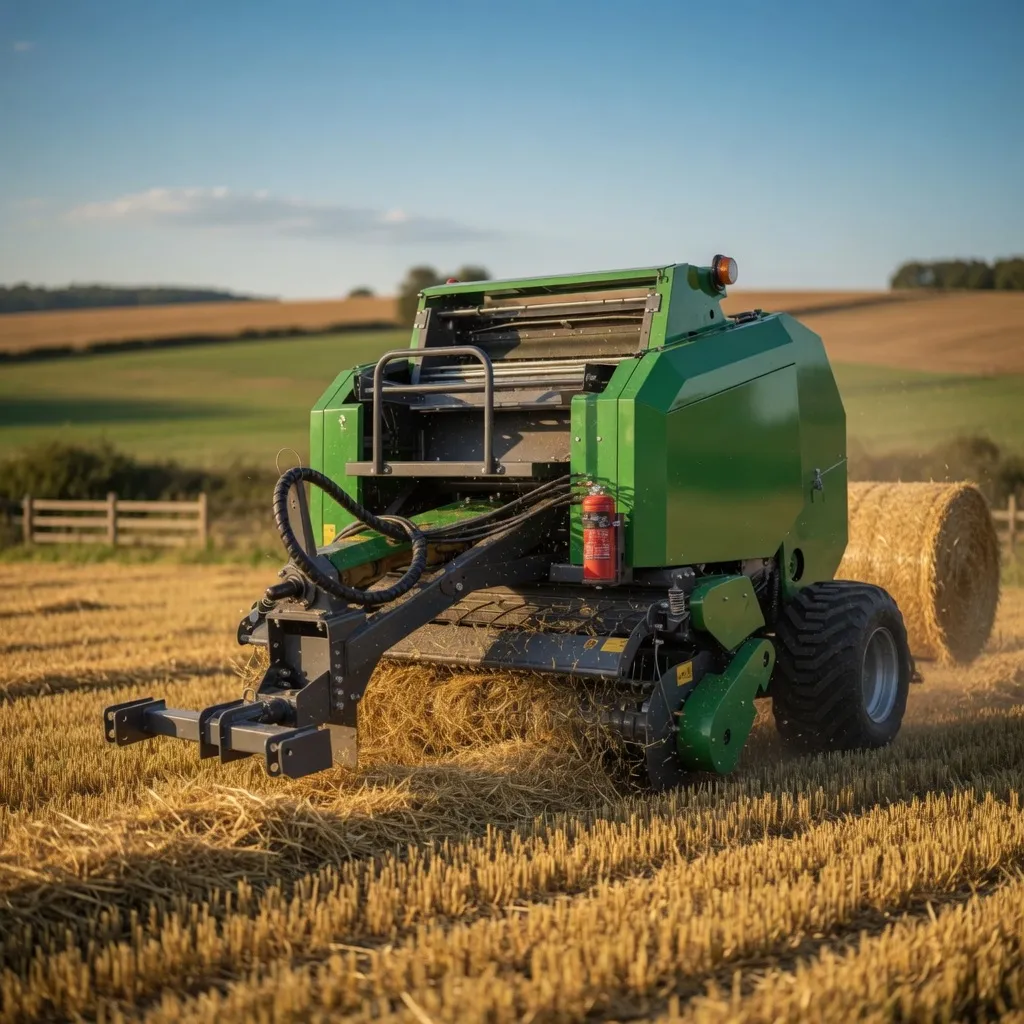
The compact 9YG-1.0 Round Baler is particularly sensitive to correct PTO speed for optimal small-farm performance.
Impact of PTO Speed on Bale Quality and Fuel Efficiency
Correct PTO speed produces bales with consistent density of 180 to 220 kilograms per cubic metre, ideal for silage fermentation and handling. Deviations of more than 40 rpm can reduce density by 10 to 15 percent, leading to poorer fermentation and higher dry-matter losses during storage. Fuel consumption also rises when the engine is forced to work outside its optimal power band.
EverPower field studies demonstrate that maintaining 540 rpm delivers the best balance of bale quality, fuel economy and component longevity across the full range of Australian silage crops.
Why EverPower Balers Perform Best at Recommended PTO Speeds
EverPower Baling Machinery Australia Pty Ltd designs all 9YG series round balers and combined baler-wrapper units around the standard 540 rpm PTO to ensure reliable performance with the majority of Australian tractors. The engineering team conducts extensive testing under local conditions to confirm that the recommended speeds deliver maximum output with minimal wear. Local support at 27 Harley Crescent, Condell Park NSW 2200 includes PTO speed verification during every pre-season service.
Contact +61 2 9708 3322 or [email protected] for personalised advice on matching your tractor and baler for optimal results.

Rigorous testing at the EverPower facility ensures every baler performs reliably at the recommended PTO speed.
Recommended Product: 9YG-2.24D Round Baler
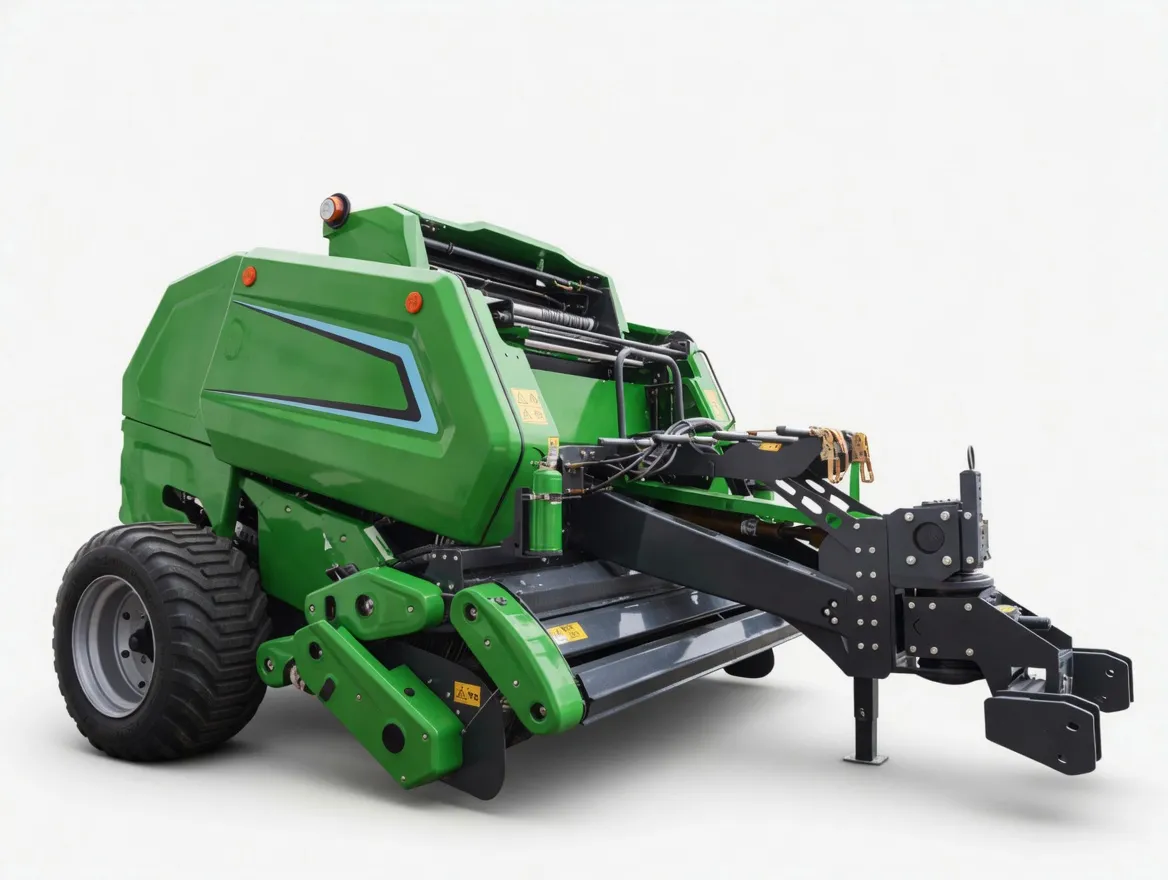
The 9YG-2.24D Round Baler is factory-calibrated for 540 rpm PTO operation and delivers consistent 18 to 25 bales per hour across a wide range of silage crops. Its electronic monitoring system alerts the operator immediately if PTO speed deviates, protecting both machine and bale quality.
Frequently Asked Questions
Need to Confirm the Correct PTO Speed for Your Setup?
Our technicians can verify settings on-site and optimise performance for your tractor and crops.
EverPower Baling Machinery Australia Pty Ltd | 27 Harley Crescent, Condell Park NSW 2200
📞 +61 2 9708 3322 | ✉️ [email protected]