Hammer Size Determines Output Quality — and Most Operators Never Change It
Most forage grinder operators choose a screen size and leave it for the season. Fewer consider the hammer itself as a variable — yet hammer mass, width, and thickness are the primary determinants of how much kinetic energy is delivered per strike and therefore how efficiently a given screen size produces its target particle distribution. A hammer that is too light for a dense, hard material like corn stover produces excessive fines and coarse outliers simultaneously — it fractures the soft leaf tissue to dust while leaving the hard nodes largely intact. A hammer that is too heavy for soft dry hay over-fractures the material, producing an elevated fines fraction that reduces the effective fibre length in the output. Matching hammer size to the primary feed material is the most underutilised adjustment available in a hammer-mill forage grinder. This guide covers what hammer size means in practice, how to evaluate whether your current hammer is appropriate for your material, and when to consider requesting a different hammer specification from your supplier.
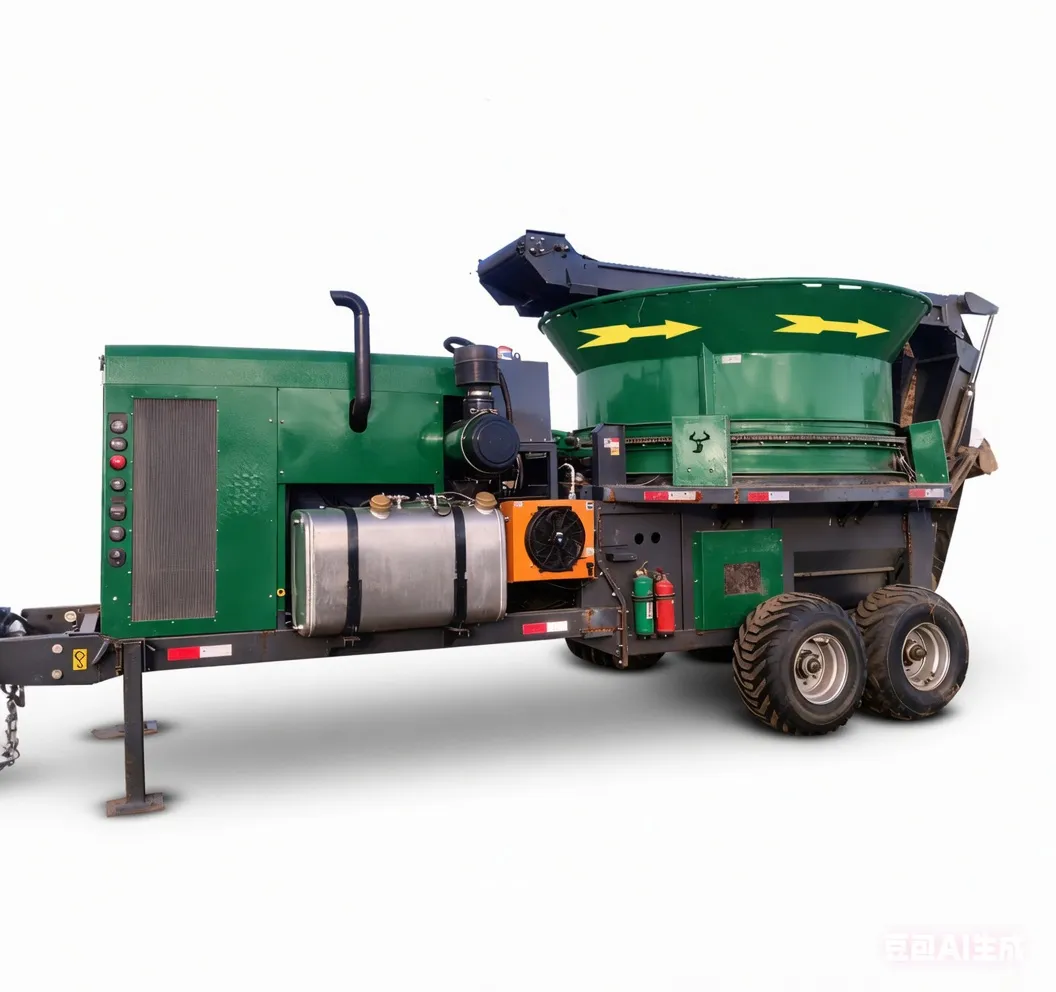
Hammer mass and geometry determine how much kinetic energy reaches the material at each strike — matching hammer specification to the primary feed material produces more consistent particle size and better screen efficiency than using a single hammer specification across all materials.
What “Hammer Size” Actually Means
In the context of a hammer-mill forage grinder, hammer size refers to three related dimensions: hammer mass (weight in grams), hammer width (the dimension parallel to the rotor axis, which determines how wide a band of material the hammer engages per pass), and hammer thickness (the cross-sectional thickness of the striking face). All three affect performance, but in different ways.
Hammer mass is the primary energy variable. Kinetic energy at the tip = ½ × mass × tip velocity². Heavier hammers carry more energy per strike at the same RPM — they are more effective at fracturing dense, hard materials that absorb significant energy before fracturing. Lighter hammers deliver less energy per strike but create more strikes per unit time at the same rotor speed (because the lighter rotor can accelerate faster between chamber impacts), which suits soft, friable materials that fracture easily.
Hammer width determines the contact width per pass. A wider hammer engages more material per strike but also generates more resistance from the material, which can reduce effective tip speed on underpowered machines. A narrower hammer creates less resistance per strike, allows more penetration into dense material, and is appropriate for very tough materials like dried corncobs.
Hammer thickness affects durability — thicker hammers wear longer but may produce slightly coarser initial fracture due to a wider striking face. Most standard agricultural forage grinder hammers are 10–12 mm thick; heavy-duty hammers for abrasive materials are 14–16 mm.
Matching Hammer Mass to Feed Material
Signs That Your Hammer Is Wrong for Your Material
Too light for the material: Output contains a high proportion of unground or minimally ground particles — long fibres passing through the screen despite the screen hole size being appropriate. Motor current draw is lower than expected (hammer is not engaging the material effectively). Throughput may appear high but the Penn State sieve test shows an elevated proportion on the 19 mm sieve. This pattern is most common when using hay-weight hammers on straw or corn stover.
Too heavy for the material: Output contains an elevated fines fraction (below 2 mm) while achieving the target particle size on the main fraction. The dusty output fraction is avoided by cattle and accumulates at the bunk floor. Motor current draw is higher than expected for the material density and throughput rate. This pattern is most common when using straw-weight hammers on dry lucerne or soft hay.
Both patterns simultaneously: If the output has both excess fines AND excess coarse material relative to the screen size, the issue is usually not hammer weight — it is hammer wear combined with screen damage. Replace both hammers and screens before adjusting hammer weight specification.
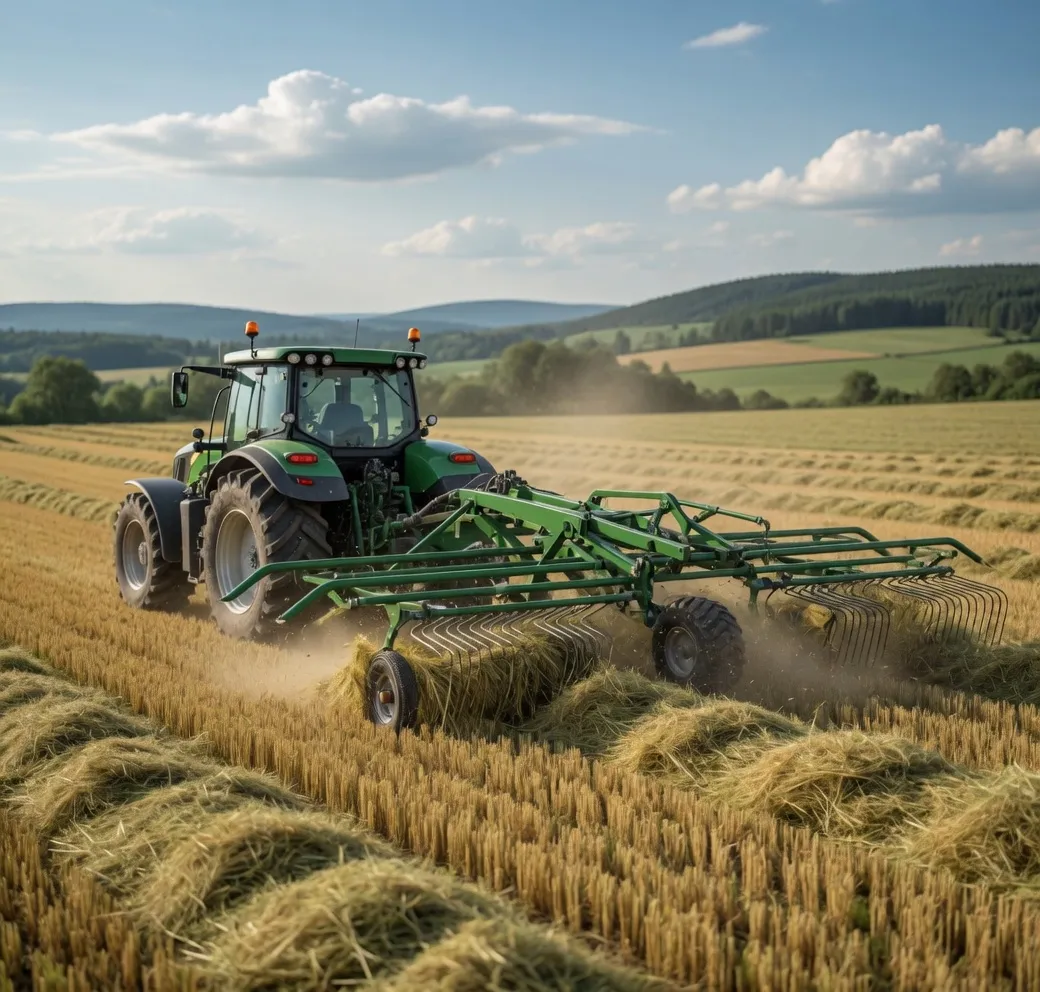
Regular Penn State sieve testing of grinder output is the most reliable way to confirm whether your current hammer specification is producing the target particle distribution for your feed material and screen size combination.
The 9F-70’s Standard Hammer and When to Upgrade
The 9F-70 Animal Feed Grass Grinder from EverPower is fitted as standard with medium-weight through-hardened manganese steel hammers in the 120–140 g range — a specification appropriate for the majority of Australian applications that combine dry hay, lucerne, and straw in a single operation. This is a deliberate all-round choice: it produces adequate output quality across the full material range without requiring operators to manage multiple hammer sets.
Operators whose primary material is corn stover or other dense crop residues — and who are observing elevated coarse particle fractions despite fresh hammers and correct screen — should contact EverPower to discuss a heavier hammer option for the 9F-70. Conversely, operators grinding predominantly lucerne at high throughput who are observing an elevated fines fraction can discuss a lighter hammer option. Both alternatives are available subject to rotor balance confirmation — hammer weight changes must be implemented as matched sets to maintain rotor balance.
Recommended Product: 9F-70 Animal Feed Grass Grinder
700 mm rotor hammer mill with medium-weight through-hardened manganese steel hammers suited for hay, lucerne, and straw across Australian operating conditions. Replacement hammer sets in standard and alternative weight specifications available from EverPower’s Condell Park NSW warehouse. 500–800 kg/hour throughput on dry hay. Electric and diesel power options.
Frequently Asked Questions
Right Hammer. Right Material. Consistent Particle Size.
EverPower can advise on the optimal hammer specification for your primary feed material and supply the correct replacement set for your 9F-70.
EverPower Baling Machinery Australia Pty Ltd | 27 Harley Crescent, Condell Park NSW 2200
📞 +61 2 9708 3322 | ✉️ [email protected]