
The Traditional Manual Bean Pulling Process
Manual bean pulling remains common on smaller Australian holdings where capital investment is limited or fields are too irregular for machinery. Workers walk the ridges, grasp each plant at the base, and pull upward with a twisting motion to release the root system. The plants are then laid in loose piles or carried to a central collection point for later windrowing or baling. This method requires no specialised equipment beyond gloves and basic hand tools, yet it is physically demanding and highly weather-dependent.
In practice, experienced crews achieve 0.15 to 0.25 hectares per person per day on typical kidney bean crops. The work is repetitive, involves constant bending, and exposes workers to sun, dust and potential back strain. On properties exceeding 20 hectares, the labour requirement quickly becomes the limiting factor, forcing growers either to hire additional casual staff or to accept delayed harvest and associated quality risks.
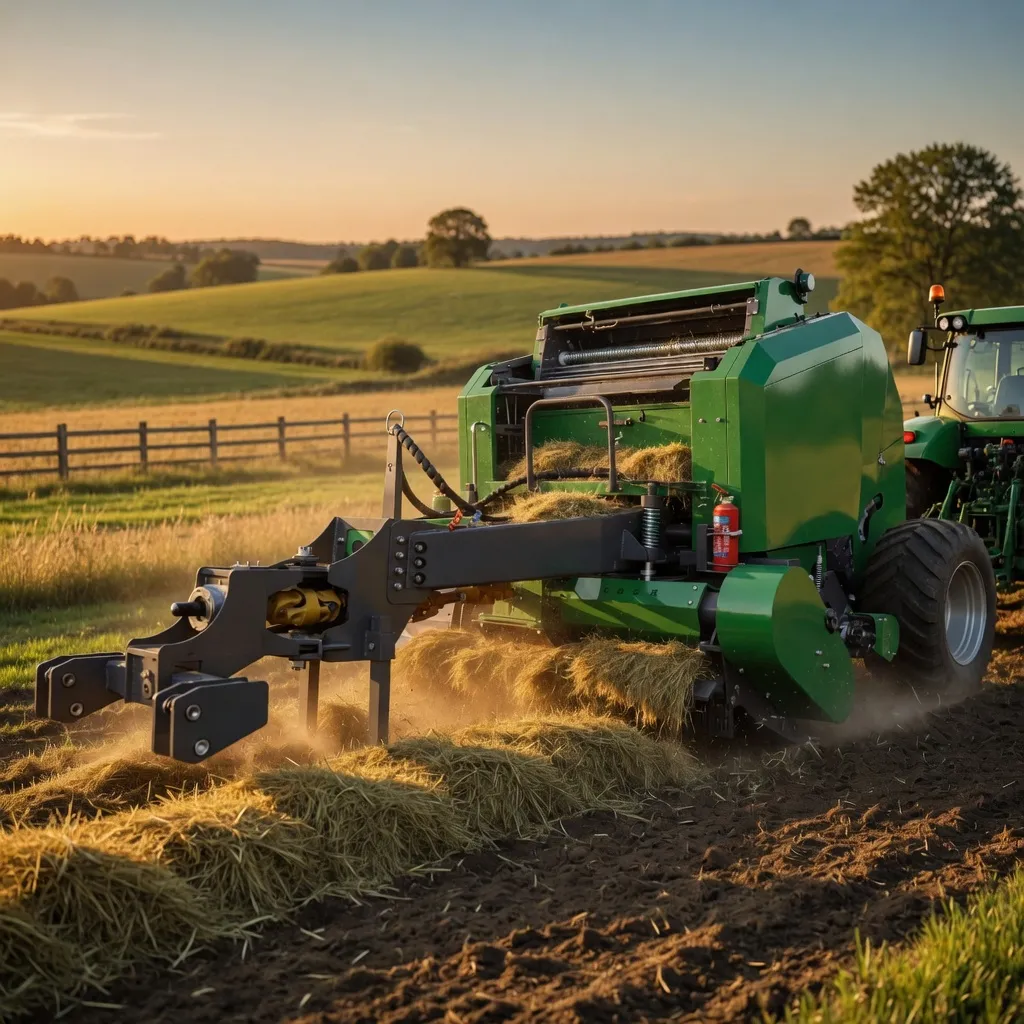
Round balers efficiently collect windrows produced by mechanical bean pullers, completing the harvest chain with minimal additional labour.
Labour Requirements and Physical Demands of Hand Harvesting
A typical 40-hectare bean crop requires between 1,000 and 1,600 person-hours when harvested entirely by hand, assuming average crew productivity. At current casual agricultural rates of 38 to 45 AUD per hour in New South Wales, this equates to 38,000 to 72,000 AUD in direct labour cost for a single season. Additional expenses arise from workers’ compensation insurance, transport, meals and accommodation for non-local crews.
Beyond monetary cost, manual pulling carries significant ergonomic and safety risks. Studies by Australian agricultural health organisations indicate elevated rates of lower-back injury and heat-related illness among seasonal bean harvesters. These factors contribute to high staff turnover and difficulty securing reliable labour during peak periods, further increasing indirect costs through delays and incomplete harvest.
Machine-Based Pulling: Efficiency Gains and Workflow
A single operator on a 2.6 m bean puller covers 1.6 to 2.3 hectares per hour, completing the same 40-hectare block in approximately 18 to 25 hours of tractor time. Adding fuel, maintenance and depreciation, the total operating cost typically falls between 85 and 115 AUD per hectare. This represents a reduction of 85 to 92 percent in direct harvest cost compared with hand labour.
The machine workflow is simple: one pass pulls, elevates and windrows the crop. The resulting windrow dries uniformly and can be collected by existing balers or forage equipment already on the farm. No additional raking or manual handling is required in most cases, further lowering labour input to a single tractor driver for the entire harvest operation.
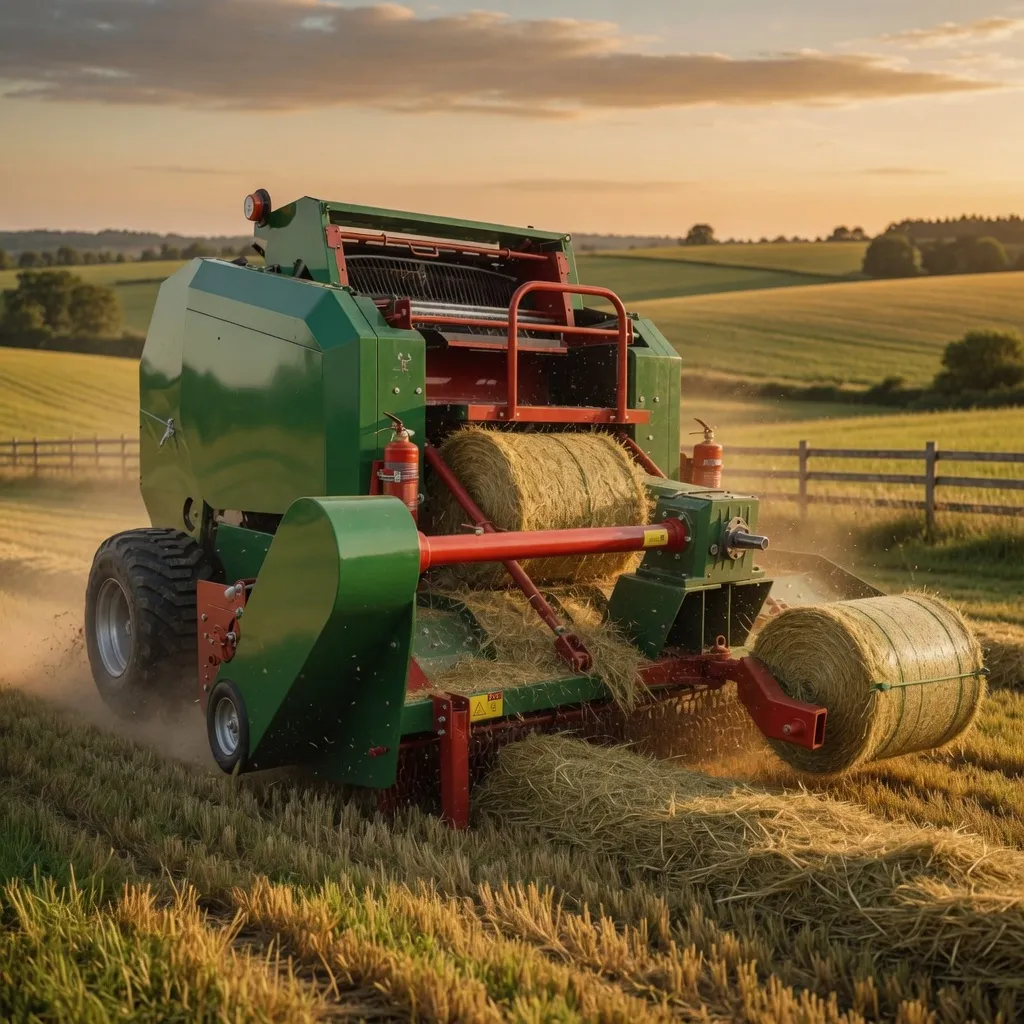
Compact round balers pair effectively with bean puller windrows on mid-size properties, maintaining a fully mechanised harvest flow.
Direct Cost Comparison: Labour, Fuel, Maintenance and Depreciation
The following table summarises typical costs for a 40-hectare kidney bean enterprise in New South Wales during the 2025–2026 season.
Even after including the purchase price of a 2.6 m machine at approximately 29,500 AUD, the payback period on a 40-hectare enterprise is less than two seasons when labour savings are taken into account.
Hidden Costs: Crop Loss, Quality and Seasonality
Manual harvesting typically incurs 12 to 18 percent crop loss through pods left on the ground, damaged during handling, or spoiled by rain while lying in loose piles. Mechanical pulling reduces this figure to 5 to 8 percent, representing an additional 4 to 6 tonnes of recoverable beans per 40 hectares at current market prices of 1,800 to 2,200 AUD per tonne. The quality improvement also commands a price premium from buyers who prefer cleaner, more uniform samples.
Seasonal timing further favours the machine. A 40-hectare block that takes a manual crew 12 to 16 days to complete can be finished by one operator in three to four days. This shorter window reduces exposure to weather risk and allows earlier land preparation for the following crop, improving overall farm rotation efficiency.
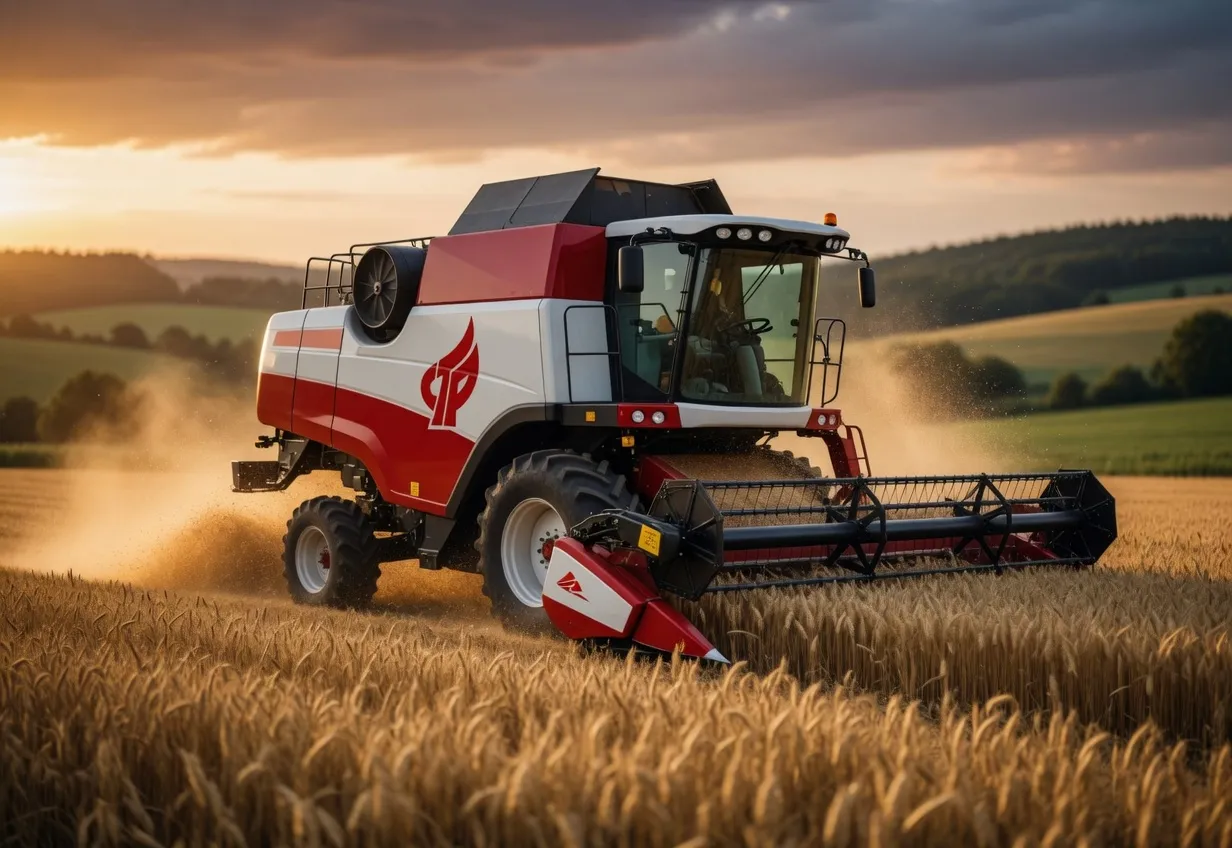
Mid-size round balers integrate seamlessly with machine-produced windrows, completing harvest with a single additional pass.
Case Studies from Australian Bean Growers
A 55-hectare property near Moree, New South Wales, switched from manual pulling to a 4BYH-2.6 in 2024. Direct labour expenditure fell from 61,000 AUD to 9,400 AUD in the first season. The grower also recorded a 9 percent increase in marketable yield due to reduced ground loss and faster collection before rainfall. The machine paid for itself within 18 months and is now used on an additional 30 hectares of neighbouring land under contract.
Another operator in the Riverina with 28 hectares reported that the reliability of the mechanical system allowed him to reduce his casual workforce from seven to two people during harvest, freeing capital and management time for other enterprises on the property. Both cases illustrate that the transition delivers benefits beyond simple cost reduction, including improved work-life balance and operational flexibility.
Environmental and Ergonomic Considerations
Mechanical pulling consumes diesel fuel yet eliminates the need for multiple vehicles transporting crews and the associated emissions. Soil compaction is also reduced because fewer passes are made across the field. From an ergonomic perspective, the operator remains seated in a climate-controlled cab, eliminating the physical strain and heat exposure inherent in manual work.
EverPower machines incorporate features such as low-vibration drivelines and easy-access service points that further reduce operator fatigue during long harvest days. These design choices reflect a broader commitment to sustainable and humane agricultural practices across the entire product line, including baling machinery and silage baler equipment.
Making the Investment Decision: When Machine Becomes the Clear Choice
For enterprises below 15 hectares with abundant family labour, manual pulling may still be economically rational in the short term. Once annual harvest area exceeds 25 hectares, or when reliable casual labour becomes difficult to secure, the financial and operational case for a bean puller becomes compelling. The combination of lower direct cost, reduced crop loss, faster completion and improved working conditions delivers a clear return on investment within two seasons for most Australian growers.
EverPower Baling Machinery Australia Pty Ltd provides detailed cost-benefit analyses tailored to individual farm size, bean variety and existing equipment. Contact the team at 27 Harley Crescent, Condell Park NSW 2200 or telephone +61 2 9708 3322 to discuss your specific circumstances and explore finance options that preserve working capital.

Rigorous field testing of 4BYH series machines ensures reliable performance across diverse Australian soil and crop conditions.
Recommended Product: 4BYH-2.6 Kidney Bean Puller
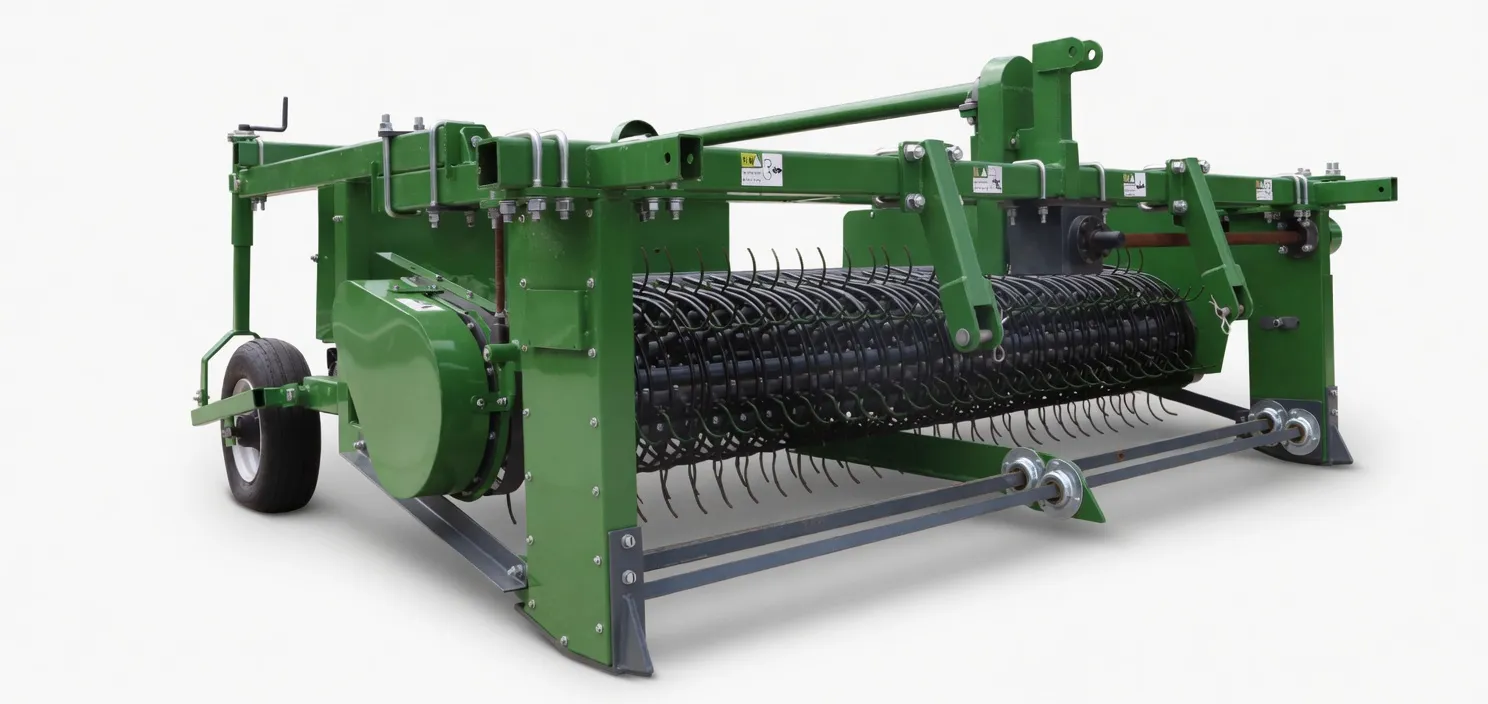
The 4BYH-2.6 provides the ideal capacity for farms of 30 to 120 hectares. Its 2.6 m width, four-ridge configuration and 80–100 HP requirement deliver 1.6 to 2.3 hectares per hour with outstanding pod recovery and windrow quality. Proven durability and local spare-parts support make it the most frequently chosen model among mid-size Australian bean growers.
Frequently Asked Questions
Considering the Switch to Mechanised Harvesting?
Let our team prepare a detailed cost comparison for your specific acreage and labour situation.
EverPower Baling Machinery Australia Pty Ltd | 27 Harley Crescent, Condell Park NSW 2200
📞 +61 2 9708 3322 | ✉️ [email protected]