Power Rating Determines Throughput Capacity — and Nothing Else Substitutes for It
Choosing the wrong power rating for a forage grinder is one of the most common and expensive purchasing mistakes in Australian feedlot and livestock-feeding operations. An underpowered machine trips its thermal protection under full load, forces the operator to feed at a fraction of the rated rate to keep the motor running, and fails to deliver the daily grinding volume required without running extended hours. An overpowered machine wastes capital and draws electricity or fuel for capacity that never reaches the feed it is supposed to produce. Power rating is not a marketing number — it is the physical ceiling on the work the machine can do. Understanding what power rating your operation genuinely needs, and why the 9F-70’s 11–15 kW specification fits the majority of Australian beef and small dairy operations, prevents both the underpowered and overpowered mistake.
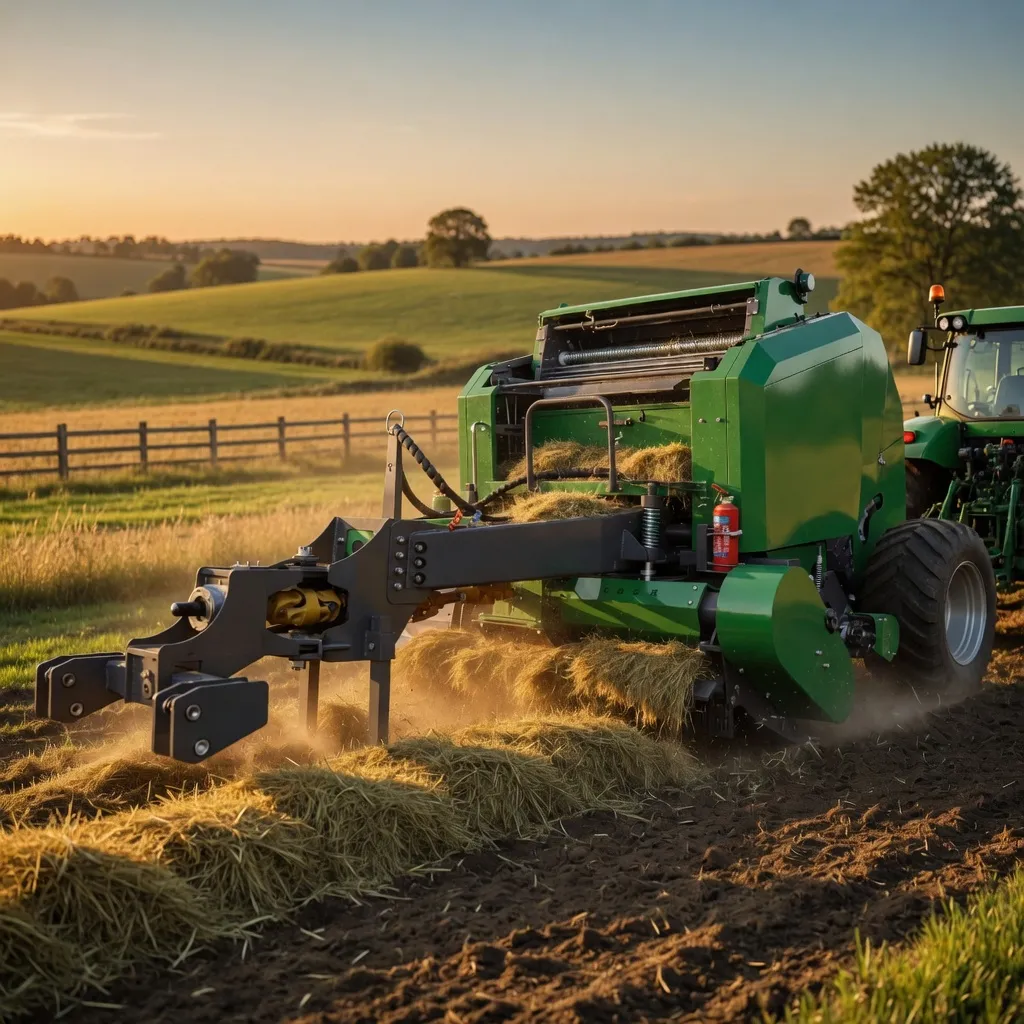
High-volume feeding operations require power ratings matched to daily roughage tonnage — a mismatch between grinder power and herd size creates a daily bottleneck that limits the operation’s productive capacity.
How Power Rating Connects to Throughput
In a hammer-mill grinder, the motor’s power output determines how much kinetic energy the rotor delivers per unit of time. More energy per second means more fracture events per second, which means more material processed per hour — throughput. The relationship is not perfectly linear because screen size, material hardness, and moisture content also affect how efficiently each watt of input power converts to size reduction work. But as a practical rule, doubling power approximately doubles throughput capacity at equivalent particle size settings.
The 9F-70 at 11–15 kW delivers 500–800 kg/hour on dry hay and 300–550 kg/hour on straw and corn stover. A 7–8 kW grinder of similar rotor diameter delivers approximately 300–450 kg/hour on dry hay — adequate for very small operations but insufficient for the 400–800 kg/day requirements of a 100–200 head feedlot. A 22 kW machine delivers 900–1,400 kg/hour on dry hay, which is appropriate for large commercial feedlots or feed mills but represents significant over-investment for operations below 400 head.
Calculating the Power Rating You Actually Need
The calculation has four steps. Work through them for your operation before comparing machines.
Daily as-fed roughage requirement
Headcount × daily DM intake per head × roughage fraction of ration ÷ hay DM percentage. Example: 150 beef cattle × 10 kg DM/head/day × 0.35 roughage fraction ÷ 0.85 hay DM = 618 kg as-fed hay per day.
Available grinding window per day
How many hours can you realistically allocate to grinding each day? For most operations: 1–2 hours during morning feed preparation. Example: 1.5 hours available.
Required throughput in kg/hour
Daily requirement ÷ grinding window. Example: 618 kg ÷ 1.5 hours = 412 kg/hour minimum required throughput.
Match to machine power rating
Select a machine whose rated throughput at your screen size and material type comfortably exceeds the required figure — ideally by 20–30% to allow for material variation, screen blockage pauses, and feed loading time. Example: 412 kg/hour required → 9F-70 at 500–800 kg/hour on dry hay with 8 mm screen provides 20–90% headroom. Suitable.
Power Rating by Feedlot Size: Practical Reference
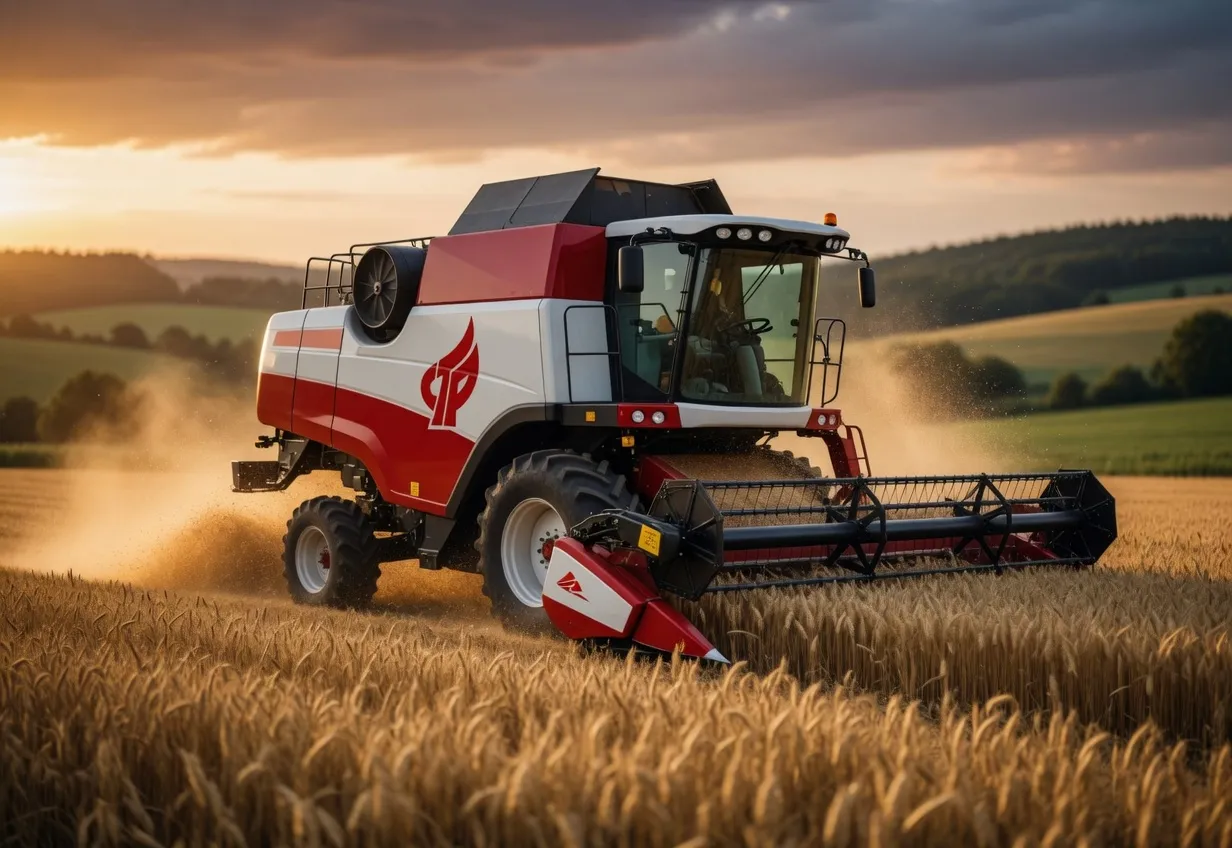
A well-sized forage grinding system keeps pace with the daily feed chain — from bale storage through grinding to the TMR mixer — without creating bottlenecks that slow the operation during peak production periods.
Why the 9F-70’s 11–15 kW Rating Fits the Australian Mainstream Market
The majority of Australian feedlots and backgrounding operations run between 80 and 300 head. The daily hay grinding requirement for these operations falls in the 330–1,200 kg range. The 9F-70 at 11–15 kW, processing 500–800 kg/hour on dry hay with an 8 mm screen, covers the full range of 80–200 head operations comfortably within a 1.5-hour grinding window. For the upper end (200–300 head), a 2-hour grinding window or a slightly larger screen size extends coverage without requiring a machine upgrade.
This range also aligns with the standard 3-phase electrical supply on Australian farm properties — 15 kW draws approximately 30 amps on a 415 V 3-phase supply, which is within the capacity of a standard 32-amp circuit breaker and does not require special high-current installation. For off-grid or remote properties, the diesel option provides equivalent grinding performance from a self-contained power source.
Operations above 300 head that are scaling up should contact EverPower to discuss whether two 9F-70 units running in parallel (which provides redundancy as well as additional throughput) or a larger single machine better fits their infrastructure and operational model.
Recommended Product: 9F-70 Animal Feed Grass Grinder
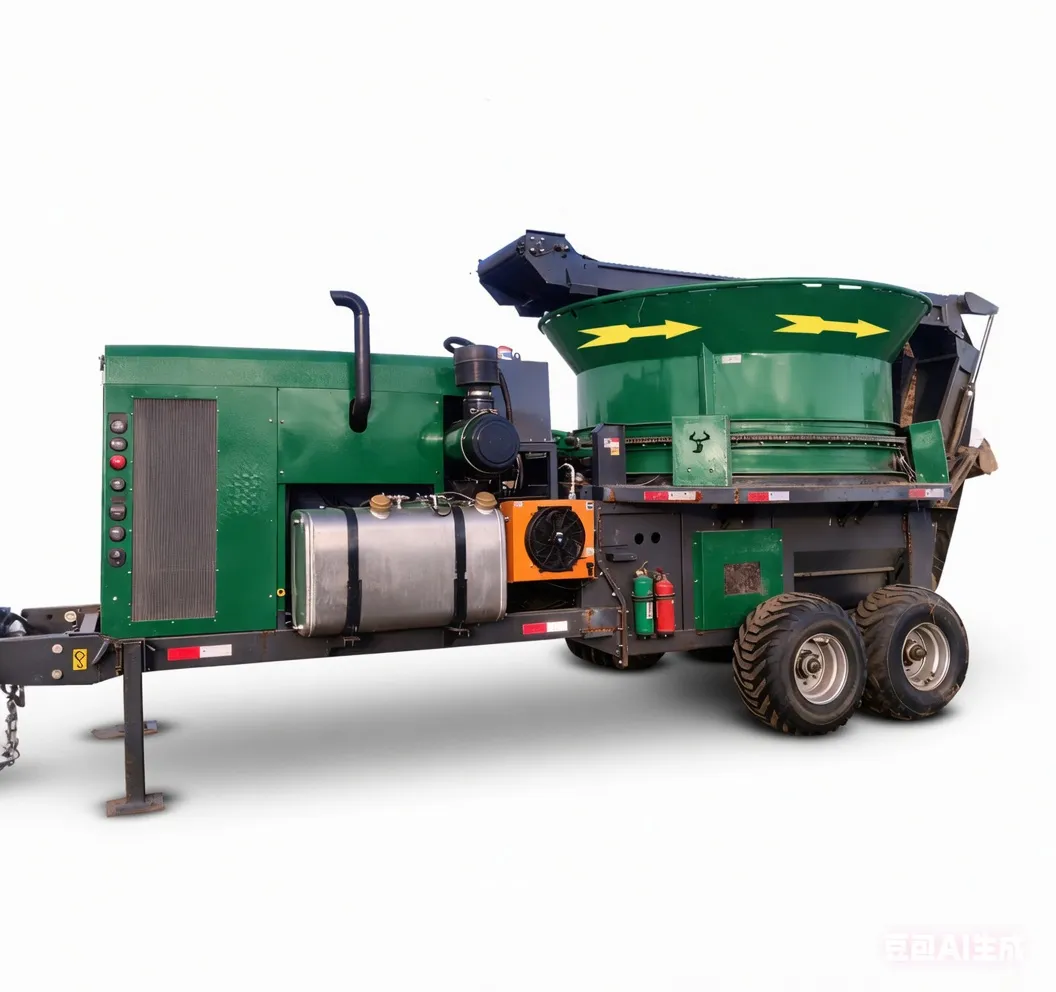
11–15 kW rated power. 500–800 kg/hour on dry hay with 8 mm screen. Fits standard 3-phase 415 V farm supply (30 A circuit breaker). Also available in diesel configuration for off-grid properties. Covers 80–200 head feedlot and backgrounding operations in a 1.5-hour daily grinding window. Full spare-parts support from EverPower’s Condell Park NSW warehouse, Australia-wide delivery.
Frequently Asked Questions
Right-Size Your Grinder Before You Buy.
EverPower will confirm whether the 9F-70 covers your daily roughage requirement — or advise on the right configuration if your operation is larger.
EverPower Baling Machinery Australia Pty Ltd | 27 Harley Crescent, Condell Park NSW 2200
📞 +61 2 9708 3322 | ✉️ [email protected]