
Understanding the Role of Film Layers in Silage Preservation
The number of silage film layers directly determines the oxygen barrier that protects the bale during fermentation and storage. Each additional layer reduces oxygen permeability, but also increases material cost and application time. The goal is to apply the minimum number of layers that maintains an anaerobic environment for at least 12 months while balancing economics and labour.
EverPower Baling Machinery Australia Pty Ltd recommends starting with the manufacturer’s baseline and adjusting based on crop moisture, storage duration and expected handling. Proper layer selection prevents the most common causes of spoilage: oxygen ingress leading to mould and butyric acid formation.

The 9YCM-850 Bale Wrapper applies precise layers for optimal silage preservation on every bale.
Standard Layer Recommendations by Crop and Moisture
For standard ryegrass or mixed pasture silage at 50 to 60 percent moisture stored for up to six months, four layers of 25-micron film provide adequate protection. Increase to five layers when moisture exceeds 65 percent or when bales will be stored longer than nine months. Lucerne and other leafy crops benefit from an extra layer due to higher respiration rates during the initial fermentation phase.
EverPower field trials across New South Wales show that five-layer wrapping reduces spoilage incidence by 40 percent compared with four layers under identical storage conditions, with the additional film cost recovered through higher feed value at opening.
Factors That Influence Required Layer Count
Key variables include expected storage duration, handling frequency, UV exposure and film quality. Bales stored outdoors or moved multiple times before feeding require six layers for maximum protection. High-quality, low-oxygen-permeability film from reputable suppliers can achieve the same protection with one fewer layer than lower-grade alternatives. Always verify film specifications before purchase.
Operators who document layer counts and storage outcomes build a farm-specific database that guides future decisions and reduces waste from over-wrapping.
Cost and Labour Implications of Additional Layers
Each extra layer adds approximately 0.08 to 0.12 AUD per bale in film cost and 3 to 5 seconds of wrapping time. On a 1,000-bale season, moving from four to six layers increases expenditure by 160 to 240 AUD while extending daily wrapping time by 50 to 80 minutes. The decision should weigh these costs against the value of reduced spoilage and higher livestock performance from better-preserved feed.
EverPower helps customers calculate the break-even point based on their specific film price, labour rate and expected storage losses, ensuring the chosen layer count delivers genuine economic benefit.
Best Practices for Consistent Layer Application
Always apply layers with 50 to 70 percent overlap and maintain correct film tension (typically 70 percent pre-stretch). Use the wrapper’s layer counter and verify actual coverage on the first few bales of each day. Replace film rolls before they run out to avoid incomplete wraps. Store film rolls upright in a cool, shaded area to prevent degradation before use.
These simple disciplines ensure every bale receives the intended protection regardless of operator or time of day.
The 9YCM-850 ensures accurate, consistent layer application for reliable silage preservation.
When to Increase Layers Beyond Standard Recommendations
Increase to six or seven layers when bales will be stored longer than 12 months, handled frequently, or exposed to direct sunlight for extended periods. High-value crops destined for export or premium livestock rations also justify extra layers to guarantee maximum nutritional retention. In regions with extreme summer temperatures, additional layers provide extra thermal protection that helps maintain fermentation stability.
EverPower supplies technical guidance on layer selection tailored to local climate and storage practices, helping customers optimise both quality and cost.
Why Proper Film Layering Protects Your Investment in Silage
EverPower Baling Machinery Australia Pty Ltd designs its round balers and 9YCM-850 bale wrappers to work together for optimal film application. Correct layer counts preserve the high nutritional value achieved through precise baling, delivering superior feed that supports higher milk yields and faster weight gains. Local support at 27 Harley Crescent, Condell Park NSW 2200 ensures customers receive the latest film technology recommendations and troubleshooting assistance when needed.
Contact +61 2 9708 3322 or [email protected] for film selection advice or wrapper calibration services.
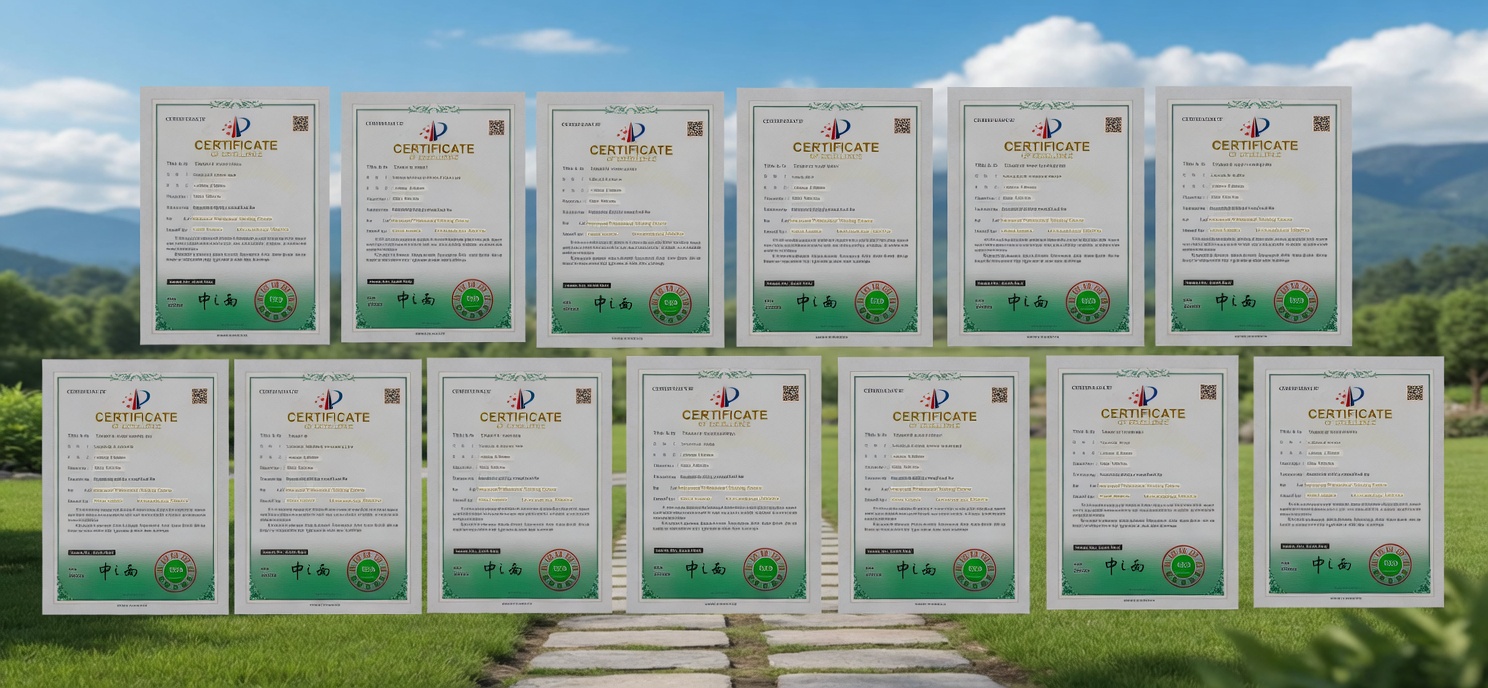
Expert guidance from EverPower maximises the return on your silage film investment through correct layering.
Recommended Product: 9YCM-850 Bale Wrapper
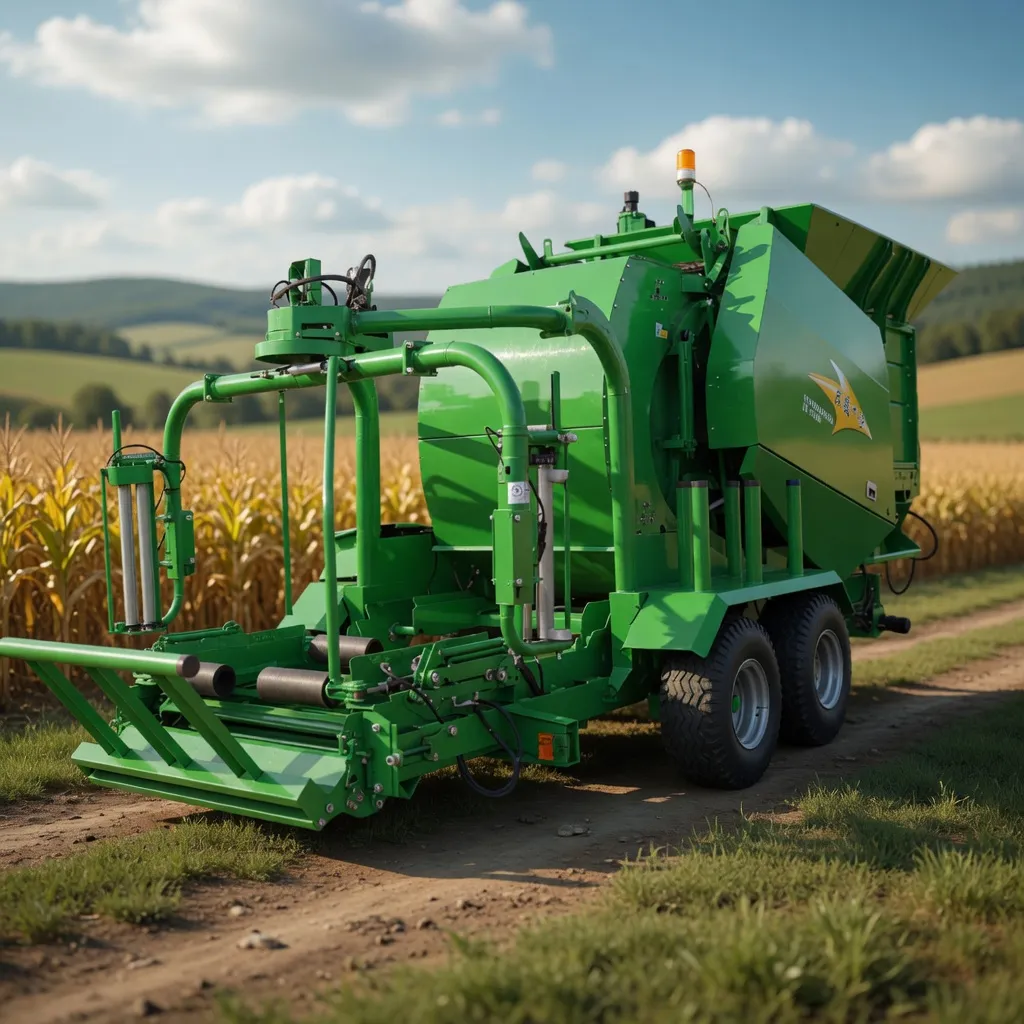
The 9YCM-850 Bale Wrapper delivers precise, consistent layer application with adjustable pre-stretch and automatic layer counting. Paired with any EverPower round baler, it ensures every bale receives the optimal film protection for long-term silage quality and maximum return on your forage investment.
Frequently Asked Questions
Unsure How Many Layers Your Silage Needs?
Receive crop-specific recommendations and wrapper calibration support from our team.
EverPower Baling Machinery Australia Pty Ltd | 27 Harley Crescent, Condell Park NSW 2200
📞 +61 2 9708 3322 | ✉️ [email protected]