Why a Price Tag Alone Never Tells the Full Story
Searching for a traction single-blade mower price online delivers a wide range — from AUD $2,500 at the low end to AUD $8,000 or more at the top. That spread is not random. It reflects real differences in cutting width, steel quality, bearing specification, chassis design, and after-sales parts availability that directly determine how many seasons the machine will last, how well it cuts, and how much it costs to maintain over its working life. The purchase price is only the first line in the total cost equation. A mower that costs AUD $1,500 less upfront but wears out blade sections twice as fast, lacks readily available spare guards, or requires a workshop visit for every adjustment is more expensive to own by year two than a higher-specced machine with field-replaceable components and a local parts supply. This article breaks down the price drivers for traction single-blade mowers sold in Australia, explains what each price tier buys in practical terms, and provides a framework for calculating total cost of ownership so you can compare quotes on an equal basis.
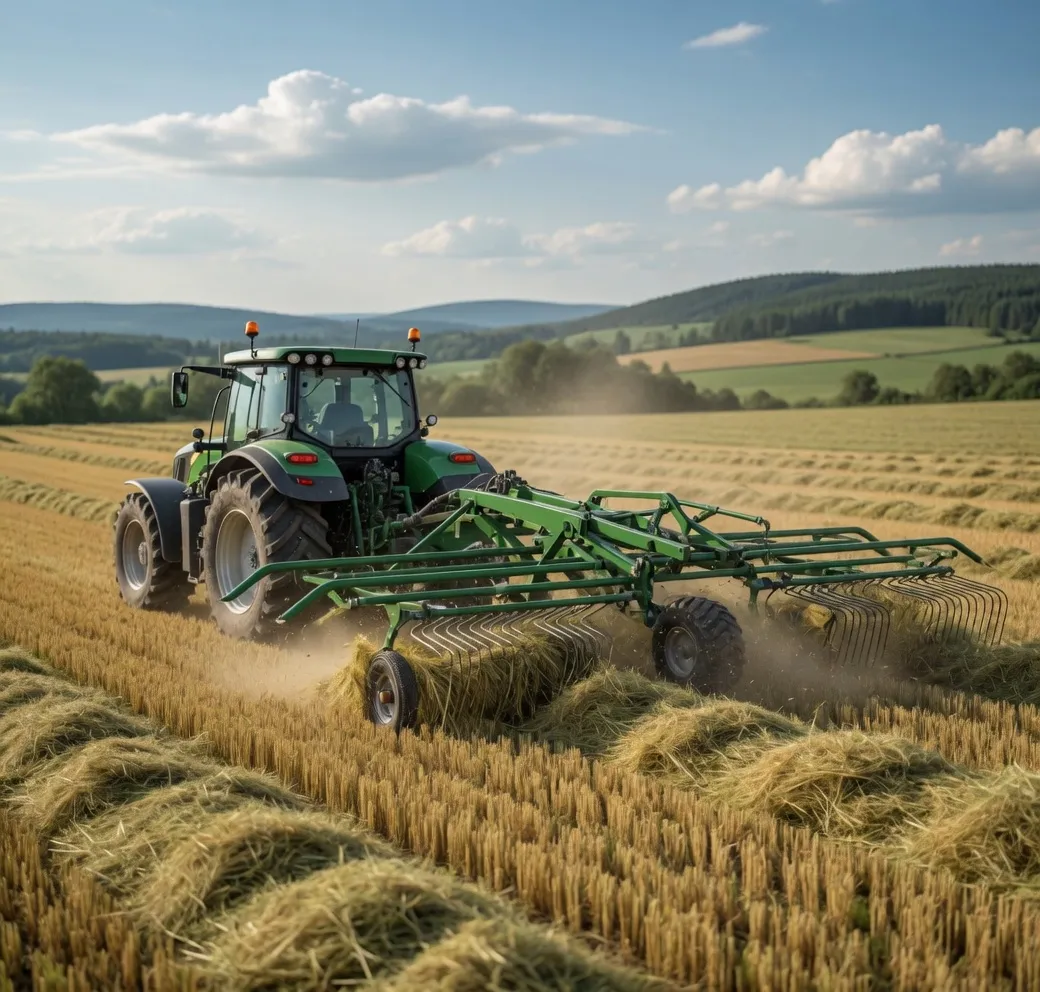
Mower price is just the first input — total ownership cost across a 5–7 year life determines actual value.
Price Ranges for Traction Single-Blade Mowers in Australia
The Australian market for sickle-bar traction mowers spans three broad price tiers. Each tier reflects a distinct combination of build quality, feature set, and manufacturer support.
The 9GD-2.5 sits in the mid-range tier — a position EverPower has deliberately targeted to serve the majority of Australian commercial forage producers without the premium attached to European heritage-brand pricing. It delivers the cutting width, build quality, and parts support of machines costing AUD $1,500–$2,500 more, while remaining accessible to operators who are scaling up from hobby to commercial production.
Seven Factors That Drive Mower Price
Understanding these factors lets you interpret quotes from different suppliers and identify where a lower price is a genuine saving versus where it signals a compromise that will cost more later.
Cutting Width
Wider bars require more material, more knife sections, more guards, and a longer, stiffer knife-bar back. Moving from 1.8 m to 2.5 m typically adds AUD $800–$1,200 to the base price. But the wider bar increases daily output by 30–40%, so cost-per-hectare drops — wider is more economical for operations above 100 ha/season.
Blade Section Steel Quality
High-carbon, heat-treated blade sections hold an edge 2–3 times longer than mild-steel sections. The price difference at the section level is small (AUD $2–$4 per section), but it compounds across a full bar and over multiple replacement cycles. Machines with premium sections included are worth AUD $200–$400 more at purchase — and save that amount every season in reduced sharpening and replacement frequency.
Guard Plate and Ledger Plate Hardness
Hardened guard plates with heat-treated ledger inserts cost more to manufacture but last 3–5 times longer than cast-iron guards without hardened ledgers. On abrasive soils, soft guards can wear through in 100–150 ha, while hardened guards last 400–500 ha — a significant cost saving over the machine’s life.
Chassis and Suspension Design
Independent wheel suspension — where each wheel tracks ground contours independently — costs more to engineer than a rigid axle but delivers measurably more consistent cutting height on undulating terrain. The 9GD-2.5 includes independent suspension as standard; many entry-tier machines use a rigid axle to keep costs down.
Bearing Specification
Sealed, pre-lubricated bearings in the pitman assembly and wheel hubs cost 40–60% more than open bearings but require less frequent greasing and have longer service life. The price uplift at the machine level is AUD $100–$200 — trivial against the cost of a mid-season bearing failure (AUD $300–$800 including downtime).
Spare Parts Availability and Cost
A mower is only as productive as its parts supply allows. Machines from manufacturers with Australian-based warehouse stock (like EverPower’s Condell Park facility) can be repaired in 1–2 days. Machines requiring parts from overseas distributors may involve 2–4 week waits — a devastating delay during a short harvest window. Factor the distributor’s location and stock depth into your purchase decision, not just the machine price.
Freight and Import Costs
Most traction mowers sold in Australia are imported. Exchange rate fluctuations, container shipping costs, and port handling charges affect retail pricing — sometimes by AUD $500–$1,000 between consecutive shipments. Buying from a supplier with standing stock (already landed and warehoused) locks in a known price; waiting for a made-to-order import introduces currency and logistics risk.
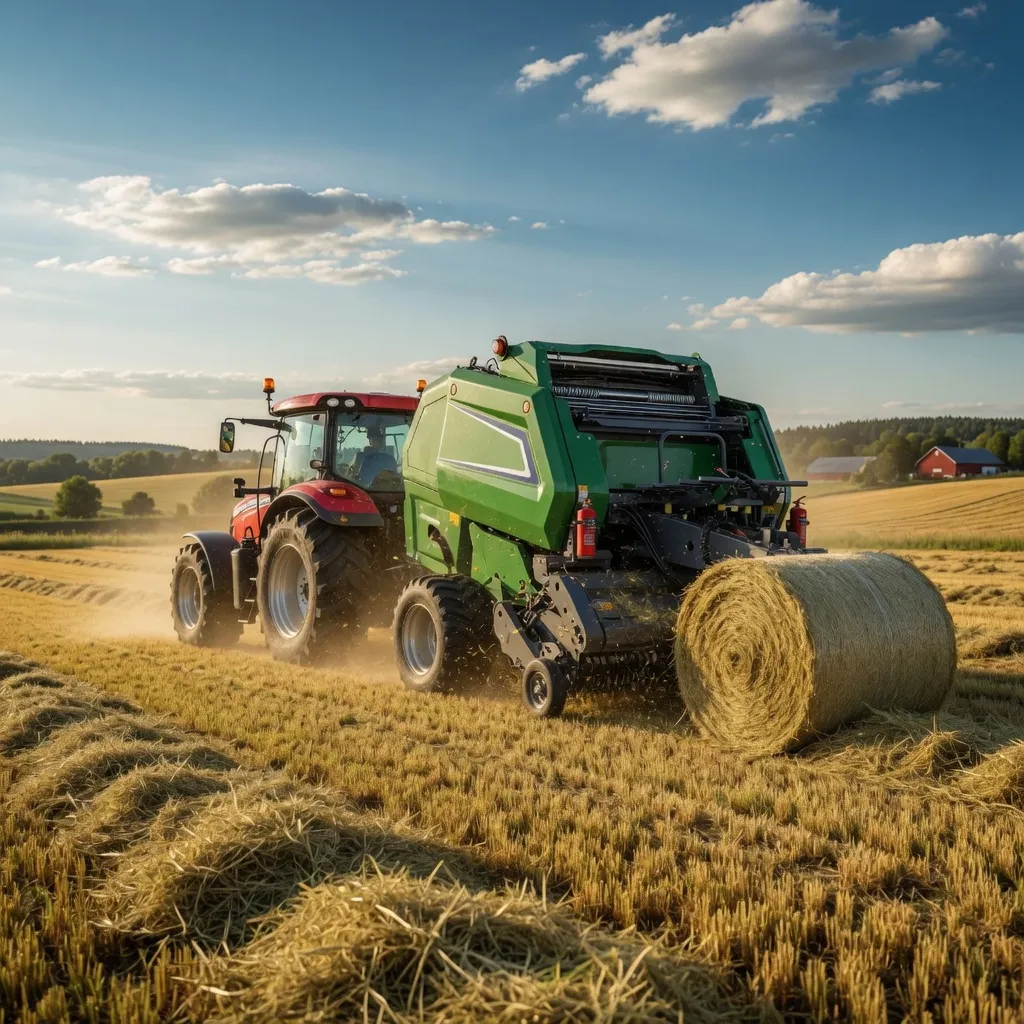
The right mower pays for itself in recovered forage — the cheapest option on paper can be the most expensive over a full season.
Total Cost of Ownership: A Five-Year Comparison
Purchase price is year-one cost. The real comparison emerges across a five-year ownership horizon that includes consumables, maintenance, and downtime. The following model compares an entry-tier machine (AUD $3,200) with the mid-range 9GD-2.5, both operating 400 hectares per season on mixed ryegrass and lucerne in southeastern Australia.
*Contact EverPower for current pricing. **Downtime cost based on lost mowing capacity at AUD $500/day during the harvest window.
The entry-tier machine’s lower purchase price is eroded by higher consumable costs (softer steel sections replaced more frequently, softer guards worn faster) and significantly higher downtime costs (parts sourced from overseas with 2–4 week lead times). Over five years, the total cost gap narrows to near parity — and the mid-range machine delivers superior cut quality, lower crop loss, and higher hay revenue across every one of those seasons.
How to Get an Accurate Quote
When requesting quotes from mower suppliers, ask for the following information to make like-for-like comparisons. Not all suppliers will volunteer these details — the ones who do are typically the ones confident enough in their product to be transparent about specifications.
Cutting width (actual, not nominal)
Some manufacturers quote the bar length rather than the effective cutting width. The 9GD-2.5 delivers a true 2.5-metre cutting width — confirm this distinction with any competing quote.
Blade section specification
Ask whether sections are high-carbon heat-treated or mild steel, and what the expected resharpen count is before replacement. This directly determines annual consumable cost.
Parts location and lead time
Where are spare parts held? Is it an Australian warehouse or an overseas origin? What is the typical delivery time for blade sections, guards, and pitman kits? A 3-week parts lead time during harvest season can cost AUD $3,000–$5,000 in lost mowing capacity.
Warranty terms and coverage
What is covered, for how long, and are wear parts (blades, guards, skid shoes) excluded? A 12-month warranty with local warranty service is more valuable than a 24-month warranty serviced from an overseas office.
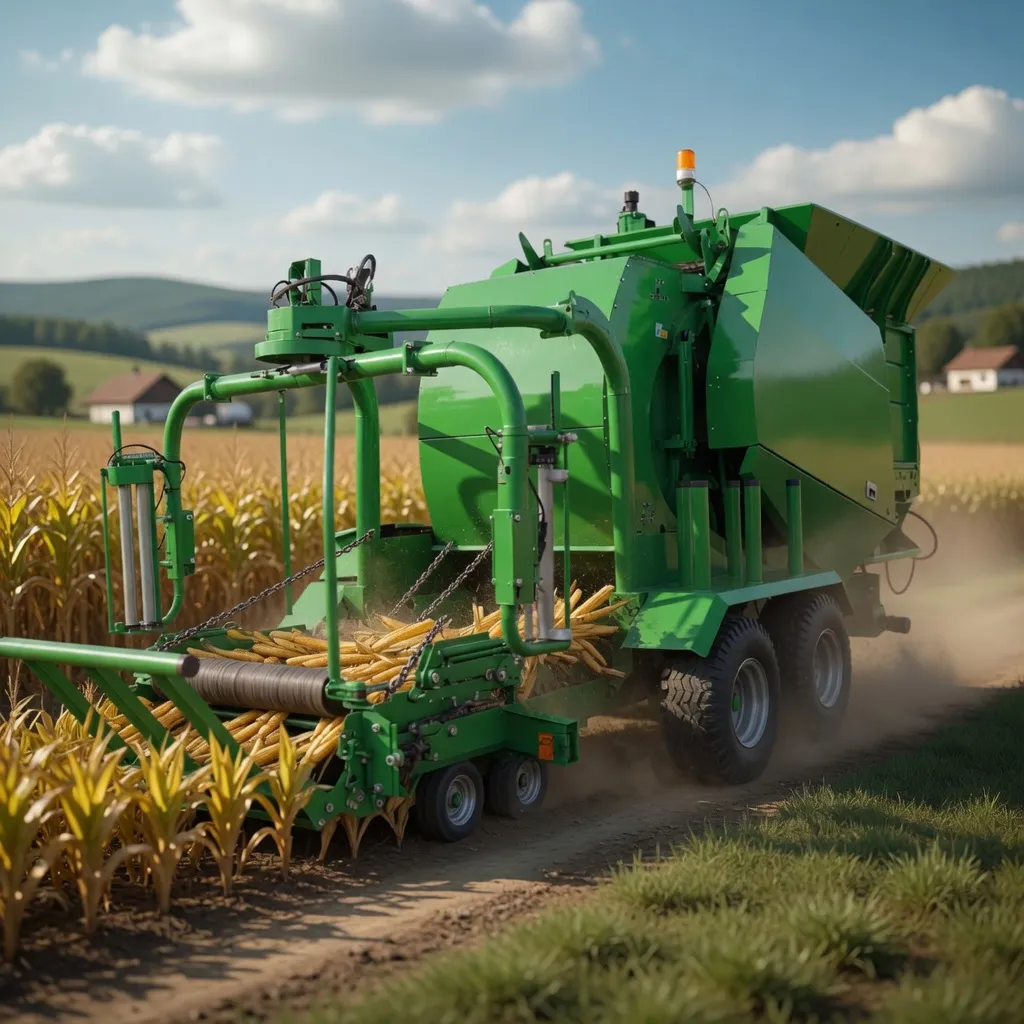
Investing in the right mower specification protects the value of every downstream operation — from wrapping to feeding.
Financing and Budgeting Options for Australian Producers
Many Australian forage producers fund equipment through seasonal cash flow rather than upfront capital. Several financing pathways keep mower investment manageable without stretching working capital during the growing season. Chattel mortgage and equipment lease arrangements through agricultural lenders typically offer terms of 3–5 years with monthly or seasonal repayments. Under current Australian tax provisions, eligible primary producers may claim immediate deductions or accelerated depreciation on qualifying farm equipment — consult your accountant for current thresholds and applicable asset limits. EverPower’s sales team can provide invoice documentation in formats compatible with major agricultural finance providers including NAB Agribusiness, Rabobank, and specialist equipment finance brokers. Contact +61 2 9708 3322 to discuss pricing, payment timing, and seasonal delivery scheduling.
Used vs New: When Second-Hand Makes Sense
A well-maintained used traction mower can represent excellent value — typically 40–60% of the new-machine price for a unit with 3–5 seasons of use. The key inspection points when evaluating a used sickle-bar mower are the pitman bearing (check for play and heat discolouration), the knife-bar back (check for bending or cracking along its length), the guard ledger plates (check for wear depth), and the chassis frame (check for cracks at the drawbar and axle mounting points). If the pitman bearing and knife bar are in good condition, the remaining wear parts (blade sections, guards, skid shoes) are inexpensive to replace and bring the machine back to near-new cutting performance. If the pitman or bar back is worn, the rebuild cost can exceed the price difference between used and new — making a new machine the better investment. EverPower supplies spare parts that fit the 9GD-2.5 regardless of whether the machine was purchased new or acquired second-hand.
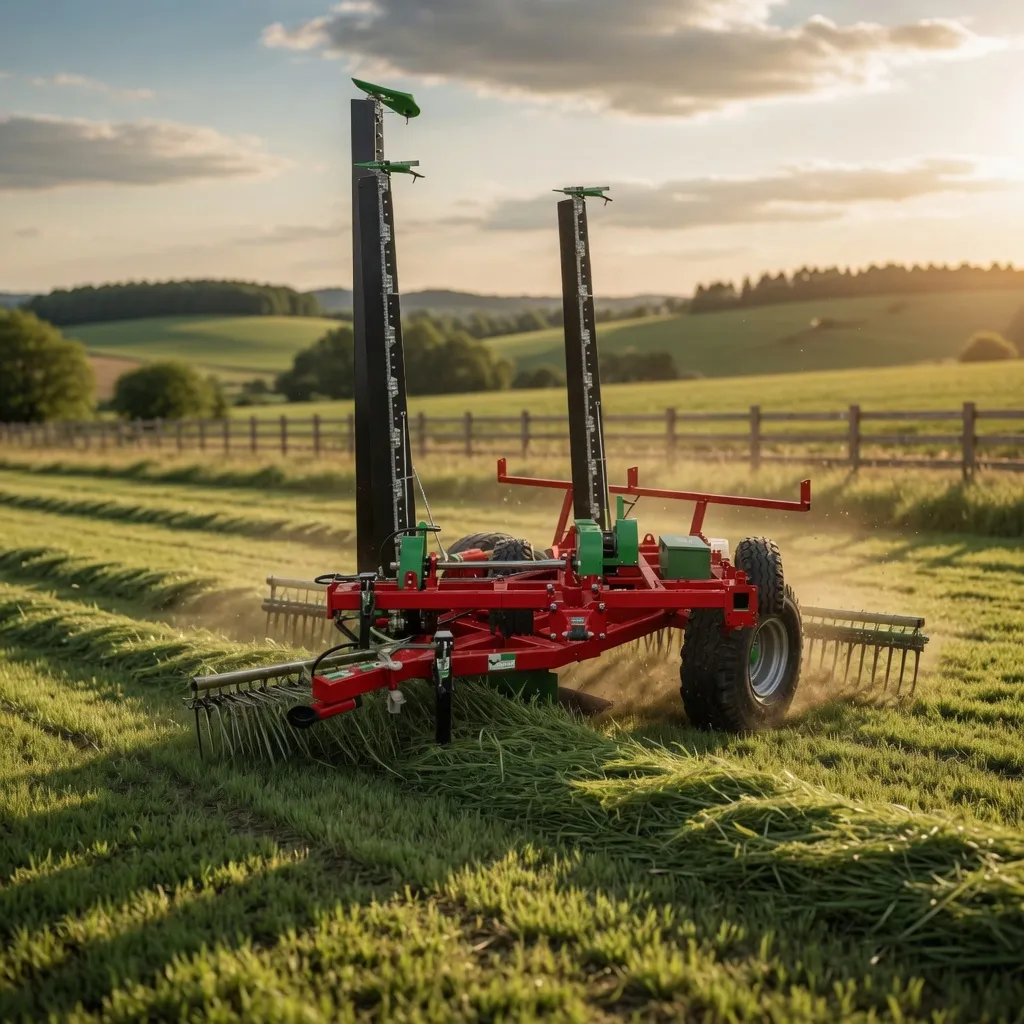
Whether new or used, the 9GD-2.5’s standard-pattern components keep parts affordable and accessible.
Get a Quote From EverPower
EverPower Baling Machinery Australia provides detailed quotes for the 9GD-2.5 traction single-blade mower — including current ex-warehouse pricing, freight estimates to your location, and a recommended spare-parts starter kit tailored to your crop type and seasonal hectarage. The team is based at 27 Harley Crescent, Condell Park NSW 2200, with phone and email support available Monday to Friday. No obligation, no pressure — just the information you need to make an informed purchase decision.
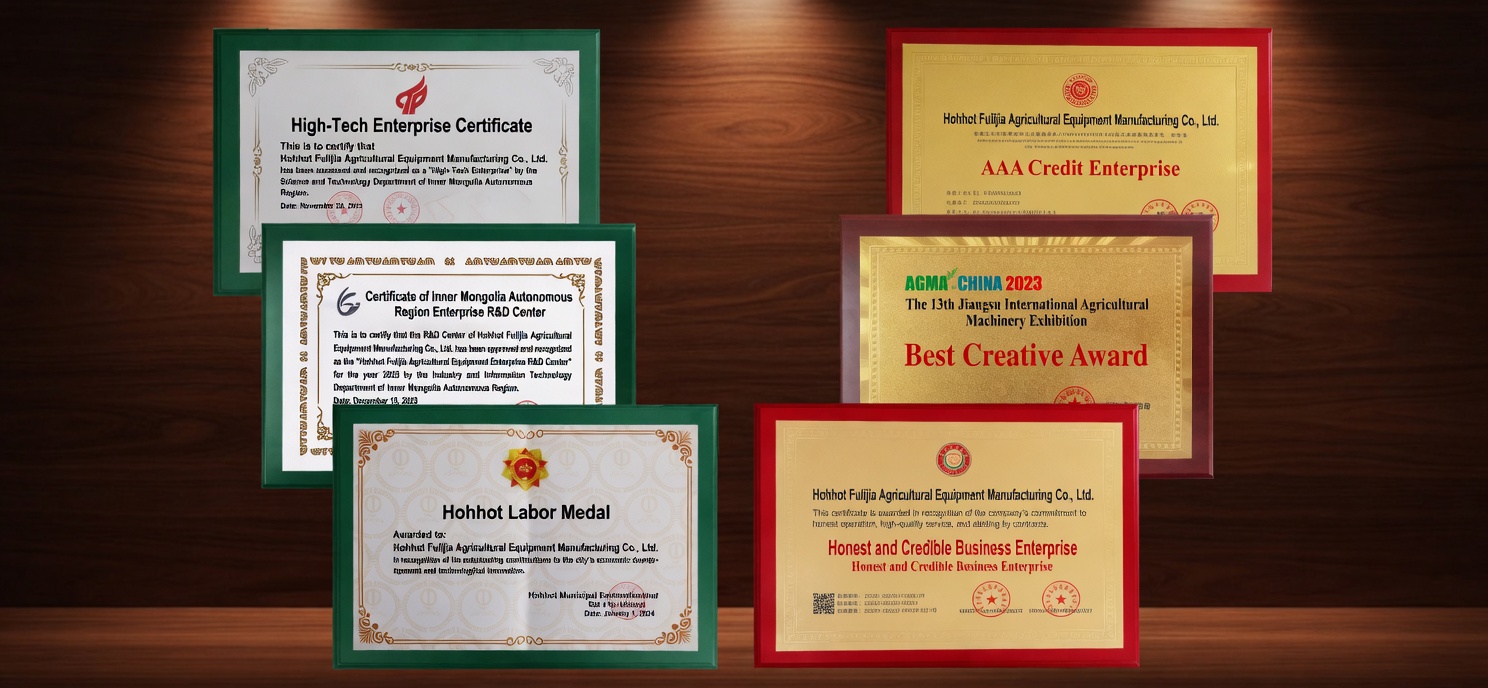
EverPower holds stock at its Condell Park warehouse — quotes reflect landed, ready-to-ship pricing with no import wait.
Recommended Product: 9GD-2.5 Traction Single-Blade Mower
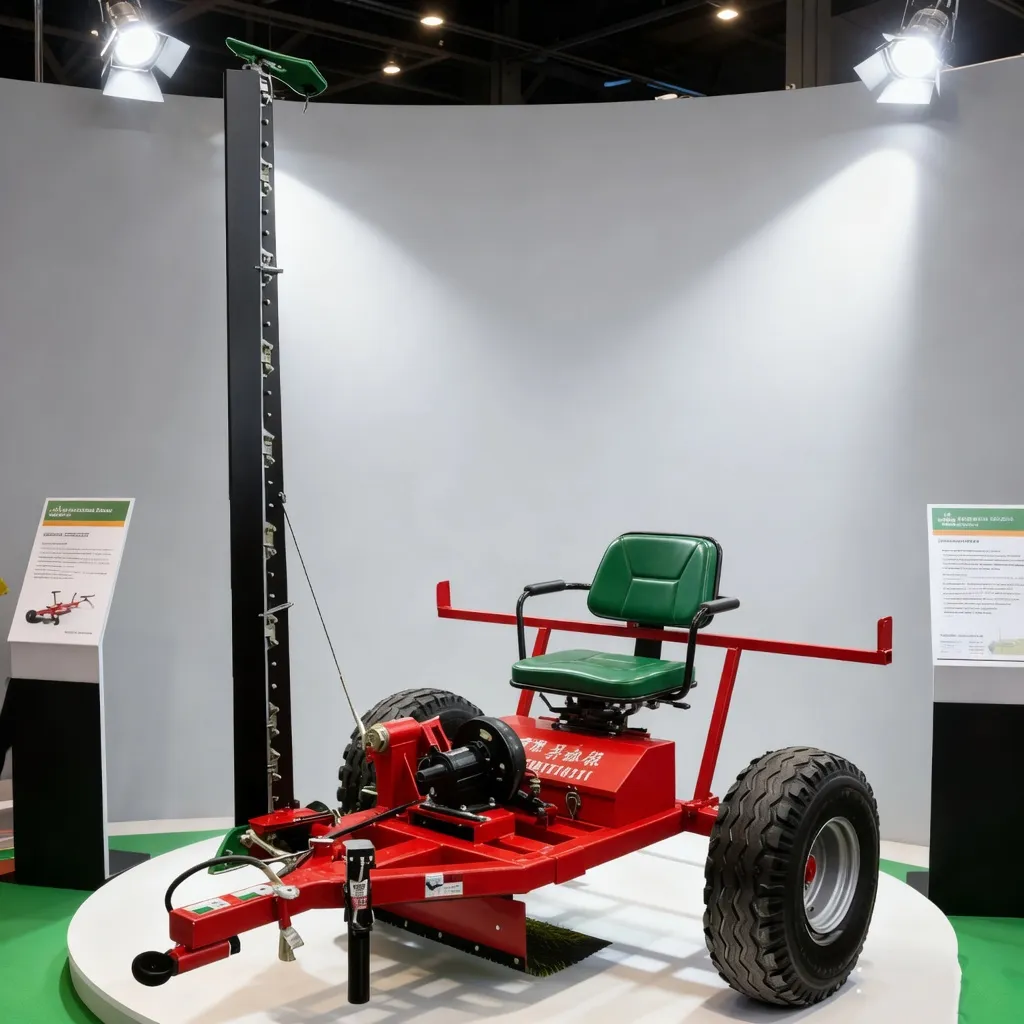
Mid-range pricing with premium-tier specifications: 2.5 m true cutting width, heat-treated blade sections, hardened guard plates, independent wheel suspension, and sealed pitman bearings. Full spare-parts stock at EverPower’s Sydney warehouse with same-day metropolitan dispatch. Compatible with 60–80 hp tractors via standard drawbar and 540 rpm PTO.
Frequently Asked Questions
Ready to Compare Mower Value — Not Just Price?
EverPower provides transparent pricing, parts-cost projections, and total-ownership estimates so you can buy with confidence.
EverPower Baling Machinery Australia Pty Ltd | 27 Harley Crescent, Condell Park NSW 2200
📞 +61 2 9708 3322 | ✉️ [email protected]