Understanding the Two Mounting Configurations
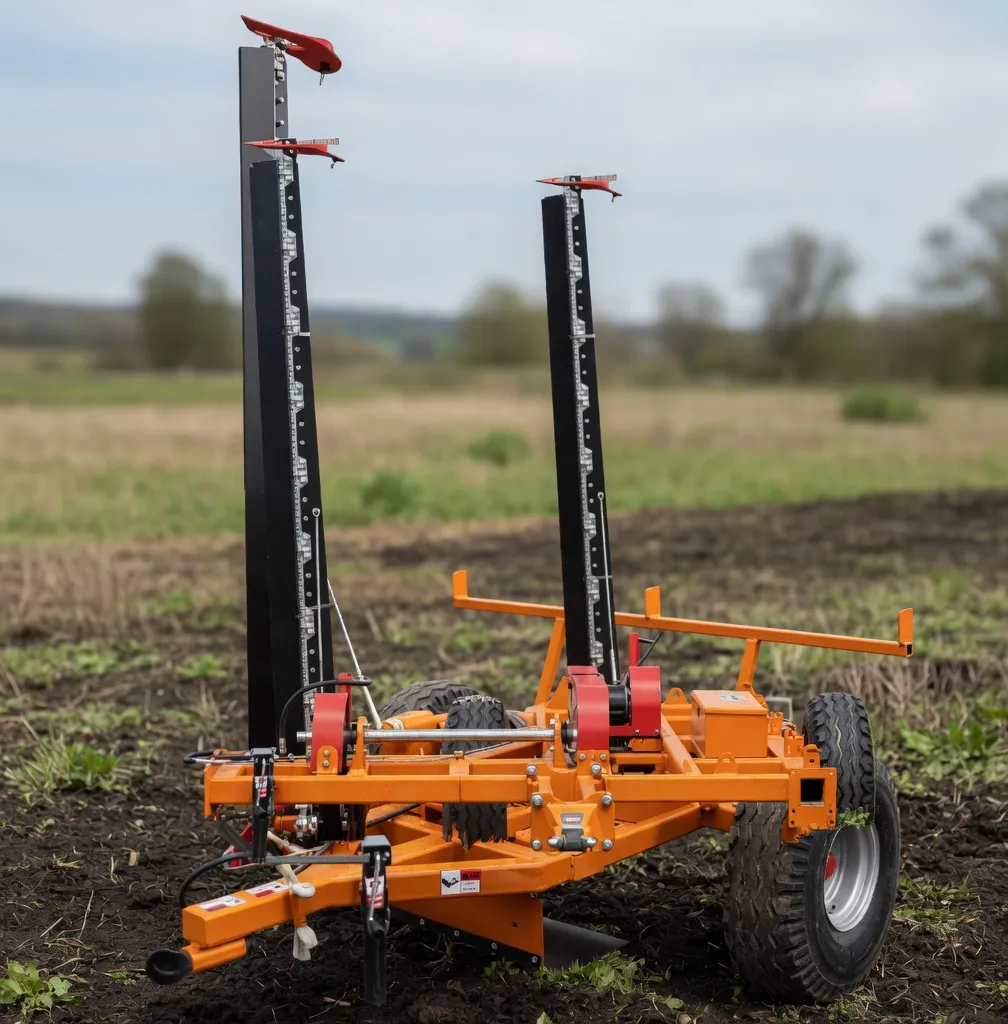
Tractor-mounted bean pullers attach directly to the three-point linkage, placing the machine’s weight on the tractor’s rear axle and providing excellent manoeuvrability in small or irregular fields. Towed models run on their own wheels behind the tractor, offering greater stability on slopes and the ability to use a wider range of tractor sizes. Both configurations are available in the EverPower 4BYH range, with the choice depending primarily on farm layout, tractor fleet and typical field conditions.
EverPower offers the 4BYH-1.3 in a compact mounted version ideal for family farms, while the 2.6 m and larger models are predominantly towed for stability and ease of transport between paddocks. Understanding the operational differences helps growers select the configuration that maximises daily output while minimising soil compaction and operator fatigue.
Manoeuvrability and Field Suitability
Mounted units excel in small paddocks under 15 hectares, headlands narrower than 12 m and fields with numerous obstacles or tight turns. The machine follows the tractor’s steering directly, reducing the risk of ridge misalignment on contoured land. Towed models require wider headlands (minimum 15–18 m) but track more accurately on long, straight runs and slopes up to 15 percent.
For mixed farms with both small irregular blocks and larger contiguous areas, many growers choose a towed 2.6 m model for the majority of work and retain a compact mounted unit for finishing awkward corners. This combination maximises overall efficiency without duplicating equipment investment.
Tractor Compatibility and Power Requirements
Mounted pullers transfer more weight to the tractor’s rear wheels, improving traction but requiring a tractor with sufficient lift capacity (typically 1,800–2,500 kg for a 1.3 m unit). Towed models place less demand on the tractor’s hydraulics and can be operated behind a wider range of horsepower classes, including older or lower-powered tractors common on smaller Australian properties.
The 4BYH-1.3 mounted version is optimised for 50–70 HP tractors, while towed 2.6 m and 3.25 m models perform best with 80–130 HP. EverPower provides detailed tractor matching charts to ensure compatibility and safe operation on slopes or soft soils.
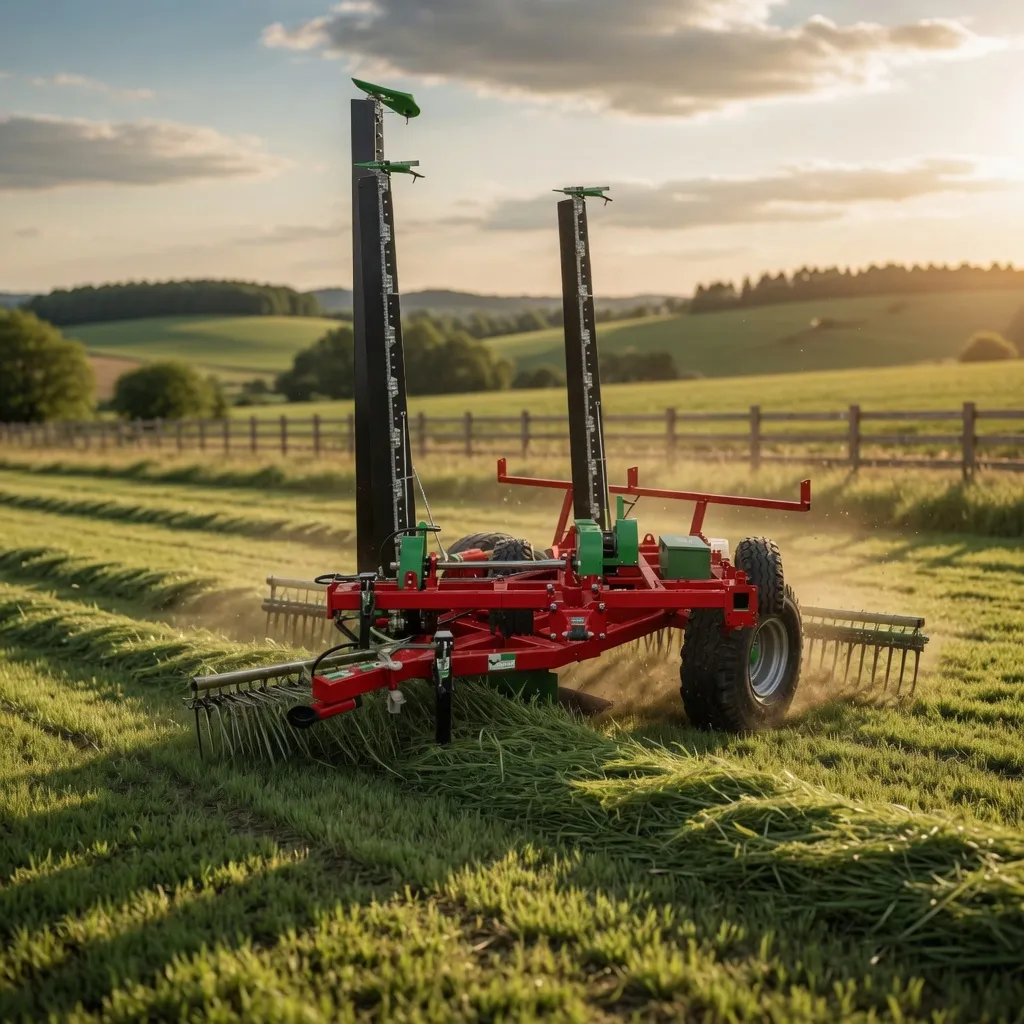
Traction windrowers illustrate the stability advantages of towed configurations on varied terrain.
Transport, Storage and Road Legal Considerations
Towed models fold or narrow for transport and can be towed behind a ute or light truck between properties, reducing the need for a large tractor to move equipment. Mounted units must be carried on a trailer or left attached to the tractor, limiting flexibility when multiple machines share limited tractor resources. Storage space requirements are similar, although towed models can be parked in a more compact folded position.
In New South Wales, both configurations are road-legal when fitted with appropriate lighting and reflectors. EverPower supplies transport kits and registration advice for customers moving machines between districts.
Soil Compaction and Ground Pressure
Mounted units concentrate weight on the tractor’s rear axle, which can increase compaction on wet or heavy clay soils. Towed models distribute weight across their own wheels, typically resulting in lower ground pressure per square centimetre. For properties with predominantly light soils or irrigation layouts that require frequent passes, towed configurations often prove gentler on soil structure over multiple seasons.
EverPower offers optional flotation tyres on towed models to further reduce compaction in sensitive areas, a feature particularly valued by growers integrating bean production with livestock or sensitive horticultural rotations.
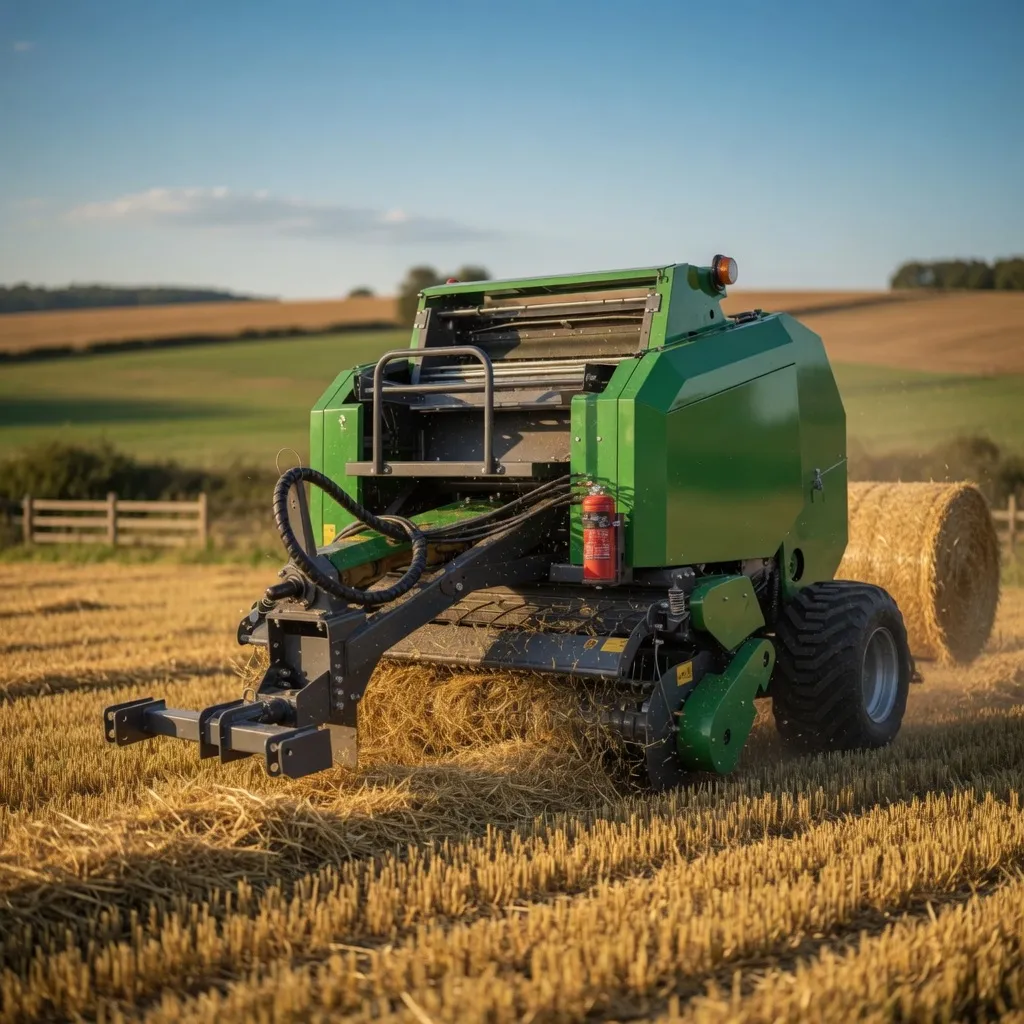
Compact designs from EverPower support flexible mounting options across different farm scales.
Cost, Versatility and Long-Term Ownership Factors
Mounted units generally carry a lower purchase price and require less initial capital outlay, making them attractive for smaller enterprises or first-time buyers. Towed models offer greater versatility across tractor fleets and field types, often justifying the higher initial investment through longer service life and broader utilisation. Both configurations retain strong resale value when maintained to EverPower standards.
Buyers should evaluate total cost of ownership over 10 years, including fuel, maintenance, transport logistics and potential need for additional tractors. EverPower provides side-by-side cost modelling during the consultation process.
Why EverPower Offers Both Configurations for Australian Conditions
EverPower Baling Machinery Australia Pty Ltd designs the 4BYH series to match the diverse needs of Australian growers, applying the same rigorous standards used for its baling machinery, silage baler, round baler and agricultural baler ranges. Whether a compact mounted unit for family farms or a stable towed model for commercial operations, every machine is supported by local parts and technician availability at 27 Harley Crescent, Condell Park NSW 2200.
Contact +61 2 9708 3322 or [email protected] to discuss which configuration best suits your tractor fleet, field sizes and operational goals. Demonstrations of both mounted and towed models are available on request.
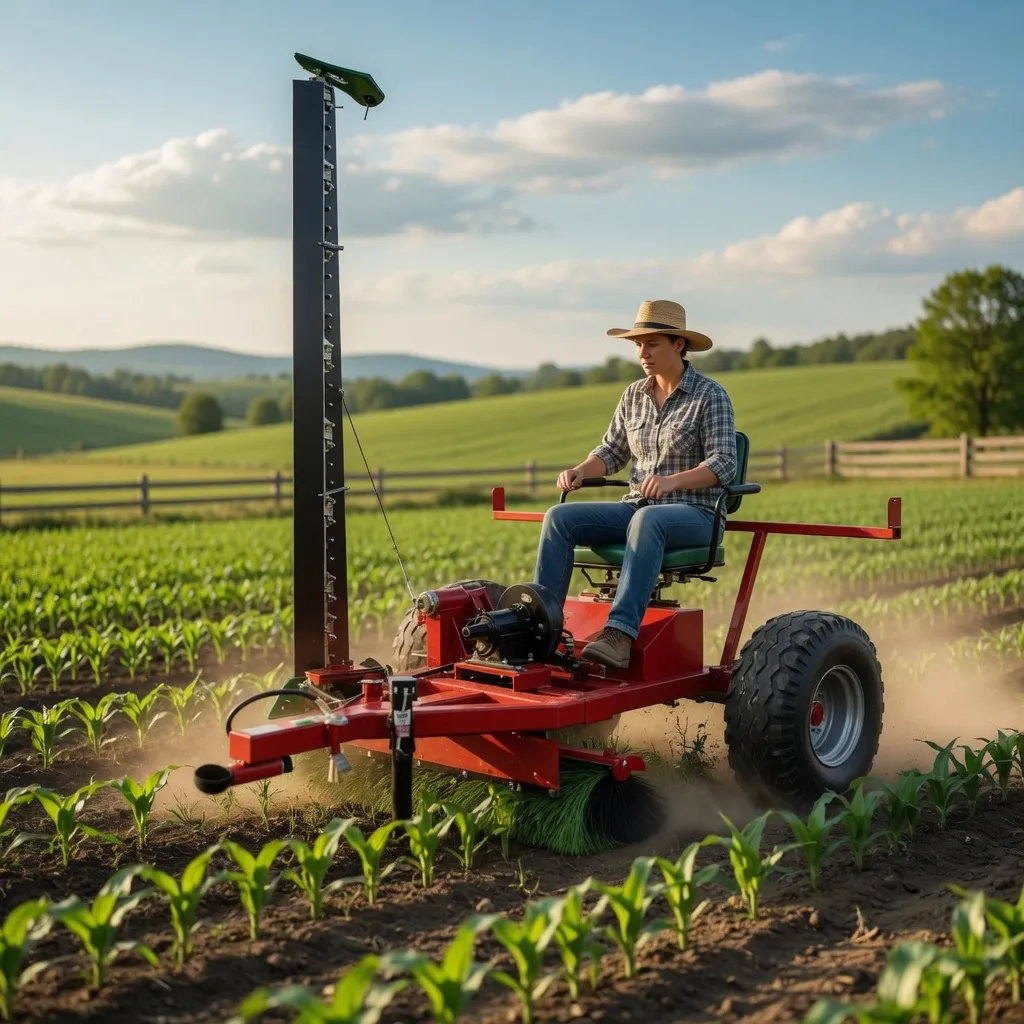
Traction equipment from EverPower illustrates the advantages of both mounted and towed configurations.
Recommended Product: 4BYH-1.3 Kidney Bean Puller (Mounted)
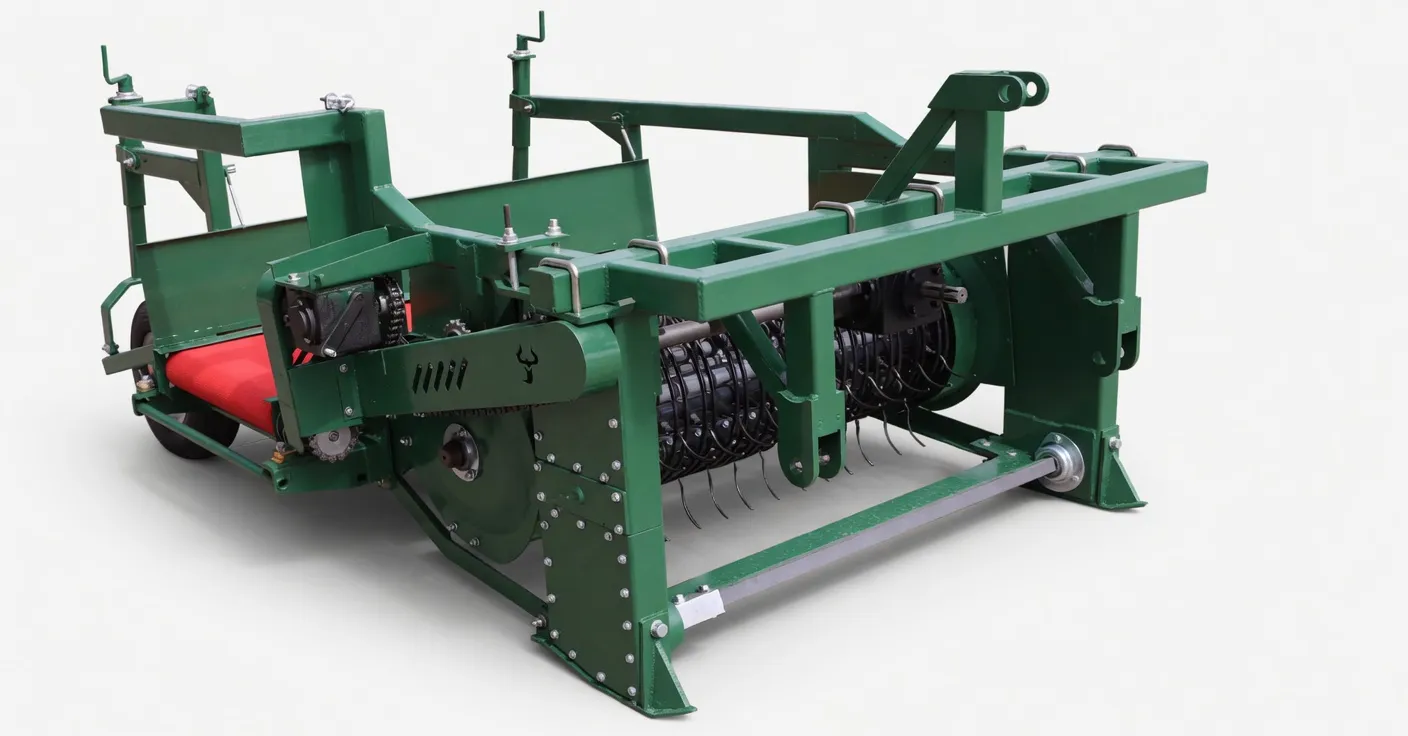
The compact 4BYH-1.3 mounted configuration delivers excellent manoeuvrability for small to mid-size farms with irregular paddocks. Its 50–70 HP requirement, precise depth control and quick-attach three-point linkage make it ideal for operations seeking maximum flexibility without compromising on build quality or low-loss performance.
Frequently Asked Questions
Unsure Which Configuration Best Fits Your Operation?
Arrange a personalised demonstration and receive expert configuration advice.
EverPower Baling Machinery Australia Pty Ltd | 27 Harley Crescent, Condell Park NSW 2200
📞 +61 2 9708 3322 | ✉️ [email protected]