Why Forage Grinder Prices Vary So Widely
A search for forage grinders available in Australia returns machines priced from under AUD $2,000 to over $30,000. This is not a range within which buyers should simply pick the middle and hope for the best. The price variation reflects genuine differences in rotor diameter, power rating, hammer steel grade, screen quality, bearing specification, and — critically — whether spare parts are available locally or must be imported. Buying on price alone without understanding what drives these cost differences is the fastest way to end up with a machine that either cannot meet your throughput requirements, fails prematurely, or sits idle for weeks waiting for an international parts shipment. This guide explains the five factors that drive forage grinder purchase price and the three ongoing cost components that determine total cost of ownership, so you can evaluate any machine — including the 9F-70 from EverPower — on a basis that reflects actual long-term value rather than sticker price.
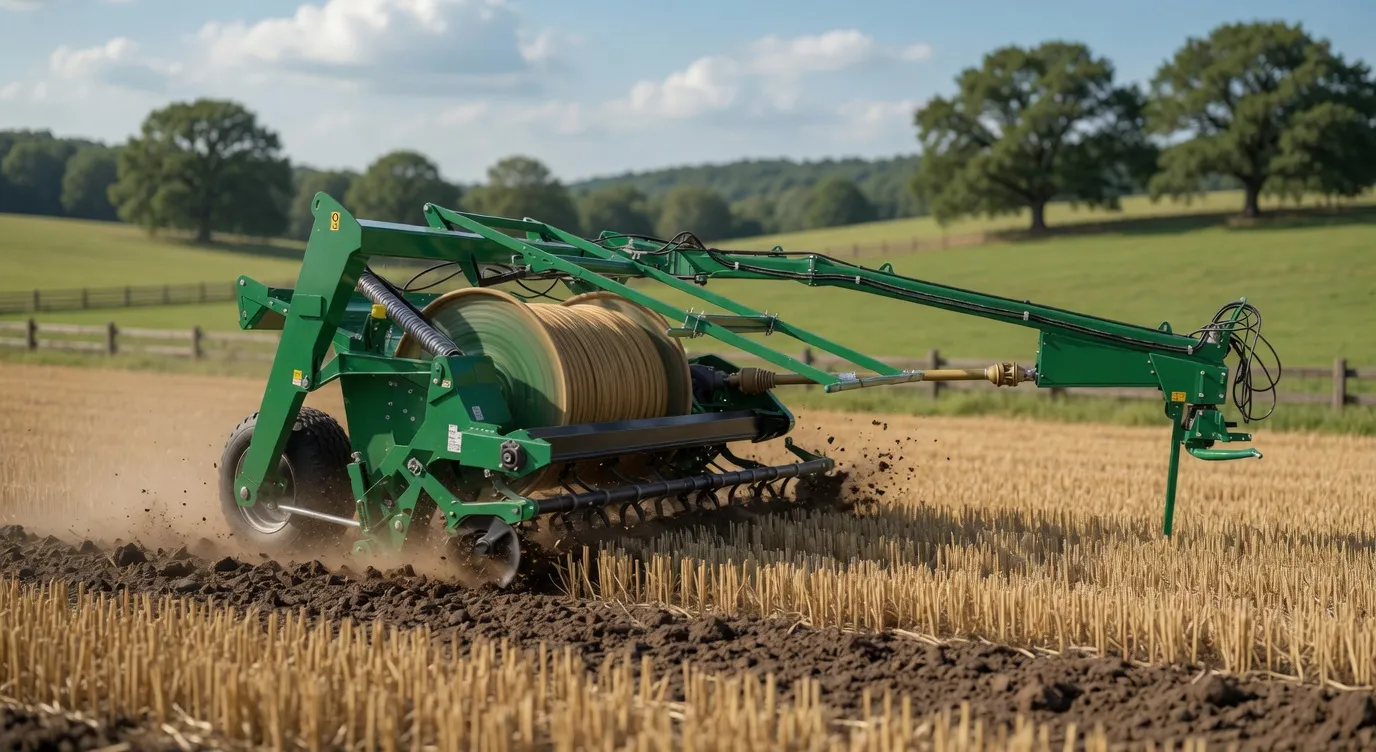
Machinery investment decisions in Australian livestock operations should be evaluated on total cost of ownership, not purchase price alone — the same principle applies to forage grinders as to any other production asset.
Five Factors That Drive Purchase Price
Rotor diameter and power rating
Rotor diameter is the primary determinant of both throughput capacity and purchase price. A 400 mm rotor machine at 5–7 kW costs $2,000–$4,500 and processes 150–300 kg/hour on hay. A 700 mm rotor like the 9F-70 at 11–15 kW costs more and processes 500–800 kg/hour. A 900 mm commercial rotor at 22–37 kW costs $15,000–$30,000 and processes 1,000–2,000 kg/hour. You are paying for rotor mass, motor size, and frame strength — all of which directly deliver throughput capacity.
Hammer steel grade and manufacturing method
Through-hardened manganese steel hammers cost more to manufacture than surface-hardened mild steel equivalents. The difference in service life is 2–3×. A machine priced $1,500 below a competitor because it uses inferior hammers will require hammer replacement at 2–3× the frequency, erasing the purchase price saving within one to two seasons of operation and adding replacement-related downtime.
Screen quality and precision
CNC-punched screens with tight hole-diameter tolerance cost more than plasma-cut or manually-drilled screens. The practical difference is particle size consistency: a precision screen produces what its specification says; an imprecise screen produces a wider distribution that may not meet ration requirements. For operations selling ground feed to a specification or feeding a nutrition programme formulated to a precise particle size, screen precision has real commercial value.
Bearing specification
Sealed heavy-duty spherical roller bearings rated for the operating RPM and radial load add cost relative to standard open bearings. They are, however, the component whose failure is most expensive to repair — a seized rotor bearing can damage the rotor housing and shaft, turning a $200 bearing replacement into a $2,000+ repair. Higher bearing specification at purchase is the lowest-cost insurance against this outcome.
Local spare-parts support
A machine sold with local spare-parts stocking carries a higher effective purchase price than one without support — but the operational value of having hammers, screens, and bearings available with same-day domestic dispatch versus 3–6 weeks of international freight is substantial. A single unplanned production shutdown lasting one week on a 150-head feedlot costs more in delayed feeding programme completion than the price difference between a supported and unsupported machine.
Three Ongoing Cost Components: The True Price of Ownership
Purchase price is a one-time cost. The ongoing costs that determine whether a forage grinder represents value are power, wear parts, and downtime. Evaluating all three over a 5-year ownership horizon gives a far more accurate picture of relative machine economics than comparing sticker prices.
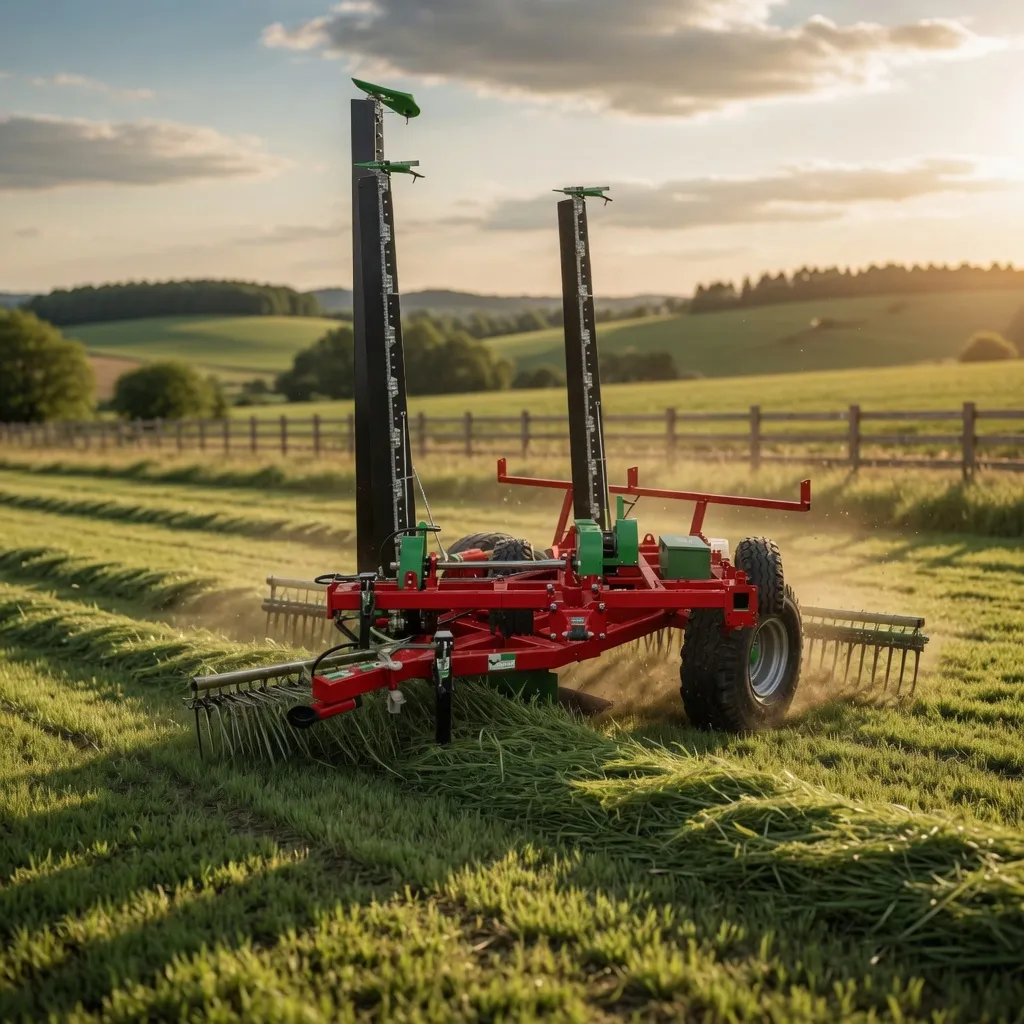
Every link in the forage production chain — from mowing and windrowing to baling and grinding — has an acquisition cost and an ongoing operating cost. Evaluating total cost of ownership at each stage gives the most accurate picture of the true cost of feed.
Price Range by Machine Category in Australia
The Australian market for forage grinders broadly segments into three categories by price and capability. Understanding which category your operation requires prevents both under-investment (buying a machine that cannot meet daily throughput) and over-investment (paying for industrial capacity on a farm-scale requirement).
Entry-level (AUD $1,800–$4,500): Small rotor diameter (300–500 mm), 3–7 kW motor, 150–300 kg/hour throughput on hay. Appropriate for operations below 50 head or where grinding is infrequent (once or twice per week). Limited spare-parts support. Hammer and screen quality varies significantly — inspect before purchasing.
Mid-range (AUD $5,000–$12,000): 600–750 mm rotor, 11–18 kW motor, 400–900 kg/hour throughput on hay. The 9F-70 from EverPower sits in this category. Appropriate for 80–300 head beef and small dairy operations. Through-hardened hammers, precision screens, sealed bearings, local spare-parts support. This is the category where the price-to-performance ratio is strongest for the Australian mainstream livestock market.
Commercial (AUD $15,000–$35,000+): 900 mm+ rotor, 22–75 kW motor, 1,000–4,000 kg/hour throughput. Appropriate for large feedlots (400+ head), commercial feed mills, and contract grinding operations. Industrial-grade components, continuous-duty rated, often includes infeed conveyor and cyclone discharge as standard.
Getting an Accurate 9F-70 Price from EverPower
The 9F-70 purchase price varies by configuration — electric motor versus diesel engine, standard versus extended screen set, and delivery location across Australia. Contact EverPower Baling Machinery Australia at +61 2 9708 3322 or [email protected] with your power supply situation, primary feed material, and delivery postcode, and the team will provide a current, delivered price. EverPower does not publish fixed retail prices because freight varies significantly between metropolitan NSW and remote northern or western regions — a delivered price is the only figure that means something to the buyer.
Recommended Product: 9F-70 Animal Feed Grass Grinder
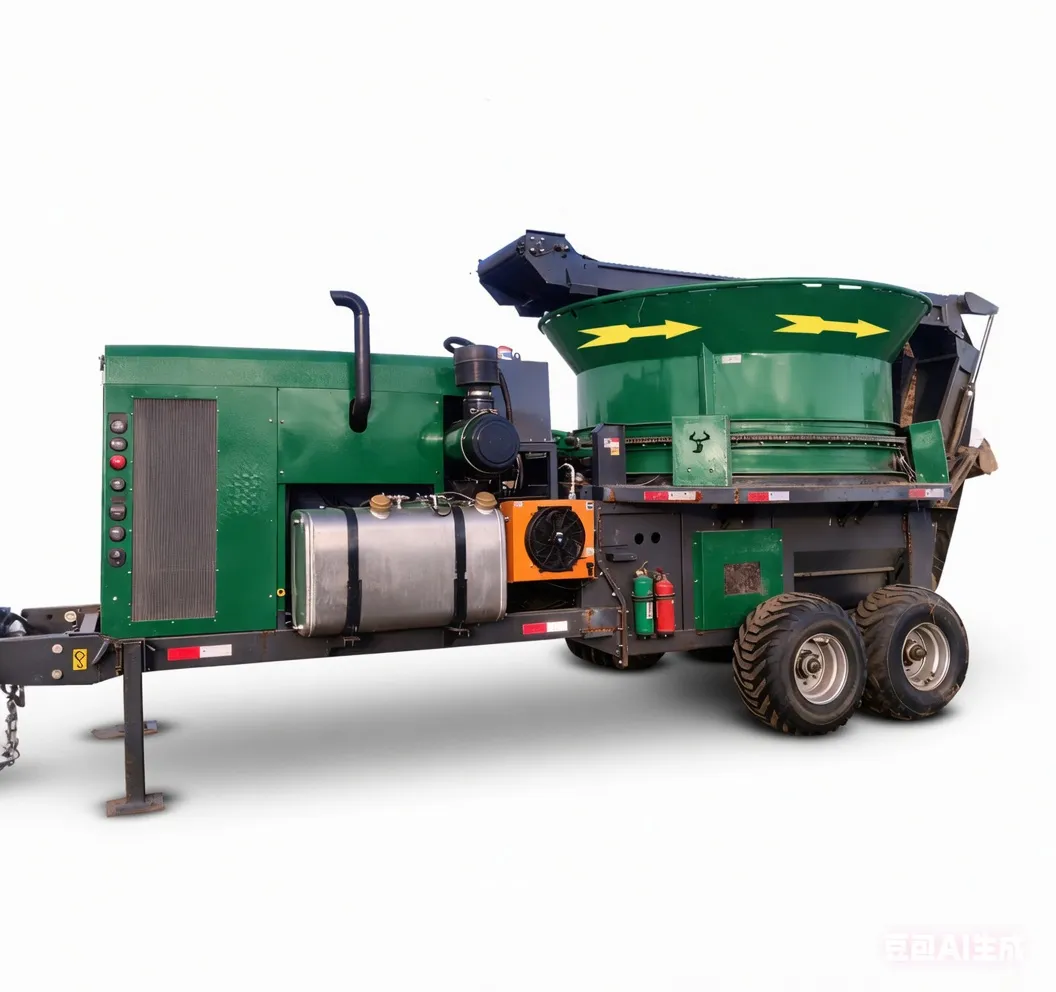
Mid-range pricing with through-hardened manganese steel hammers, CNC-punched screens, sealed heavy-duty rotor bearings, and full spare-parts support from EverPower’s Condell Park NSW warehouse. Electric (415 V 3-phase) and diesel options. 500–800 kg/hour on dry hay. Covers 80–300 head beef and small dairy operations with a 5-year total running cost of AUD $4,700–$8,025. Contact EverPower for current delivered pricing.
Frequently Asked Questions
Get a Delivered Price for the 9F-70 at Your Location.
EverPower provides current pricing including freight to your postcode — the only figure that means something when comparing machines across suppliers.
EverPower Baling Machinery Australia Pty Ltd | 27 Harley Crescent, Condell Park NSW 2200
📞 +61 2 9708 3322 | ✉️ [email protected]