
Identifying Why Your Round Baler Produces Loose Bales
Loose or poorly formed bales are one of the most common complaints among round baler operators. The primary causes include insufficient chamber pressure, incorrect moisture content, worn belts or rollers, improper pickup height and PTO speed that is too low for the crop density. When bale density falls below 160 kilograms per cubic metre, the finished bale loses shape during ejection and handling, leading to storage problems and reduced silage quality.
EverPower Baling Machinery Australia Pty Ltd designs its 9YG series round balers with adjustable chamber pressure and electronic monitoring to help operators maintain consistent density. Understanding the root cause through systematic diagnosis prevents repeated failures and protects both yield and equipment longevity during critical harvest periods.
Step 1: Check and Adjust Chamber Pressure Settings
Begin diagnosis by verifying the chamber pressure setting on the baler’s control panel or hydraulic gauge. For most silage crops, target pressure should be between 180 and 220 bar depending on model and bale size. Lower settings produce loose bales even with correct moisture. Increase pressure in 10-bar increments while monitoring bale weight and shape on the next few bales.
EverPower technicians recommend recording pressure settings for different crops and conditions. This data allows quick adjustments when moving between ryegrass and heavier sorghum or maize silage, ensuring consistent density without guesswork.
Step 2: Verify Crop Moisture and Wilting Time
Material that is too dry (below 45 percent moisture) or too wet (above 70 percent) resists proper compression. Use a calibrated moisture probe to test windrows before baling. If moisture is outside the ideal 50 to 65 percent range for silage, allow additional wilting time or adjust forward speed to match conditions. Overly dry crop requires higher chamber pressure and slower ground speed to achieve density.
Operators who test moisture at multiple points across the paddock avoid the common mistake of assuming uniform conditions, which often leads to inconsistent bale quality throughout the day.
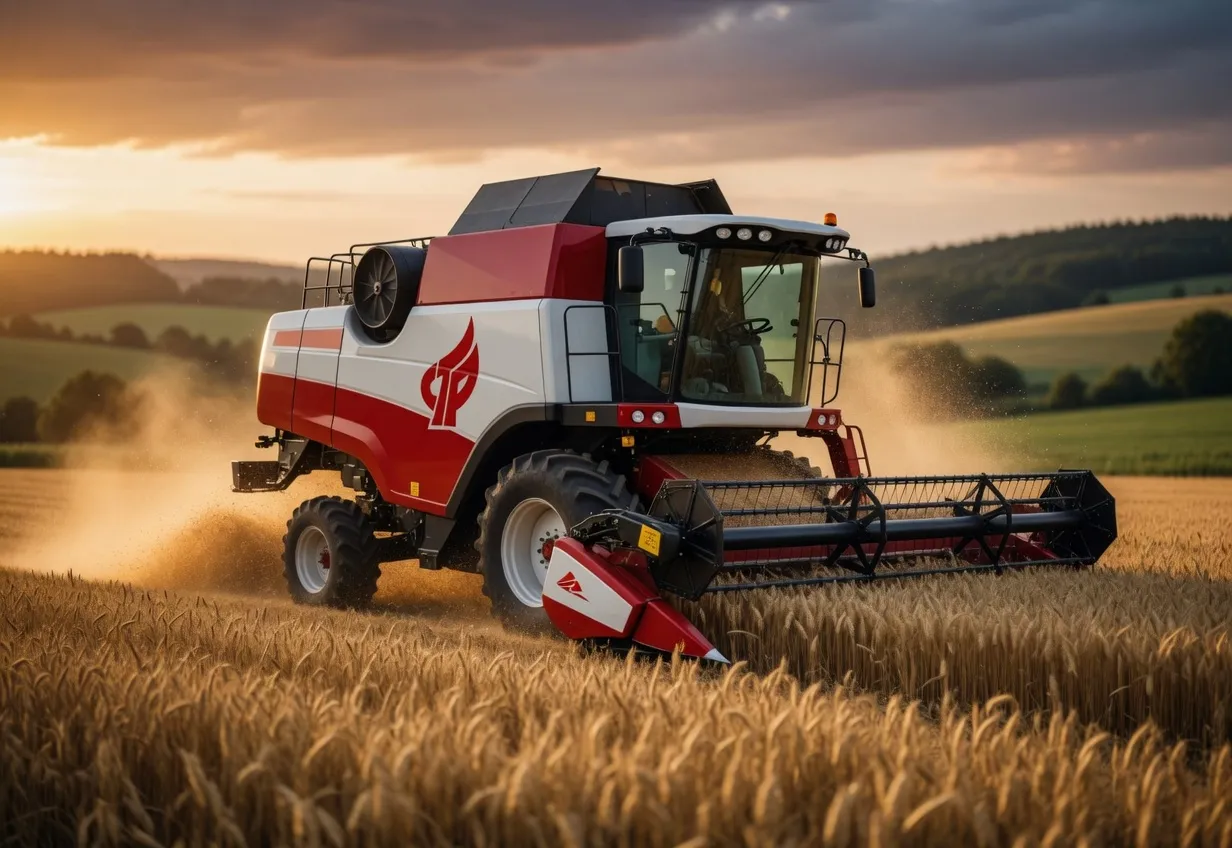
The 9YG-1.25A Round Baler features precise chamber pressure adjustment for consistent bale density across varying crop conditions.
Step 3: Inspect Belts, Rollers and Pickup Components
Worn or glazed belts reduce friction and compression efficiency. Check belt tension and condition daily during harvest. Replace any belt showing cracks, glazing or excessive stretch. Pickup tines that are bent or worn fail to feed material evenly into the chamber, creating air pockets that prevent tight bales. Clean debris from the pickup and replace damaged tines immediately.
EverPower supplies heavy-duty replacement belts and tines engineered for Australian conditions. Regular inspection prevents the gradual density loss that operators often attribute to other causes.
Step 4: Confirm Correct PTO Speed and Ground Speed
Operating below 500 rpm PTO speed or travelling too fast for crop density prevents proper compression. Maintain 540 rpm at the PTO and adjust forward speed so the pickup feeds material steadily without overloading. In heavy or wet windrows, reduce ground speed by 0.5 to 1.0 km/h to allow complete chamber filling before the bale reaches preset size.
Electronic monitors on EverPower balers display real-time PTO speed and chamber fill percentage, enabling operators to make immediate corrections before loose bales are produced.
Step 5: Calibrate Bale Size and Density Sensors
Incorrect sensor calibration or worn measuring arms can cause the baler to eject bales before full density is reached. Perform a manual check by measuring bale diameter and weight after ejection. Compare results against the machine’s target specifications and recalibrate sensors according to the operator manual if discrepancies exceed 5 percent.
EverPower service technicians can perform full sensor calibration during routine maintenance visits, ensuring long-term accuracy and preventing recurring loose bale issues.
Preventing Recurrence Through Daily Checks and Maintenance
Implement a five-minute pre-shift inspection covering belt tension, pickup condition, chamber pressure settings and sensor function. Record settings and observations in a simple log to identify patterns. Schedule professional servicing every 400 to 600 bales or at the end of each major harvest period to address wear before it affects bale quality.
Operators who follow this disciplined approach report 70 to 80 percent fewer loose bale incidents and significantly lower annual repair costs across the life of the machine.
Why EverPower Round Balers Minimise Loose Bale Issues
EverPower Baling Machinery Australia Pty Ltd engineers the 9YG series with robust chambers, high-friction belts and precise electronic controls that maintain consistent density even under variable Australian crop and weather conditions. Local parts availability at 27 Harley Crescent, Condell Park NSW 2200 and factory-trained technicians ensure rapid resolution when issues arise. The combination of durable design and responsive support delivers reliable bale quality season after season across the full range of baling machinery and silage baler solutions.
Contact +61 2 9708 3322 or [email protected] for on-site diagnosis or to arrange a pre-season service that includes density calibration.

Comprehensive local support at EverPower keeps round balers producing tight, high-quality bales throughout the season.
Recommended Product: 9YG-2.24D Round Baler
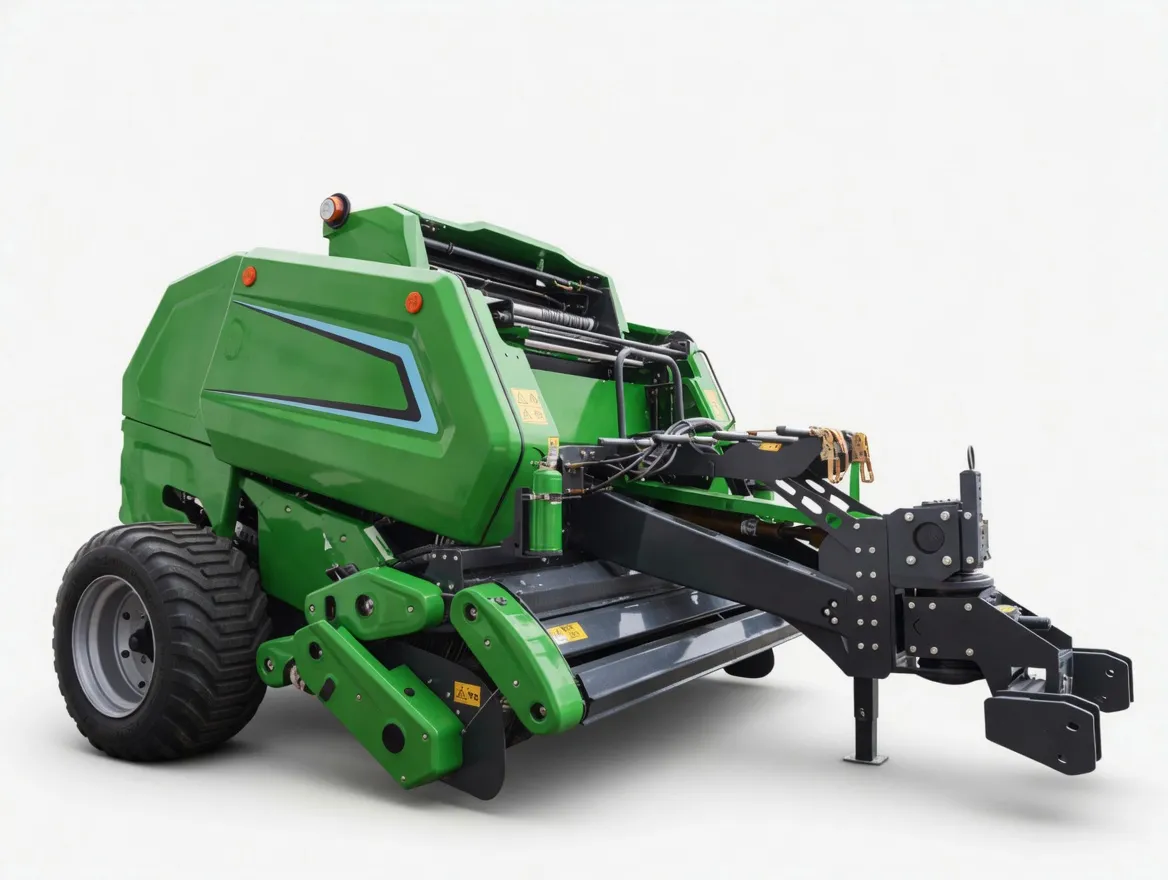
The 9YG-2.24D Round Baler features adjustable chamber pressure, heavy-duty belts and electronic monitoring that together minimise loose bale issues. Its proven reliability and local support make it the trusted choice for Australian operators demanding consistent, high-density bales season after season.
Frequently Asked Questions
Experiencing Loose Bales During Harvest?
Our technicians can diagnose the issue on-site and restore consistent bale quality quickly.
EverPower Baling Machinery Australia Pty Ltd | 27 Harley Crescent, Condell Park NSW 2200
📞 +61 2 9708 3322 | ✉️ [email protected]