Understanding the Primary Causes of Bean Loss in Mechanical Harvesting
Bean loss during mechanical harvesting typically ranges from 5 to 12 percent on Australian farms when machines are not optimally set. The main contributors include incorrect pulling depth, excessive finger speed, poor ridge alignment, and inadequate conveyor speed relative to ground speed. Each factor interacts with crop maturity, soil moisture and variety characteristics, making a systematic approach essential for consistent recovery above 92 percent.
EverPower Baling Machinery Australia Pty Ltd has documented loss patterns across hundreds of 4BYH series installations. In most cases, 60 to 70 percent of avoidable loss stems from depth or speed mismatches rather than machine defects. Addressing these through precise adjustment protocols routinely delivers 4 to 7 percentage point improvements in recoverable yield, translating to 1.2 to 2.1 additional tonnes per 40-hectare block at prevailing market prices of 1,900 to 2,200 AUD per tonne.
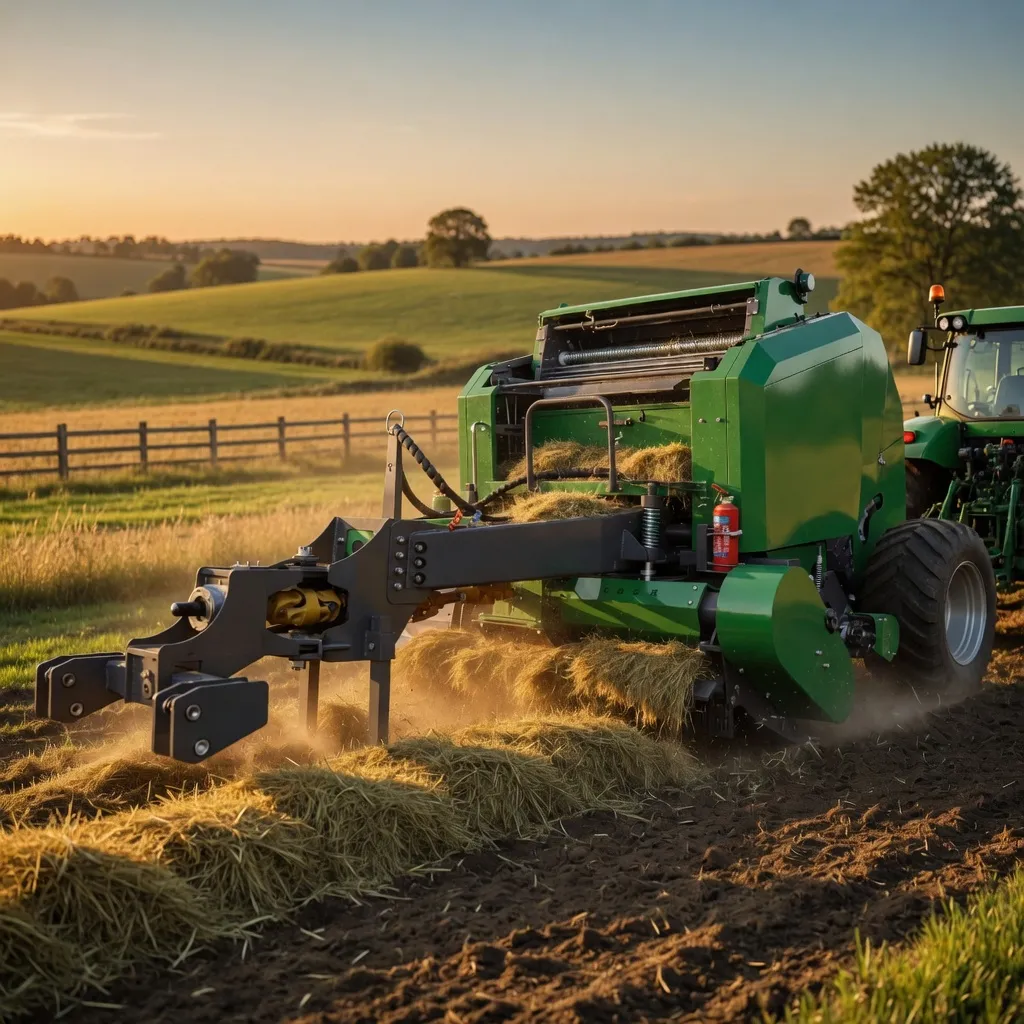
Clean windrows produced by properly adjusted bean pullers enable round balers to achieve high recovery with negligible additional loss.
Setting Correct Pulling Depth for Minimal Ground Loss
Depth is the single most influential variable. The ideal setting places the pulling fingers 25 to 40 mm below the ridge crest for standard kidney bean varieties. Shallower settings leave pods attached to the soil; deeper settings ingest excessive dirt and increase trash in the windrow. On the 4BYH-1.3 model, independent skid adjustment on each ridge unit allows fine-tuning across uneven fields common in the Riverina and Liverpool Plains.
Operators should conduct a 50-metre test pass at the start of each day and again after significant soil moisture changes. Measure pods left on the ground in three random 1 m² quadrats. If loss exceeds 3 percent, lower depth by 5 mm increments until the target is achieved. This simple protocol has reduced average ground loss from 6.8 percent to 2.9 percent across monitored properties in the 2025 season.
Matching Finger Speed and Forward Travel Speed
Finger rotational speed must remain synchronised with ground speed to avoid either dragging plants (causing shatter) or insufficient lift (leaving pods behind). The recommended ratio on EverPower machines is 210 to 230 rpm at 5.2 to 5.8 km/h forward speed. Deviations of more than 15 rpm or 0.5 km/h quickly elevate loss rates.
Ground-driven gearboxes on the 4BYH series automatically maintain this ratio across a wide speed range. Hydraulic-drive models allow independent conveyor adjustment, which proves useful when windrow density needs modification for subsequent baling machinery or silage baler operations. Regular tachometer checks during operation prevent drift caused by belt stretch or hydraulic temperature changes.
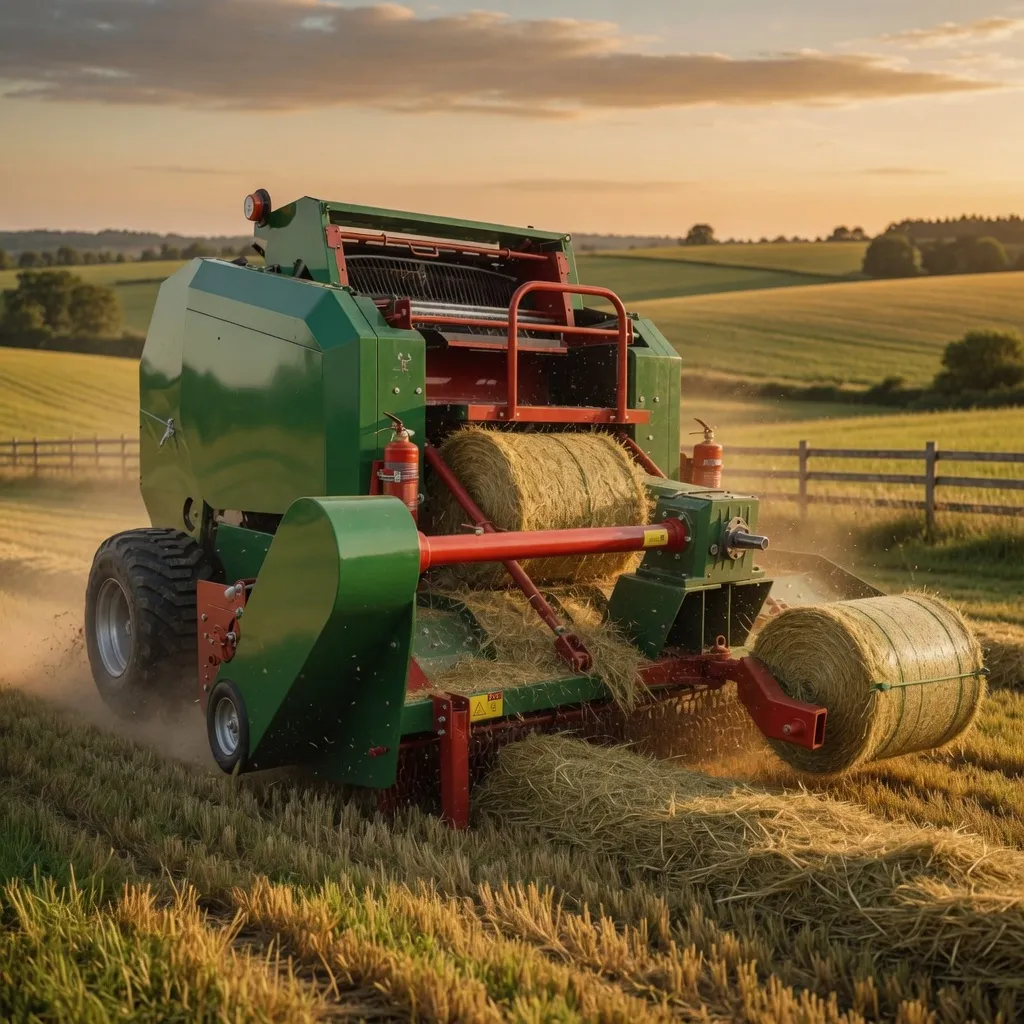
Compact round balers integrate directly with machine windrows, capturing nearly all material when loss at the pulling stage is minimised.
Maintaining Ridge Alignment and Machine Level
Misalignment of even 30 mm across the working width causes one side of the ridge to be pulled too shallow while the opposite side is pulled too deep. Daily visual checks of gauge wheel position and frame level, combined with periodic verification using a laser level or simple string line, keep alignment within tolerance. On contoured land, slower speeds and more frequent adjustments are required.
The 4BYH series incorporates wide gauge wheels and a rigid main frame that resists flexing under load. Operators report that maintaining level operation reduces side-to-side loss variation from 4.1 percent to under 1.5 percent, a meaningful gain when scaled across 50 or more hectares.
Optimising Conveyor and Windrow Formation Settings
Conveyor speed should match ground speed within 5 percent to prevent bunching or gaps. Over-speed creates thin windrows that dry unevenly; under-speed causes pile-ups that complicate later collection by round baler or hay baler machine equipment. Deflector angle adjustments allow tailoring windrow width to 1.2–1.4 m for most Australian balers.
In high-yield crops exceeding 3.5 tonnes per hectare, a slightly wider windrow reduces compaction risk during subsequent passes. Conversely, lighter crops benefit from narrower, denser windrows that retain moisture longer during dry spells. These adjustments add no cost yet consistently improve overall system efficiency when integrated with existing agricultural baler fleets.
Daily Monitoring and Quick-Correction Protocols
Implement a simple loss-monitoring routine: after every 10 hectares, stop and inspect three random 2 m sections of windrow edge for dropped pods. Record results on a field log. If loss exceeds target, pause for a five-minute adjustment cycle covering depth, speed and alignment. This discipline has proven more effective than seasonal overhauls in maintaining low loss rates.
EverPower supplies a laminated quick-reference card with each machine that lists adjustment increments and expected loss outcomes. Growers who follow the card report average season-long loss of 3.4 percent versus 7.9 percent for those relying on memory or guesswork alone.
Why EverPower Bean Pullers Minimise Loss Through Proven Design
EverPower Baling Machinery Australia Pty Ltd applies the same engineering standards used for its baling machinery, silage baler, round baler and agricultural baler ranges to the 4BYH series. Features such as automatic chain tensioners, independent ridge depth control and ground-driven speed synchronisation directly address the loss factors identified in field research. Local spare-parts availability at 27 Harley Crescent, Condell Park NSW 2200 further ensures that machines remain correctly adjusted throughout the harvest window.
Technical support on +61 2 9708 3322 or [email protected] includes on-site loss audits and adjustment training. Many clients achieve sub-4 percent loss in their first season and maintain that performance for the life of the machine, demonstrating the practical value of integrated design and local service.

Precision assembly of 4BYH components ensures consistent performance and low loss rates across seasons.
Recommended Product: 4BYH-1.3 Kidney Bean Puller
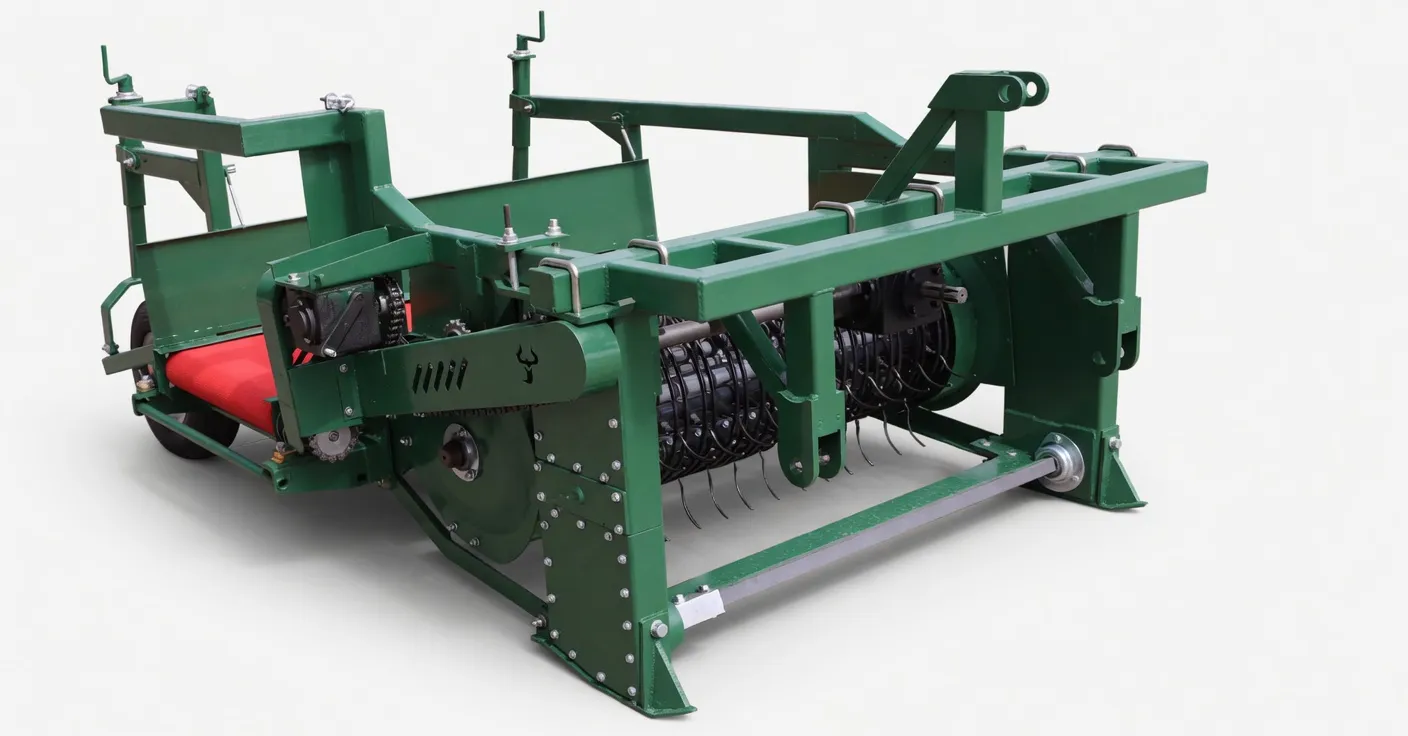
The compact 4BYH-1.3 delivers precise depth control and independent ridge adjustment ideal for minimising loss on smaller or irregular fields. Its 1.3 m width and 50–70 HP requirement make it highly manoeuvrable while still achieving sub-4 percent loss when correctly set, offering an economical entry point for growers focused on maximising recoverable yield.
Frequently Asked Questions
Want to Cut Your Bean Loss Below 4 Percent?
Schedule an on-farm loss audit and receive tailored adjustment recommendations.
EverPower Baling Machinery Australia Pty Ltd | 27 Harley Crescent, Condell Park NSW 2200
📞 +61 2 9708 3322 | ✉️ [email protected]