
Why Cattle Sort Their Feed — and Why It Costs You Money
Selective feeding is one of the most underestimated sources of economic loss on Australian feedlots and dairy operations. It occurs when cattle consume the grain and leaf fractions of a ration while leaving behind the straw, stover, and long-fibre components. The result looks harmless — the feedbunk empties — but the animals that eat first are over-consuming starch and under-consuming fibre, while animals that eat later receive an inverted ration that is mostly roughage with the energy fraction already gone. Neither group is being fed what the ration was formulated to deliver, and the production consequences are measurable: reduced average daily gain, variable milk yields, inconsistent body condition scores, and a higher incidence of digestive health problems including sub-acute ruminal acidosis and displaced abomasum.
Cattle are physically capable of sorting because their tongues are prehensile — they can grip and selectively ingest particles above roughly 20 mm in length. They choose long particles (long hay, straw stalks) when fibre appetite drives them, and they select grain and leaf when energy drives them. A ration with mixed particle sizes gives them the physical opportunity to express this preference. The solution is not to change the ration formulation — it is to eliminate the physical opportunity for sorting by reducing all ration components to a particle size narrow enough that selection is mechanically impractical. A hammer-mill forage grinder, used correctly and maintained properly, is the most reliable way to achieve this.
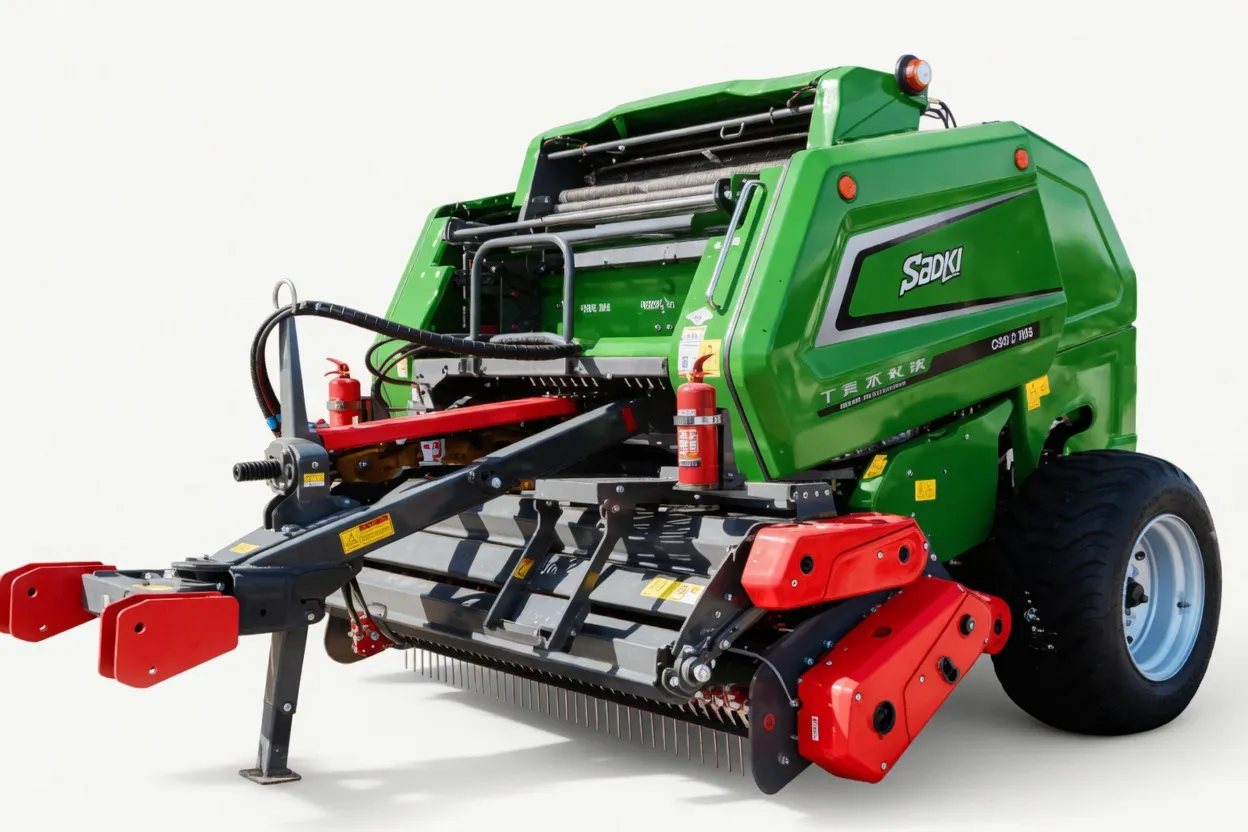
Consistent bale quality — uniform density and moisture — feeds into consistent grinder output, which in turn produces a TMR that cattle cannot effectively sort.
The Particle Size Threshold That Stops Sorting
Research into cattle sorting behaviour consistently identifies a threshold around 19–25 mm: particles above this length can be reliably selected by cattle; particles below it are increasingly difficult to sort. A commonly used benchmark in feedlot nutrition is that less than 8% of a ration’s dry matter should be retained on a 19 mm sieve. When this benchmark is met, cattle sorting indices — measured by comparing fresh ration composition with refusal composition after 24 hours — approach 1.0, meaning the animal consumed the ration in the same proportions it was offered.
Achieving less than 8% retention on the 19 mm sieve with a hammer-mill forage grinder requires the right screen size and well-maintained hammers. The 9F-70 fitted with an 8 mm screen produces a particle distribution where the 19 mm retention is typically 2–5% for dry hay and 4–8% for straw and corn stover. These figures sit within the anti-sorting benchmark. A 10 mm screen increases 19 mm retention to 8–14% for stover — above the benchmark — and is better suited to dry cow rations where some sorting is acceptable. The 6 mm screen produces 19 mm retention below 2% for all common roughage types, effectively eliminating sorting potential at the cost of some rumen mat formation capacity in high-grain rations.
How Grinding Changes Feedbunk Behaviour
Operations that transition from unground or coarsely chopped roughage to hammer-mill ground material in their TMR typically observe three behavioural changes at the feedbunk within the first 7–14 days. First, individual animal intake becomes more uniform — the coefficient of variation in dry matter intake across the pen drops, which is visible in more consistent body condition scores within a mob. Second, feedbunk refusal composition changes: instead of a straw-heavy residue with grain and leaf consumed, refusals consist of a representative sample of the whole ration, indicating that selective consumption has ceased. Third, total refusal volume often decreases by 5–10% as animals stop avoiding the fibre fraction they previously sorted around.
These behavioural changes translate into measurable production outcomes. Feedlot operations have reported 3–6% improvements in average daily gain in the 30 days following conversion to ground-roughage TMR, attributable to more consistent energy intake across the pen. Dairy operations have reported reductions in milk fat depression frequency — a common marker of SARA — after switching from long hay to hammer-mill ground hay in the TMR roughage fraction. The financial value of these improvements is site-specific but consistently exceeds the operating cost of the grinder on operations above 50–80 head.
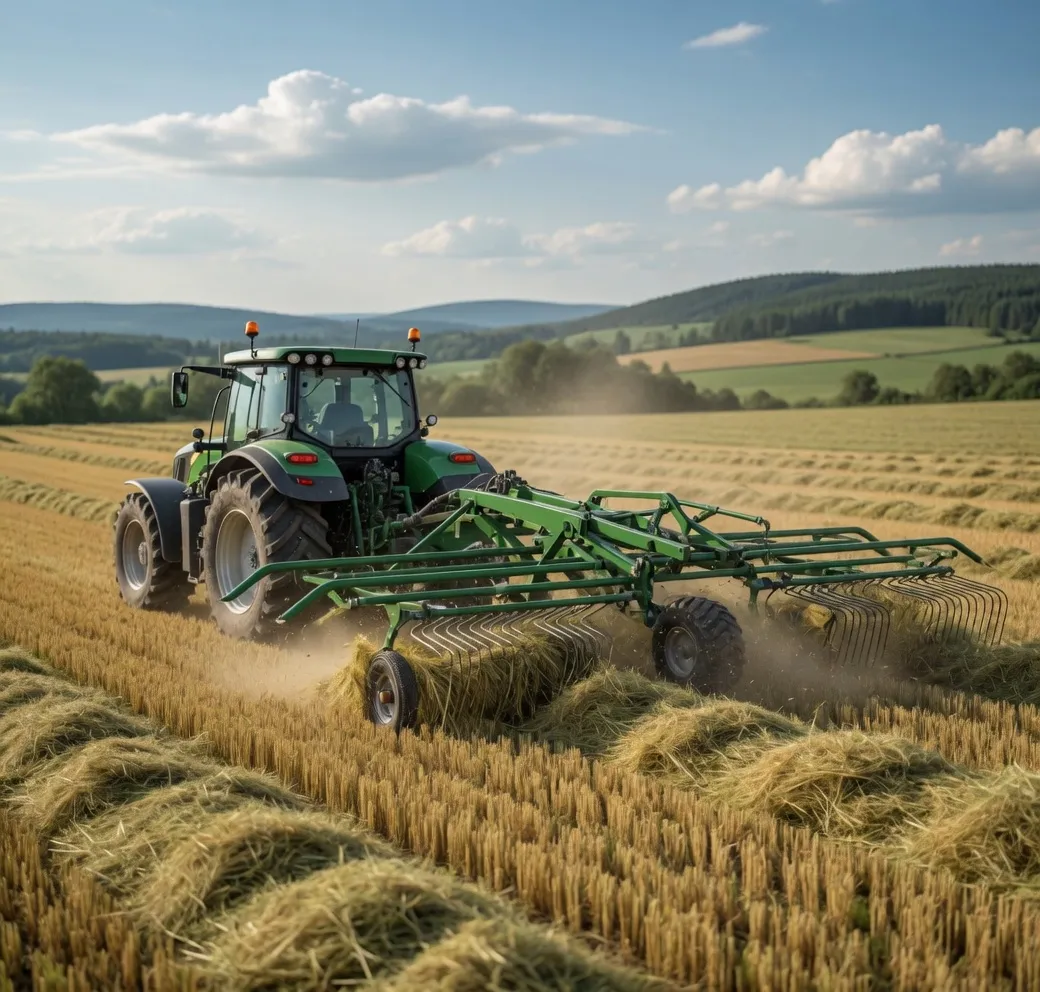
Efficient forage handling from paddock to feedbunk — baling, conveying, and grinding — keeps the feed chain consistent and reduces the variables that cause sorting problems.
Step-by-Step: Setting Up the 9F-70 to Prevent Sorting
Select the correct screen for your animal class
Start with an 8 mm screen for beef finishing and dairy TMR roughage. This delivers a particle distribution that meets the anti-sorting benchmark for most hay and straw types. If the Penn State sieve test shows more than 8% on the 19 mm sieve, drop to a 6 mm screen. If rumination time drops and SARA signs appear, move back to 8 mm and address sorting through TMR mixer sequence rather than finer grinding.
Maintain hammer condition within the rated service interval
Worn hammers produce a wider particle size distribution with more coarse outliers above 25 mm — exactly the particles that enable sorting. Flip hammers at 100 operating hours and replace at 200 hours for dry hay conditions. Do not wait until throughput drops visibly; by that point the particle distribution has already widened and the ration has been affected for days or weeks.
Check screen integrity after any stone or metal impact
A single stone impact can distort a screen section, creating oversized holes that allow unground particles to pass. Inspect the screen face visually after any unusual sound from the grinding chamber, and replace if deformation or cracked holes are found near the impact point.
Run the Penn State sieve test weekly during feeding seasons
Weighing 200 g of freshly ground material through the 19 mm, 8 mm, and 1.18 mm sieves takes 5 minutes and immediately reveals whether the grinder is producing within target specification. Make this a weekly routine so any drift in particle distribution is caught before it affects a full week of ration batches.
Add ground roughage last in the TMR mixer sequence
Even well-ground roughage can de-mix if added first and then over-mixed with grain. Standard TMR mixing protocol adds dry roughage in the final 3–5 mixer revolutions. This keeps the fibre evenly distributed through the mix without reducing particle length below target through over-mixing shear.
Measuring Sorting: Before and After the Grinder
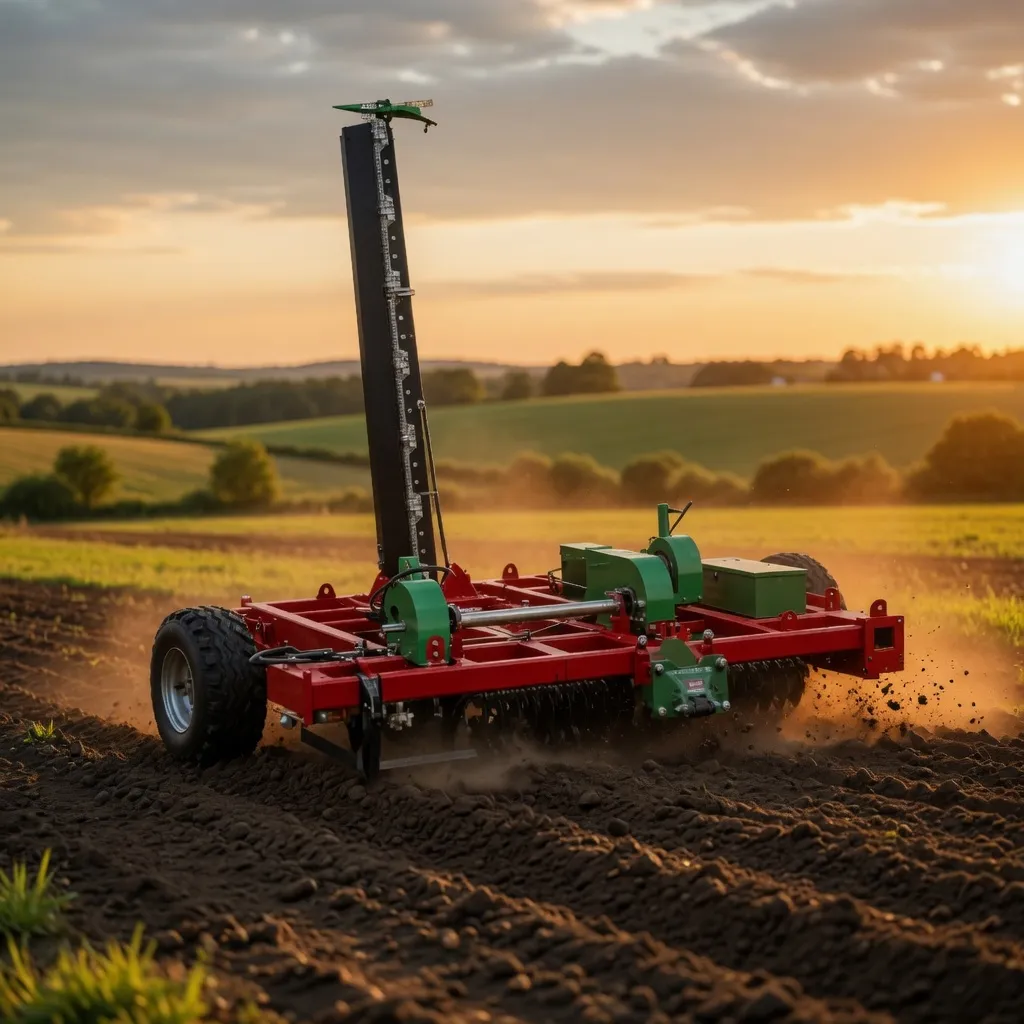
Higher forage volumes require reliable, high-capacity equipment at every stage — from cutting to baling to grinding — to keep feeding programmes on schedule.
EverPower 9F-70: The Anti-Sorting Tool for Australian Feedlots
The 9F-70 Animal Feed Grass Grinder is available from EverPower Baling Machinery Australia. Fitted with a CNC-punched 8 mm screen, it delivers the particle distribution required to bring sorting indices above 0.92 in standard beef and dairy TMR rations. Replacement screens in all four hole sizes, hammer sets, and rotor bearing kits are stocked at the Condell Park NSW warehouse with same-day dispatch on orders received before 2:00 PM AEST. Contact EverPower at +61 2 9708 3322 or [email protected] to discuss screen selection for your specific ration and animal class.
Recommended Product: 9F-70 Animal Feed Grass Grinder
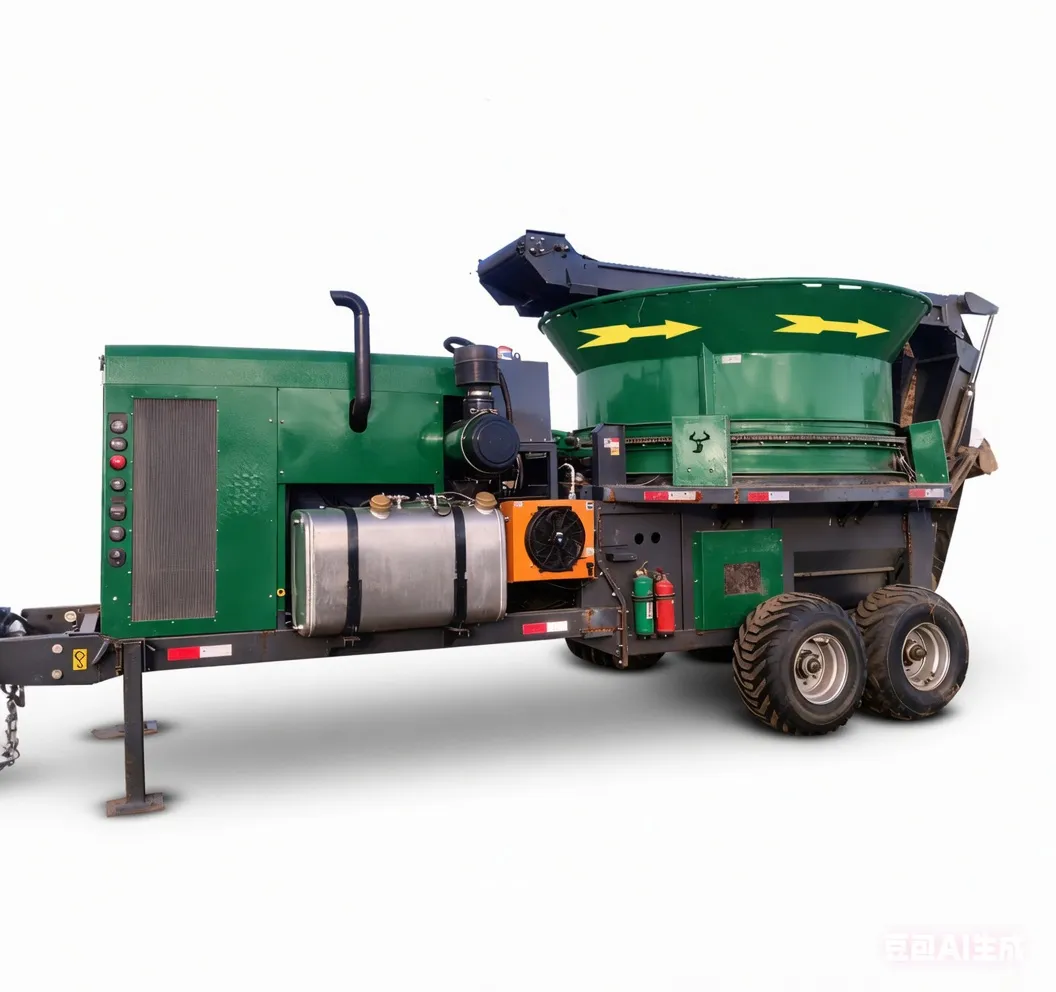
Eliminate cattle sorting with consistent 4–15 mm particle size from hay, straw, and crop residues. CNC-punched screens in 4 mm, 6 mm, 8 mm, and 10 mm sizes. Through-hardened reversible manganese steel hammers. 500–800 kg/hour throughput on dry hay. Electric (415 V 3-phase) and diesel power options. All wear parts stocked at Condell Park NSW for fast Australia-wide dispatch.
Frequently Asked Questions
Stop Sorting. Start Feeding the Ration You Paid For.
EverPower can advise on screen selection and hammer maintenance for anti-sorting TMR particle size targets on your operation.
EverPower Baling Machinery Australia Pty Ltd | 27 Harley Crescent, Condell Park NSW 2200
📞 +61 2 9708 3322 | ✉️ [email protected]