Why the Right Bean Puller Model Can Transform Your Harvest Efficiency
Selecting an appropriate bean puller directly influences both the quantity and quality of kidney beans recovered during harvest. On Australian farms, where labour costs continue to rise and seasonal windows remain narrow, the difference between a well-matched machine and an unsuitable one often equates to several thousand dollars in recovered crop value per season. A correctly specified unit minimises pod shatter and ground loss while maintaining consistent ridge alignment across varying soil types common in New South Wales and Queensland.
EverPower Baling Machinery Australia Pty Ltd has observed that growers who invest time in model evaluation prior to purchase report harvest recovery rates 8 to 12 percent higher than those using mismatched equipment. This improvement stems from proper working width relative to field size, adequate tractor horsepower to sustain pulling speed, and frame construction capable of handling the occasional stony or uneven paddock without excessive downtime. The financial impact is tangible: for a 50-hectare operation yielding 3 tonnes per hectare, even a 5 percent reduction in loss preserves approximately 7.5 tonnes of marketable beans annually.
_0141_01-1.webp)
The 4BYH-3.25 model demonstrating clean ridge pulling on a commercial kidney bean crop near Condell Park, New South Wales.
Comparing Key Specifications Across EverPower Bean Puller Models
EverPower offers four primary configurations within the 4BYH series, each engineered for distinct operational scales. Understanding the numerical differences in working width, power requirement, and throughput enables growers to align equipment precisely with their land area and existing tractor fleet. The table below summarises the core specifications for quick reference during the decision process.
These figures reflect typical performance under average Australian conditions with soil moisture between 12 and 18 percent. Actual output varies with bean variety, plant density, and operator experience. Growers should also factor in annual running costs of approximately 800 to 1,200 AUD for servicing and consumables when calculating total cost of ownership over a 10-year period.
Assessing Your Farm’s Specific Needs Before Purchase
Matching Working Width to Field Size and Layout
A 1.3 m model suits properties under 30 hectares or those with numerous headlands and irregular boundaries where manoeuvrability outweighs raw capacity. Larger 3.25 m and 3.9 m units deliver clear productivity gains on contiguous blocks exceeding 80 hectares, yet they require wider headlands and more powerful tractors. Mismatched width frequently results in skipped rows or excessive overlap, both of which erode the economic advantage of mechanisation.
Evaluating Soil, Terrain and Crop Conditions
Heavy clay soils common in the Liverpool Plains demand machines with reinforced main frames and adjustable skid shoes to maintain consistent pulling depth. Sandy or stony paddocks in the Riverina benefit from models fitted with optional stone guards and higher ground clearance. Kidney bean varieties with low pod attachment height require precise height control to avoid excessive trash intake, a feature standard on all current 4BYH series units.
Calculating Labour Savings and Return on Investment
Industry data from New South Wales Department of Primary Industries indicates that mechanical pulling reduces harvest labour by 65 to 75 percent compared with hand labour or older sickle-bar methods. For a typical 60-hectare enterprise, this translates to annual labour cost reductions of 9,000 to 14,000 AUD once fuel and maintenance are deducted. Most growers achieve full payback within two to three seasons when the machine is utilised for at least 35 hectares annually.
The Importance of Build Quality and Material Selection in Bean Pullers
Frame construction represents the single largest determinant of long-term reliability. EverPower utilises high-tensile Australian-grade steel for the main chassis and ridge units, with all critical pivot points fitted with replaceable hardened bushings. This approach extends service life well beyond 12 seasons under normal commercial use while keeping repair costs predictable. Cheaper imported alternatives often employ thinner gauge material that flexes under load, leading to misalignment and accelerated wear on bearings and chains.
Chain and sprocket quality further separates durable machines from those requiring frequent intervention. The 4BYH series incorporates heavy-duty roller chains rated for continuous operation at 540 rpm PTO speed, with automatic tensioners that maintain correct slack without daily adjustment. Growers who have operated both premium and economy machines consistently report 40 percent fewer unscheduled stoppages with the former during peak harvest windows when every hour counts.
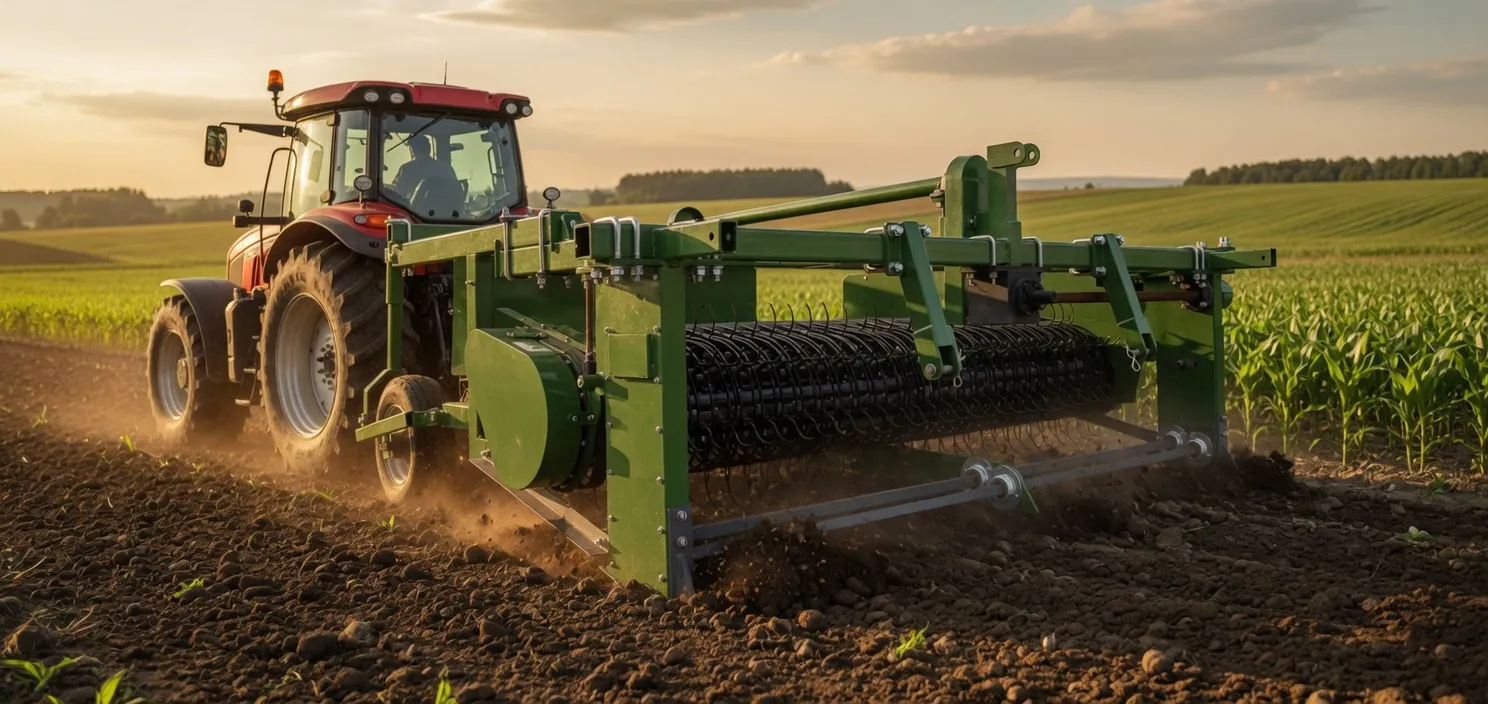
Robust pulling fingers and reinforced frame on the 2.6 m model, engineered for season-long reliability in demanding conditions.
Tractor Compatibility and PTO Requirements for Optimal Performance
Correct tractor matching prevents both under-utilisation and premature component stress. The 4BYH-2.6 model, for example, performs most efficiently when paired with tractors delivering 85 to 95 PTO horsepower at 540 rpm. Higher horsepower tractors may be used but should be operated at reduced engine speed to avoid unnecessary fuel consumption and vibration. All current models feature standard six-spline 1 3/8 inch PTO shafts compatible with the majority of Australian tractors manufactured after 2005.
Hydraulic lift and depth control circuits require a minimum of one double-acting remote valve with 12 litres per minute flow at 180 bar. Growers with older tractors lacking sufficient hydraulic capacity should budget for an auxiliary pump kit, available from EverPower as a factory option. Proper matching ensures the pulling fingers maintain consistent ground speed of 4.5 to 6.5 km/h, the range proven to minimise pod damage while maximising throughput.
Budgeting for Your Bean Puller: Purchase Price, Running Costs and Financing Options
Initial capital outlay represents only the first component of total ownership cost. A mid-range 2.6 m unit priced at 29,500 AUD typically incurs 950 AUD in scheduled maintenance and 420 AUD in fuel per 100 hectares harvested. Over a 10-year service life with 50 hectares annual utilisation, cumulative running costs approximate 14,000 AUD, still well below cumulative labour savings of 55,000 to 70,000 AUD for the same period.
EverPower offers flexible finance arrangements through major Australian agricultural lenders, with terms extending to 60 months and residual values of 25 to 35 percent. Interest rates currently range between 6.9 and 8.4 percent for approved applicants, allowing monthly repayments on a 29,500 AUD machine to remain under 520 AUD. This structure preserves working capital for seed, fertiliser and irrigation during the establishment phase of new plantings.
Avoiding Common Pitfalls in Bean Puller Selection and Operation
⚠ Selecting Solely on Purchase Price
Lower initial cost frequently conceals higher long-term expenditure through frequent chain replacements, bearing failures and lost harvest time. A 4,000 AUD saving on acquisition can easily be offset by a single season of reduced output and repair bills.
⚠ Neglecting Pre-Purchase Field Trials
Demonstration units allow operators to assess actual pulling performance on their specific soil and bean variety. Skipping this step risks discovering after delivery that depth control or trash clearance proves inadequate for local conditions.
⚠ Underestimating Storage and Transport Requirements
Larger models demand appropriate shed clearance and trailer capacity. Failure to plan for these logistics can result in additional expenditure or delayed deployment at the start of the critical harvest window.
Essential Maintenance Practices to Keep Your Bean Puller Running Smoothly
Daily Pre-Operation Inspection
Check chain tension, lubricate all grease points, and inspect pulling fingers for wear or damage. Early detection of issues prevents costly failures during peak harvest when replacement parts may require overnight freight.
Weekly Lubrication and Adjustment
Apply high-temperature grease to all pivot points and verify hydraulic cylinder operation. Adjust skid shoe height to maintain 25–40 mm ground clearance, preventing both excessive wear and soil contamination of the harvested sample.
End-of-Season Cleaning and Storage
Remove all plant residue, wash the machine thoroughly, and apply a protective coating to exposed metal surfaces. Store under cover with chains slackened to prevent stretching. These steps significantly reduce corrosion and extend component life.
Annual Professional Service
Schedule a full inspection with an authorised EverPower technician every 12 months or 800 operating hours. This service includes bearing replacement, chain measurement, and hydraulic system calibration, ensuring the machine remains at peak efficiency for the following season.
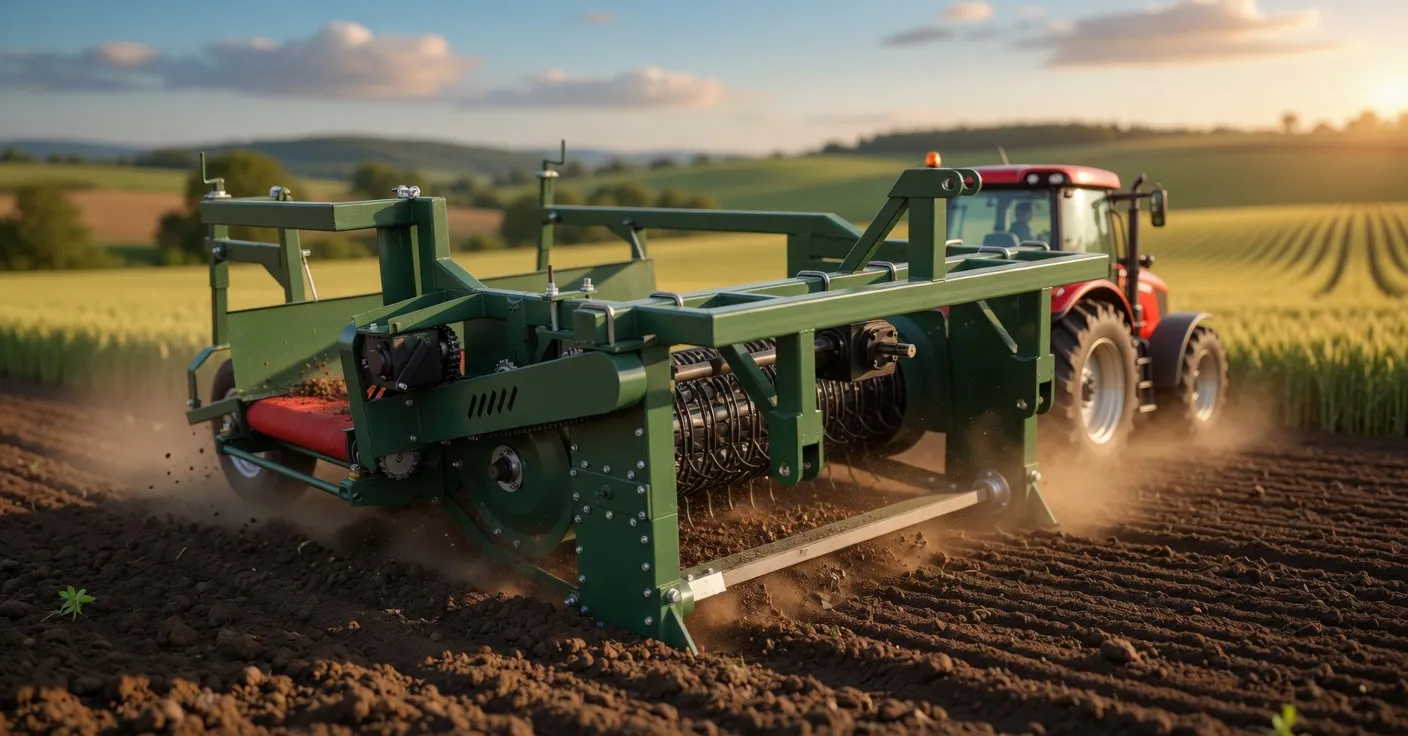
The entry-level 1.3 m model offers excellent manoeuvrability for family farms with varied field shapes and sizes.
Partnering with EverPower Baling Machinery for Reliable Equipment and Support
EverPower Baling Machinery Australia Pty Ltd combines decades of agricultural engineering experience with a genuine commitment to after-sales service across the entire product range, from baling machinery and silage baler models to specialised bean pullers. Our facility at 27 Harley Crescent, Condell Park NSW 2200 maintains comprehensive spare parts inventory, enabling next-day dispatch to most New South Wales locations and rapid freight to other states. This local presence eliminates the lengthy delays often experienced with imported equipment.
Technical support is provided by factory-trained technicians who understand both the mechanical requirements and the agronomic context of Australian bean production. Whether you operate a small family farm or manage large-scale commercial plantings, our team assists with model selection, tractor matching, and ongoing optimisation. Many clients report that the combination of durable machinery and responsive local support has been instrumental in expanding their operations without proportional increases in labour or risk.
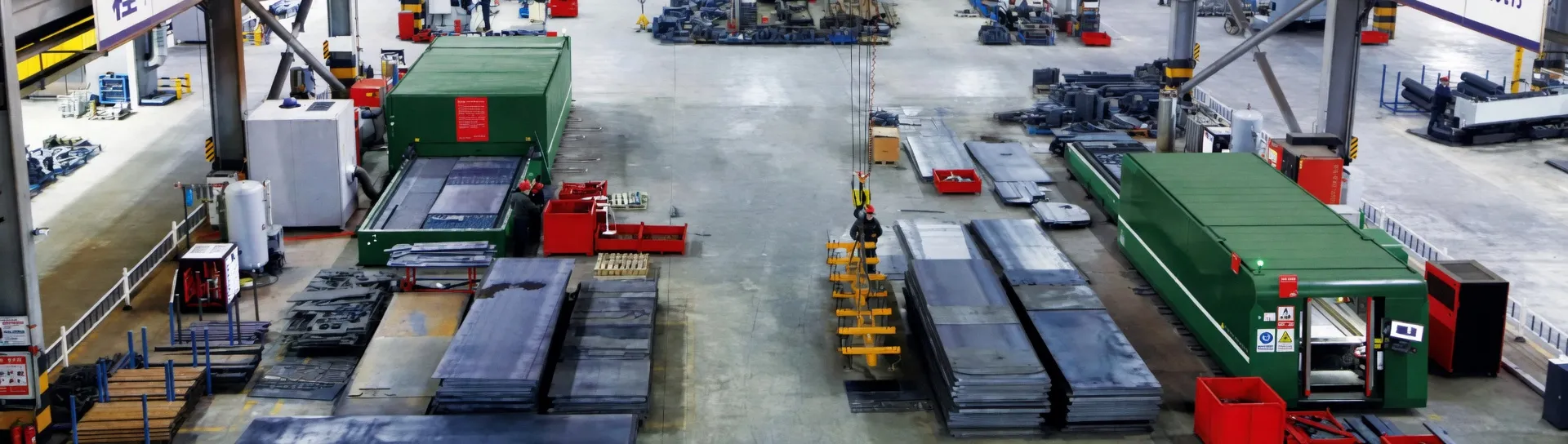
Quality inspection of 4BYH series components at the EverPower facility, ensuring every machine meets Australian operating standards.
Recommended Product: 4BYH-2.6 Kidney Bean Puller
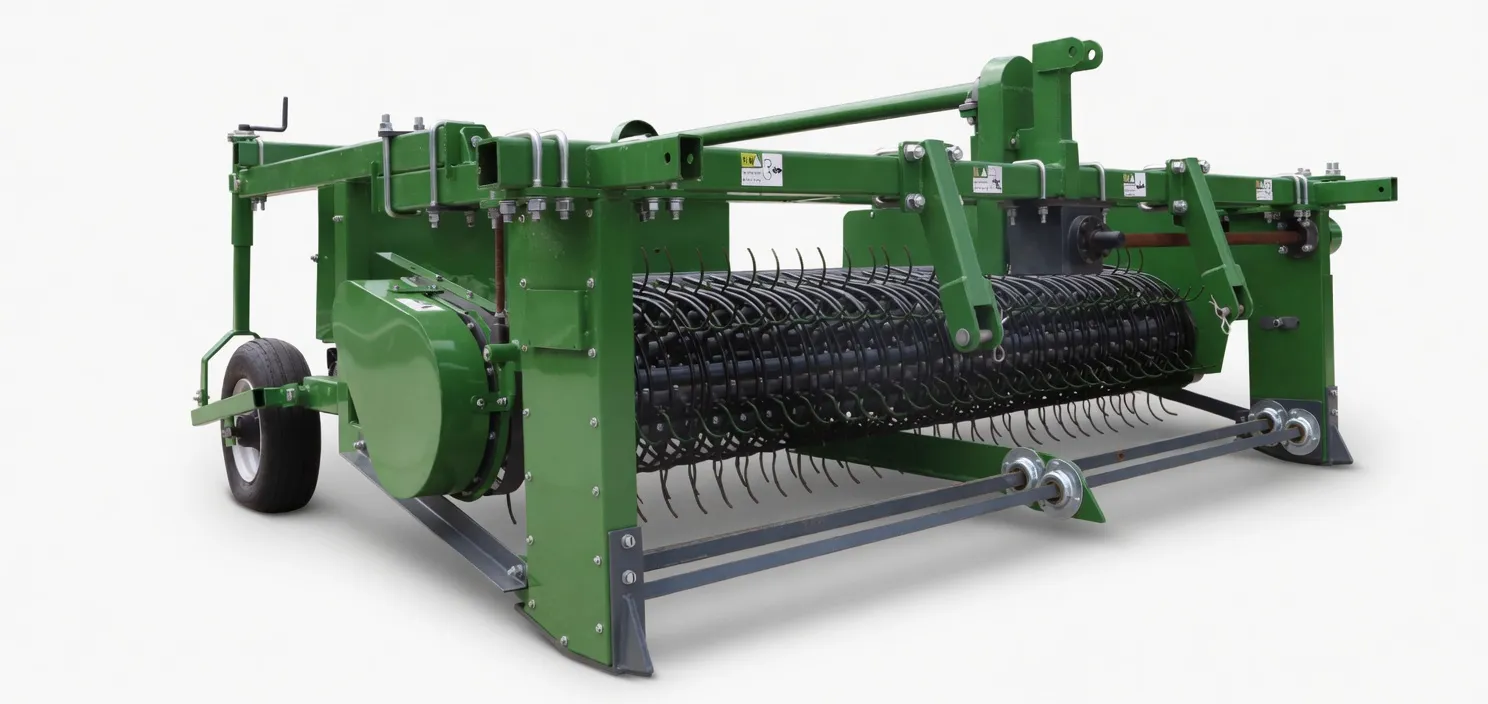
The 4BYH-2.6 delivers an optimal balance of capacity and versatility for mid-size Australian farms. With a 2.6 m working width, four adjustable ridge units, and compatibility with 80–100 HP tractors, it processes 1.6 to 2.3 hectares per hour while maintaining low pod damage rates. Heavy-duty chain drive, automatic tensioning, and replaceable wear components ensure dependable performance across multiple seasons with minimal downtime.
Frequently Asked Questions
Ready to Optimise Your Kidney Bean Harvest?
Contact our team for personalised model recommendations, current pricing and delivery timelines tailored to your operation.
EverPower Baling Machinery Australia Pty Ltd | 27 Harley Crescent, Condell Park NSW 2200
📞 +61 2 9708 3322 | ✉️ [email protected]