
Where Hay Disappears Between Mowing and the Bale
Australian hay producers commonly accept field losses of 10–15% as normal — a figure so familiar that many do not question it. On a 20-hectare paddock of perennial ryegrass yielding 5 tonnes of dry matter per hectare, a 12% loss means 12 tonnes of hay that was grown, fertilised, and irrigated but never reaches the bale. At AUD $250 per tonne farmgate value, that is AUD $3,000 of foregone revenue from a single paddock — or AUD $30,000 across a 200-hectare season. The sources of this loss are well understood and, critically, most are controllable through mowing technique, equipment setup, and timing decisions rather than additional capital investment. Crop loss occurs at three stages: during mowing (cut material left in the stubble), during wilting and tedding (leaf shatter and wind displacement), and during raking and baling (material the baler cannot pick up). This article focuses on the mowing stage — the first and often largest source of loss — and the equipment settings and operating practices that minimise it when using a traction single-blade mower like the 9GD-2.5.
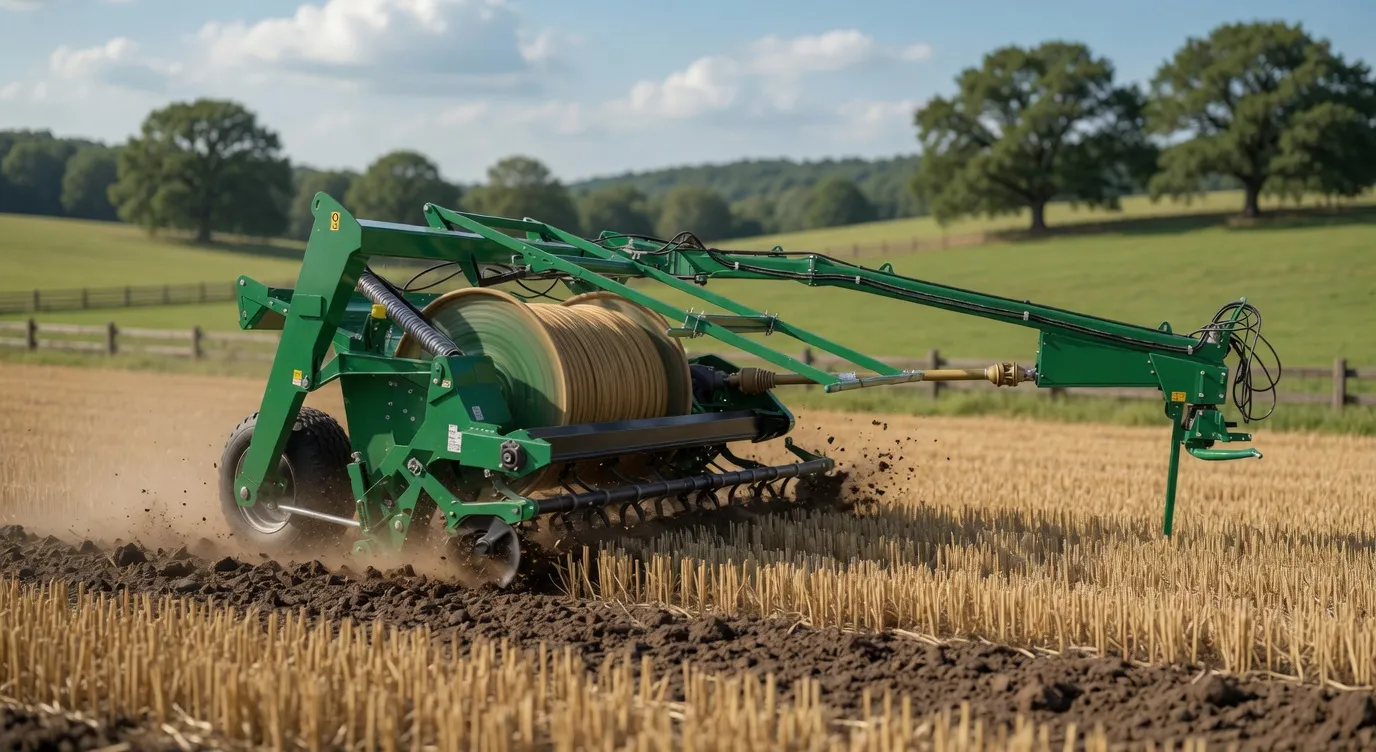
Every tonne of forage lost between mowing and baling represents real revenue that was grown but never harvested.
The Three Types of Mowing Loss and Where They Occur
Not all field loss is the same. Understanding the mechanism behind each type of mowing-stage loss reveals which adjustments have the greatest impact.
Stubble Loss: Forage Left Standing Below the Cutter Bar
The largest single source of mowing-stage loss is the standing stubble itself. On a ryegrass sward with 70 mm of residual stubble, approximately 8–12% of total standing dry matter remains in the paddock. This proportion increases with higher cutting heights and decreases with lower ones — but lowering the cut below 50 mm on ryegrass damages regrowth, as discussed in our cutting-height guide. The practical target is the lowest height that preserves regrowth without sacrificing future cuts. For the 9GD-2.5, setting the skid shoes to 55–65 mm on improved ryegrass captures the best balance. Every 10 mm reduction in cutting height captures approximately 0.15–0.25 tonnes per hectare of additional dry matter in the swath — real tonnage that converts to bales at zero additional growing cost.
Scatter Loss: Cut Material Thrown Outside the Swath
When the mower blade cuts through a stem, the severed portion falls into the swath formed between the mower’s wheels. Most of it lands where the rake and baler can collect it. But short, fine material — particularly ryegrass leaf tips and lucerne leaflets — can be thrown sideways or forward by blade momentum, wind, or centrifugal force. This “scatter” lands in the stubble outside the swath width, where neither the rake nor the baler can reach it. Scatter loss is worst in dry, leafy crops mowed at excessive ground speed. Reducing speed from 12 km/h to 9 km/h in dry ryegrass typically reduces scatter loss by 20–30% because the blade interacts with fewer stems per stroke, generating less lateral throw. Maintaining sharp blades also helps — a clean shear generates less material disruption than a ragged tear.
Uncut Loss: Stems Missed by the Blade
A properly maintained and adjusted sickle-bar mower should cut 98–99% of the stems within its cutting width. The remaining 1–2% are stems that slip between guard fingers or fold under the bar. This figure climbs rapidly when guards are bent, blade sections are missing, or the knife bar has excessive lateral play from a worn pitman ball joint. A single bent guard on the 9GD-2.5 creates a 75 mm ribbon of uncut crop running the full paddock length — on a 500-metre run, that is 37.5 square metres of uncut forage per pass. Over a full paddock, multiple bent guards compound into measurable tonnage loss. Pre-mowing guard inspection (five minutes) eliminates this source almost entirely.
Every bale represents forage that made it through mowing, raking, and baling without being lost — maximising that recovery rate is the goal.
Six Adjustments That Cut Mowing Losses by 20–40%
None of these adjustments require additional equipment purchases. All are achievable with standard maintenance tools and awareness of operating conditions.
Optimise Cutting Height for Your Specific Crop
Set skid shoes to the lowest height that preserves regrowth: 55–65 mm for ryegrass, 70–80 mm for lucerne. Check and equalise both shoes on level ground before each session. Every unnecessary 10 mm of stubble height leaves 0.15–0.25 t/ha of harvestable forage in the paddock.
Match Ground Speed to Crop Density
In light pasture, 10–12 km/h is efficient. In dense ryegrass or lucerne, slow to 7–9 km/h. The lower speed increases knife strokes per metre, ensuring every stem is cut cleanly and reducing lateral scatter of fine material. The daily acreage drops slightly, but the recovered tonnage per hectare rises — net output per day can actually improve.
Sharpen or Replace Blades at the Right Interval
A sharp blade cuts cleanly and drops the stem directly into the swath. A dull blade tears and flings material, increasing both scatter loss and uncut loss. Swap or sharpen every 15–20 ha in light grass, every 8–12 ha in dense lucerne. The AUD $120–$180 cost of a replacement section set is recovered in a single paddock of improved cut quality.
Inspect and Replace Bent Guards Before Every Session
Walk the bar end to end and sight along the guards. Any bent guard creates a ribbon of uncut crop. Straighten or replace — carry 3–4 spare guards on rocky country. Five minutes of inspection prevents hours of lost forage across a full paddock.
Mow With — Not Against — the Crop Lean
If the crop has a prevailing lean from wind or irrigation, mow in the direction of the lean so stems feed into the blade rather than folding away from it. This is particularly important in lodged (flattened) crops, where mowing against the lay can leave 30–50% of the lodged material uncut and lying in the stubble.
Avoid Mowing in Wet Conditions
Dew-laden or rain-wet stems clump and clog guard openings. Clogged guards push crop aside rather than cutting it, dramatically increasing uncut loss. Wait until the dew lifts (usually by 9:00 AM) and avoid mowing within 6 hours of rainfall. The hours lost waiting are recovered in improved cut quality and faster dry-down.
Quantifying the Value of Reduced Loss
The following table illustrates the financial impact of reducing mowing-stage losses from a typical 12% to an achievable 6% — a halving that is realistic with consistent application of the six adjustments above. Figures are based on a 200-hectare ryegrass hay operation at 5 t/ha standing DM and AUD $250/t farmgate value.
An additional AUD $15,000 in recovered revenue per season — from management changes that cost nothing beyond attention and discipline. Over a five-year mower lifespan, the cumulative gain is AUD $75,000 — more than the purchase price of the mower itself. For higher-value crops like export lucerne at AUD $450–$600 per tonne, the numbers approximately double.
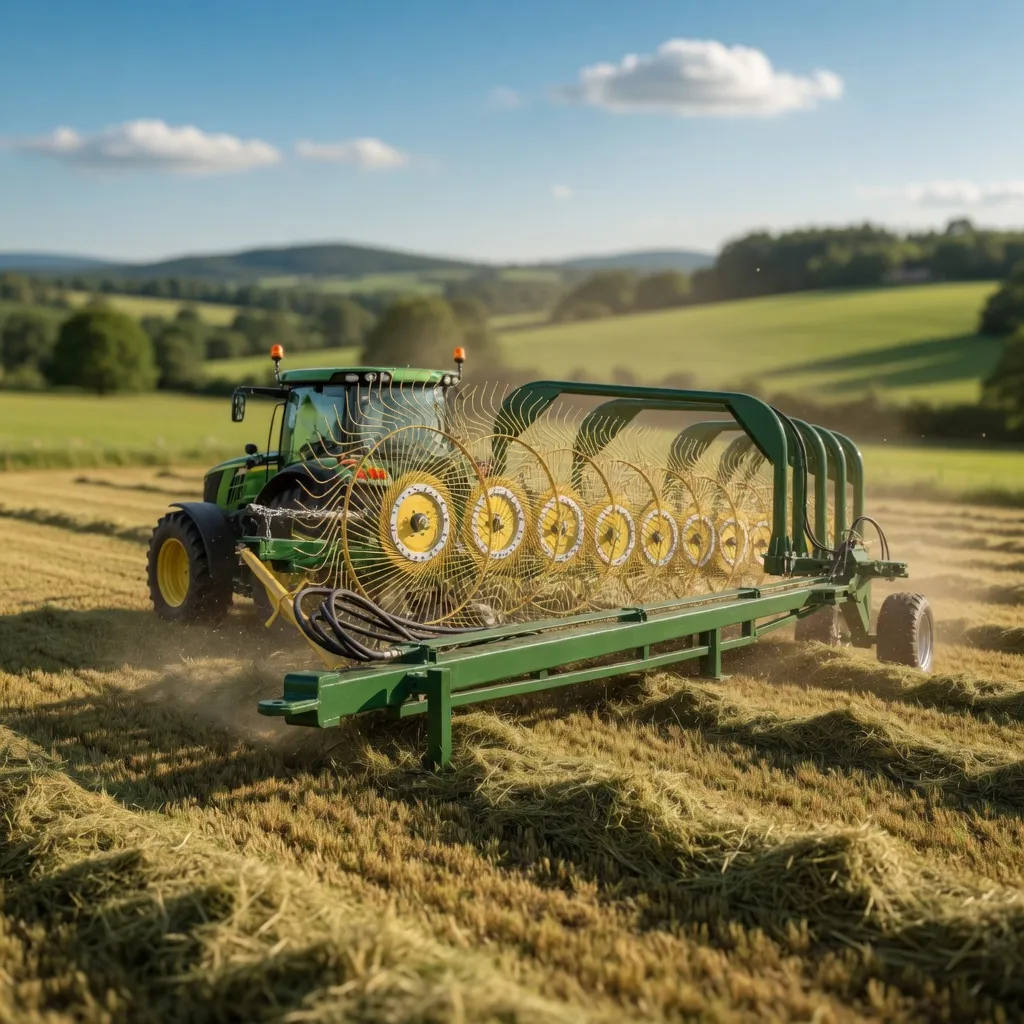
Clean, complete mowing produces dense, uniform swaths that rake and bale with minimal further losses downstream.
How the 9GD-2.5 Design Minimises Crop Loss
Several design features of the 9GD-2.5 traction single-blade mower directly address the loss mechanisms described above. The reciprocating sickle-bar cutting action produces a clean shear with minimal lateral material throw — fundamentally less scatter than a high-speed disc mower, which cuts by impact and generates significant centrifugal throw at 2,800–3,000 rpm. The towed chassis with independent wheel suspension allows the cutter bar to follow ground contours independently of the tractor, maintaining a consistent cutting height across undulations that would cause a mounted mower to scalp high spots and miss low spots. The field-replaceable knife sections and bolt-on guard plates allow rapid in-paddock maintenance — a bent guard can be swapped in under five minutes without returning to the workshop. And the adjustable skid shoes provide precise height control across the 50–100 mm range, allowing the operator to dial in the optimal stubble height for the specific crop and growth stage in each paddock.
Downstream Losses: How Mowing Quality Affects Raking and Baling Recovery
Mowing losses do not exist in isolation. The quality of the mowed swath directly influences how much additional material is lost during raking and baling — the next two stages in the harvest chain. A clean, evenly spread swath with consistent stem length dries uniformly, rakes into a tight windrow without excessive leaf shatter, and feeds smoothly into the baler pickup. A ragged swath with uncut patches, uneven height, and scattered fine material creates problems at every subsequent stage. The rake must work harder to gather scattered material, increasing leaf shatter (the most nutritious part of the plant). The baler encounters variable windrow density, causing inconsistent bale size and weight. In total, poor mowing quality can add 5–8% additional losses at the raking and baling stages that would not have occurred with a clean mow — compounding the mowing-stage losses into a total field loss of 18–25%. Conversely, best-practice mowing reduces total chain losses to 8–12%, capturing an additional 6–13 percentage points of the standing crop in every bale.
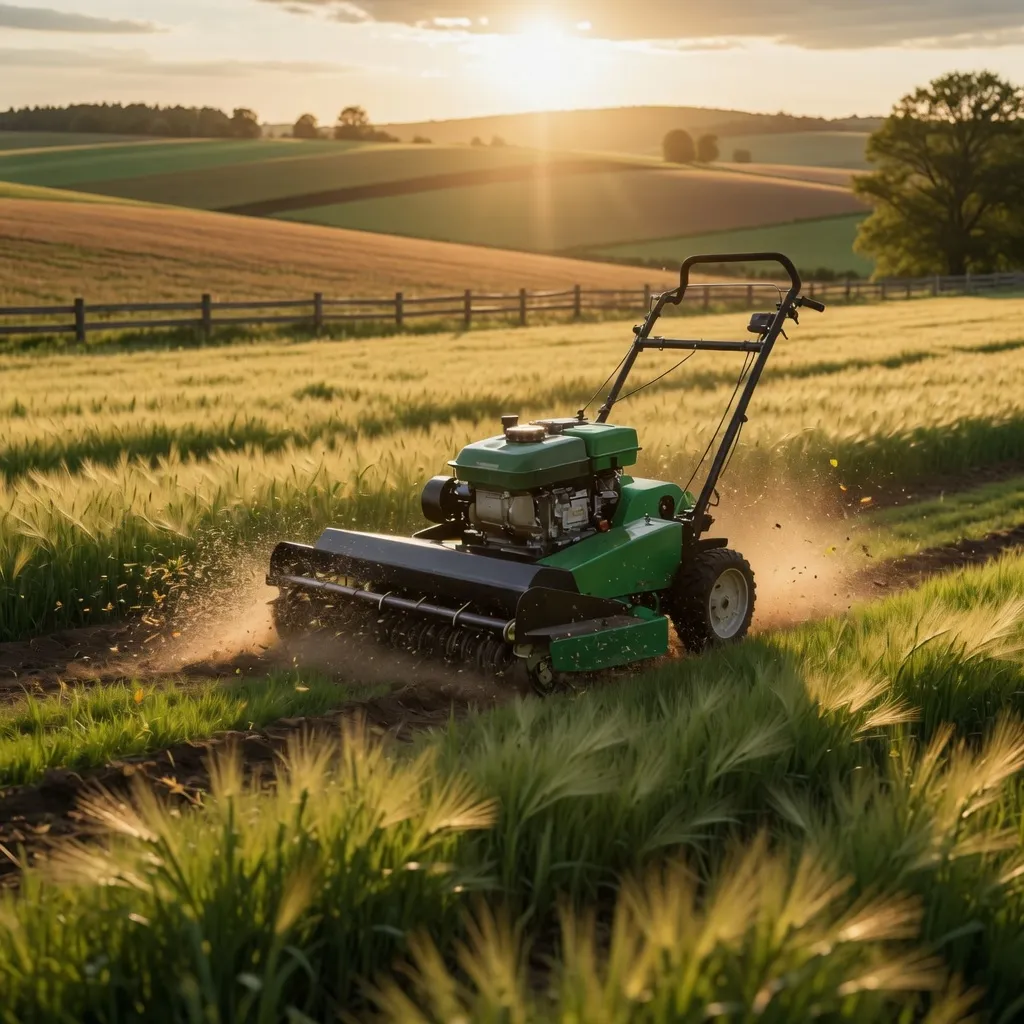
The quality of every bale traces back to the mowing pass — clean mowing is the highest-leverage point for reducing total harvest losses.
Build a Loss-Reduction Routine Into Your Season
The adjustments that reduce crop loss are not one-time fixes — they require consistent daily attention throughout the mowing season. EverPower Baling Machinery Australia supports this with rapid spare-parts supply (blade sections, guards, skid shoes) stocked at its Condell Park NSW warehouse for same-day dispatch to metropolitan Sydney and 2–3 day delivery to most regional centres. Having the right parts on-hand when they are needed — rather than running degraded equipment while waiting for a delivery — is the practical foundation of low-loss mowing. Contact the team at +61 2 9708 3322 or [email protected] for a spare-parts starter kit tailored to your mower and season length.

EverPower’s quality inspection ensures replacement parts meet original specifications for consistent field performance.
Recommended Product: 9GD-2.5 Traction Single-Blade Mower
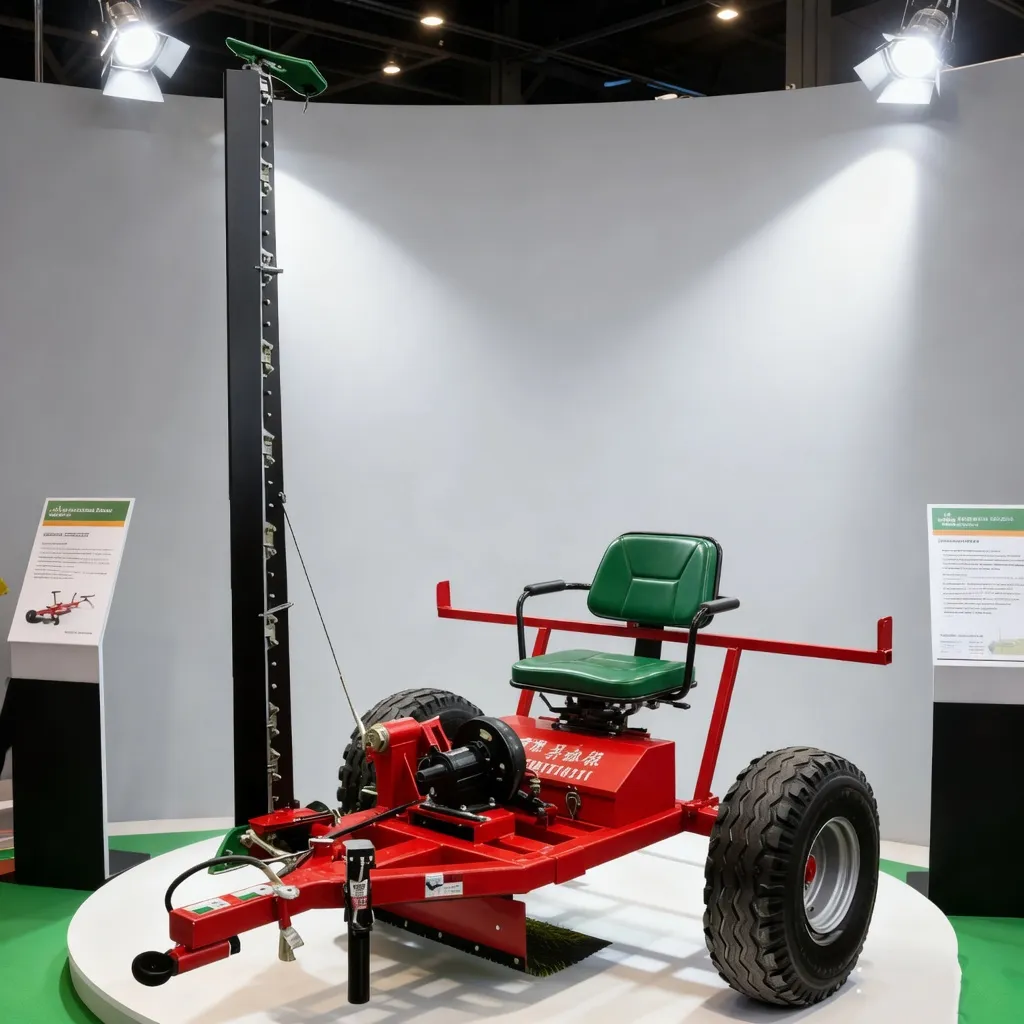
The 9GD-2.5 is designed for low-loss mowing across Australian forage crops. Its reciprocating sickle-bar shear minimises scatter, the towed chassis follows ground contours for consistent height, and field-replaceable blade sections and guards keep the cutter bar in peak condition with minimal downtime. 2.5-metre cutting width, 540 rpm PTO, compatible with 60–80 hp tractors. Full spare-parts stock at EverPower’s Sydney warehouse.
Frequently Asked Questions
Stop Losing Revenue in the Stubble
EverPower stocks every wear part for the 9GD-2.5 — blades, guards, skid shoes, pitman kits — so you never run degraded equipment during the harvest window.
EverPower Baling Machinery Australia Pty Ltd | 27 Harley Crescent, Condell Park NSW 2200
📞 +61 2 9708 3322 | ✉️ [email protected]