
Silage Additives Beyond Inoculants: A Practical Review
Formic acid, urea, molasses, sodium benzoate, propionic acid — what each does, when it’s worth the cost, and which Australian crops and conditions benefit most from non-LAB additives.
Beyond LAB: The Additives That Address What Inoculants Cannot
Most Australian silage quality guidance focuses on LAB inoculants — the dominant and most well-researched category of silage additive. But LAB inoculants are not the only tool available, and they are not the right tool for every situation. Several non-inoculant additive categories address specific fermentation challenges that LAB-only strategies cannot fully resolve: direct acidification for very-high-moisture crops where LAB cannot establish fast enough, nitrogen supplementation for low-protein cereal silages, aerobic stability extension for silage in warm climates, and fermentation stimulation for low-WSC crops that cannot support reliable LAB fermentation.
This article covers the six main non-inoculant silage additive categories used in Australian and international silage production: formic acid, formate salts, urea/NPN, molasses, propionic acid/propionates, and sodium benzoate. For each, we cover the mechanism, the evidence for benefit, the Australian conditions where it is justified, and the cost-benefit calculation that determines whether application is worthwhile. This article complements rather than replaces the inoculant discussion — many silage programmes combine LAB inoculants with one of these additives for specific cuts or conditions. For the LAB inoculant evidence base, our article on the best silage baler setup for high-volume dairy operations covers the production context where additive decisions are made.
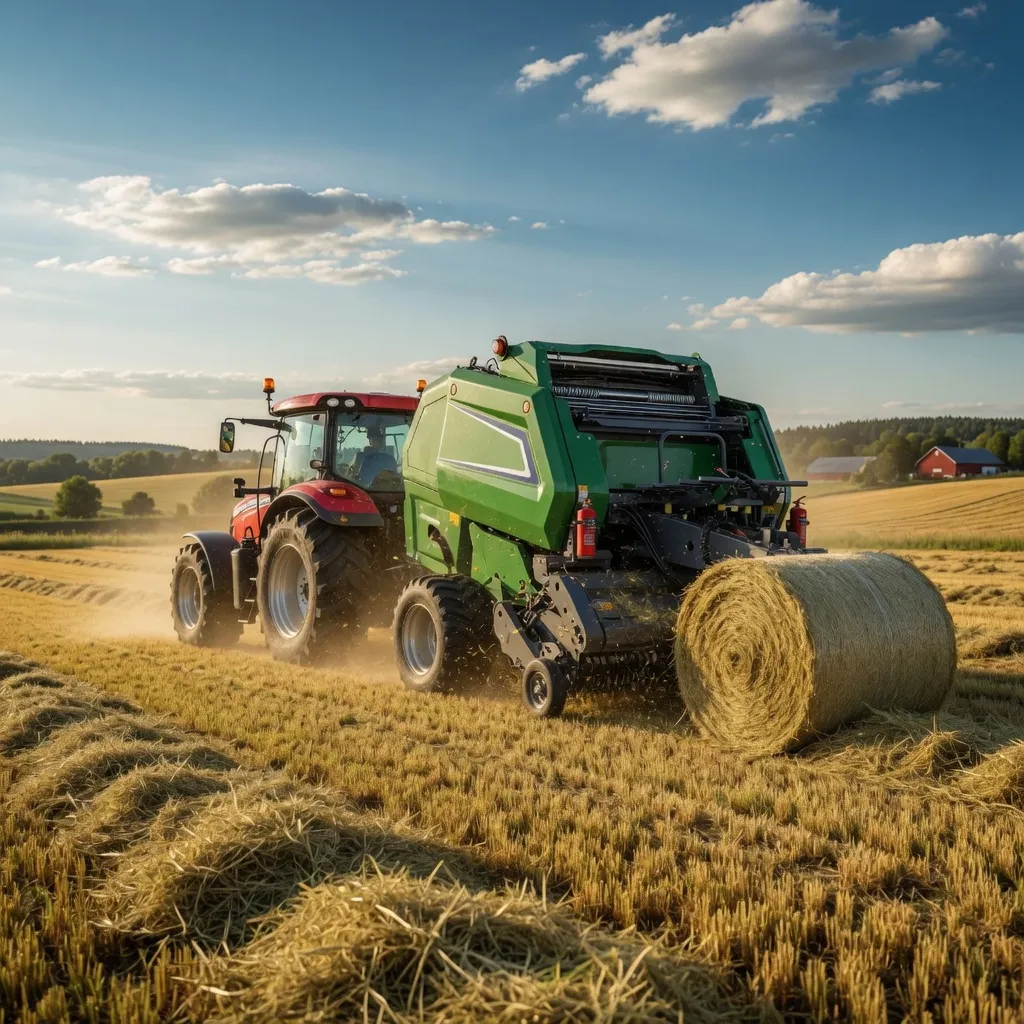
1. Formic Acid — Direct pH Reduction for High-Risk Silage
Mechanism and When It Outperforms LAB Inoculants
Formic acid (HCOOH) applied at 2 to 4 litres per tonne of fresh crop directly reduces silage pH without requiring any microbial fermentation activity. Unlike LAB inoculants that must produce lactic acid to reduce pH, formic acid achieves an immediate pH drop of 0.5 to 1.5 units at application — reducing the pH faster than any biological approach. This direct acidification is the only silage additive strategy that reliably suppresses clostridial fermentation in crops baled above 70% moisture (below 30% DM), where even high-rate LAB inoculants cannot acidify the mass fast enough to prevent clostridial establishment.
In northern European silage production — where wet-harvest conditions are routine and perennial ryegrass is frequently baled at 65 to 75% moisture — formic acid or formate-based additives are widely used as standard practice. In Australian conditions, their primary application is the weather-emergency baling scenario: a paddock that must be baled at 72% moisture because rain is arriving in 3 hours. In this situation, formic acid at 3 litres per tonne fresh crop provides a meaningful quality improvement that LAB inoculant alone cannot match.
| Crop Moisture | pH Without Additive | LAB Inoculant Only | Formic Acid (3L/t) | Best Choice |
|---|---|---|---|---|
| 55–65% (35–45% DM) | 4.2–4.8 | 4.0–4.5 | 3.9–4.3 | LAB inoculant |
| 65–72% (28–35% DM) | 4.5–5.2 | 4.2–4.8 | 4.0–4.5 | LAB + formic if available |
| >72% (<28% DM) | 5.0–6.5 | 4.5–5.5 | 4.0–4.6 | Formic acid essential |
Cost and Safety Considerations
Formic acid costs AUD $3 to $6 per litre; at 3 litres per tonne fresh crop, additive cost per bale (assuming 500 kg fresh weight) runs AUD $4.50 to $9.00 — approximately 2 to 3 times the cost of a LAB inoculant application. Safety: formic acid is highly corrosive and must be handled with full PPE (goggles, rubber gloves, chemical-resistant apron). Direct skin contact causes immediate burns; inhalation of vapour causes respiratory irritation. Baler applicator systems for formic acid must be constructed of acid-resistant materials. This safety requirement limits formic acid use on farms without appropriate handling infrastructure.
2. Urea (NPN) — Protein Enhancement for Low-CP Silage
Transforming Cereal Silage Into a Protein-Contributing Feed
Urea added to cereal silage at 4 to 6 kg per tonne fresh crop serves two functions simultaneously: it increases the crude protein of the silage (from a typical 8 to 10% CP for cereal silage to 14 to 18% CP post-treatment) and it provides an alkaline buffering effect that initially raises pH before the fermentation process proceeds to lower it. The protein enhancement works through rumen microbial use of non-protein nitrogen (NPN) from the urea — rumen bacteria incorporate the urea-derived ammonia nitrogen into microbial protein that is then used by the animal.
For Queensland and northern NSW beef operations producing whole-plant sorghum or oat silage at 8 to 10% CP, urea treatment converts a maintenance-level roughage into a genuine protein-contributing feed that approaches 14 to 16% CP — significantly reducing purchased protein supplement requirements in the feeding period. Cost: urea at AUD $550 to $700 per tonne (2025 prices) at 5 kg per tonne fresh crop = AUD $2.75 to $3.50 per bale. Return: at 14% CP versus 9% CP (5 percentage point improvement), and a beef growing ration where 100 kg CP is worth AUD $60 to $80 above maintenance ration cost, the urea investment pays back across 8 to 12 bales consumed.
3. Molasses — Fermentation Stimulator for Low-WSC Crops
Providing the Sugar That Difficult Crops Lack
Molasses applied at 5 to 20 litres per tonne fresh crop provides readily fermentable sugars (primarily sucrose and its hydrolysis products) that supplement the crop’s own WSC content. This is beneficial for crops with intrinsically low WSC — mature legumes (lucerne at full flowering, 3 to 5% WSC DM), tropical grasses (sugarcane tops, 6 to 9% WSC DM), and late-season cereal silage where WSC has been depleted by advanced maturity. Molasses provides the LAB fermentation substrate that the crop itself cannot supply in adequate quantities.
The evidence for molasses benefit is strongest when used in combination with a LAB inoculant — the molasses provides the substrate, the inoculant provides the bacterial workforce. Using molasses without inoculant adds fermentable sugar that any available bacteria (including clostridia) can use — it does not selectively benefit LAB. Cost: molasses at AUD $180 to $280 per tonne at 15 litres per tonne fresh crop = AUD $1.35 to $2.10 per bale. Most effective on lucerne and tropical grass silage where WSC limitations constrain fermentation reliability.
4. Propionic Acid and Propionates — Aerobic Stability at Feedout
The Feedout Problem: When Good Silage Deteriorates Fast
Propionic acid and its salt (sodium or calcium propionate) are antifungal additives that inhibit the yeast species responsible for aerobic deterioration at feedout — the heating and visible mould growth that occurs on the exposed face of an opened silage bale. Unlike formic acid (which acts at ensiling to reduce pH) or LAB inoculants (which act during fermentation), propionic acid/propionates act at feedout to extend the period that opened silage remains cool and stable in hot conditions.
This additive class is most relevant for Australian dairy operations in the Goulburn Valley and Murray-Darling Basin where summer temperatures exceed 35 to 40°C and opened silage bales in TMR yards can reach core temperatures of 45 to 55°C within 24 to 36 hours of opening. At these temperatures, yeast growth rates accelerate dramatically and DM losses from aerobic deterioration can reach 3 to 8% of the opened bale DM per day. Propionic acid at application rates of 1 to 2 litres per tonne fresh crop reduces yeast growth and extends the stable feedout window by 24 to 48 hours — meaningful in a high-temperature TMR operation where opening bales the evening before feeding is operationally convenient but aerobically risky.
5. Sodium Benzoate — The Aerobic Stability Alternative
Sodium benzoate (E211) is a food-grade preservative that inhibits both yeast and mould growth in silage — providing aerobic stability improvement comparable to propionic acid at lower application volumes. Application rate is typically 1 to 2 kg per tonne fresh crop — significantly lower than the liquid volumes required for formic acid or molasses, making it easier to apply accurately through standard baler applicator systems. Cost: sodium benzoate at AUD $3.50 to $5.50 per kg at 1.5 kg/tonne fresh = AUD $2.60 to $4.10 per bale.
Sodium benzoate is used in Europe as a component of combination silage additives (often combined with potassium sorbate) for high-grain silage and high-moisture maize silage where aerobic stability is the primary quality concern. In Australia, its application is most relevant for Queensland and Northern Territory silage operations where tropical ambient temperatures make feedout stability a chronic management challenge.
The 9YCM-850 bundling film wrapping machine applies 6 to 8 layers of film that establishes the anaerobic environment within which all of these additives work most effectively — a poorly sealed bale with oxygen ingress will defeat any additive programme regardless of the product used. Film quality and layer count remain the primary determinants of silage quality; additives optimise outcomes within a well-sealed fermentation environment.

Choosing the Right Additive for Your Situation
| Challenge | Recommended Additive | Cost per Bale | Priority Rating |
|---|---|---|---|
| Very high moisture (>72%) | Formic acid (3–4 L/t) | $4.50–$9.00 | Essential |
| Low-WSC legume silage | Molasses + LAB inoculant | $2.50–$4.50 | Strongly recommended |
| Low-CP cereal silage | Urea (5 kg/t fresh) | $2.75–$3.50 | Recommended for protein benefit |
| Warm climate feedout instability | Propionic acid or sodium benzoate | $2.00–$4.50 | Recommended for TMR dairies |
| Optimal grass silage at 35% DM | None required | $0 | Not justified |
No silage additive improves fermentation outcomes in crops that are already baled at optimal moisture with adequate WSC and applied with a well-calibrated LAB inoculant. Additives address specific limitations — high moisture, low WSC, low protein, aerobic instability — not general silage quality. Identify the specific limitation in your system before selecting an additive; applying the wrong additive wastes money and may not address the actual quality constraint.
Frequently Asked Questions
Discuss Your Silage Additive Programme
Tell us your crops, baling conditions, and specific fermentation challenges — we’ll help identify which additives address your limitations and which add cost without benefit.