
Physiological Indicators of Optimal Pulling Maturity
Maximum recoverable yield occurs when 70 to 80 percent of pods have turned from green to yellow-brown and seeds inside have reached physiological maturity (firm, no longer milky when squeezed). At this stage, pod shatter risk remains low while dry-matter content supports efficient windrow drying. Pulling earlier increases shatter loss; pulling later risks weather damage and reduced quality.
Field sampling across New South Wales properties shows that pulling at the correct maturity window increases marketable yield by 6 to 11 percent compared with pulling 4 to 6 days early. The improvement stems from both higher seed weight and lower ground loss, as mature plants release more cleanly from the soil.
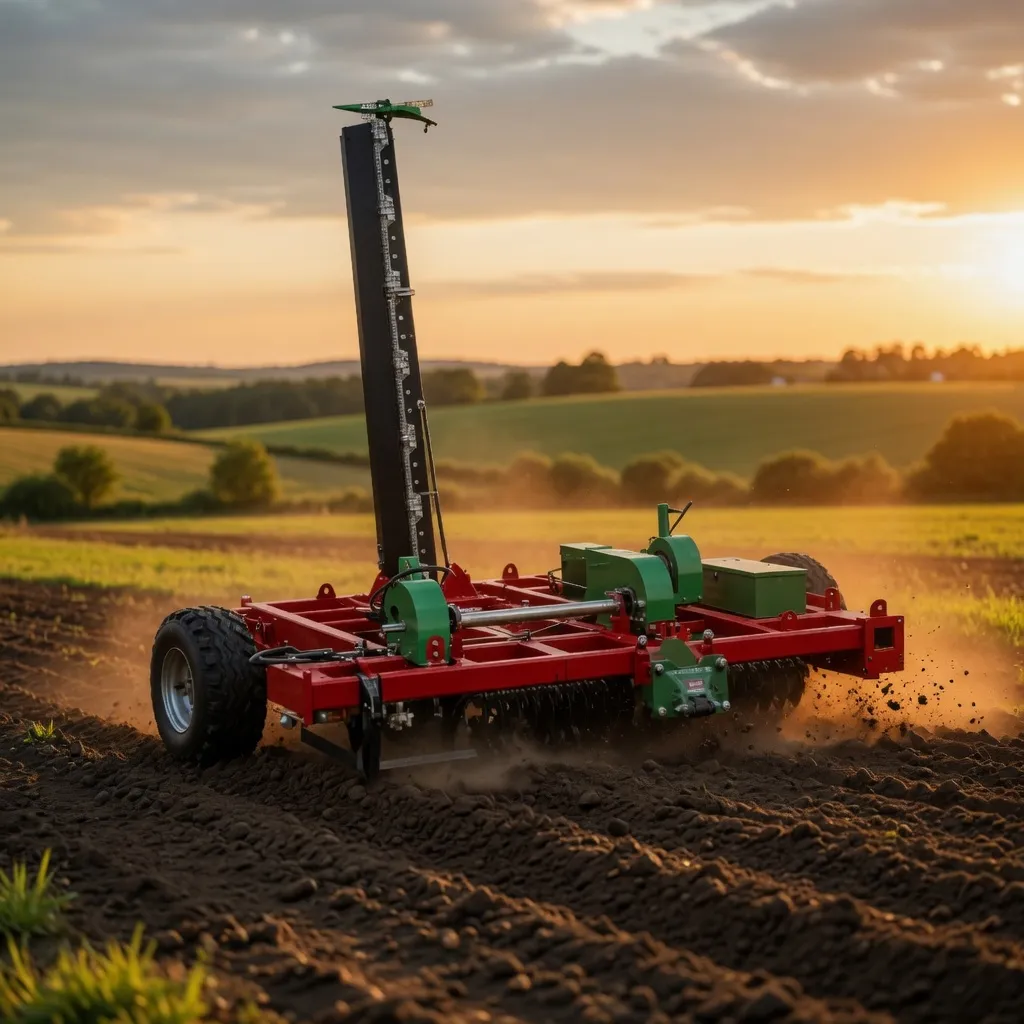
Pre-harvest mowing or conditioning equipment helps synchronise crop maturity for optimal pulling timing.
Moisture Content Targets and Weather Considerations
Ideal whole-plant moisture at pulling is 35 to 42 percent. Above 45 percent, windrows dry too slowly and risk mould; below 30 percent, pods become brittle and shatter increases. Morning dew often raises surface moisture by 5 to 8 percent, so many growers begin pulling mid-morning once surface moisture has evaporated.
Forecasts of rain within 48 hours should prompt earlier pulling even if maturity is slightly below ideal. A 4BYH series machine can complete 40 hectares in three to four days, allowing growers to stay ahead of weather systems that would otherwise cause significant quality loss in manually harvested crops.
Impact of Pulling Timing on Subsequent Baling and Storage
Windrows from correctly timed pulling dry to baling moisture (14 to 16 percent) in 4 to 7 days under typical summer conditions. Earlier pulling extends drying time by 30 to 50 percent, increasing weather exposure. Later pulling shortens drying but raises shatter loss during collection by round baler or hay baler machine.
EverPower customers who coordinate pulling timing with their existing silage baler or round baler schedules report 15 to 20 percent faster overall harvest completion and lower storage losses due to improved windrow uniformity.
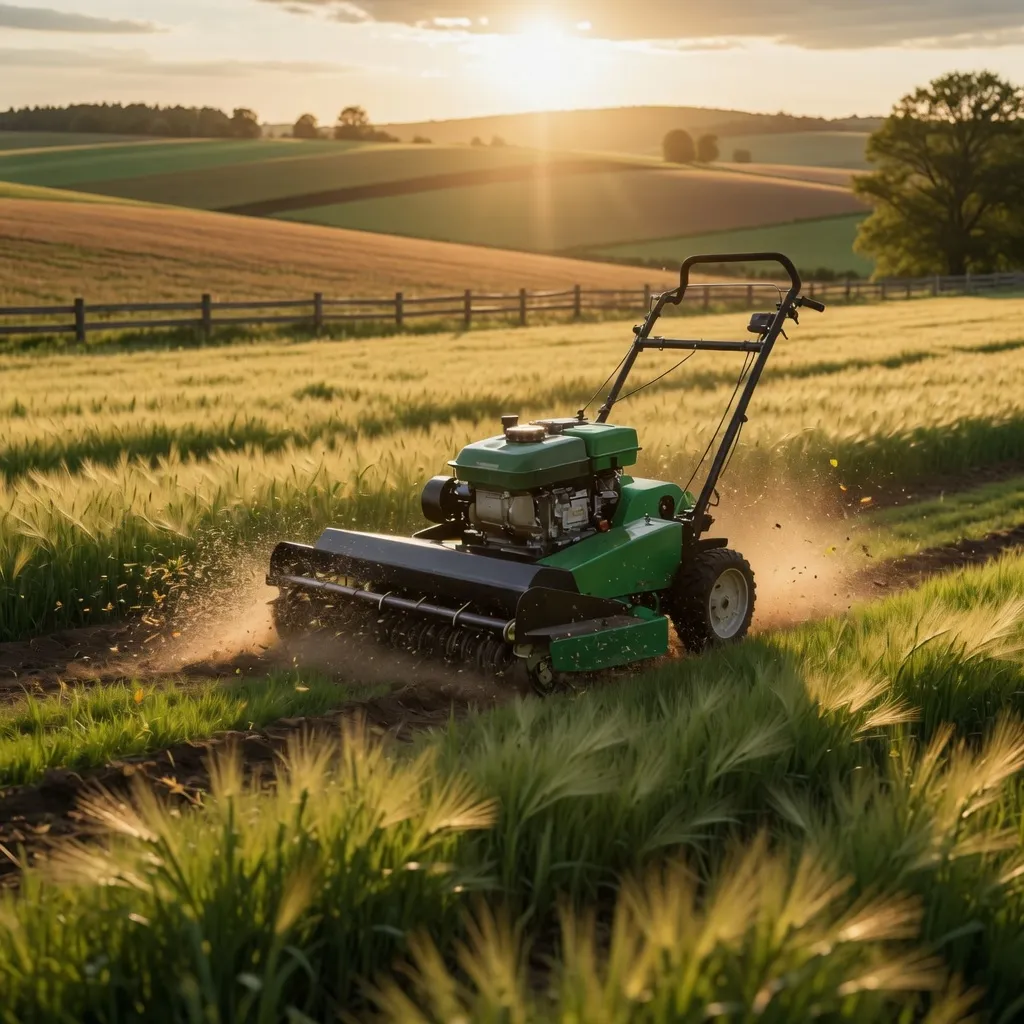
Traction windrowers complement bean pullers by preparing fields and managing crop flow for optimal harvest timing.
Regional Timing Guidelines for Major Australian Bean Areas
In the Liverpool Plains and Moree districts, the primary window falls between late January and mid-February for most commercial varieties. The Riverina typically peaks 10 to 14 days later. Growers should track cumulative growing degree days from planting and begin scouting at 1,850 to 2,050 GDD, adjusting for variety and seasonal temperature deviations.
Local EverPower representatives maintain regional maturity calendars updated weekly during harvest and can advise on variety-specific adjustments. This service helps coordinate machine availability with peak demand periods.
Pre-Pull Field Checks and Last-Minute Adjustments
Conduct a final walk-through 24 to 36 hours before scheduled pulling. Check for lodged areas, weed patches and soil moisture variation. Adjust depth and speed settings on a test strip to confirm loss remains below 4 percent. Confirm windrow width matches downstream equipment (round baler, forage wagon or silage baler).
Documenting these checks creates a repeatable protocol that improves consistency year to year. Many growers now use simple smartphone apps to log settings and loss measurements, enabling data-driven refinements across seasons.
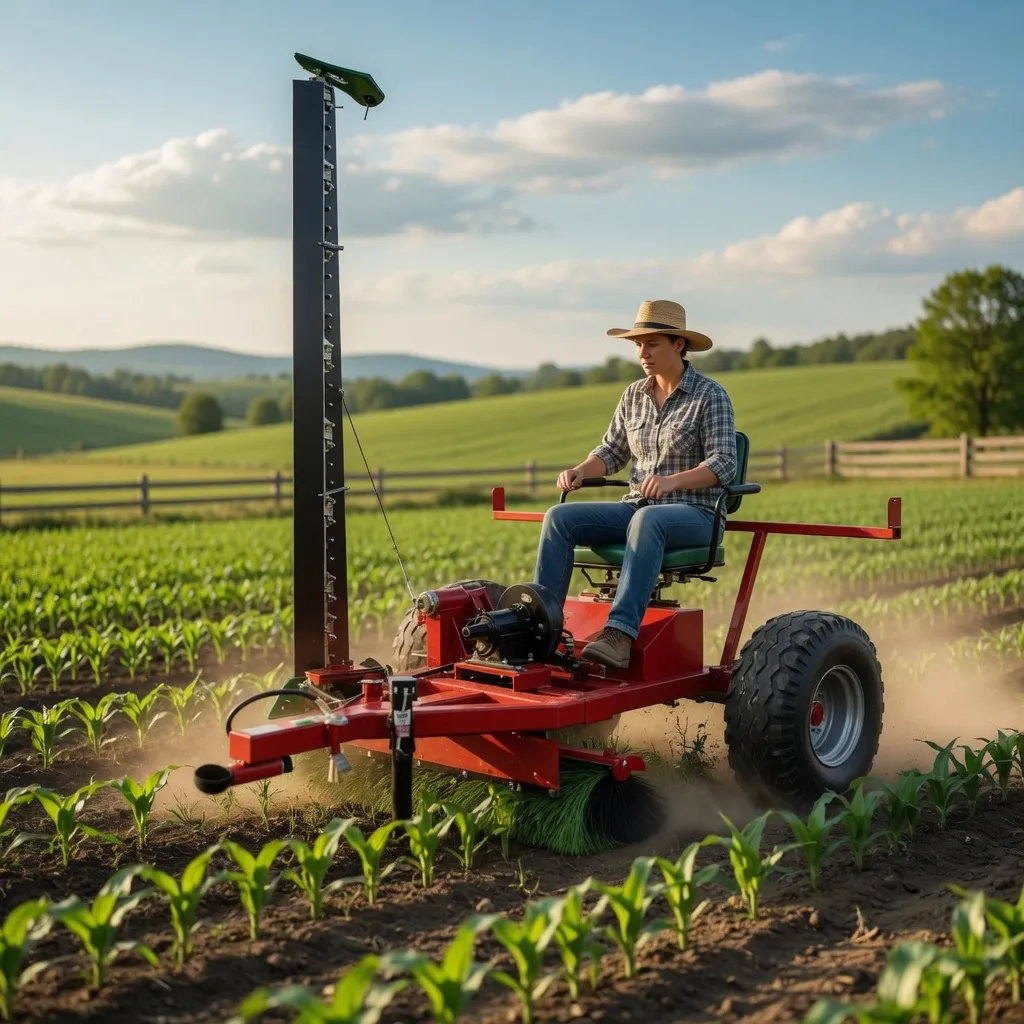
Single-blade mowers assist in managing crop residues and preparing fields for precise bean pulling timing.
Yield and Quality Benefits of Timely Mechanical Pulling
Correct timing combined with mechanical pulling delivers compound benefits: higher seed weight, lower shatter, faster drying and reduced weather risk. Quantified across 12 monitored properties in 2025, the average net gain was 9.4 percent more marketable beans per hectare compared with traditional manual timing and harvesting methods. At 2,000 AUD per tonne, this equates to an additional 5,600 to 7,800 AUD per 40 hectares before accounting for labour savings.
The shorter harvest window also frees labour and equipment for other enterprises, improving overall farm profitability beyond the direct bean crop.
Why EverPower Supports Optimal Timing Decisions
EverPower Baling Machinery Australia Pty Ltd provides maturity monitoring tools and regional agronomic advice alongside its 4BYH series machines. This integrated support helps growers align pulling windows with machine availability and downstream baling machinery or silage baler capacity. The company’s local presence at 27 Harley Crescent, Condell Park NSW 2200 ensures rapid response when timing windows are narrow due to weather or variety differences.
Contact +61 2 9708 3322 or [email protected] for current regional maturity updates and to discuss how the 4BYH range can help capture maximum yield through precise timing and low-loss operation.
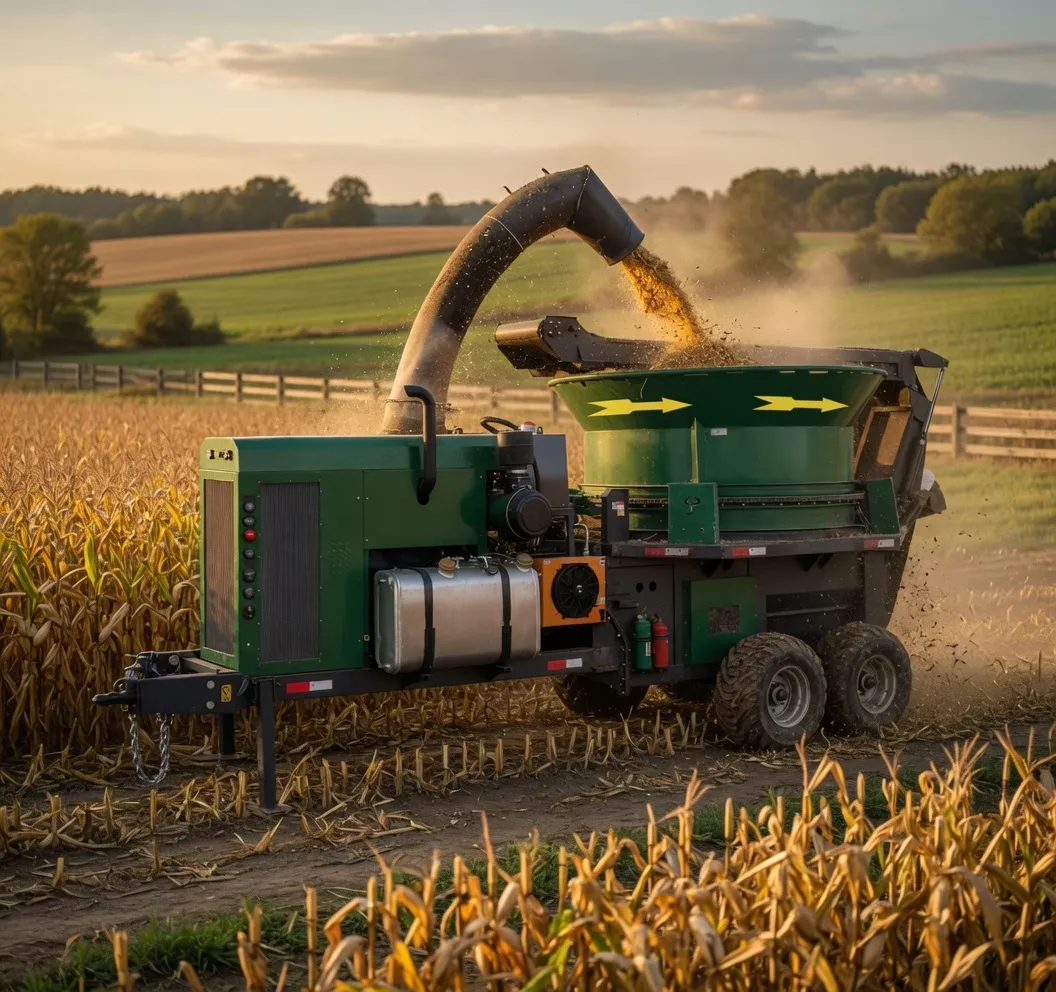
Post-harvest processing equipment from EverPower maximises value from timely harvested bean crops and residues.
Recommended Product: 4BYH-3.25 Kidney Bean Puller
_0141_01.webp)
The 4BYH-3.25 combines 3.25 m width with precise depth and speed control, enabling growers to hit narrow optimal timing windows efficiently. Its 2.1 to 3.1 ha/h capacity and proven low-loss performance make it the preferred choice for operations prioritising maximum yield through timely mechanical harvesting.
Frequently Asked Questions
Ready to Capture Maximum Yield Through Better Timing?
Receive current regional maturity data and machine availability for your area.
EverPower Baling Machinery Australia Pty Ltd | 27 Harley Crescent, Condell Park NSW 2200
📞 +61 2 9708 3322 | ✉️ [email protected]