When a dairy operation crosses the 300-cow threshold — and especially once it reaches 500, 800, or 1,000 milking cows — the silage program stops being a seasonal side task and becomes a core farm enterprise in its own right. At that scale, the question isn’t simply “which baler should I buy?” It becomes a machinery configuration question: which combination of mowers, rakes, balers, and wrappers delivers the daily bale throughput needed to capture peak-quality silage within the narrow harvest window, without bottlenecks, without overtime breakdowns, and without leaving hundreds of tonnes of premium pasture standing past its nutritional peak. This article examines exactly that — the setup logic behind high-volume dairy silage systems in Australian conditions.
Why “High-Volume” Demands a Different Approach
A small dairy running 80 cows might need 400 silage bales a year. A high-volume operation running 800 cows will require upwards of 2,000 bales — and unlike the small farm that can spread its harvest work across multiple days without significant quality risk, the large operation is racing a much tighter clock. Pasture growth rates in spring can reach 60–100kg DM per hectare per day, which means that on a 200-hectare dairy platform, the window between “ideal cut” and “past its best” can be as narrow as four to six days. Machines that work fine at low throughput become serious financial liabilities when the daily harvest target is 80–120 bales and a single breakdown stalls the line.
The fundamental premise of a high-volume setup is capacity matching across every machine in the chain. A baler that can produce 90 bales per day is worthless if the mower can only cut enough area to supply 50 bales per day worth of material. Equally, a high-capacity mower-conditioner that floods the paddock with windrowed material serves nobody if the baling team falls three days behind. Getting this balance right is the core engineering challenge of a serious dairy silage program.
Selecting the Core Baler: Capacity and Build Standards
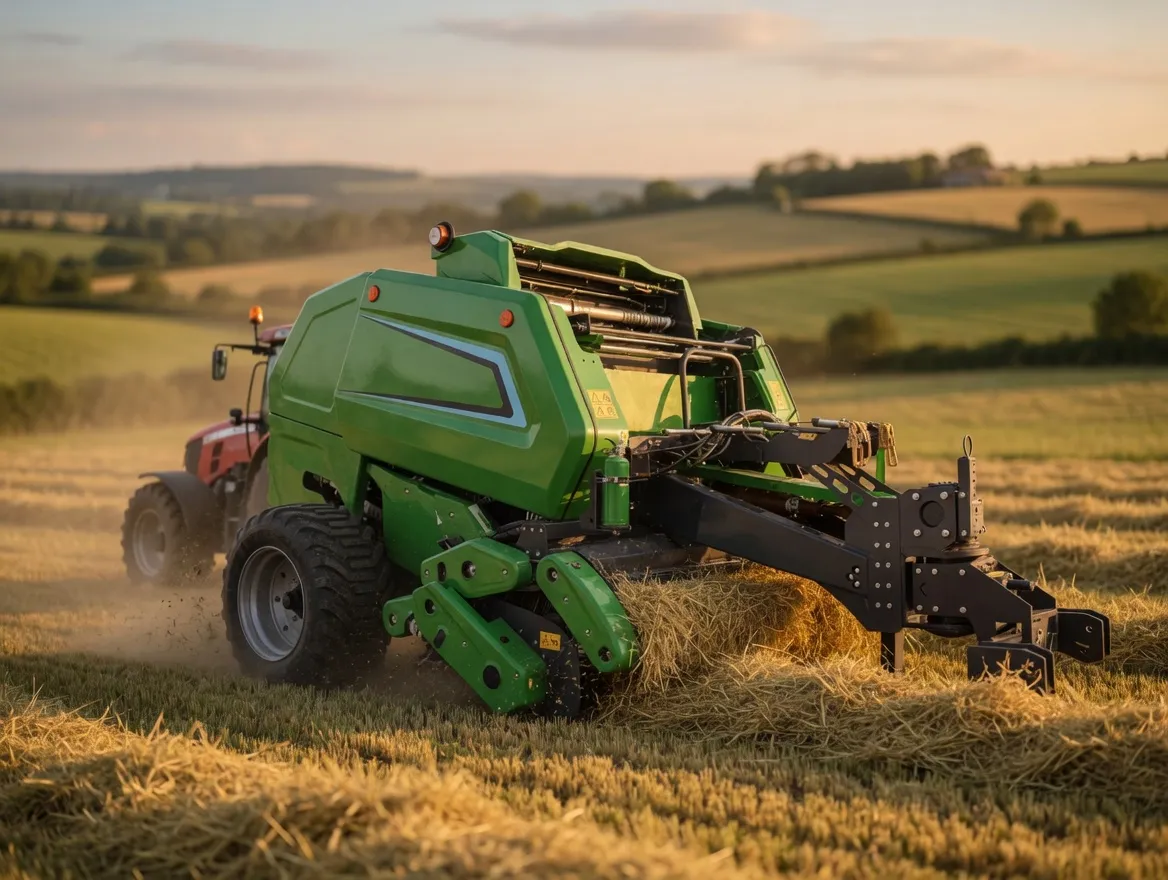
For high-volume dairy operations, the baler sits at the centre of the system. Every other machine choice is made in relation to it. At this scale, the relevant specification factors go well beyond bale diameter — cycle time per bale, chamber roller durability, net wrap system speed, and the machine’s ability to maintain consistent bale density across varying crop conditions are all critical.
Bale Diameter and Weight Implications
Larger-diameter bales (1.8m–2.24m) contain significantly more DM per unit than standard 1.25m bales, which reduces the number of bale handling and wrapping cycles needed to process the same tonnage. For a 1,200t DM annual silage program, moving from 1.25m bales (≈400kg DM each, requiring 3,000 bales) to 2.24m bales (≈1,250kg DM each, requiring fewer than 960 bales) is a dramatic reduction in machine cycles, fuel consumption, and operator labour. The trade-off is that large-diameter bales require more powerful tractors, heavier-duty transport equipment, and more care in feedout to avoid excess aerobic exposure once opened.
Chamber Durability Under High-Moisture Load
High-moisture silage at 50–60% DM imposes far greater stress on baling chamber components than dry hay. The EverPower S9000 platform uses reinforced roller bearings and a heavy-gauge belt-and-roller combination chamber rated for sustained high-moisture throughput. In practical terms, this means fewer unscheduled service stops during the critical harvest window — which, for a high-volume operation, is worth more than any headline specification number.
Net Wrap Application Speed
At 80+ bales per day, the time spent per bale in the net wrap cycle accumulates quickly. A baler applying net wrap in 6–8 rotations versus one requiring 12–15 rotations for the same coverage represents a meaningful difference in daily output at high throughput. High-speed net wrap systems that apply wide-coverage netting in fewer rotations shorten each bale cycle and allow the operator to maintain forward speed sooner. This is a feature worth verifying directly with the manufacturer before purchase, as it is rarely highlighted in basic specification sheets.
Mower Capacity: Keeping the Baler Fed
The mower’s job is to stay ahead of the baler by one full wilting cycle — typically 24–36 hours. That means if the baling crew is targeting 100 bales per day, the mowing operation needs to be cutting enough area each day to supply 100 bales’ worth of wilted material on a rolling 36-hour basis. For a 1.25m bale at 400kg DM with typical ryegrass at 3.5t DM/ha, each hectare cut yields roughly 8–9 bales. A 100-bale daily target therefore requires mowing 11–13 hectares per day.
The EverPower 9GQY-3.2 Mower-Conditioner, operating at field speeds of 8–12 km/h with a 3.2m cutting width, can cover 15–20 effective hectares per day under good conditions — sufficient to keep a single high-capacity baler supplied. Operations scaling beyond one baling setup should consider running two mower-conditioners to guarantee supply continuity, particularly when weather creates delays in the wilting cycle. The conditioning system on the 9GQY-3.2 uses rubber rolls that crimp without excessively lacrating stem tissue, which reduces field respiration losses while still accelerating moisture loss from the windrow.
Raking Strategy for Large-Scale Silage
Raking is the step that most high-volume operations get wrong — either by under-investing in rake capacity (creating a bottleneck between mowing and baling) or by over-raking (introducing soil contamination and leaf loss that degrades silage quality). For large dairy farms processing irrigated perennial ryegrass or mixed pasture swards at high yield, the raking setup needs to match both the mower’s daily area capacity and the baler’s pickup width preferences.
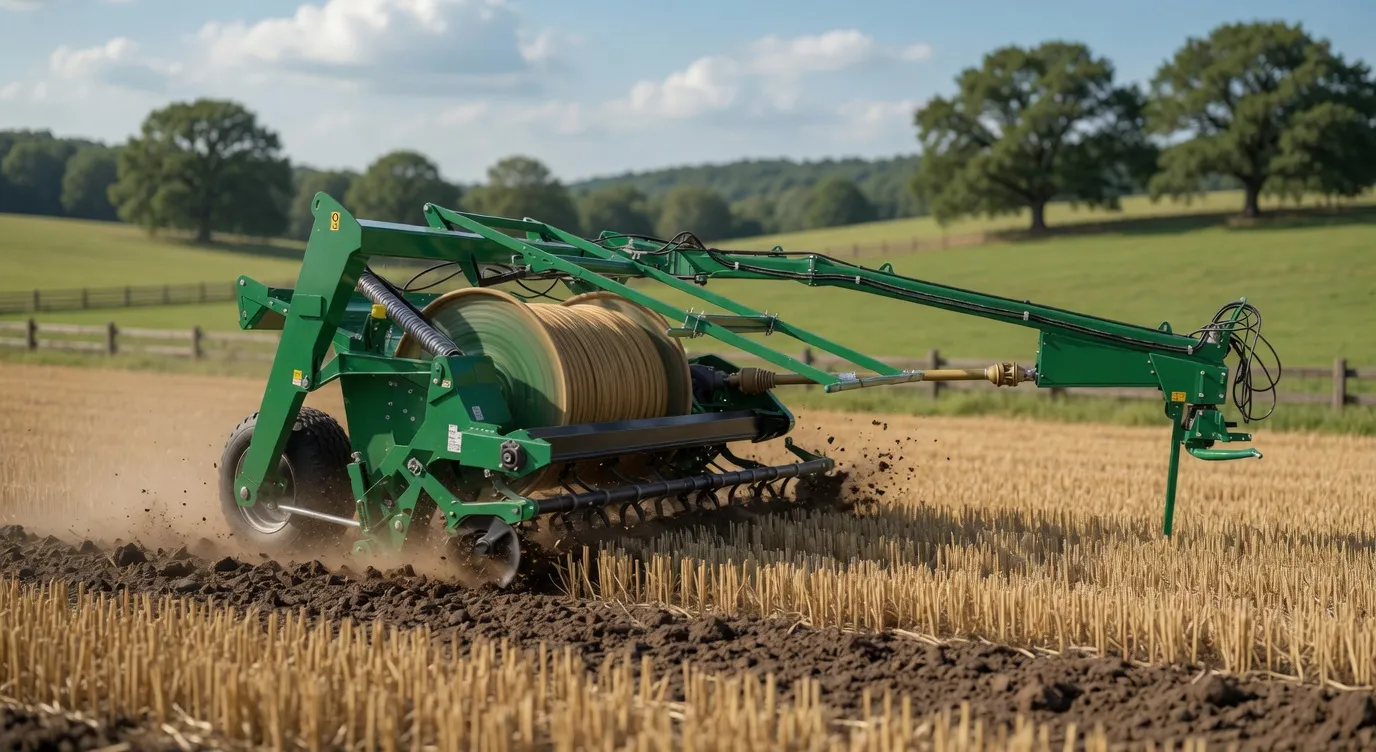
The EverPower 9LH-12 Towed Lateral Rake is engineered for exactly this context. Its wide merging capacity consolidates multiple mower swaths into a consistent, pickup-ready windrow without the ground-level contact that contributes to soil and ash contamination — both of which depress silage ME content and palatability. For lighter-density crops or farms where the windrow needs more fluffing to accelerate wilting before baling, the 9LZY-9.0 Finger Wheel Rake provides an alternative configuration suited to drier or flatter paddock layouts.
A key operational detail that often gets overlooked on large farms: windrow width should be set at approximately 70–80% of the baler’s pickup reel width. Too wide and edge material is missed; too narrow and the baler under-fills on each pass, reducing daily bale output. On farms where raking is done by a separate operator from the baling crew, building this windrow discipline into the daily workflow brief pays consistent quality dividends across the season.
Wrapping Configuration: Inline vs Satellite
At high volumes, the choice between an inline combined baler-wrapper and a satellite wrapper stationed at the field edge or storage site becomes a genuine operational decision with real throughput consequences. Each configuration has a legitimate use case depending on paddock size, bale transport logistics, and the number of operators available.
The baler deposits each wrapped bale directly to the paddock surface, fully wrapped, in a single continuous pass. This eliminates the 4-hour wrapping deadline entirely — bales are wrapped the moment they leave the baling chamber. Best suited to medium-sized paddocks where the operator covers the entire area in a single shift. Slightly lower net baling speed than a standalone baler because the wrapping cycle adds time per bale.
A dedicated baler works at maximum speed while a second operator collects and transports bales to a central wrapping point. This configuration delivers the highest raw bale output per day but requires strict logistics discipline to ensure no bale waits more than 4 hours before wrapping. Best suited to large, flat paddocks where transport distances are short and a second tractor and operator are available.
For most high-volume Australian dairy operations with two or more operators available during peak season, the separate baler-plus-satellite-wrapper setup delivers higher daily throughput. The EverPower 9YCM-850 standalone wrapper integrates cleanly into this workflow, handling large-diameter bales with precision film tension control and consistent layer overlap at speeds compatible with the output of the 9YG-2.24D baler. For single-operator farms or those with transport-constrained paddock access, the combined unit is the more practical choice.
Tractor Power Matching Across the Machine Chain
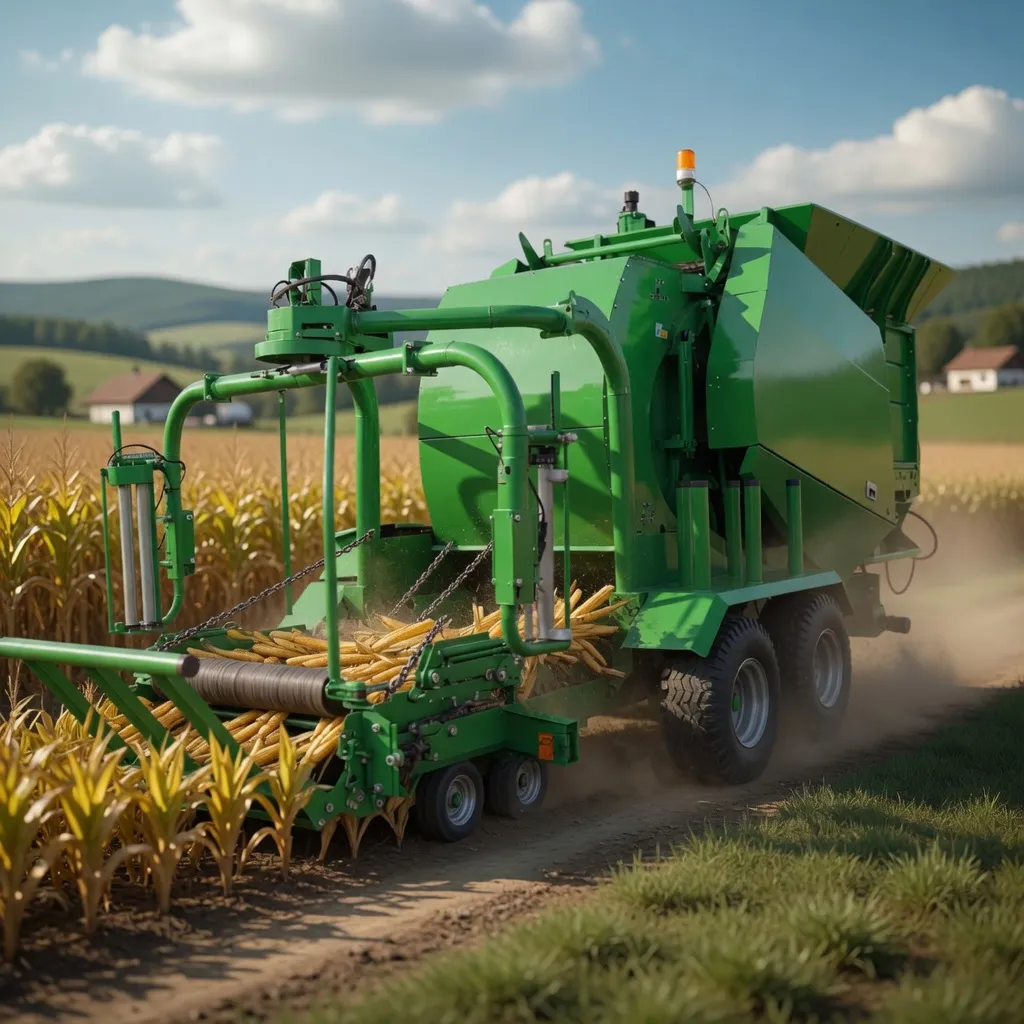
One of the most common mistakes in high-volume setup planning is treating tractor requirements as a footnote rather than a primary constraint. Every machine in the silage chain has a rated PTO power requirement, and sustained high-moisture silage work consistently demands power closer to the top of the rated range than the bottom.
| Machine | Min PTO hp | Recommended hp | Notes |
|---|---|---|---|
| 9GQY-3.2 Mower-Conditioner | 65 hp | 80–100 hp | Higher hp gives better field speed on dense swards |
| 9LH-12 Lateral Rake | 45 hp | 60–80 hp | Separate tractor preferred to avoid workflow delays |
| 9YG-1.25 Round Baler | 75 hp | 90–110 hp | Silage demands closer to upper range than dry hay |
| 9YG-2.24D Round Baler | 120 hp | 140–160 hp | High-density baling of wet silage crops at pace |
| 9YCM-850 Wrapper | 40 hp | 55–70 hp | Dedicated tractor keeps wrapping independent of baling |
Daily Workflow Planning for Peak Harvest
High-volume silage programs don’t succeed because of equipment alone — they succeed because the machinery is backed by disciplined daily scheduling. In a well-run operation, the harvest day is structured so that each machine in the chain is running near its designed capacity without waiting on the previous step or being chased by the next.
Mowing team enters paddocks pre-designated from yesterday’s assessment. Mow to deliver target DM material to baling crew within 24–36 hours.
Rake operator consolidates windrows from the previous day’s mowing. Windrow width set to 70–80% of baler pickup reel width per paddock brief.
Baling operator enters the first raked paddock. Target: complete each paddock before the heat of the day where possible to limit bale heating at high ambient temperatures.
Wrapper operator either follows the baler directly (inline) or collects bales by telehandler and transports to the wrapping point. No bale to exceed 4 hours between baling and wrapping completion.
Review bale count, quality observations, and machine condition. Confirm next-day mowing paddocks and pre-position equipment to minimise morning transit time.
Maintenance Protocols for High-Hour Silage Season Use
A high-volume dairy silage program might run the baler for 200–350 hours over a 6–8 week season — equivalent to several years of casual use on a small farm. Component wear accelerates proportionally, and the cost of an unplanned mid-season breakdown vastly exceeds the cost of proactive service. Operators running EverPower machines through high-volume silage seasons consistently highlight two maintenance areas that make the biggest difference: daily pickup tine inspection (replacing bent or missing tines before each shift) and weekly belt/roller tension checks that catch alignment issues before they progress to belt damage.
EverPower’s NSW-based parts supply ensures that high-turnover wear items — pickup tines, net wrap knives, belt tensioner springs — are available for rapid dispatch rather than on extended lead times from overseas suppliers. For operations running a primary baler at 300+ annual hours, carrying a minimum spare inventory of these components at the start of the season is standard practice. The lost revenue from two days of delayed harvest on a 600-cow dairy operation significantly outweighs the cost of holding $1,500 in spare parts on the shelf.
Storage Site Planning for Large Bale Inventories
On a farm building 1,500–2,500 silage bales per season, the storage site itself becomes a piece of farm infrastructure that deserves proper design attention. A poorly planned storage site creates daily operational friction — difficult access for the telehandler, ground moisture damaging bale bases, poor rotation management leading to older bales being fed last. These are chronic productivity drains that aggregate into meaningful cost across a long feeding season.
The practical principles for high-volume silage storage are straightforward: use a well-drained, firm-surfaced site (gravel or concrete) with sufficient width for a single row of bales end-to-end, arranged in parallel rows with 2–3 metres of clearance between rows for telehandler access. Orienting rows north-south minimises differential UV exposure between the sunny and shaded sides of each bale row. Implement a strict FIFO (first-in, first-out) rotation system so that the bales made in the first harvesting windows — typically the highest-quality spring cuts — are fed to the highest-priority animals first rather than being buried under later cuts.
Building the Right Setup with EverPower
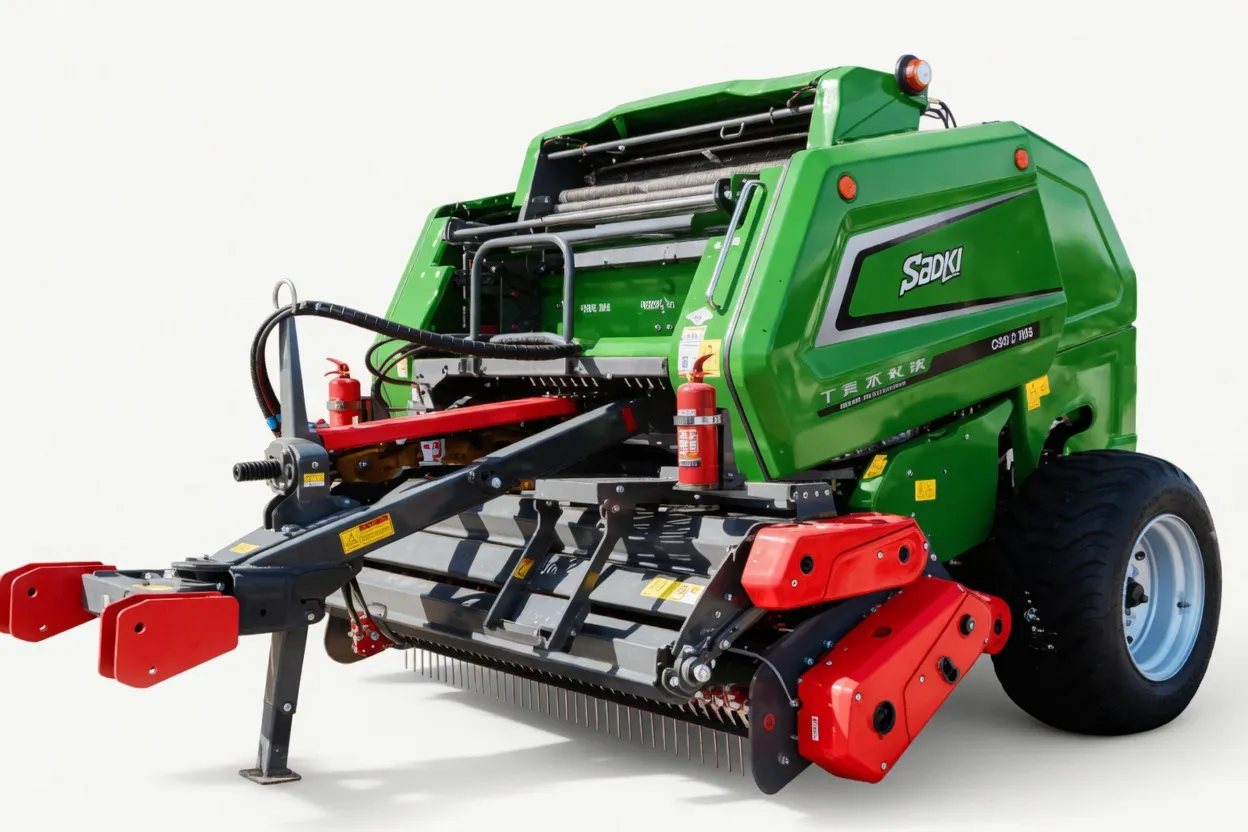
EverPower Baling Machinery Australia Pty Ltd offers the full equipment range to configure a matched, capacity-balanced high-volume silage system — from the 9YG-2.24D Mower-Conditioner and 9LH-12 Lateral Rake through to the 9YG-2.24D (S9000) Baler and 9YCM-850 Wrapper. Whether you’re building a new silage program from scratch or upgrading a system that has outgrown its current equipment capacity, the team can work through the throughput numbers with you and recommend the configuration that fits your herd size, paddock structure, and operator availability.
27 Harley Crescent, Condell Park NSW 2200 ·
+61 2 9708 3322 ·
[email protected]
Frequently Asked Questions
27 Harley Crescent, Condell Park NSW 2200 | +61 2 9708 3322 | [email protected]
About Us | Contact Us