
Silage is not a single product — it is a fermentation outcome that depends on the crop’s biochemistry, the timing of harvest relative to plant development stage, the dry matter at baling, the wrapping speed, and the anaerobic environment maintained during storage. Each of these variables behaves differently across ryegrass, lucerne, and oats. A farmer or contractor who treats these crops as interchangeable when planning baling programs, and applies the same machine settings and wrapping protocols to each, is accepting unnecessary quality losses that proper crop-specific management would prevent. This guide works through each crop’s distinctive characteristics and connects them to the specific baler and wrapper parameters that optimise silage quality outcomes.
Ryegrass Silage: Understanding the High-WSC Advantage
Perennial and annual ryegrass is the most forgiving silage crop in the Australian system, and the reason lies in its carbohydrate biochemistry. At the late-vegetative to early-heading stage, ryegrass carries water-soluble carbohydrate (WSC) concentrations of 150–300 g/kg DM — among the highest of any temperate forage grass. These WSCs are the primary substrate for lactic acid bacteria (LAB), which consume them to produce lactic acid, lowering the bale’s pH rapidly and creating the anaerobic, low-pH environment that preserves the silage. High WSC combined with moderate buffering capacity means a well-made ryegrass silage bale reaches pH 4.5 or below within 10–14 days of wrapping and remains stable at that level throughout storage.
The practical implication is that ryegrass silage tolerates a degree of process imprecision that other silage crops don’t. A bale wrapped 3–4 hours after baling in temperate conditions will generally still ferment successfully, though quality will be lower than a bale wrapped immediately. The inoculant question on ryegrass is genuinely optional under good conditions — the natural LAB population and abundant WSC substrate typically support excellent fermentation without supplementation. For bales intended for storage beyond 90 days or made in adverse conditions (below-target DM, high ambient temperatures), inoculant provides a worthwhile quality and stability insurance.
The baler settings that matter most for ryegrass silage are density and DM. Ryegrass handles high bale density well — the high-moisture material compresses without bridging or chamber resistance, and dense bales minimise residual oxygen in the bale core that can produce aerobic spoilage during the initial fermentation phase. Target DM of 55–65% (35–45% moisture) is the practical sweet spot: below 50% DM, effluent risk increases and bale weight rises to handling-difficult levels; above 65% DM the crop is moving toward hay moisture territory and fermentation becomes less reliable.
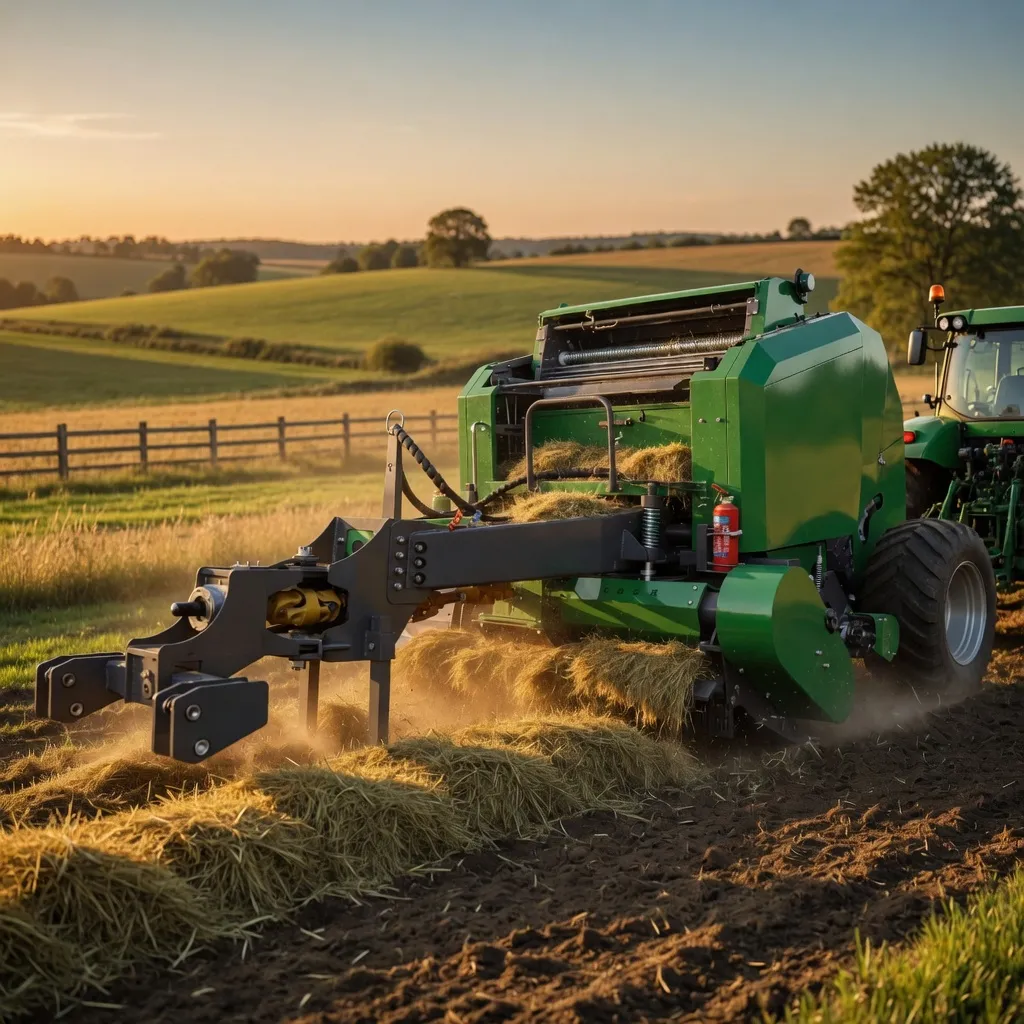
For most eastern Australian ryegrass silage programs, the EverPower 9YG-1.25A handles the throughput and density requirements effectively. Large-scale commercial dairy programs with wide irrigated ryegrass paddocks may benefit from the 9YG-2.24D S9000’s higher DM throughput per machine-hour, particularly where the paddock area to be baled in any given weather window is large enough that single-pass efficiency is commercially significant.
Lucerne Silage: When Biochemistry Makes It Hard
Lucerne silage is among the most nutritionally valuable feed available to high-producing Australian livestock — and among the most technically demanding to make well. Understanding why requires understanding the two biochemical properties that distinguish it from ryegrass.
The first is WSC concentration: lucerne typically carries only 50–80 g/kg DM at harvest, compared with ryegrass’s 150–300 g/kg. There is simply less fermentable substrate available for LAB activity, which means the pH drop proceeds more slowly and may not reach the target pH 4.5 level without supplementary inoculant. The second distinguishing property is buffering capacity — lucerne’s protein fraction and organic acids act as a chemical buffer that resists pH change, requiring more lactic acid production to achieve the same pH reduction than a low-buffering-capacity crop like ryegrass would require. Together, these two properties explain why lucerne silage is susceptible to secondary clostridial fermentation (butyric acid production) when conditions are not optimal — the fermentation takes longer to stabilise and the buffering capacity provides a window in which undesirable organisms can proliferate if the bale’s moisture and temperature allow it.
The crop-specific management response to these challenges is well-established. Target DM for lucerne silage should be on the lower side of the silage range — 45–58% DM (42–55% moisture) — because the higher moisture level supports the LAB activity needed to overcome the buffering capacity, and the risk of butyric fermentation at these moisture levels is manageable with prompt wrapping. A homo-fermentative LAB inoculant (Lactobacillus plantarum) is strongly recommended for lucerne silage — it accelerates the pH drop that lucerne’s buffering capacity would otherwise delay, directly reducing the window for clostridial activity.
The wrapping implications for lucerne are the most important of the three crops. The bale-to-wrap window — which is 3–4 hours for ryegrass under normal conditions — is effectively 2 hours for lucerne in warm weather, and less than that above 28°C. A combined baler-wrapper is not merely convenient for lucerne silage: it is the operationally sound choice, because the wrapping deadline is strict enough that the coordination discipline required to maintain it with a two-machine setup is genuinely difficult to sustain across a full day’s baling. Every bale that sits for more than 2 hours on a 30-degree day is a fermentation quality compromise.
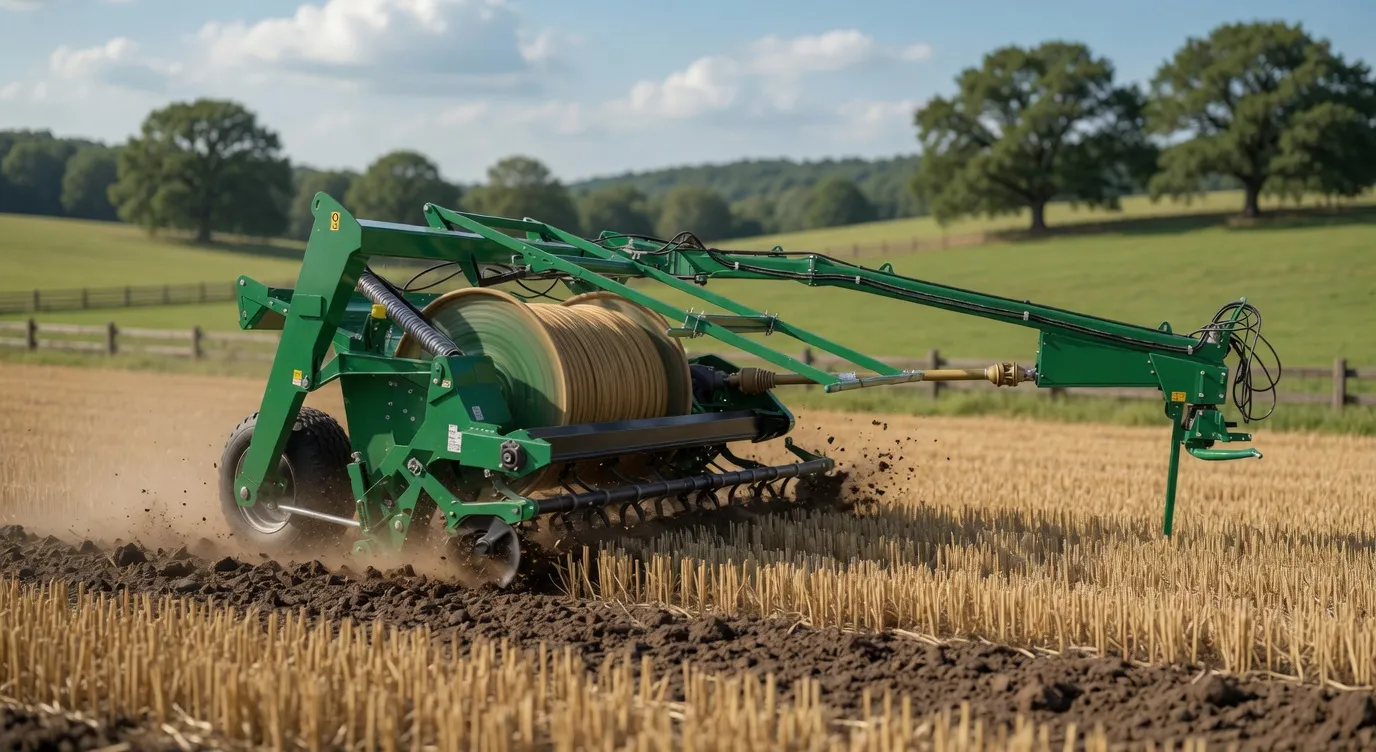
Leaf shatter is the other lucerne-specific management challenge. Lucerne leaf at the correct harvest stage is relatively fragile, and the leaf fraction represents the most nutritionally dense component of the plant — higher in protein and digestibility than the stem. Aggressive raking when the crop is too dry, or excessive pickup speed, causes leaf shattering that represents a real and unrecoverable DM and quality loss. The practical protocol is to rake once, when the crop is still pliable, at a gentle rake speed, and to set pickup height so that tines clear the soil surface without aggressive ground contact. EverPower’s 9LZY-9.0 finger wheel rake is well-suited to lucerne because its gentle gentle raking action causes significantly less leaf shatter than a lateral or rotary rake at equivalent windrow consolidation rates.
Six film layers minimum for lucerne silage — not four. Lucerne silage is more aerobically unstable at feedout than ryegrass, because its residual fermentable substrate and protein support yeast and mould activity more readily when oxygen enters through a film breach. Additional layers reduce oxygen transmission and provide physical protection against puncture damage during storage. The marginal film cost of two extra layers is trivially small relative to the quality and DM loss that aerobic spoilage produces in high-value lucerne silage.
Oat Crop Silage: The Versatile Mixed-Farm Option
Oat silage occupies a distinctive role in Australian mixed farming systems. Unlike ryegrass silage, which is produced from established perennial pasture, or lucerne, which is produced from a dedicated fodder crop, oat silage is made from a dual-purpose crop that could alternatively be taken through to grain. This creates a farm decision point — silage versus grain — that is based on season conditions, feed demand, and market prices, and that happens during a narrow window in the crop’s development where the timing choice matters enormously to the silage outcome.
The optimal cutting stage for oat silage quality is stem elongation to flag leaf emergence — before head emergence and grain filling begin. At this stage, WSC concentration is moderate (80–140 g/kg DM), energy digestibility is high, and crude protein is at its seasonal peak for the crop (typically 12–18% DM). After head emergence, the crop’s energy balance shifts from leaf and stem digestibility toward starch accumulation in the grain, and the silage quality trajectory from this point is declining on a ME-per-kg DM basis even as yield is increasing. A paddock cut at flag leaf may test at 11.0 MJ ME/kg DM; the same paddock cut 12 days later at soft dough may test at 9.5 MJ ME/kg DM — a quality difference that is nutritionally significant for the livestock consuming it.
From a fermentation management perspective, oat silage behaves similarly to ryegrass — WSC levels at the correct cutting stage are sufficient to support good fermentation under most conditions, and the bale-to-wrap window is comparable to ryegrass (3–4 hours under normal conditions). The crop-specific baler consideration is the greater stem diameter and stiffer crop architecture compared with a grass pasture. Oat stems at the heading stage are noticeably stiffer than ryegrass, and lodged sections of the crop — which are common in high-yielding paddocks — present as tangled, irregular windrows that can cause pickup blockages if the operator maintains the same forward speed they would use on a uniform grass windrow.
The operating discipline for oat silage is speed management through density variation. In uniform, upright oat windrows, standard baling speed applies. In lodged, dense, or tangled sections — which are often the most productive sections of the paddock — the correct response is to reduce forward speed to allow the feed rotor to work through the material progressively rather than forcing it, which causes bridging. An operator who reads the windrow condition ahead and adjusts speed preemptively, rather than reactively after the jam has already formed, produces a more uniform baling rhythm and significantly fewer blockages per day than one who maintains constant speed regardless of conditions.
The EverPower 9YG-1.25A suits most farm-scale oat silage programs, with the EverPower 9GL-5.0/5.6 traction mower-windrower providing the cutting capacity to keep the baler supplied on large paddock programs. For compact mixed-farm operations where oat silage is one of several annual applications, the 9GL-2.5/2.9 provides sufficient cutting width to maintain baler supply without the capital commitment of the larger windrower.
Comparing the Three Crops: Machine Selection Implications
The same round baler handles all three crops within a season without mechanical modification — the adjustments are in density settings, forward speed management, and wrapping urgency. Ryegrass is the most forgiving and suits all machine formats from compact to commercial. Lucerne places the highest demands on wrapping speed and inoculant protocol, making the combined baler-wrapper the preferred configuration for any farm with a significant lucerne silage program. Oat silage requires the most operator attention to forward speed management through variable windrow conditions and benefits from a mower-conditioner in the cutting step to achieve DM targets within the quality window.
For mixed-crop operations baling all three species across a season, the EverPower 9YG-1.25A in a combined or standalone configuration with the 9YCM-850 wrapper represents the most versatile single-machine solution. The machine’s variable chamber accommodates the different density and moisture characteristics of each crop without requiring configuration changes between jobs, and the wrapping system’s programmable layer count allows the operator to apply 4-layer wrapping to ryegrass and hay jobs and 6-layer wrapping to lucerne silage without stopping for reconfiguration.
The EverPower NSW team is familiar with the specific machine configuration questions that arise in mixed-crop silage programs — including the tractor compatibility questions, the pickup height adjustment needed for different sward types, and the wrapping settings that suit each crop’s specific fermentation profile. Contact EverPower before the season to confirm that the machine is set up correctly for the crop mix being processed, rather than discovering mid-harvest that the settings were calibrated for a different crop than the one being baled.
EverPower Support for Multi-Crop Silage Programs
EverPower Baling Machinery Australia Pty Ltd works with farms and contractors running multi-crop silage programs across eastern Australia. The product range supports the full harvest chain from cutting through raking, baling, and wrapping, with each equipment step designed to work with the others rather than requiring compromise between them. Local NSW parts availability, direct technical support, and a team with genuine understanding of Australian silage agronomy mean that the support relationship extends beyond the machine itself to the practices that determine whether the machine produces the quality outcomes the farm’s livestock program depends on.
EverPower Baling Machinery Australia Pty Ltd
27 Harley Crescent, Condell Park NSW 2200
+61 2 9708 3322
[email protected]
Frequently Asked Questions
27 Harley Crescent, Condell Park NSW 2200 | +61 2 9708 3322 | [email protected]
About Us | Contact Us