
Running a dairy farm in Australia means dealing with a feed calendar that never lets up. From the wet winters of the Southern Tablelands to the dry summers of the Murray-Darling Basin, the gap between what pasture can naturally produce and what a milking herd demands is rarely zero. Round balers — and more specifically, baler-wrapper combinations — have become the backbone of how serious dairy operations bridge that gap. This article breaks down the real-world mechanics of why and how dairy farmers across New South Wales and beyond are using round baler silage technology to keep feeding costs predictable and their cows in milk twelve months a year.
The Feed Gap Problem on Australian Dairy Farms
Seasonal pasture growth in most Australian dairy regions follows an uneven bell curve. Spring and early autumn deliver flush growth that far exceeds daily herd requirements, while midsummer and late-autumn months can leave paddocks bare and stressed. Without a deliberate surplus-capture strategy, farmers are left buying expensive bought-in hay or grain supplements during shortfalls — costs that compound quickly across a 200+ cow herd. The core function of a round baler for dairy farms is to convert those short windows of surplus pasture into shelf-stable fermented feed that can be opened and fed back six, eight, even twelve months later with minimal dry matter loss.
The quality of silage — its metabolisable energy content, its pH, its palatability — is directly tied to how quickly the crop can be cut, wilted, baled, and wrapped after reaching the right dry matter percentage. Delays at any step in that chain degrade fermentation quality. That’s why equipment selection and workflow design matter far more than many farmers initially appreciate. A baler that jams frequently, or a wrapping setup that falls behind baling speed, quickly becomes a liability rather than an asset.
Choosing the Right Round Baler for a Dairy Operation
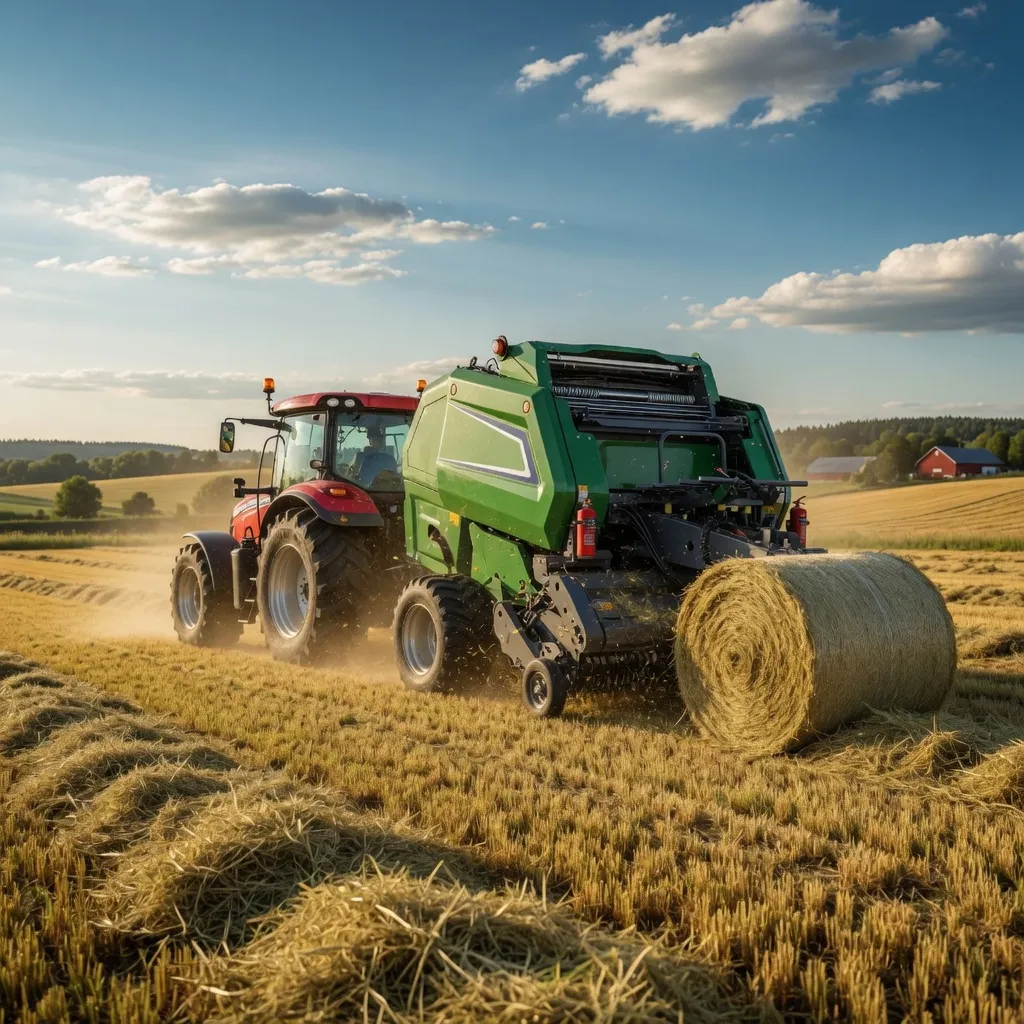
Not all round balers are engineered for the throughput and moisture tolerance that dairy silage demands. Dairy silage is typically baled at 50–65% moisture content — considerably wetter than dry hay — which places higher stress on the baling chamber, belts, and pickup mechanisms. Understanding key specification differences helps farmers match the machine to the workload rather than discovering the mismatch mid-harvest.
Variable Chamber vs Fixed Chamber
Variable-chamber balers use a belt or roller system that expands as the bale grows, allowing consistent outside-in compression that suits a wide range of crop densities and moisture levels. For dairy silage where crop conditions shift day to day — morning dew, varying wilting times, different sward heights — variable-chamber machines offer more operational flexibility. Fixed-chamber designs produce a consistently sized bale, which simplifies stacking and transport logistics, but they are less forgiving with high-moisture material that packs differently from dry hay.
Pickup Width and Throughput Capacity
Dairy farms processing multiple paddocks over a narrow harvest window benefit from wider pickup reels and higher throughput capacity. Models in the 1.25m to 2.24m bale diameter range cover most commercial dairy requirements. The EverPower 9YG-2.24D — the S9000 platform — is designed specifically for high-volume operations where operators need to cycle through large paddock areas quickly without sacrificing bale density or net wrap quality. For smaller 80–150 cow herds, the 9YG-1.25 series offers the right balance of capacity, tractor power compatibility, and footprint.
Net Wrap vs Twine for Silage Bales
For silage applications, net wrap is the industry standard over twine. Net wrap applies in fewer rotations, reduces baling cycle time, and produces a tighter, more uniform bale shape that wraps more consistently when the wrapper applies stretch film. Twine-tied silage bales are more prone to deformation under film wrap, which creates air pockets — the single biggest enemy of good silage fermentation. Dairy operations handling 500+ bales per season should treat net wrap as non-negotiable, not optional.
The Bale-Wrap Workflow: Timing Is Everything
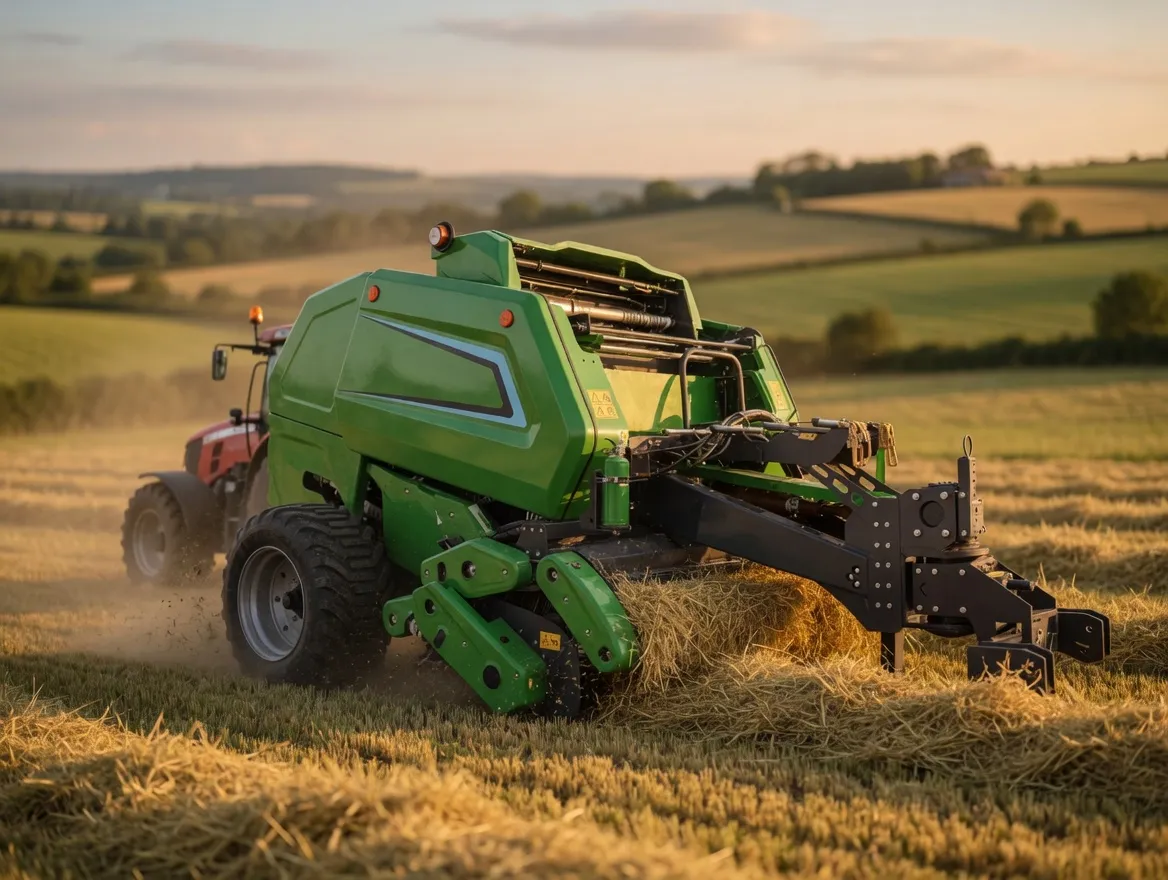
Good silage isn’t just about having the right baler — it’s about running a tight operational sequence from mowing to wrapping without losing the clock. Each step in the field-to-stack workflow has a window, and exceeding that window compounds quality losses at every subsequent stage.
Step 5 — Store & Monitor
Farms using a combined baler-wrapper unit — where baling and wrapping happen in one continuous pass — effectively eliminate the delay between steps 3 and 4. This single operational change has been shown in multiple farm trials to lift average silage ME content by 0.3–0.6 MJ/kg DM compared with separate baler and standalone wrapper workflows. For a 250-cow herd consuming 1,200 bales per year, that energy uplift translates directly into reduced supplementary feeding costs.
Planning Annual Silage Volumes for a Dairy Herd
Under-estimating annual silage demand is one of the most consistent errors on dairy farms that are new to on-farm baling. The calculation isn’t complex, but it requires realistic inputs rather than optimistic ones. A 600kg Holstein cow in full lactation will consume 10–14kg DM per day from silage when pasture supply drops below maintenance. Multiply that by herd size, by the expected number of deficit days per year (typically 60–120 days in inland NSW), and add a 15–20% buffer for storage losses and feeding wastage, and the target bale inventory becomes clear.
| Herd Size | Deficit Days/Yr | Est. DM Required (t) | Approx. 1.25m Bales | Approx. 2.24m Bales |
|---|---|---|---|---|
| 100 cows | 90 | ~108 t | 270–310 | 85–100 |
| 250 cows | 90 | ~270 t | 680–780 | 210–250 |
| 500 cows | 120 | ~720 t | 1,800–2,000 | 560–640 |
Integrating a Mower-Conditioner into the Silage Workflow
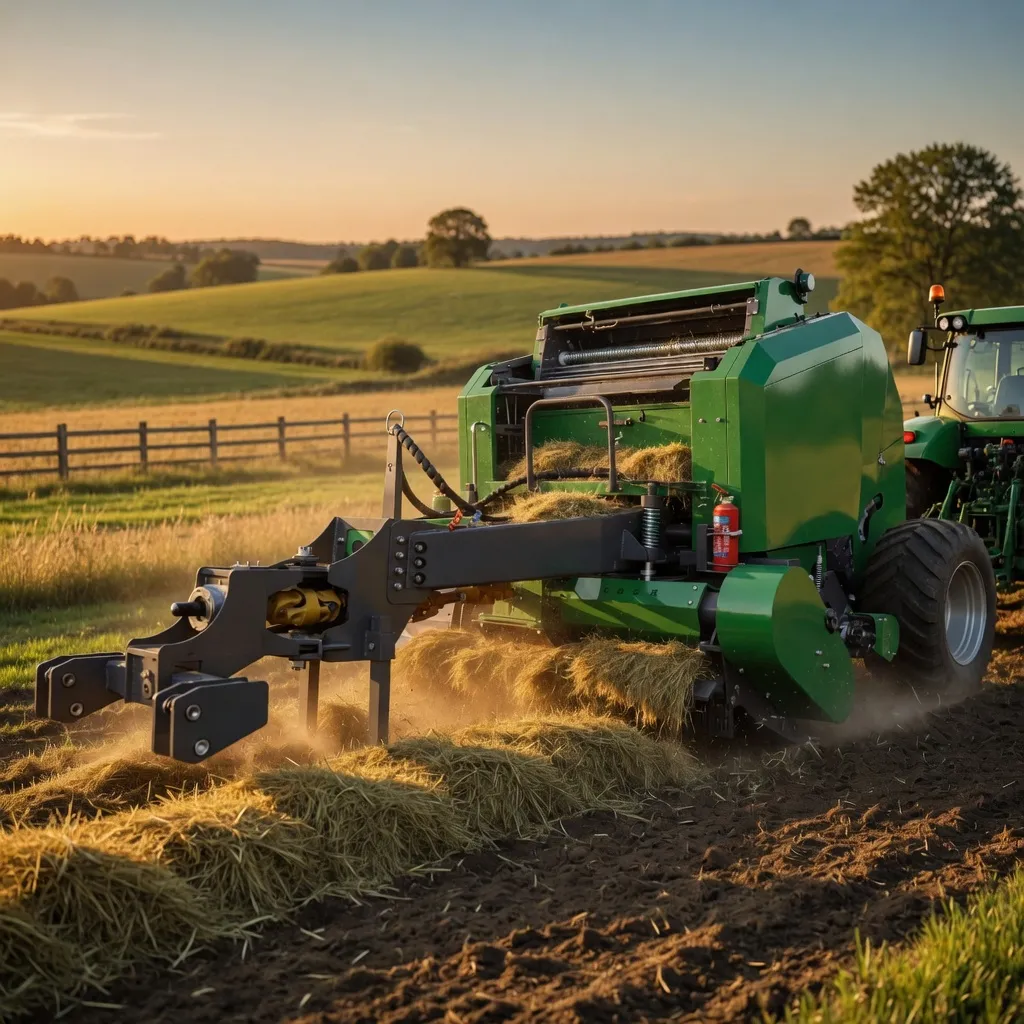
The baler only captures value that the mowing and conditioning stage has set up. A disc mower without a conditioning unit on a high-moisture crop can leave windrows that take 48–72 hours to reach target DM in cool or overcast weather — an unacceptable delay that invites rainfall risk and field respiration losses. A mower-conditioner with rubber rolls or impeller conditioning crimps the stem at intervals, dramatically accelerating moisture loss from the cut sward. The difference in wilting speed between a conditioned and unconditioned sward can be 18–30 hours under typical NSW autumn conditions.
The EverPower 9GQY-3.2 Mower-Conditioner is a workhorse unit suited to the cutting widths and ground speeds typical of dairy farm paddock layouts. With a 3.2-metre cutting width and a robust conditioning roller system, it can stay ahead of a single baler operating at full capacity on standard ryegrass or mixed pasture swards. Matching mower capacity to baler throughput is one of the most practical workflow optimisations available to dairy silage producers, and yet it’s routinely overlooked in favour of over-investing in the baler alone.
Silage Film Selection: Getting the Wrap Right
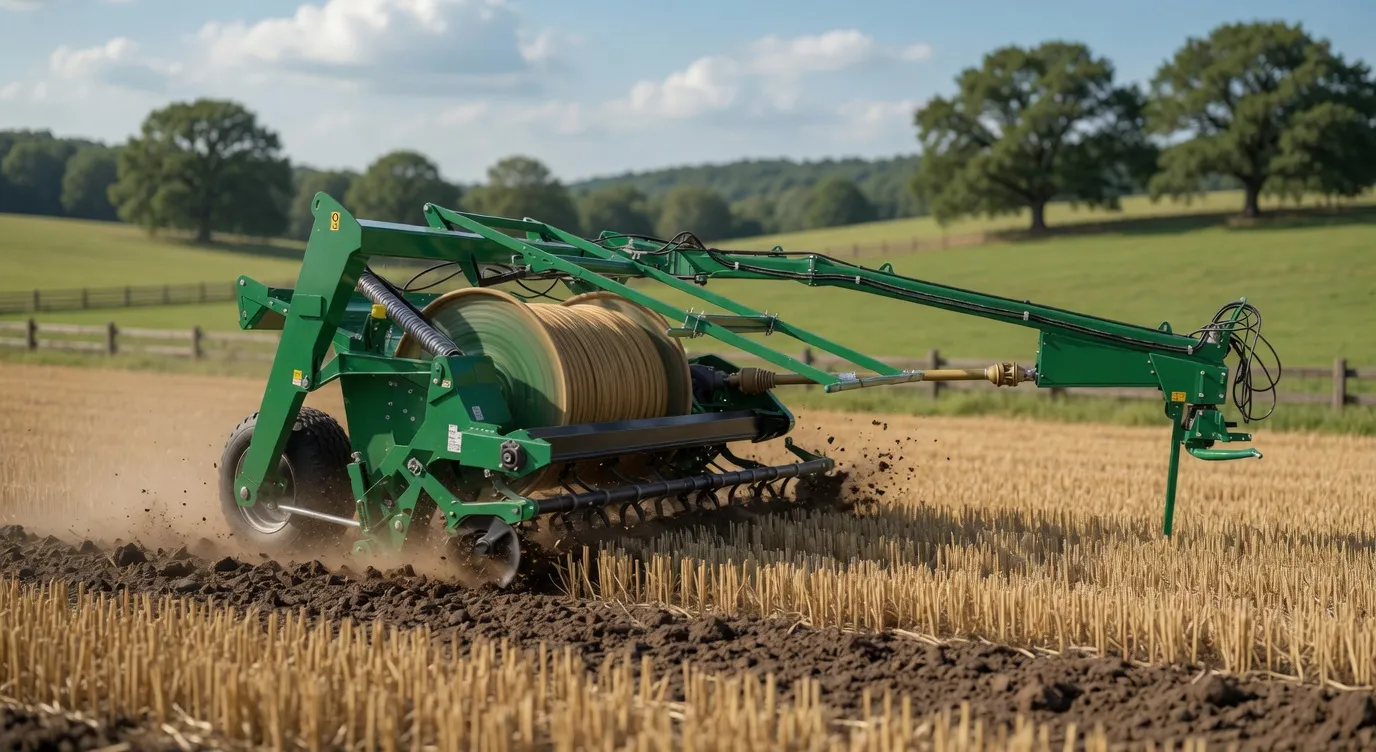
The stretch film wrapped around silage bales is the difference between a six-month feed bank and an expensive pile of spoiled material. Film selection is governed by three variables: width (500mm standard, 750mm for large bales), stretch ratio (typically 50–70% pre-stretch), and UV stabiliser rating — particularly important in high-radiation NSW and Queensland summers where film degradation can occur within weeks on inadequately rated material.
White film reflects solar radiation and keeps internal bale temperature lower than black film, which is especially beneficial for bales stored in exposed paddock sites without shade. Green film is the most common aesthetic choice in Australia and performs comparably to white in moderate UV conditions. The absolute minimum standard for dairy silage bales is 4 layers; 6 layers is preferable for bales stored more than 90 days, or in locations exposed to significant vermin or bird pressure. The EverPower 9YCM-850 film wrapping unit applies film in up to 8 layers with consistent tension control, making it well-suited to dairy operations with high storage requirements.
Rake Configuration and Crop Handling for Dairy Silage
Efficient raking determines how cleanly the baler’s pickup can collect the crop and directly affects soil contamination in the bale — a significant silage spoilage risk that is often attributed to poor fermentation but actually originates at the raking stage. Finger-wheel rakes like the EverPower 9LZY-9.0 are well-suited to dry hay conditions and lighter silage crops where the windrow needs to be fluffed and merged without causing ground-level contamination. The tine geometry and rotation speed of finger-wheel rakes produce a clean, airy windrow that dries quickly and picks up efficiently.
For heavier, higher-yield silage crops — dense ryegrass swards, chicory, or irrigated pastures — a towed lateral rake such as the EverPower 9LH-12 provides superior merging capacity and leaves a more uniform, dense windrow that suits high-throughput balers. Proper windrow sizing is critical: too narrow and the baler struggles to fill the chamber efficiently; too wide and pickup fingers miss material at the edges, leaving significant crop in the paddock. Matching rake type and swath width to the baler’s pickup reel width is a fundamental setup step that experienced operators check before every harvest season.
Financial Case: Owning vs Contracting Silage Baling
The rent-vs-own question comes up on every dairy farm at some point. Contracting silage baling can cost $18–$35 per bale depending on region, contractor availability, and season — and in drought years, those contractors are booked weeks in advance, leaving farmers without timely harvest access precisely when silage quality windows are tightest. Owning a round baler changes the economics fundamentally: the machine is available when conditions are ideal, not when the contractor’s schedule opens up.
Managing Silage Quality From Bale to Feedout
The most common cause of silage quality disappointment isn’t a baling problem — it’s a storage and feedout management problem. Bales stored with end faces touching each other minimise film surface area exposed to damage, but they also make it harder to rotate stock and inspect individual bales. The standard advice of storing in a single row, end-to-end, applies well to most farm scales. For operations storing 800+ bales, a dedicated sacrificial paddock or concrete silage pad with good drainage significantly extends effective storage life by keeping bale bases away from persistently wet soil.
At feedout, the golden rule is to feed a bale within 24–48 hours of opening in warm weather, and within 72 hours in cool conditions. Aerobic spoilage begins immediately when oxygen enters the bale, and the rate of heating and mould development accelerates with ambient temperature. Dairy cows fed silage that has heated post-opening will typically show reduced intake, which negates the feeding value benefit and can impact milk production.
Incorporating an inoculant at baling — either sprayed onto the windrow ahead of the pickup or injected by a baler-mounted inoculant system — adds a meaningful safety margin to fermentation quality. Homofermentative Lactobacillus strains lower pH quickly and suppress enterobacteria activity. Heterofermentative strains like Lactobacillus buchneri are particularly valuable for silage that will be stored long-term (9+ months) or fed out during warm summer months, as they suppress the yeasts responsible for aerobic instability at feedout. Not every farm needs inoculants, but high-stocking-rate dairy operations with long feed reserves should treat them as standard operating procedure rather than an optional extra.
Why Australian Dairy Farmers Choose EverPower
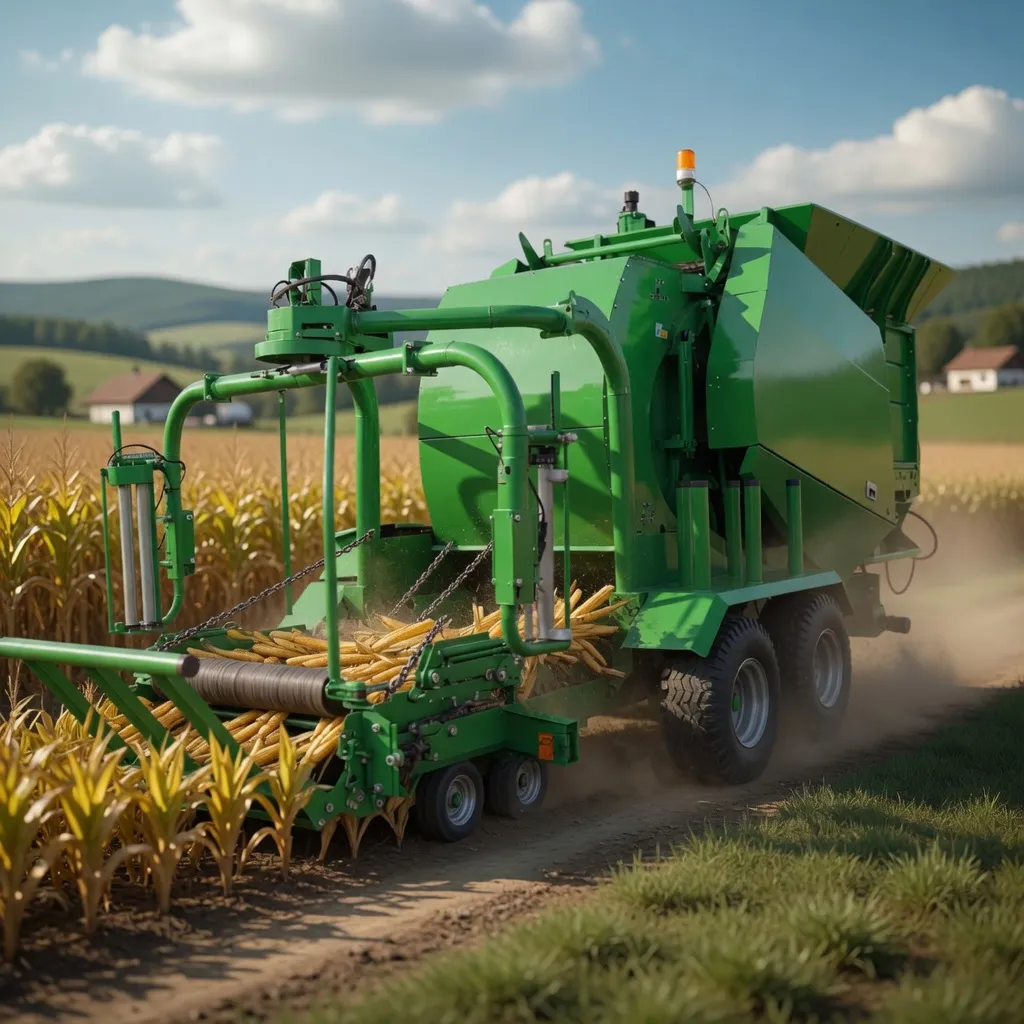
EverPower Baling Machinery Australia Pty Ltd supplies the full spectrum of silage and hay equipment from its New South Wales base — from entry-level round balers suited to 80-cow operations through to high-capacity commercial machines for large pastoral dairy enterprises. The product range covers every stage of the silage workflow: mowing, conditioning, raking, baling, and wrapping, which means farmers can source a matched, compatible equipment set from a single supplier and avoid the integration headaches that come with mixing brands across the chain.
EverPower Baling Machinery Australia Pty Ltd
27 Harley Crescent, Condell Park NSW 2200
+61 2 9708 3322
[email protected]
Frequently Asked Questions
27 Harley Crescent, Condell Park NSW 2200 | +61 2 9708 3322 | [email protected]
About Us | Contact Us