
Dry matter losses in silage don’t announce themselves loudly — they erode quietly across every stage of the harvest chain, from the moment a mower blade touches the crop to the moment a cow takes the first mouthful six months later. Australian dairy producers who have moved to combined baler-wrapper technology have consistently found that the single biggest recoverable loss point in their silage program was the delay between baling and wrapping. Eliminating that delay — by combining both operations into one continuous machine pass — is not a marginal gain. Across a season’s output, it is the difference between first-rate fermented feed and a product that under-delivers on the nutritional promises of the original pasture.
Understanding Where Dry Matter Goes Missing
Dry matter (DM) losses in bale silage are cumulative — each stage in the workflow contributes its own share, and the total by feedout time is almost always higher than producers estimate. Research consistently places total losses in poorly managed bale silage systems at 20–35% of the original harvested DM. In a well-managed system, that figure can be brought below 10%. The difference isn’t luck. It’s a direct reflection of how tightly each loss point in the chain is controlled.
Field Respiration Losses
From the moment a plant stem is severed, cellular respiration begins consuming the plant’s own sugars. This process accelerates in warm conditions and only stops when the crop either reaches target DM (and is baled) or is fully preserved in anaerobic fermentation (wrapped silage). In practical terms, every hour a mowed crop sits in the field above 18°C in sunshine costs fermentable sugars that cannot be recovered. Efficient conditioned mowing, combined with prompt baling, is the primary tool for controlling this loss.
Mechanical Harvest Losses
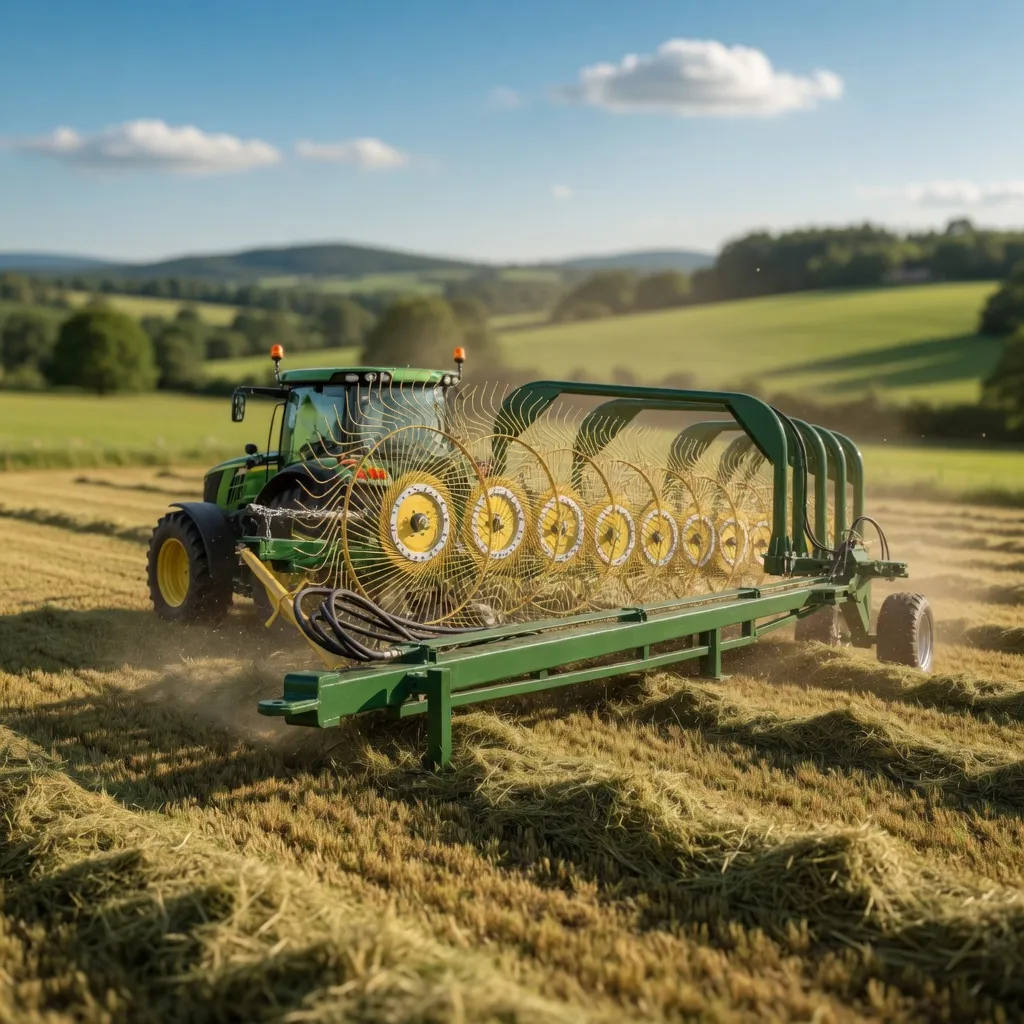
Raking and baling both cause physical crop losses. Over-raking, raking when the crop is too dry, or raking at high speeds can shatter leaf material — which is the most nutritionally dense part of the plant. On a lucerne crop, leaf loss from aggressive raking can represent 5–8% of total DM harvested. Baler pickup losses — material left in the paddock behind the machine — add a further 1–4% on rough or uneven ground. Correct machine speed, rake timing, and pickup height adjustment are the tools available to manage these losses.
Fermentation and Storage Losses
Once baled and wrapped, the key threat to DM is oxygen infiltration. Every pocket of air in the bale is a site for yeast and mould activity — consuming DM and producing heat, which drives further deterioration. Film punctures during storage add ongoing oxygen entry points. The fermentation period itself produces inevitable CO₂ and heat losses, but a well-fermented bale holds these below 3% of total DM. Poorly fermented bales — typically those wrapped late, wrapped with insufficient film layers, or made from crops above 65% DM — can lose 8–15% of DM during the fermentation phase alone before a single feeding loss is counted.
The Combined Baler-Wrapper Advantage: Closing the Time Gap
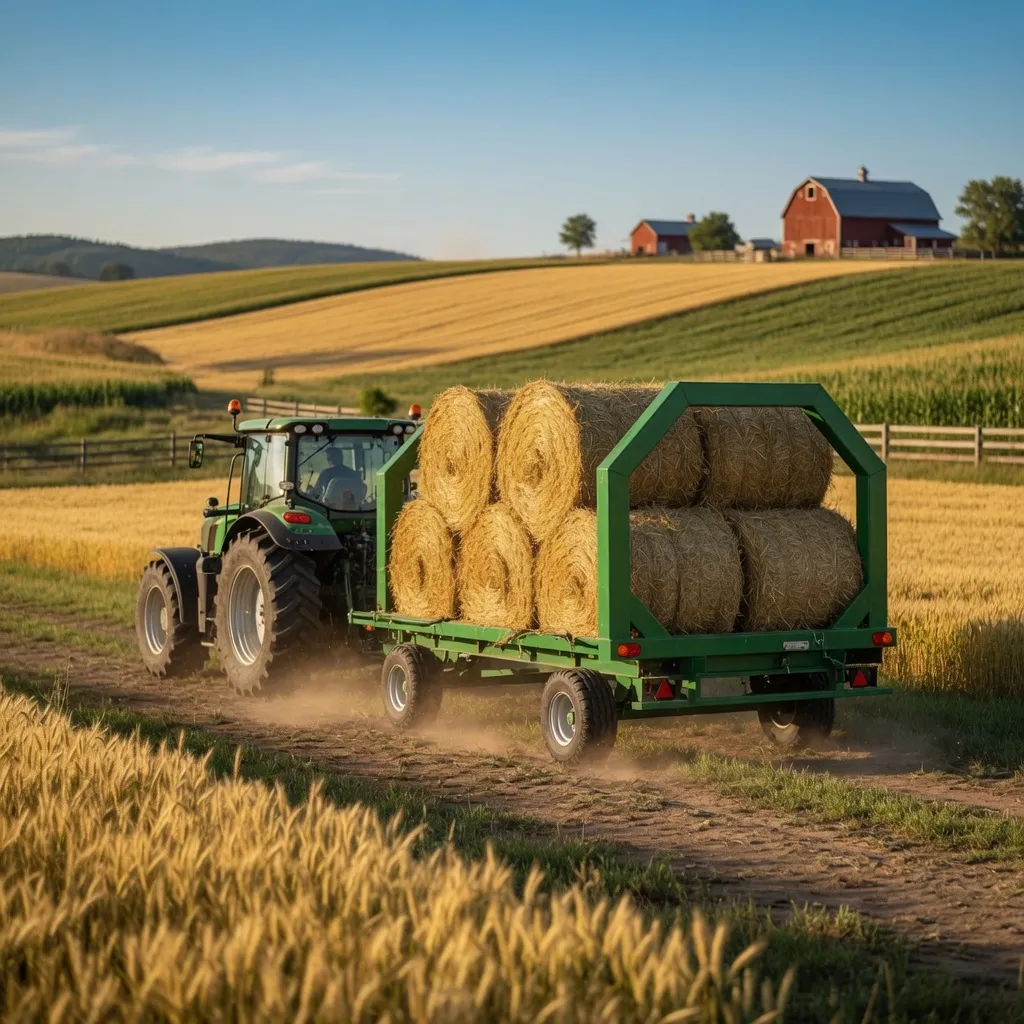
The 4-hour wrapping rule is widely known in the silage industry. What is less understood is how frequently that rule is broken in practice — not through negligence, but through the simple operational reality of managing multiple machines across large paddock areas with limited staff. A standalone baler working ahead of a separate wrapper will, on most working days, produce bales that wait longer than intended before wrapping arrives. On a day when the wrapper has a mechanical delay, or when paddock transport takes longer than planned, bales made in the morning may not be wrapped until late afternoon or the following day.
A combined baler-wrapper — where wrapping occurs immediately after baling in one continuous sequence — makes the 4-hour rule irrelevant because wrapping is never delayed. The bale is sealed the moment it leaves the baling chamber. This operational certainty is the core value proposition of combined machines, and it translates directly into consistent, measurable silage quality improvements across the season.
Farm-level data from Australian silage trials comparing same-paddock material baled with separate versus combined machines have shown ME content improvements of 0.3–0.7 MJ/kg DM in the combined-machine bales. On a 1,000-bale program, that uplift in energy density means each bale delivers more kilograms of milk production equivalent — which compounds directly into reduced grain and purchased supplement expenditure across the dairy year.
Quantifying the Financial Impact of DM Loss Reduction
Feed cost is the single largest variable expense on an Australian dairy farm, typically accounting for 40–55% of milk cost of production. Any reduction in silage DM loss therefore has a direct, visible impact on the farm’s cost structure. The calculation isn’t complex — it’s a matter of understanding what each percentage point of DM loss recovery is worth in feed value terms.
How Bale Density Affects Fermentation and DM Preservation
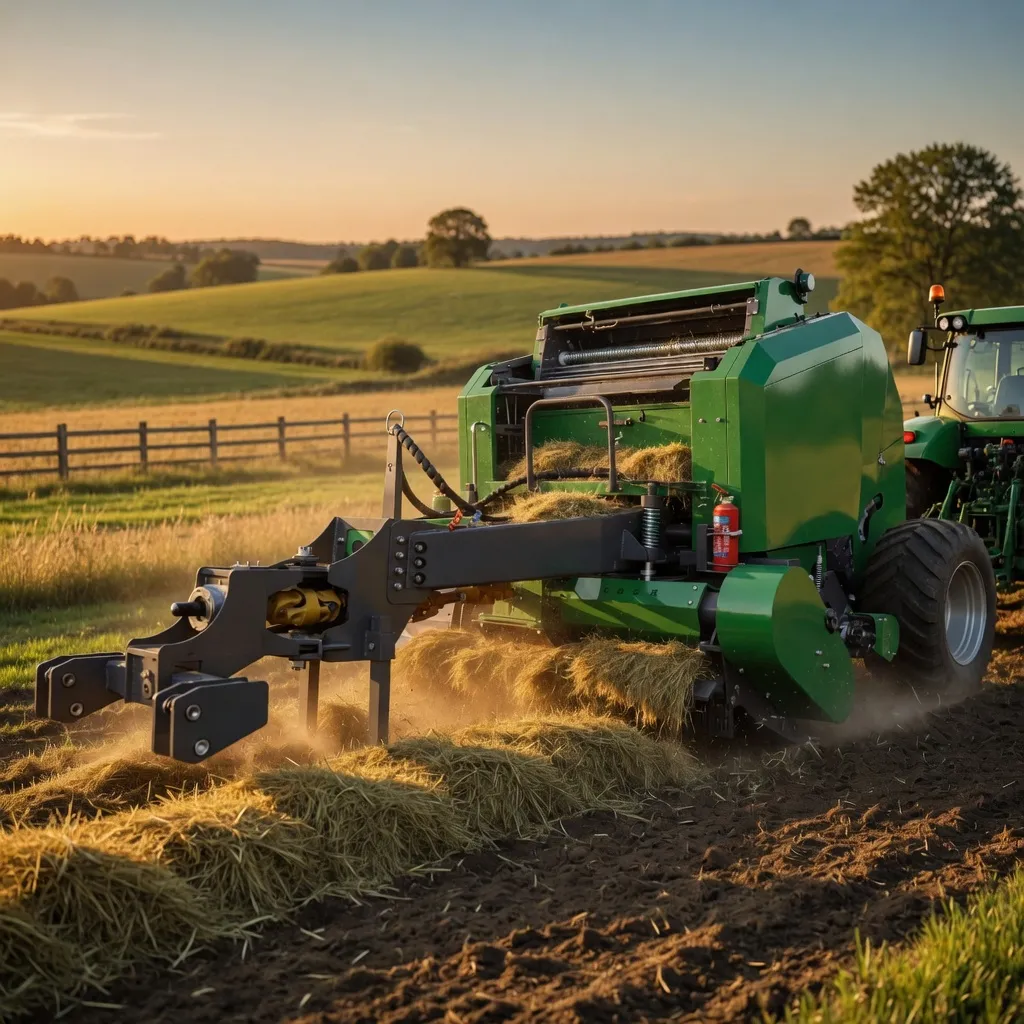
Bale density is a directly controllable quality parameter that most operators treat as an afterthought. Higher density bales contain less inter-plant airspace, which means less residual oxygen for the fermentation process to consume — resulting in a faster pH drop, more complete anaerobic conditions, and lower overall fermentation losses. A loose, low-density bale has more air to exhaust during the initial fermentation period and tends to exhibit higher temperatures and greater DM burn-off during the first two to four weeks of storage.
Achieving consistently high bale density requires matching baler throughput speed to crop conditions. Operators who drive too fast through a heavy windrow produce under-filled, lower-density bales — even on machines with automatic density control. The correct approach is to allow the bale chamber to fill at the crop’s natural feed-in rate, maintaining steady hydraulic pressure across the chamber rather than forcing material at high forward speed.
EverPower round balers across the 9YG range incorporate adjustable chamber pressure systems that allow the operator to set target bale density to suit the crop type and moisture level at hand. For silage, a higher density setting is standard — and the feedback system allows real-time adjustment without stopping, so the operator can compensate as crop density varies across a paddock. This is a feature that makes a measurable difference to fermentation quality when used consistently.
Film Layer Count and Its Effect on Aerobic Stability
Every additional layer of stretch film applied to a silage bale reduces oxygen transmission through the film barrier and provides a secondary protection layer against physical damage from vermin, bird strike, and UV degradation. The oxygen transmission rate of standard silage film drops significantly between 4 and 6 layers — not proportionally, but in a compounding fashion, because each layer’s imperfections are covered by the next. This is why 6 layers on high-value, long-term-stored silage is not excessive — it’s an insurance policy on the feed value of the entire bale.
The EverPower 9YCM-850 Film Wrapping Machine applies up to 8 layers with consistent pre-stretch ratio and overlap coverage. The pre-stretch mechanism — typically set at 55–70% stretch — is what determines how much film is actually used per bale versus how well each layer adheres to the bale surface. Under-stretched film sags and bridges over bale shoulders, creating air pockets. Over-stretched film loses elasticity and fails to seal puncture sites effectively. The 9YCM-850’s tension control system maintains consistent stretch across the full wrapping cycle, which is one of the most commonly underappreciated contributors to silage quality in wrapped bale systems.
Crop Type Considerations for Minimising DM Loss
Not all crops lose DM at the same rate or through the same mechanisms. Understanding crop-specific loss dynamics helps dairy farmers tailor their harvest and preservation approach to what’s actually growing in the paddock.
High water-soluble carbohydrate (WSC) content supports fast, clean fermentation when baled at correct DM. Primary DM loss risk is field respiration during prolonged wilting in warm weather — aim to bale within 24 hours of mowing under typical NSW autumn conditions.
High protein but low WSC — lucerne is the most challenging silage crop for fermentation quality. Its high buffering capacity means more fermentable substrate is needed to drop pH. Use a homo-fermentative inoculant, bale at the lower end of the DM range (45–55%), and wrap immediately. Leaf shatter from over-raking is lucerne’s biggest field loss risk.
High DM yield per hectare with relatively predictable fermentation. Bale at late vegetative to early heading stage for best energy:protein balance. Stem diameter can affect pickup efficiency — ensuring the rake produces a clean, manageable windrow is important to minimise stalk losses ahead of the pickup reel.
Variable DM content across the sward requires the operator to monitor DM levels more closely than for uniform species crops. In mixed pastures, the highest-moisture component governs the wrapping urgency — bale and wrap based on the wettest material in the windrow, not the average.
Reducing Feedout Losses: The Final Stage of DM Recovery
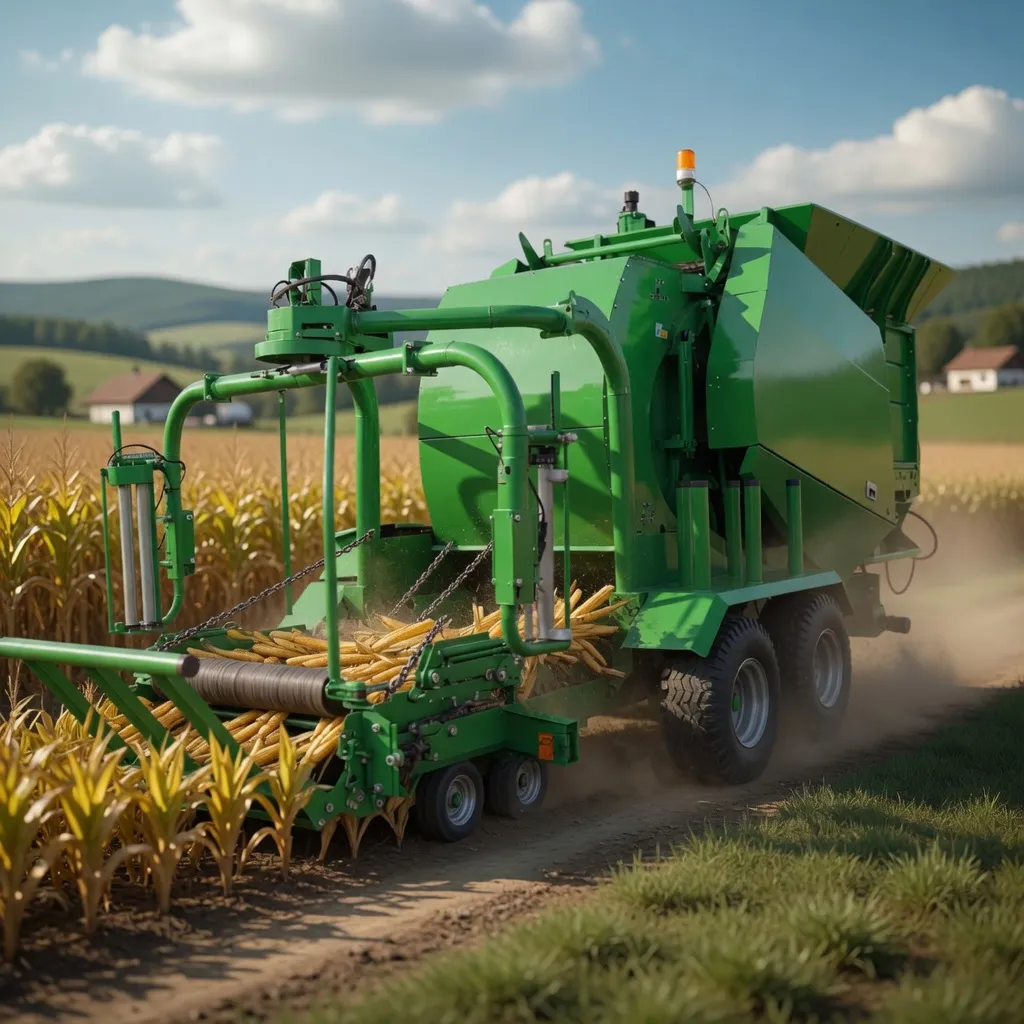
All of the effort invested in low-loss baling and wrapping can be undermined at the feedout stage if management is careless. Feedout losses on silage bales fall into two categories: physical waste from selective feeding and refusal, and aerobic spoilage from slow consumption of opened bales. Both are controllable and both represent real economic losses that reduce the effective value of every bale produced.
Physical waste is minimised by feeding bale silage in a designated feed area rather than spreading it across pasture — cows selectively feed around spoiled material, and silage spread on wet ground suffers rapid contamination losses. Feed pad or concrete apron feeding essentially eliminates this loss category. Aerobic spoilage at feedout is managed by consuming opened bales within 24–48 hours in temperatures above 20°C, or within 72 hours in cooler weather. Opening more than one bale at a time when daily intake doesn’t justify it is one of the most prevalent causes of silage quality degradation at feedout on Australian dairy farms.
For farms storing silage for 9 months or more before feedout, incorporating a heterofermentative inoculant containing Lactobacillus buchneri at baling specifically improves aerobic stability during the warm-season feedout period. This strain produces acetic acid during fermentation, which suppresses the yeast activity responsible for heating and spoilage when the bale is opened. It doesn’t improve initial fermentation pH as effectively as homofermentative strains, so for short-term storage (under 60 days), a homofermentative inoculant is the better choice.
Practical Checklist: Minimising DM Loss at Each Stage
The following stage-by-stage checklist summarises the key controllable actions available to Australian dairy farmers looking to recover DM losses in their silage system. Each point represents a decision that, if consistently executed, reduces total season loss meaningfully.
Use a mower-conditioner, not a plain disc mower. Cut at the right growth stage — pre-head for grass, early bud for lucerne. Avoid mowing when rain is forecast within 24 hours of planned baling time.
Rake when the crop is still slightly pliable — never bone-dry. Match windrow width to 70–80% of baler pickup width. Minimise raking passes; one consolidation pass is enough on most dairy pasture crops.
Set density to high for silage. Use net wrap, not twine. Check DM with a microwave field test before starting if crop conditions are variable. Apply an inoculant if storing for more than 60 days.
Wrap within 4 hours of baling — always. Apply a minimum of 6 layers for storage beyond 60 days. Check pre-stretch setting before each session. Use a combined machine to eliminate the delay entirely.
Store on well-drained, firm ground. Inspect fortnightly and patch any punctures immediately. Feed opened bales within 48 hours in warm weather. Implement FIFO rotation — best-quality early-cut silage to highest-priority stock first.
Monitoring Silage Quality: Testing and Interpreting Results
The most direct way to verify whether a DM loss reduction strategy is working is to test silage quality from representative bales at 6–8 weeks after baling, when fermentation is complete. A basic silage analysis panel from an accredited laboratory will typically cost $40–$80 per sample and report DM, pH, metabolisable energy (ME), crude protein (CP), and fermentation acids (lactic, acetic, butyric). Interpreting these results allows farmers to compare silage quality against the target parameters for their cow class and ration, and to identify specific fermentation problems that need addressing in the next harvest.
A butyric acid reading above 0.5% DM in the analysis report is a reliable indicator that the bale was made at too high a moisture level or suffered anaerobic contamination — both of which cause significant DM losses during fermentation and reduce palatability at feedout. An ME value below 9.5 MJ/kg DM in ryegrass silage generally points to either late cutting (crop past peak quality) or significant field respiration losses before baling. In both cases, the test result provides an actionable data point for improving the following season’s program.
EverPower Equipment for Low-Loss Dairy Silage Programs
EverPower Baling Machinery Australia Pty Ltd provides the equipment foundation for a managed, low-loss silage system. From the 9GQY-3.2 Mower-Conditioner — which accelerates wilting to reduce field respiration time — to the 9YG series round balers with adjustable density control, and the 9YCM-850 Film Wrapper with precision pre-stretch management, each machine in the range is selected to address a specific loss point in the silage chain. Combining them into a matched, compatible system from a single NSW-based supplier removes the integration complications that add unwanted variables to an already technically demanding process.
27 Harley Crescent, Condell Park NSW 2200 ·
+61 2 9708 3322 ·
[email protected]
Frequently Asked Questions
27 Harley Crescent, Condell Park NSW 2200 | +61 2 9708 3322 | [email protected]
About Us | Contact Us