Australian beef producers know drought not as a rare exception but as a recurring feature of the pastoral calendar. Whether it comes as a failed wet season in Queensland, a prolonged El Niño dry in New South Wales, or a summer-autumn moisture deficit in Victoria’s northern grazing country, the result is the same: pasture fails, stock condition deteriorates, and the cost of keeping a herd alive on purchased hay and grain rises steeply. The farms that weather these events with the least financial damage are those that treat drought preparation as a year-round management discipline — not a reactive scramble when the landscape turns brown. On-farm silage baling for beef cattle is one of the most cost-effective tools available for building that preparation into the farm’s physical and financial structure.
The Economics of Drought Feeding Without a Feed Reserve
The cost of emergency drought feeding from purchased hay, grain, and supplements is one of the most financially devastating events a beef enterprise can face. When drought strikes broadly across a grazing region, hay prices spike rapidly as demand outstrips available supply. Premium cereal hay that sells for $180–$240 per tonne in a normal season can reach $380–$550 per tonne during a regional drought event — delivered. For a 500-head commercial cow-calf operation requiring 30 kg of hay per cow per week during a full drought period, the weekly cost at elevated prices can exceed $8,000–$14,000. Across a 16-week drought period, that represents $130,000–$220,000 in purchased feed alone.
Contrast that with the cost of producing on-farm silage bales during the preceding season’s pasture flush. At typical on-farm production costs of $60–$90 per 1.25m bale (including fuel, depreciation, wrap, inoculant, and labour), and with each bale representing approximately 400kg DM at 10–11 MJ ME/kg DM, the cost per megajoule of on-farm silage is a fraction of what the same energy costs in purchased emergency feed. The capital investment in a baler pays for itself, often within the first serious drought event it helps a producer navigate without going to market for supplementary feed.
Building a Drought Feed Reserve: How Many Bales Do You Need?
Calculating the silage bale inventory target for a drought reserve begins with a clear-eyed assessment of the likely deficit duration and herd requirements. Australian beef producers in drought-exposed regions should plan for a minimum 16-week drought reserve — though the most resilient operations in high-risk country build reserves capable of supporting their base herd for 6–9 months. The calculation structure is straightforward, but it requires using realistic intake and DM figures rather than optimistic assumptions.
| Animal Class | Daily DM Intake | Bales per Head (16 wks) | Bales per Head (6 months) |
|---|---|---|---|
| Dry cow (450 kg) | 6–7 kg DM | ~1.7 | ~4.5 |
| Lactating cow (500 kg) | 9–11 kg DM | ~2.6 | ~7.0 |
| Growing steer (300 kg) | 7–8 kg DM | ~2.0 | ~5.5 |
| Bull (700 kg) | 10–12 kg DM | ~3.0 | ~8.0 |
A 300-head breeding cow operation in central NSW targeting a 20-week drought reserve needs roughly 520 bales at minimum — more if the mob includes calves, bulls, and replacement heifers. Producers who have been through multiple drought events typically arrive at a personal rule of thumb: never let the silage reserve drop below the equivalent of 12 weeks’ full herd feed requirement, regardless of how good the current season looks. It’s a discipline that costs relatively little to maintain once the baling infrastructure is in place.
Choosing the Right Baler for a Beef Cattle Station
Beef stations have different equipment priorities than dairy farms. Dairy silage is typically made on intensively managed, irrigated, or high-rainfall pasture with reliable crop yields. Beef station silage is often made from seasonally opportunistic crops — grass that has had an exceptional season, flood plains that have recovered, or specifically planted drought-fodder crops like sorghum, hay oats, or cereal rye. This means the baler needs to handle variable and sometimes challenging crop conditions without compromising bale quality.
Compact Balers for Smaller Beef Operations
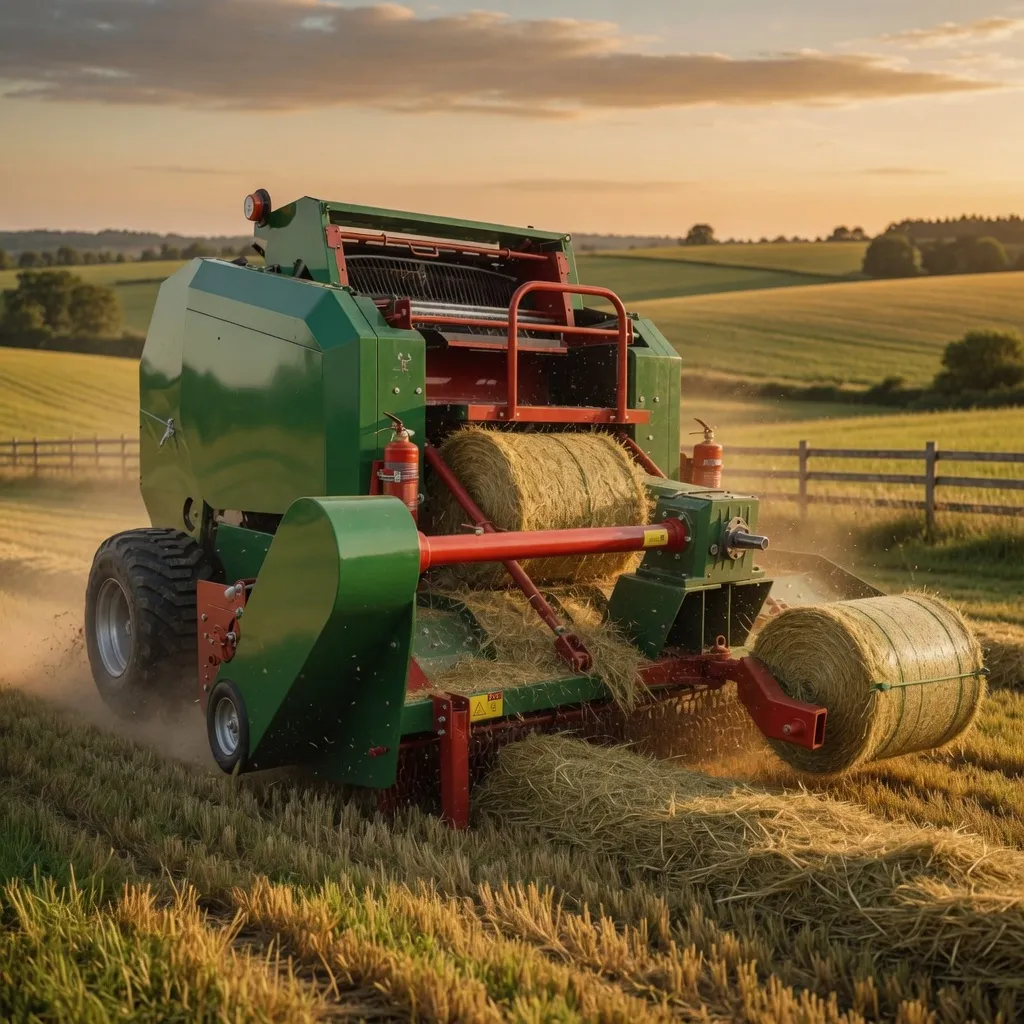
Beef stations running 100–300 breeders rarely need the throughput of a commercial dairy baling setup. A compact, lower-maintenance baler that produces 1.0m bales — such as the EverPower 9YG-1.0 — is often the right fit for properties building a modest drought reserve of 200–400 bales annually. The smaller bale size also suits beef feedout logistics, where a single-mob daily requirement can be met by one bale rather than requiring a partial bale that then deteriorates in the open. A 1.0m bale of silage weighs approximately 180–220kg DM — well-matched to a mob of 30–50 cows for a 2-day feed allowance.
Mid-Scale Balers for Commercial Beef Enterprises
Commercial beef enterprises running 500–1,500 breeders, or backgrounding and finishing operations with high daily DM requirements, benefit from 1.25m balers with net wrap and optional inoculant injection systems. The EverPower 9YG-1.25A is a proven mid-scale workhorse that handles the range of crop types typical of mixed beef grazing country — from heavy native grass swards to planted fodder crops — with robust pickup performance and reliable bale density across variable conditions. Its compatibility with standard 75–110hp tractors means most commercial beef operations have a suitable prime mover already on the farm, avoiding additional tractor investment.
Opportunistic Baling: Capturing Surplus Pasture When It Arrives
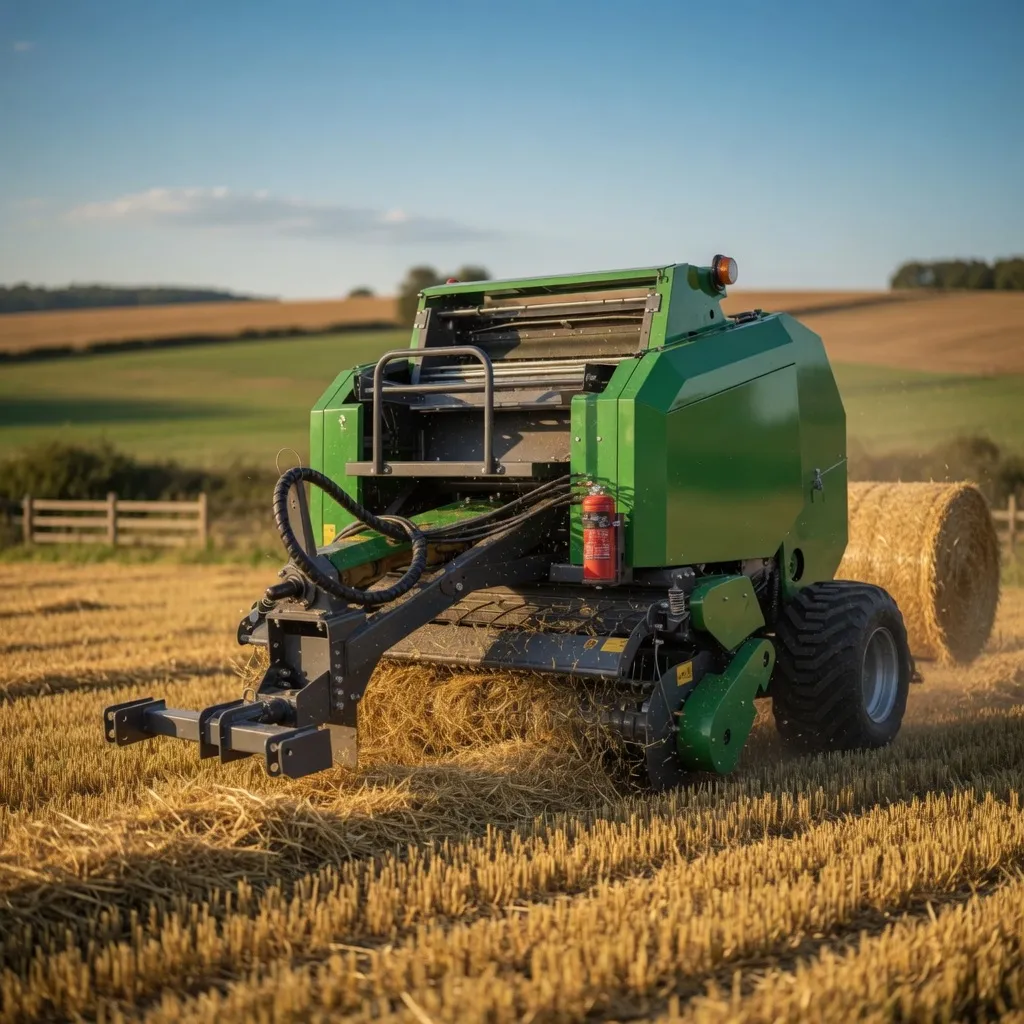
The most experienced beef drought managers treat every major rainfall event and subsequent pasture flush as a silage opportunity. When a La Niña delivers above-average spring rainfall across western NSW or southern Queensland and native pastures are carrying 4–6t DM/ha of standing grass, that’s a two-to-three-month window that will not come again until the next favourable season — which could be three or more years away. Beef producers who own their own baling equipment can move quickly when that window opens. Producers who rely on contractors often find themselves fifth or sixth in the queue when the whole district is trying to bale at the same time.
Opportunistic baling on beef stations differs from planned dairy silage in one important respect: crop DM at baling is often higher than ideal silage moisture, because the surplus pasture has frequently dried naturally in the field rather than being mown and wilted to a target DM. Baling at 65–75% DM produces a product closer to high-moisture hay than true fermented silage — but wrapped and sealed, it preserves well and maintains its nutritional value effectively for 6–12 months. For drought emergency purposes, this “high-DM silage” or “baleage” product is entirely fit for purpose. It ferments less actively than lower-DM silage, but the preservation from anaerobic film wrapping stops the oxidative degradation that would otherwise turn standing dry grass into nutritionally worthless stubble over summer.
When mowing and wilting conditions allow, targeting the 55–65% DM range produces better fermentation and higher ME content even on beef station silage. The EverPower 9GD-2.5 Single Blade Traction Mower is a robust, low-maintenance cutting option suited to the rougher terrain and variable sward heights typical of beef country — a more appropriate choice for many stations than the precision mower-conditioner units optimised for flat irrigated dairy pastures.
Drought-Fodder Crops: Planned Silage Production for Beef Stations
Opportunistic baling of native pasture surpluses is valuable, but the most strategically resilient beef stations supplement it with deliberately planted drought-fodder crops. Sorghum, hybrid forage sorghum, brown midrib (BMR) sorghum, hay oats, and forage triticale are the most commonly used species in NSW and Queensland beef country. Each has a different role in the feed calendar, and each produces silage with different characteristics that need to be understood before the crop is cut.
Highest DM yield of any summer fodder crop — up to 15–20t DM/ha in a good season. Bale at late-boot to early-head stage before the stem becomes overly fibrous. Prussic acid (HCN) risk during early growth is a management concern — allow regrowth to reach 60cm before cutting. Silage ME typically 9.0–10.5 MJ/kg DM.
Winter-planted annual crops that produce high-quality silage at relatively low cost. Best cut at stem elongation to early head emergence for maximum ME. Ideal for properties that need a planned winter-spring silage stockpile. Easily handled by mid-scale round balers — consistent, manageable crop with low prussic acid or toxin risk.
Japanese millet and forage millets are lower-cost, lower-input summer options that produce moderate-quality silage suited to dry-cow maintenance feeding. Native pasture silage (buffel, Rhodes grass, native paspalum) varies in quality but is highly valuable as a drought reserve when baled opportunistically during a flush season. Often the cheapest source of silage DM available on established beef stations.
Station Logistics: Moving, Storing, and Feeding Silage Bales
Beef stations operate at a different scale of paddock size, travel distance, and infrastructure density than intensive dairy farms. A paddock that produces silage might be 5 km from the nearest bale storage site on a large beef property, and the herd might be dispersed across multiple paddocks rather than assembled at a central feed pad. Bale logistics on beef stations therefore requires a different approach to transport, storage site selection, and daily feedout management.
Transport and Site Selection
On large properties, the practical approach is often to establish a small bale depot in each grazing zone rather than trucking all bales to a central storage site. A zone depot of 80–120 bales per mob grazing unit reduces daily feed delivery transport distance and keeps the telehandler working efficiently. The ground beneath each depot should be free-draining — on black soil country, this often means a gravel pad or sacrificial hard-ground paddock, as bale bases sitting in persistently wet soil will suffer film degradation and base spoilage within a single wet season.
Hay Baler Conveyor for Remote Paddock Operations
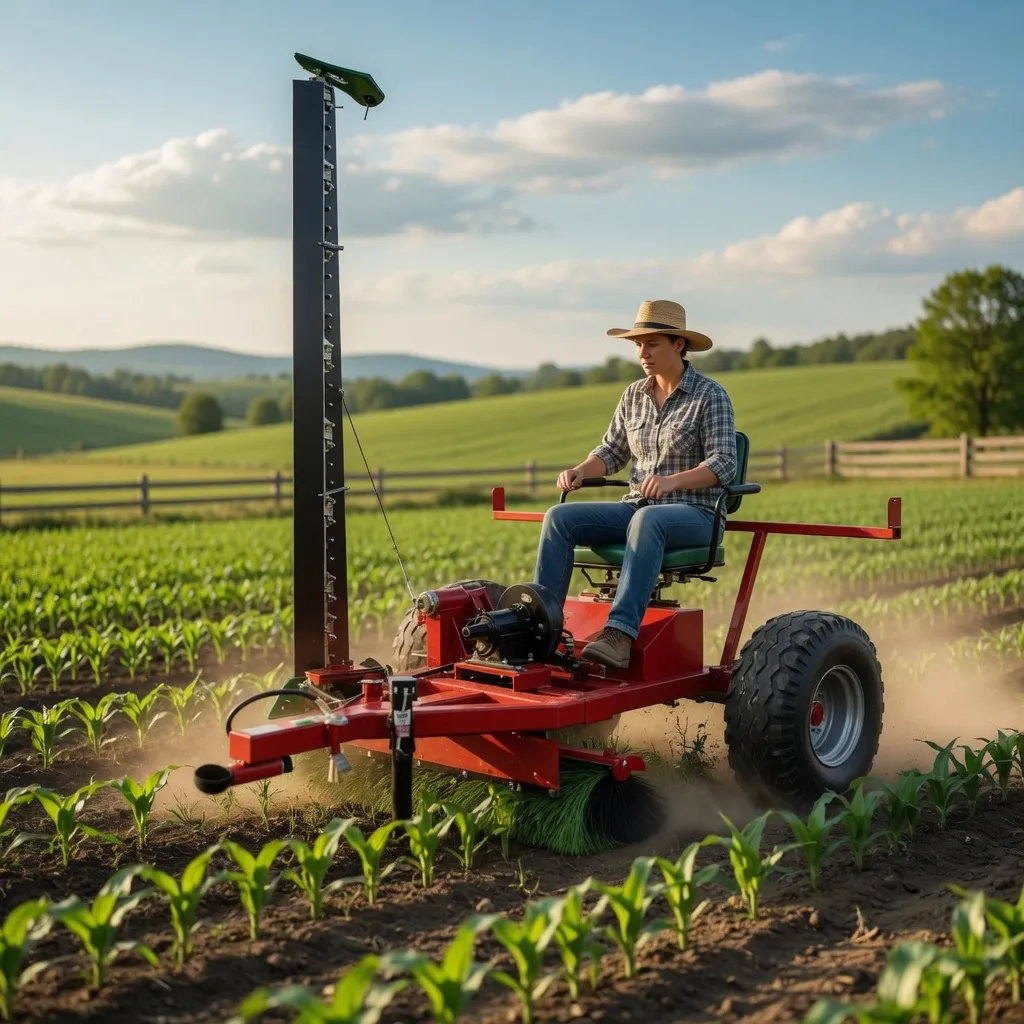
For beef stations baling across large areas where individual bale retrieval by telehandler is logistically demanding, the EverPower 9jyy-4.5 Hay Baler Conveyor enables bales to be transported from the paddock directly to the depot site in a single machine pass, reducing the number of tractor-and-loader trips needed per session. This type of equipment integration is particularly relevant for large stations where labour is a significant constraint and every reduction in machine movements per tonne of harvested silage reduces overall operational cost.
Herd Condition Management During Drought Feeding
The primary objective of drought feeding on a beef station is not to maintain peak production — it’s to prevent permanent reproductive and structural damage to the breeding herd that takes years to recover from. Cows that lose more than 1.5 body condition score (BCS) during drought will typically fail to cycle at the start of the next joining, calve late or not at all, and produce lower-birth-weight calves with reduced early vigour. The cost of rebuilding that reproductive performance is spread across multiple seasons — making the calculation of “how much to feed during drought” a much more important financial decision than it often receives at the time.
Good-quality silage bales — at 10.5–11.5 MJ ME/kg DM — can maintain a dry breeding cow in moderate body condition on 6–7 kg DM per day as a sole diet. If the silage quality is lower (native grass baleage at 8.5–9.5 MJ ME/kg DM), supplementary grain or protein meal may be required to maintain condition above BCS 2.5 in late pregnancy. The key management point is to test silage quality at 6–8 weeks post-baling and understand the ration’s energy density before assuming it will meet the herd’s requirements unassisted.
Silage bale feeding on beef stations is most efficient when managed in a controlled feed area rather than spread across a paddock. Simply rolling bales out in an open paddock generates 20–30% wastage from selective feeding, soil contamination as cattle trample into the bale face, and spoilage from the exposed bale surface that isn’t consumed within 48 hours. A simple temporary yard or feed fence that presents one bale face at a time reduces waste to under 8% and keeps the feeding area manageable for health monitoring purposes — an additional benefit that helps operators identify stressed cattle quickly during extended drought periods.
Silage vs Hay for Drought Reserves: A Practical Comparison
Many beef producers are more familiar with storing hay than silage, and the question of whether to invest in wrapped silage baling versus conventional hay baling for a drought reserve is a common one. The comparison isn’t one-sided — each format has genuine advantages in specific operational contexts.
| Factor | Wrapped Silage Bales | Conventional Hay Bales |
|---|---|---|
| Harvest weather window | Shorter (24–36hr wilt) | Longer (3–5 days dry) |
| Nutritional quality retained | Higher (less field loss) | Lower (bleaching, heat damage) |
| Storage cost | Film cost per bale ($5–12) | Shed or tarp cost |
| Open-air storage viability | Yes (film-sealed) | Significant quality loss |
| Suitability for wet/tropical conditions | Excellent | Poor (mould risk) |
For beef stations in northern Australia, sub-tropical Queensland, and high-rainfall coastal country, silage baling is almost always the superior drought reserve format — the humidity that deteriorates open-stored hay is exactly the condition under which wrapped silage performs well. For drier, continental-climate beef country in southern and inland NSW, hay can work well if storage is under cover, but the shorter harvesting weather window for silage (which is a disadvantage in reliable-dry-weather farming) becomes less of a constraint, and the superior nutritional quality of silage versus sun-bleached field hay often justifies the extra film investment.
When to Bale: Seasonal Timing for Beef Station Silage Programs
Timing is the most critical variable in producing high-quality silage on a beef station, and it is driven by pasture or crop growth stage rather than the calendar. The fundamental principle is to bale at maximum nutritional value before the plant shifts energy from leaves and stems into seed head development — after which leaf:stem ratio declines, fibre increases, and ME drops sharply.
For summer-dominant beef country in Queensland and northern NSW, the peak silage baling window for native tropical pastures typically falls between January and March — when seasonal growth has been capitalised and the bulk of standing biomass is still vegetative. For winter-dominant southern grazing country, the oat and triticale silage window is typically September to early October before the flag leaf emerges. Missing these windows by even two weeks can reduce ME by 0.8–1.5 MJ/kg DM — a meaningful nutritional step-down that affects the ration required to maintain herd condition during drought.
Beef producers who own their baling equipment have the critical advantage of being able to act within the window rather than around a contractor’s availability. When a pasture hits the right growth stage during a two-week opening of suitable weather, the ability to enter the paddock that morning rather than waiting for the contractor to become available is the single most important operational benefit of owning the equipment.
EverPower: Equipping Australian Beef Stations for Drought Resilience
EverPower Baling Machinery Australia Pty Ltd understands the distinct requirements of beef station silage programs. The product range spans from the compact 9YG-1.0 suited to smaller breeding operations through to mid-scale 1.25m balers and large 2.24m commercial units for major pastoral enterprises. Supporting equipment — mowers, rakes, wrappers, and bale transport — is available from the same NSW-based supplier, allowing beef producers to assemble a matched, season-ready silage chain without juggling multiple supplier relationships. Fast local parts supply and technical support from Condell Park means producers can access help quickly when the season is moving and machine time is irreplaceable.
27 Harley Crescent, Condell Park NSW 2200 ·
+61 2 9708 3322 ·
[email protected]
Frequently Asked Questions
27 Harley Crescent, Condell Park NSW 2200 | +61 2 9708 3322 | [email protected]
About Us | Contact Us