High-moisture silage crops — material baled below 50% dry matter — are where the gap between good silage and poor silage is widest, and where the contribution of equipment and management decisions is most visible in the final product quality. The problems that high moisture creates are not random. They follow directly from the physics of wet plant material under pressure and the biochemistry of fermentation in an environment that still has too much water. Understanding those problems specifically — rather than accepting “below 50% DM is hard” as a general warning — reveals exactly what needs to be managed, why, and with what equipment decisions.
Problem 1: Effluent — What It Is and Why It Matters
When high-moisture plant material is compressed under baling pressure, water is forced out of the cells in the form of effluent — a liquid that contains soluble sugars, proteins, and fermentation acids. This effluent is not simply water: it carries with it a significant proportion of the crop’s most nutritionally valuable components. Research on silage effluent composition consistently shows it carries soluble sugar concentrations several times higher than the surrounding bale material — meaning that every litre of effluent that drains from a high-moisture bale represents a direct loss of the fermentable substrate that drives good silage fermentation.
The practical threshold at which effluent loss becomes significant is below approximately 50% DM (50% moisture). Below this level, the water content of the plant cells exceeds the capacity of the cellular matrix to retain it under compression pressure, and free water begins to express from the bale. Below 45% DM, effluent production can be substantial — enough to cause visible draining from the bale within hours of baling if the film is punctured or insufficiently applied.
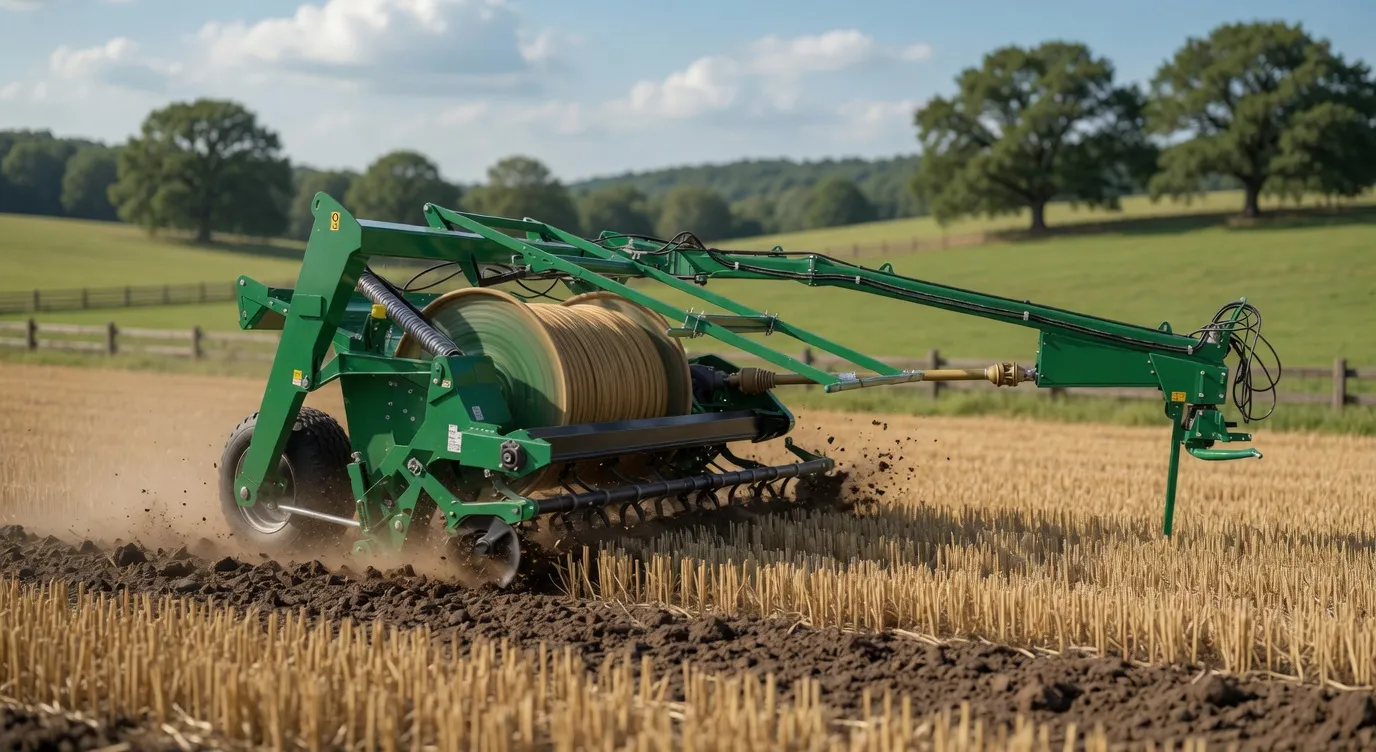
The solution to the effluent problem is not primarily an equipment solution — it is a harvest management solution. Wilting the crop to the correct DM target before baling eliminates the effluent problem at its source. The role of the equipment is to support this management decision: a mower-conditioner that accelerates wilting reliably, allowing the crop to reach target DM within a predictable 24–36 hour window, is what makes consistent DM management achievable in practice. A plain disc mower without conditioning is not this tool — it leaves the crop to dry on its own timeline, which in cool, overcast, or humid conditions can be 48–72 hours or more, during which field respiration continues depleting the crop’s fermentable substrate.
Problem 2: Butyric Fermentation — What Goes Wrong in a Wet Bale
Good silage fermentation is dominated by lactic acid bacteria (LAB), which consume water-soluble carbohydrates and produce lactic acid — dropping the pH and creating the stable, anaerobic environment that preserves the silage. Butyric fermentation is what happens when the pH drop is too slow or incomplete, allowing Clostridium bacteria to become established alongside or instead of LAB. Clostridium thrive in wet, high-pH conditions — exactly the conditions that a high-moisture bale presents in the initial fermentation period.
Clostridium fermentation produces butyric acid rather than lactic acid, consuming protein in the process and releasing ammonia. The result is a bale that smells strongly of rancid butter and ammonia at feedout, has significantly reduced ME, and will be refused or eaten only reluctantly by cattle. Sheep will typically refuse it entirely. The nutritional value that the original pasture or crop contained has been largely consumed by the bacterial fermentation process rather than preserved for the animal.
The conditions that lead to butyric fermentation in bale silage are well understood: baling at too high moisture (below 45% DM), soil contamination in the bale (which introduces Clostridium spores), and any delay in wrapping that allows initial aerobic deterioration to consume the crop’s fermentable sugars before LAB can establish. Each of these conditions can be addressed at a specific point in the harvest chain.
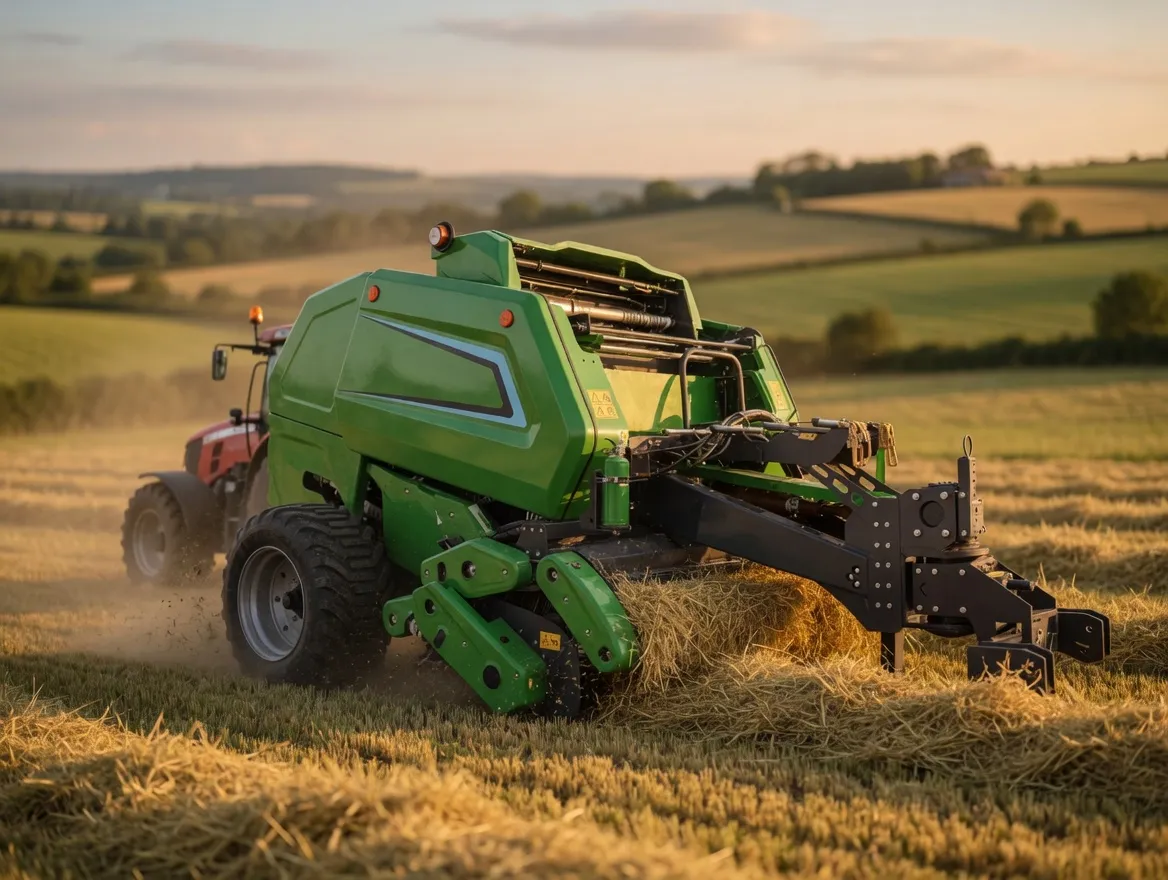
The wrapping delay problem is where baler-wrapper configuration directly intervenes. Every hour a high-moisture bale sits unwrapped is an hour during which aerobic bacteria are consuming the fermentable substrate that LAB need to rapidly drop pH and exclude Clostridia. A combined baler-wrapper eliminates this window entirely. The problem that causes butyric fermentation simply does not occur when every bale is wrapped within the same machine cycle as baling. This is not a marginal quality improvement on high-moisture crops — it is the difference between silage that ferments correctly and silage that undergoes clostridial deterioration.
Problem 3: Bale Stability Under High-Moisture Compression
A high-moisture bale straight off the machine is a structurally unstable object. The compressed wet material has not yet developed the density-memory that a dry hay bale has — it wants to expand, and it will expand if the film wrapping doesn’t adequately constrain it. Bales made below 45% DM are particularly prone to deformation in the first 24 hours after baling, when the material is still settling under its own weight and the fermentation gases generated in the initial aerobic phase are creating internal pressure.
The equipment solution to high-moisture bale instability is in two areas: net wrap application and film wrapping speed. Net wrap on a high-moisture silage bale needs to be applied with more rotations than on a dry hay bale — the additional wraps provide the structural containment that prevents the bale from deforming before the film is applied. A baler running a single net wrap rotation cycle on high-moisture silage will produce a bale that deforms significantly at ejection, making film wrapping inconsistent because the film is being applied to an irregular surface.
The film wrapping speed issue arises on standalone satellite wrappers when high-moisture bales are transported to the wrapper before they have stabilised. Moving a high-moisture bale in the first 30 minutes after baling — when the material is still settling — causes surface deformation that creates film bridging at the bale shoulders. Bridging creates air pockets under the film that become sites for aerobic spoilage. The combined machine eliminates the transport window that creates this problem — wrapping occurs at the bale’s most structurally consistent point, immediately after ejection from the chamber, before any deformation has occurred.
Problem 4: Machine Stress Under Sustained High-Moisture Load
High-moisture silage is significantly heavier than hay or dry straw at the same volume — and that additional weight is carried through every component of the baling system from the pickup tines through the rotor, the belts, the rollers, and the hydraulic density system. A baler running high-moisture silage continuously in a long season accumulates component wear faster than the same machine running dry hay for the same bale count. This is not a defect — it is physics — but it has specific maintenance implications that operators who move from occasional silage programs to sustained high-volume silage use need to understand.
Pickup tines on high-moisture silage experience different loading than on dry material — the wet, dense plant material doesn’t spring away from the tines after pickup but tends to adhere and create a continuous pulling load on each tine through the rotation cycle. Tines that are at the end of their elastic range — slightly straightened from previous use — are more likely to bend or break under this sustained load than fresh tines would be. A tine inspection before every high-moisture silage season, with replacement of any tine that is more than 5 degrees out of the original geometry, is cost-effective maintenance that prevents the more expensive pickup reel damage that occurs when a fractured tine jams in the pickup mechanism.
The hydraulic system on a variable chamber baler experiences higher sustained pressure during high-moisture silage than on hay or straw, because the density setting is at its upper range for silage applications. Hydraulic seals, hose connections, and the density control valve all experience more total pressure-time loading in a silage season than in a hay season. Checking hydraulic system integrity — hose condition, connection tightness, fluid level and colour — before a high-moisture silage program, rather than waiting for the annual service, prevents the mid-season hydraulic failure that costs more in downtime than the 15-minute pre-season inspection would have taken.
Problem 5: Film Wrapping Adhesion on Wet Bale Surfaces
Stretch film adheres to silage bale surfaces through a combination of mechanical grip (the film stretches over surface irregularities and grips them) and tackiness (modern silage films are formulated with tackifier additives that improve film-to-film and film-to-crop adhesion). On a dry hay bale, tackiness is relatively unimportant — the dry surface provides good mechanical grip and the film adheres reliably. On a high-moisture silage bale, the wet surface provides less mechanical grip and the tackifier’s performance becomes more significant.
The film specification most relevant to high-moisture silage is the tackifier formulation — which varies between film grades and between manufacturers. Films designed for high-moisture silage applications contain tackifier concentrations optimised for wet surface adhesion; economy or general-purpose films may underperform on high-moisture bale surfaces, particularly at the bale shoulder transitions where the film needs to stretch over a curved surface change and maintain adhesion without bridging.
The pre-stretch setting on the wrapper also affects film adhesion on wet surfaces. At the correct pre-stretch ratio (typically 55–70%), the film’s molecular structure is optimally aligned for both elasticity and tackiness. Under-stretched film is too loose to grip the wet surface consistently. Over-stretched film has exceeded its elastic limit and becomes brittle — it may appear to cover the bale correctly but will fail to maintain adhesion under the surface pressure variations caused by fermentation gas generation in the first 24 hours after baling.
Using EverPower-supplied film with EverPower wrapping machines eliminates the film-to-machine compatibility question. The pre-stretch settings on EverPower wrappers are calibrated against the specific film grades available through the EverPower NSW supply chain — which means the tackifier concentration, thickness, and pre-stretch characteristics are matched to the machine’s tension system. Using off-brand film on any wrapper creates a compatibility variable that may manifest as adhesion problems on high-moisture silage even when the machine is correctly set.
The Inoculant Decision on High-Moisture Silage
For farmers who consistently operate near or below the 50% DM threshold — whether by crop type, because of unreliable wilting weather, or because the silage program prioritises yield over waiting for ideal DM — an inoculant is one of the most cost-effective interventions available. On high-moisture crops, the natural LAB population and water-soluble carbohydrate substrate that support self-fermentation on well-wilted ryegrass are under greater competitive pressure from undesirable bacteria. An inoculant provides a concentrated, selected LAB population at the point of baling, giving the desirable fermentation a head start over the Clostridium competitors.
The inoculant type matters. Homo-fermentative strains (Lactobacillus plantarum) are the correct choice for accelerating pH drop in high-moisture material — they produce lactic acid efficiently and competitively, driving pH down before Clostridium can establish. Heterofermentative strains (Lactobacillus buchneri) are better suited to improving aerobic stability at feedout rather than addressing the initial fermentation problem. On high-moisture silage where butyric fermentation risk is the primary concern, a homo-fermentative inoculant is the appropriate choice.
Application method matters too. Inoculant applied to the windrow ahead of the pickup provides the most consistent distribution through the bale — the material is mixed as it feeds through the pickup and rotor, distributing the inoculant through the crop before it is compressed. Inoculant applied as a spray at the bale face after wrapping has very limited penetration and is essentially ineffective. Baler-mounted inoculant injection systems that apply directly at the pickup are available and provide the most reliable application, but windrow application immediately before baling with a purpose-built windrow inoculant applicator is nearly as effective and simpler to manage operationally.
The DM Testing Habit: The Single Best Tool for High-Moisture Management
Every management decision discussed in this article — wilting time, inoculant use, wrapping urgency, film layer count — depends on knowing the actual DM of the crop at baling. Estimating DM by visual inspection or by touching the windrow is unreliable in all but the most obvious cases. Crops that look ready are frequently still too wet, and crops that look slightly dry are occasionally in the correct range. The only reliable method is measurement.
The microwave oven field test — taking a small crop sample, weighing it, drying it to a constant weight in a microwave, and calculating the DM percentage from the weight difference — provides reliable field-level DM estimates in under 10 minutes. This test costs nothing beyond the time it takes and is the foundation of disciplined DM management on any silage program. Farms that use it consistently — testing every paddock before baling commences, rather than assuming — achieve more consistent DM targets and produce fewer batches of out-of-range silage that require remedial management downstream.
The target DM range for high-quality silage is 50–65% DM. Within this range, fermentation is reliable, effluent loss is minimal, bale stability is good, and the film wrapping system can apply adequate adhesion without difficulty. Below 45% DM, each of the problems described in this article becomes significantly more pronounced. Above 65% DM, the material is approaching hay moisture levels and fermentation becomes unreliable — the crop preserves partially by desiccation rather than by anaerobic fermentation, producing variable quality that is difficult to predict. The 10 minutes spent testing DM before each baling session is the most valuable 10 minutes in the high-moisture silage management calendar.
Choosing Between Combined and Standalone Baler-Wrapper for High-Moisture Programs
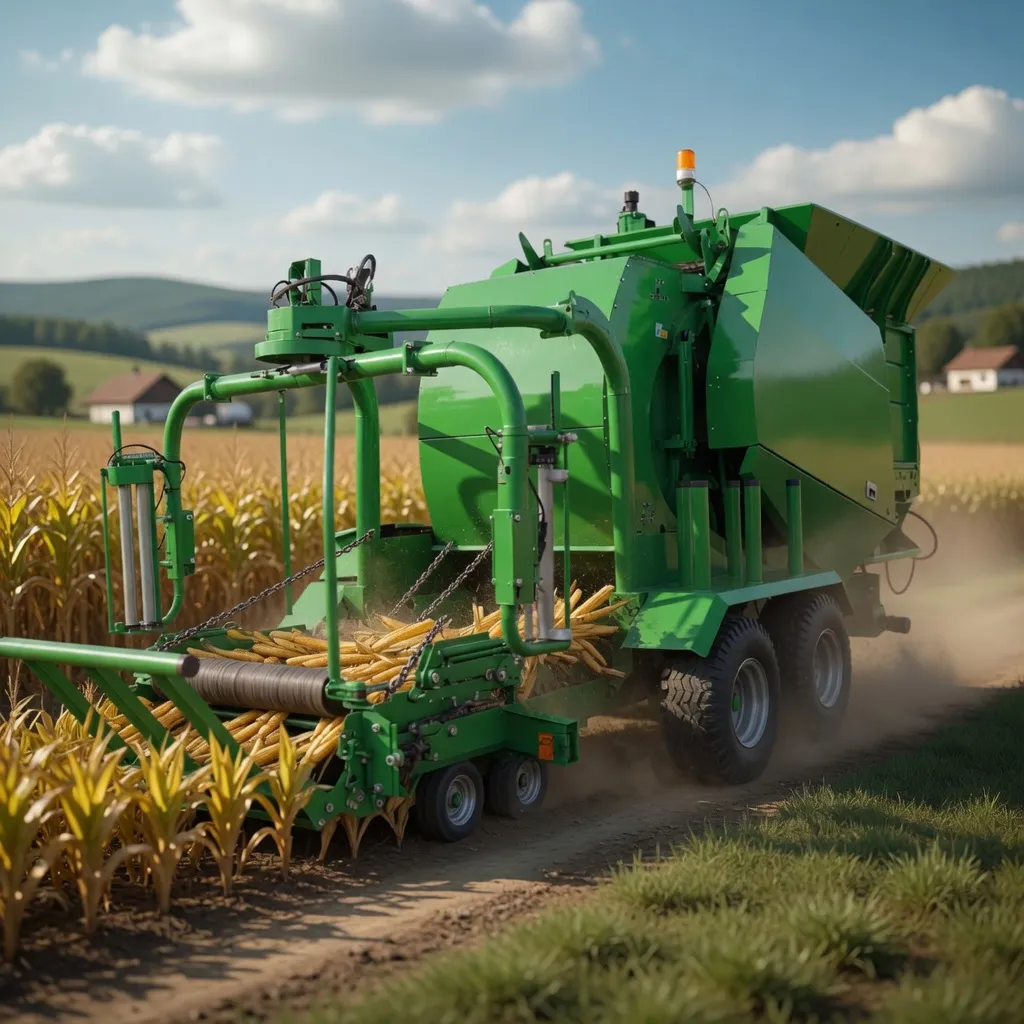
The case for a combined baler-wrapper is strongest on high-moisture silage programs — stronger than on any other application — because the problems that high moisture creates are all made worse by the bale-to-wrap delay, and a combined machine is the only equipment configuration that eliminates that delay structurally rather than relying on operational management discipline to minimise it.
The practical evaluation for farms running predominantly high-moisture silage is: what is the cost of a butyric fermentation batch versus the cost of a combined machine, amortised over the working life? A single season of clostridial silage on a 500-cow dairy farm — where the compromised silage forces higher grain supplementation, reduces milk production, and requires early feedout of the compromised bales to minimise further losses — can easily cost $15,000–$30,000 in downstream feed management costs. Against this risk, the capital investment in a combined machine looks very different than it does on a theoretical cost-benefit sheet.
Farms that run high-moisture silage primarily in spring, when temperatures are moderate and wrapping can be reliably managed within 4 hours with a standalone wrapper and a disciplined operation, may find that the combined machine’s additional capital cost is not justified by the quality risk profile. Farms that run high-moisture silage in summer — where ambient temperatures can push aerobic deterioration of unwrapped bales to significant levels within 2 hours — are in a different risk environment, and the combined machine’s structural protection against wrapping delay carries commensurately higher value. EverPower’s NSW team can walk through this evaluation with specific farms based on their silage calendar, crop types, and operating conditions.
EverPower Equipment for High-Moisture Silage Programs
EverPower Baling Machinery Australia Pty Ltd supplies the equipment chain that supports high-quality high-moisture silage outcomes: the 9GQY-3.2 Mower-Conditioner for wilting acceleration, the 9YG series round balers with hydraulic density systems calibrated for high-moisture load, the 9YCM-850 film wrapper with consistent pre-stretch tension management, and the combined baler-wrapper configurations for operations where immediate wrapping is the critical quality requirement. The NSW-based team is available to discuss specific high-moisture silage challenges — whether the question is equipment configuration, DM management, or inoculant decision — with the practical context of Australian crop conditions rather than generic advice.
EverPower Baling Machinery Australia Pty Ltd
27 Harley Crescent, Condell Park NSW 2200
+61 2 9708 3322
[email protected]
Frequently Asked Questions
27 Harley Crescent, Condell Park NSW 2200 | +61 2 9708 3322 | [email protected]
About Us | Contact Us