The difference between excellent silage and expensive compost often comes down to a single variable: the moisture content of the forage at the moment it enters the round baler chamber. Too wet, and the bale leaks effluent, ferments poorly, and breeds Clostridial bacteria that make the silage unpalatable and potentially harmful to livestock. Too dry, and the bale traps residual oxygen that allows mould to establish before anaerobic conditions can take hold. The safe baling window is well-defined by forage science, but hitting that window consistently in the paddock requires both measurement discipline and an understanding of what happens biologically when you miss it.
The Optimal Moisture Range for Bale Silage
The target moisture window for round-bale silage production falls between 45 and 65 percent moisture content on a wet basis. Within this range, the forage carries enough moisture to support vigorous lactic acid fermentation while remaining dry enough to bale cleanly, hold its shape under net wrap, and avoid the effluent drainage that indicates excess free water. The sweet spot for most grass and cereal silages in Australian conditions is 50 to 55 percent — the point where fermentation is fastest, bale density is highest, and the risk of both wet-side and dry-side quality failures is minimised.
This range is not a loose guideline; it is a biological boundary defined by the behaviour of the microorganisms responsible for preservation. Lactic acid bacteria thrive in this moisture range because the water activity is high enough for bacterial growth but not so high that competing Clostridial organisms dominate the fermentation. Outside this range, the microbial population shifts, the fermentation pathway changes, and the preservation outcome deteriorates in predictable and costly ways.
What Happens When You Bale Too Wet
Baling forage above 65 percent moisture introduces a cascade of problems that begin at the chamber and persist through storage. The first visible symptom is effluent — free water squeezed from the forage during compression that drains from the bottom of the bale, pools beneath the wrapping film, and leaches out through any imperfection in the film seal. This effluent carries soluble sugars and proteins that were meant to fuel fermentation, so the bale loses the very substrates that lactic acid bacteria need to drop pH quickly.
With reduced sugar supply and excessive moisture, the fermentation shifts from the desirable lactic acid pathway toward butyric acid production driven by Clostridial bacteria. Butyric fermentation produces silage with a strong, rancid odour, low palatability, and reduced nutritional value. Livestock typically refuse butyric silage or consume it at reduced intake levels, which translates directly into lower milk yield for dairy herds and slower liveweight gain for beef cattle. The economic loss from butyric silage is not just the wasted feed value — it includes the downstream production losses from reduced animal performance.
The mechanical consequences of wet baling are also significant. Excessively wet forage is heavier, placing greater load on the pickup, the chamber drive, and the PTO system. The material tends to wrap around rollers rather than flowing through the chamber, causing blockages that require clearing. Net wrap adhesion is compromised on wet material, increasing the risk of net failure during the transfer to the wrapping station or during bale handling. The silage baler itself suffers accelerated wear on bearings and belts when operating consistently in wet conditions above the design specification.

What Happens When You Bale Too Dry
Baling below 40 percent moisture creates a different category of quality failure, but one that is equally costly. Dry forage contains too little water to support the rapid lactic acid fermentation that drops pH and preserves the feed. Without that pH drop, the bale interior remains at a near-neutral pH where spoilage organisms — particularly moulds and yeasts — can establish and grow.
The mechanical issue with dry baling is that brittle, low-moisture material does not compress as tightly as material at silage moisture. The bale contains more trapped air pockets between the dry stems, and those air pockets mean residual oxygen remains inside the wrapped bale even after the film is applied. Mould requires oxygen to grow, and the pockets of residual air provide exactly the conditions that mould needs to establish colonies within the bale. The result is visible mould growth, typically concentrated in the centre and at the flat ends of the bale where air entrapment is greatest.
Additionally, dry material is more abrasive on machine components. The fine, brittle stems generate dust that enters bearings, chain drives, and the net wrap mechanism. Over a full season of dry-side baling, this abrasive dust accelerates component wear measurably compared with baling at the correct moisture target. If the forage has passed below 40 percent moisture and the goal was silage, the practical option is to continue drying to hay moisture (below 15 percent) rather than attempting to wrap dry material as silage. The same round baler produces both products; the decision is which preservation pathway the current moisture content supports.
How to Test Moisture in the Paddock
Relying on visual assessment or the squeeze test to determine moisture content introduces a margin of error that routinely exceeds 10 percentage points — enough to place the forage on the wrong side of the quality boundary without the operator knowing until the bales are opened weeks later. Accurate field measurement is essential, and three practical methods are available to Australian farmers and contractors.
Crop-Specific Moisture Boundaries
While the 45 to 65 percent moisture range applies broadly to all bale silage, individual crop types have narrower optimal windows within that range. The differences reflect each crop’s stem structure, sugar content, and fermentation behaviour under varying moisture conditions.
| Crop | Too Dry | Optimal Silage | Too Wet | Dry-Side Risk |
|---|---|---|---|---|
| Ryegrass | < 42% | 45–55% | > 62% | Mould in core |
| Lucerne | < 45% | 50–60% | > 65% | Leaf shatter loss |
| Oats / cereals | < 43% | 50–55% | > 62% | Mould + dust |
| Sorghum | < 48% | 55–65% | > 70% | Void formation |
| Clover / vetch | < 43% | 50–55% | > 62% | Poor fermentation |
Weather, Wilting, and Hitting the Window
The moisture content of a mown windrow changes continuously after cutting, driven by ambient temperature, relative humidity, wind speed, and solar radiation. In ideal Australian spring conditions — 18 to 25°C, moderate wind, low humidity — a ryegrass windrow can lose 3 to 5 percentage points of moisture per hour during peak drying conditions. That rate means the difference between “too wet” at 68 percent and “optimal” at 52 percent is roughly 4 to 5 hours of additional wilting.
The practical challenge is that wilting rates are not constant. They slow dramatically in the evening, during overcast periods, and as the windrow moisture approaches the hygroscopic equilibrium with the ambient air. A windrow that was drying at 4 percent per hour in the afternoon may lose only 0.5 percent per hour overnight. This non-linear drying curve is why morning moisture testing is essential on the day of baling: conditions that appeared promising the previous afternoon may not have delivered enough overnight drying to reach the target. Starting the silage baler machine before confirming moisture is the most common cause of quality failure in otherwise well-managed silage programmes.
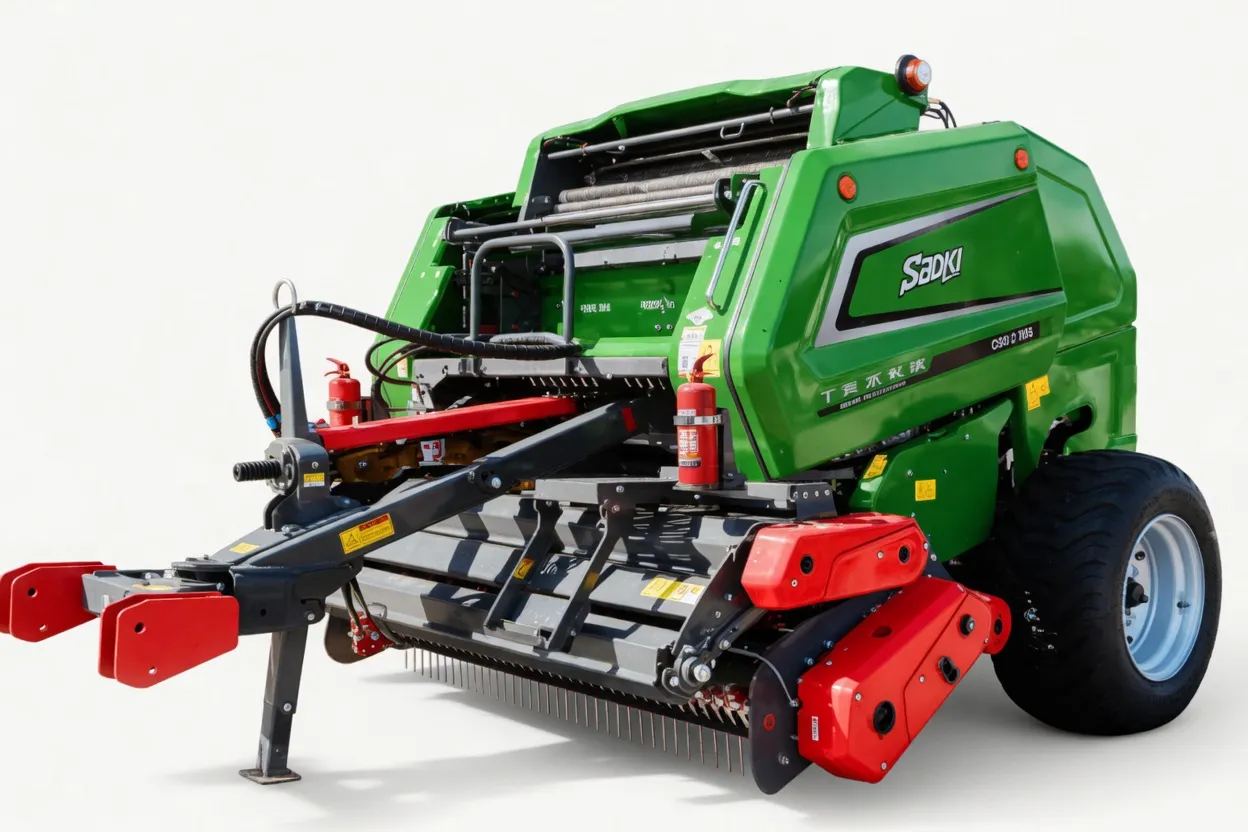
Recommended Product: EverPower 9YG-2.24D S9000
For operations where moisture management is critical because the baling programme spans multiple crop types and the paddock conditions vary across the property, the EverPower 9YG-2.24D (S9000) provides the chamber engineering and pickup capacity to handle the full 45 to 65 percent moisture range without performance variation. The variable chamber adjusts compression pressure automatically as material density changes with moisture content, maintaining consistent bale shape and density whether the windrow is at the dry end or the wet end of the acceptable window. The reinforced pickup handles the heavier windrow weights that higher-moisture forage produces without stalling or blockage.
Related reading: See how to manage high-moisture crops through the baler-wrapper system: How to Handle High-Moisture Silage Crops with a Baler Wrapper.
EverPower Baling Machinery Australia Pty Ltd
27 Harley Crescent, Condell Park NSW 2200
+61 2 9708 3322
[email protected]
Frequently Asked Questions
27 Harley Crescent, Condell Park NSW 2200 | +61 2 9708 3322 | [email protected]
About Us | Contact Us