Silage spoilage is not random bad luck. Every spoiled bale can be traced to one or more specific failures in the production or storage process. Understanding these failure points — and how proper equipment and technique prevent each one — is the difference between a feed reserve that sustains production and an expensive pile of waste.
Cause 1: Oxygen Ingress Through Film Damage
The most common cause of spoilage in wrapped bale silage is oxygen entering through holes, tears, or punctures in the stretch film. Every perforation — from bird pecks, rodent bites, handling damage, or stubble punctures — admits atmospheric oxygen that reactivates aerobic spoilage organisms inside the bale. These organisms (moulds, yeasts, and aerobic bacteria) consume the organic acids that were preserving the silage, raise the pH, and create visible mould growth and off-odours within days of the breach. A single 10mm hole can produce a spoilage zone of 200 to 300mm diameter within two weeks. The prevention lies in both the quality of the initial wrap (sufficient layers, correct pre-stretch, no trapped air) and the storage practices that protect the film after wrapping (proper site preparation, bird deterrence, careful handling, regular inspection and repair).
Cause 2: Insufficient Film Layers
Even undamaged film is not perfectly impermeable. All polyethylene stretch films allow some oxygen transmission through the film wall, measured as oxygen transmission rate (OTR). With only 2 layers of standard 25-micron film, enough oxygen diffuses through the film wall over weeks and months to support surface spoilage — particularly in hot conditions where OTR increases. Four layers reduce the cumulative oxygen ingress to levels where surface spoilage is limited to 2 to 5 percent of bale volume. Six layers reduce it further, making 6-layer wrapping the standard recommendation for bales stored longer than 9 months or in high-UV, high-temperature environments. A bale wrapper machine with adjustable layer count allows the operator to match the wrapping specification to the storage plan for each batch.
Cause 3: Baling at Incorrect Moisture
Forage baled above 65 percent moisture produces effluent, supports Clostridial bacteria that generate butyric acid (the rancid-smelling compound that makes silage unpalatable), and creates conditions where the pH may never drop to the stable preservation target. Forage baled below 40 percent moisture contains too little water for effective lactic acid fermentation and traps air pockets that support mould growth inside the bale. Both situations produce spoiled silage despite intact wrapping, because the spoilage pathway operates inside the bale where the film cannot reach. The baler and wrapper preserve what the moisture conditions allow — they cannot compensate for material that was baled outside the 45 to 65 percent moisture window.
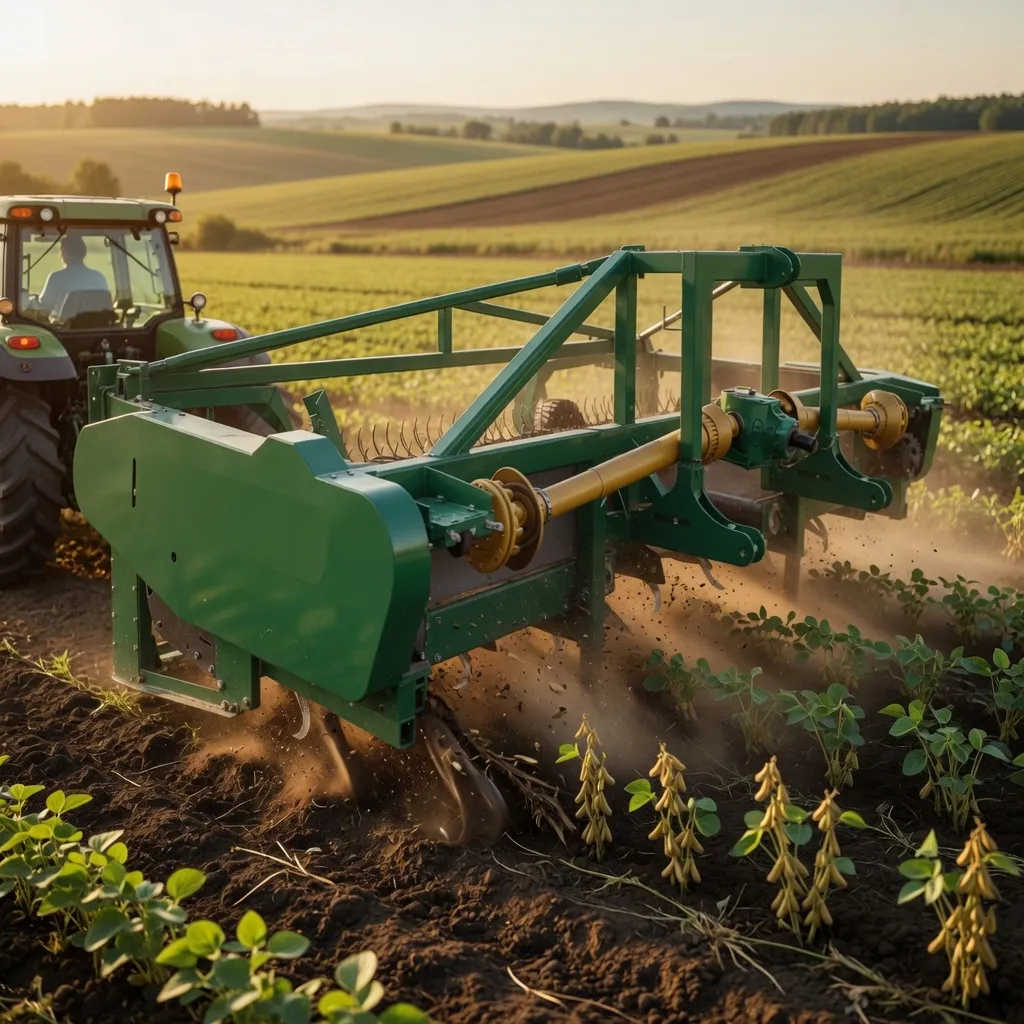 Every spoiled bale traces back to one of five identifiable causes — correct baling, wrapping, and storage eliminates all five
Cause 4: Delayed Wrapping After Baling
Every hour between bale ejection and film application is an hour of unrestricted aerobic activity inside the bale. The plant cells and aerobic microorganisms on the forage surface consume sugars, generate heat, and create conditions that favour spoilage organisms over the beneficial lactic acid bacteria. Bales wrapped within 2 hours of baling consistently produce higher-quality silage (lower final pH, higher lactic acid, less surface spoilage) than bales wrapped at 4 to 6 hours. Bales left overnight without wrapping may already have experienced sufficient aerobic degradation to compromise preservation regardless of how well they are wrapped the following morning. The combined baler wrapper eliminates this risk entirely by wrapping each bale within seconds of ejection from the chamber.
Cause 5: Low Bale Density and Trapped Air
A loosely formed bale contains more air pockets between the stems than a tightly compressed bale. These air pockets hold residual oxygen that feeds mould growth even inside an intact wrapper. High bale density is achieved through correct chamber pressure settings, adequate PTO speed, and baler belts that are in good condition and properly tensioned. The silage baler machine is the tool that creates the density; the wrapper then seals it. If the baler produces a loose, airy bale, the wrapper cannot compensate — the oxygen is already inside. This is why bale formation quality and wrapping quality are equally important and why maintaining the baler in good mechanical condition is a direct spoilage prevention measure.
How the Baler Wrapper System Addresses All Five Causes
A well-maintained baler-wrapper system, operated correctly, addresses each of the five spoilage causes simultaneously. The baler produces dense, well-formed bales that minimise trapped air (Cause 5). The wrapper applies multiple layers of stretch film at correct pre-stretch to create a robust oxygen barrier (Causes 1 and 2). Wrapping immediately after baling eliminates the aerobic exposure window (Cause 4). And the moisture testing discipline that accompanies professional baling operations ensures the forage is within the safe moisture range before it enters the chamber (Cause 3). The system works as an integrated chain: each component addresses a specific spoilage vector, and the quality of the final product reflects the weakest link.
Recommended Product: EverPower 9YCM-850 Bale Wrapper
The EverPower 9YCM-850 Bundling Film Wrapping Machine addresses the wrapping-related spoilage causes with adjustable layer count (2 to 8 layers), controlled pre-stretch ratio, and compatibility with both 500mm and 750mm film widths. The turntable design provides consistent, even coverage across the bale surface, and the loading system minimises film damage during the bale transfer from ground to turntable.
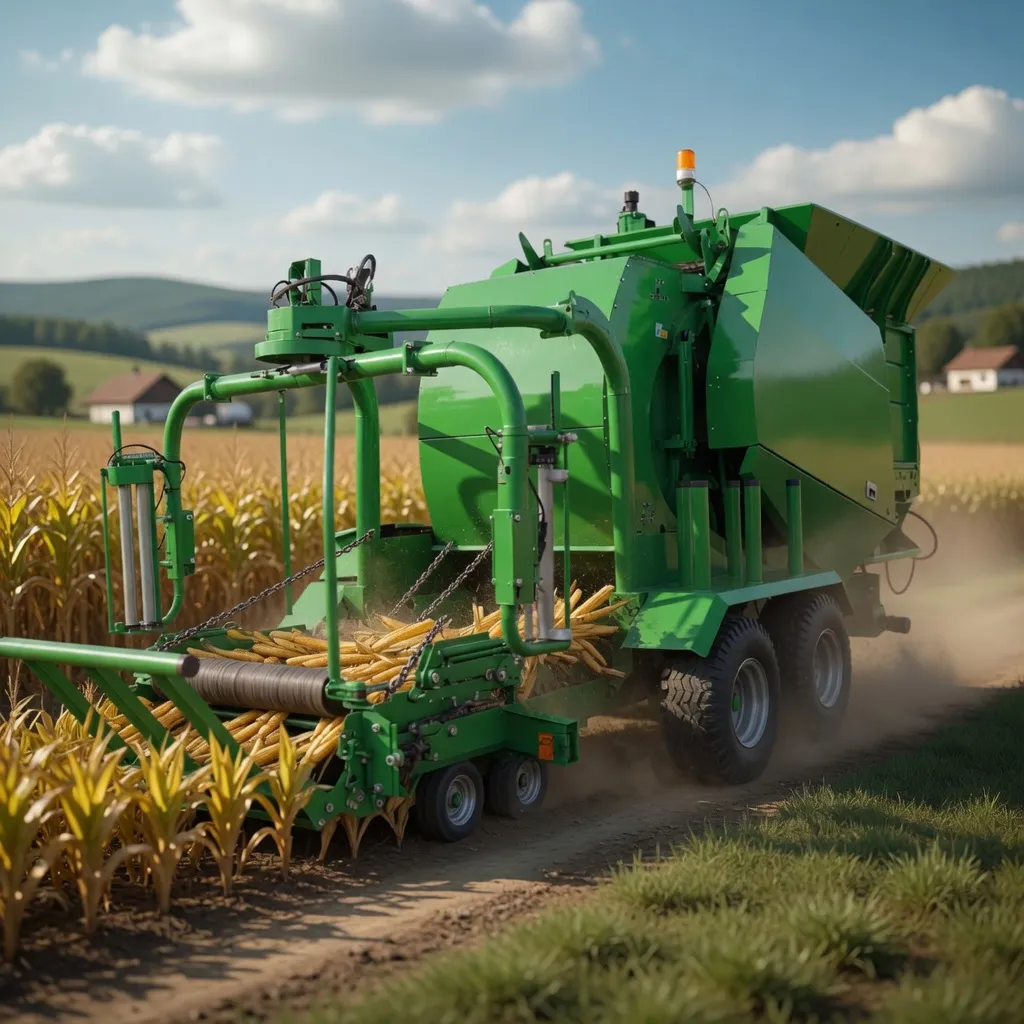
Related reading: See how beef cattle stations protect feed through drought with proper silage baling: Silage Baling for Beef Cattle Stations: Keeping Herds Fed Through Drought.
EverPower Baling Machinery Australia Pty Ltd
27 Harley Crescent, Condell Park NSW 2200
+61 2 9708 3322
[email protected]
Frequently Asked Questions
27 Harley Crescent, Condell Park NSW 2200 | +61 2 9708 3322 | [email protected]
About Us | Contact Us