
Most Conveyor Problems Have a 5-Minute Fix — If You Know Where to Look
A hay baler conveyor that develops a problem mid-session creates pressure to keep going with a marginal machine rather than taking the time to diagnose and fix properly. An operator who knows the cause of each common fault can assess in 60 seconds whether the problem is a 5-minute field fix or a workshop repair, make the right call, and either get the belt running correctly or make the decision to stop safely before a minor issue becomes a major failure. This guide covers the eight most common problems on the 9JYY-4.5 in Australian hay operations, in order of frequency, with the specific cause of each and the field correction that resolves it. Most of these problems require no tools beyond what is in a standard farm ute tool kit.
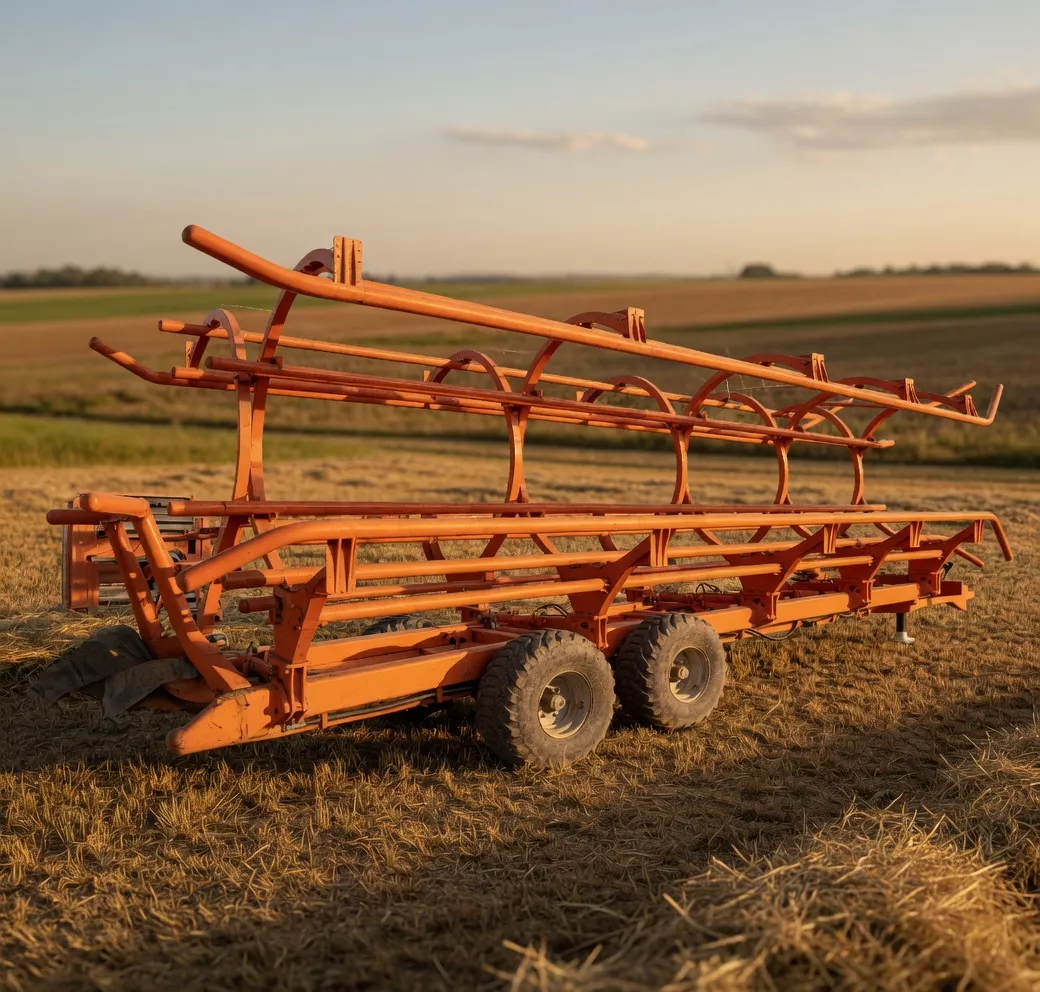
Most 9JYY-4.5 problems are diagnosable in under 60 seconds and fixable in under 5 minutes — knowing the cause before the problem occurs is what makes the difference between a quick fix and a frustrating delay.
Problem 1: Belt Drifts to One Side
Cause: The tension roller is not parallel to the drive roller — one side is set further back than the other, which steers the belt toward the closer side. Also caused by uneven belt wear from a previous session of off-centre tracking.
Field fix: With the belt running empty, identify which side it is drifting toward. Turn the tension adjustment bolt on that side of the lower roller clockwise by one quarter turn (this moves that side of the roller rearward, steering the belt back toward centre). Wait 15 seconds and observe. If still drifting, make another quarter turn on the same side. Do not make large adjustments or corrections on both sides simultaneously.
Problem 2: Belt Slips Under Bale Load
Cause: Belt tension too loose — the belt cannot grip the drive roller under the load of one or more bales. Also caused by hay dust, chaff, or plant sap on the drive roller surface reducing friction between belt and roller.
Field fix: Stop the belt. Clean the drive roller surface with a dry brush to remove accumulated material. Re-tension the belt by turning both tension bolts clockwise equally by half a turn. Run empty to confirm tracking is still central after re-tensioning. Test with a single bale before resuming normal operation. If slipping continues despite correct tension, the drive roller surface may be worn smooth — contact EverPower for a replacement roller.
Problem 3: Motor Overheats and Trips
Cause: Motor thermal protection activating because the motor is overloaded, overheated from a blocked cooling vent, or operating on an undersized extension lead that causes excessive voltage drop.
Field fix: Allow the motor to cool for 10–15 minutes before restarting (thermal cutout will reset automatically when cool). While waiting: check the motor housing vents for packed hay dust and clear with compressed air or a brush. Confirm the extension lead is rated at least 10 A and is fully unrolled. Confirm bales are within the 35 kg weight limit — wet hay bales can significantly exceed this. If the motor trips repeatedly after these checks, the motor may have a winding fault — contact EverPower.
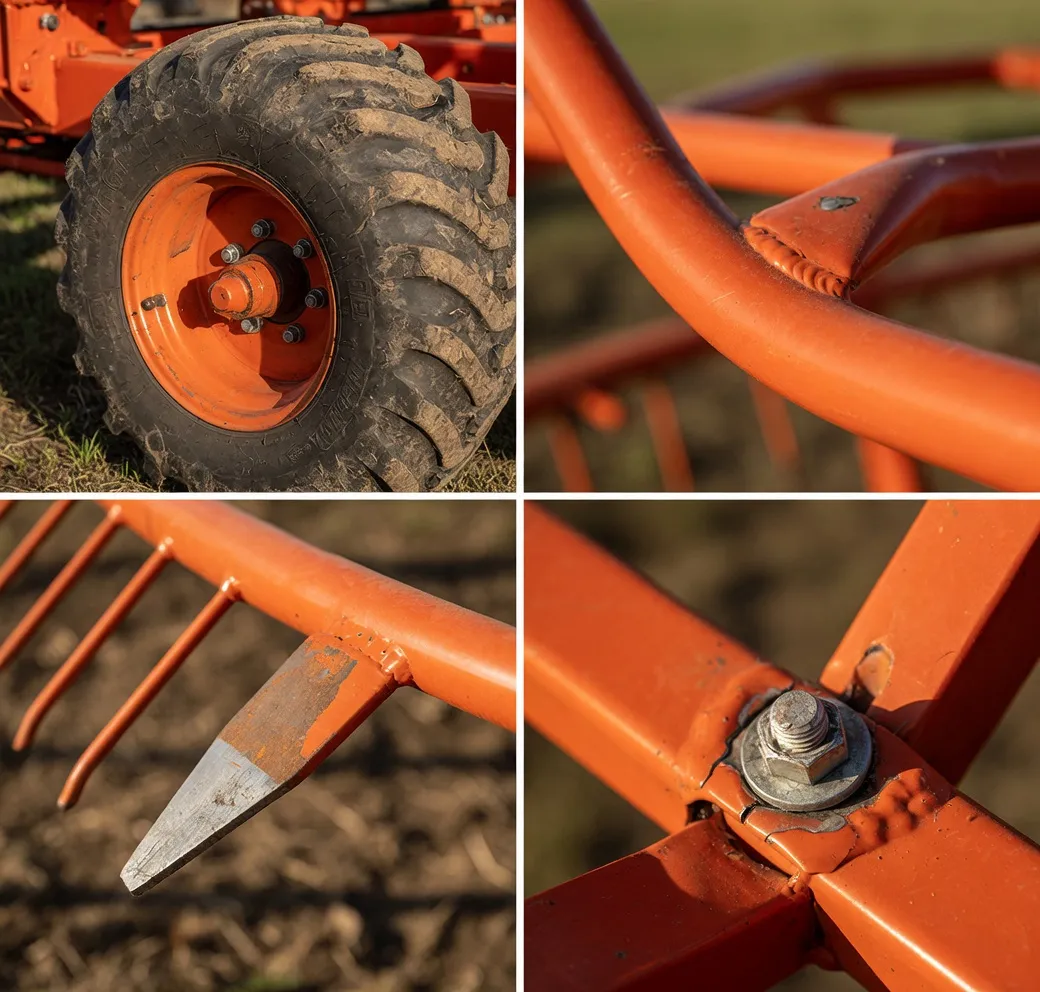
Motor overheating is almost always caused by one of three things: overloading, ventilation blockage, or an undersized extension lead. All three are checkable and correctable in under 5 minutes.
Problem 4: Bales Sliding Back Toward the Feeder
Cause: Operating angle too steep — above approximately 38 degrees, dry lightweight bales lose traction against the belt surface and slide back. Also occurs when belt speed drops due to slipping, reducing the upward momentum that keeps the bale moving.
Field fix: Reduce the operating angle by lowering the upper end support by 200–300 mm. Confirm belt tension is correct (see Problem 2 above). If the required stack height demands a steep angle, wet the belt surface lightly with water — this temporarily increases bale-to-belt friction for lightweight hay. For a permanent solution at steep angles, consider lath strips fixed across the belt width at 300 mm intervals to provide positive bale retention — contact EverPower for this modification option.
Problem 5: Belt Edge Fraying
Cause: Belt running off-centre — the belt edge contacts the frame rail, which abrades the edge fabric on every revolution. A belt that has been running off-centre for more than one session will show visible edge damage.
Field fix: Correct belt tracking (Problem 1 above). Minor fraying less than 10 mm from the edge can be trimmed with a sharp knife to prevent further unravelling — run the trimmed edge through one full revolution before operating to confirm the cut edge is clean and not catching on the frame. Fraying that extends more than 20 mm from the belt edge indicates the belt reinforcement fabric is involved — replace the belt before the next use session.
Problem 6: Bales Tipping Sideways Mid-Belt
Cause: Bales placed on edge (narrow face down) at a steep angle — the high centre of gravity combined with the belt inclination causes forward or sideways tipping before the bale reaches the top. Also occurs with bales that have a rounded top profile (common with net-wrapped bales) placed flat — the rounded top causes the bale to rock sideways.
Field fix: Switch from on-edge to flat placement for the remainder of the session. Reduce operating angle by 3–5 degrees if bales continue to tip at 30 degrees. For net-wrapped bales with rounded profiles, position the flat bale ends (where twine or net wrap is tighter) toward the sides of the belt rather than facing up and down — this provides a more stable flat base contact with the belt surface.
Problem 7: Roller Bearing Noise
Cause: Roller bearing showing early wear — the characteristic sound is a cyclical grinding or roughness that repeats at the roller’s rotation frequency. Agricultural environments introduce hay seed and dust into bearing housings even on sealed bearings, particularly if the seals are damaged or aged from UV exposure during off-season outdoor storage.
Field fix: A bearing in early wear can continue operating for the remainder of the current session — monitor for any increase in noise level or any lateral play developing in the roller. Do not continue operating if the noise becomes severe or if lateral play is detected — a seized bearing can tear the belt in the time it takes to shut down the motor. Order a replacement bearing kit from EverPower and replace before the next use session.
Problem 8: Belt Stops But Motor Continues Running
Cause: Drive belt or chain between the motor and drive roller has slipped off the sprocket, or the belt is jammed against a foreign object (bale string, hay twine, piece of wire) caught between the belt and a roller.
Field fix: Stop the motor immediately. Do not attempt to clear a jam while the motor is running. Disconnect power. Identify the jam point — most commonly at the lower end where bale strings can become caught between the belt and the lower roller. Remove the foreign object by hand once the belt is stationary. Confirm the belt is undamaged before restarting. Check for the entry point of the foreign object and brief the feeder to remove bale twine ends before loading bales onto the belt.
Recommended Product: 9JYY-4.5 Hay Baler Conveyor
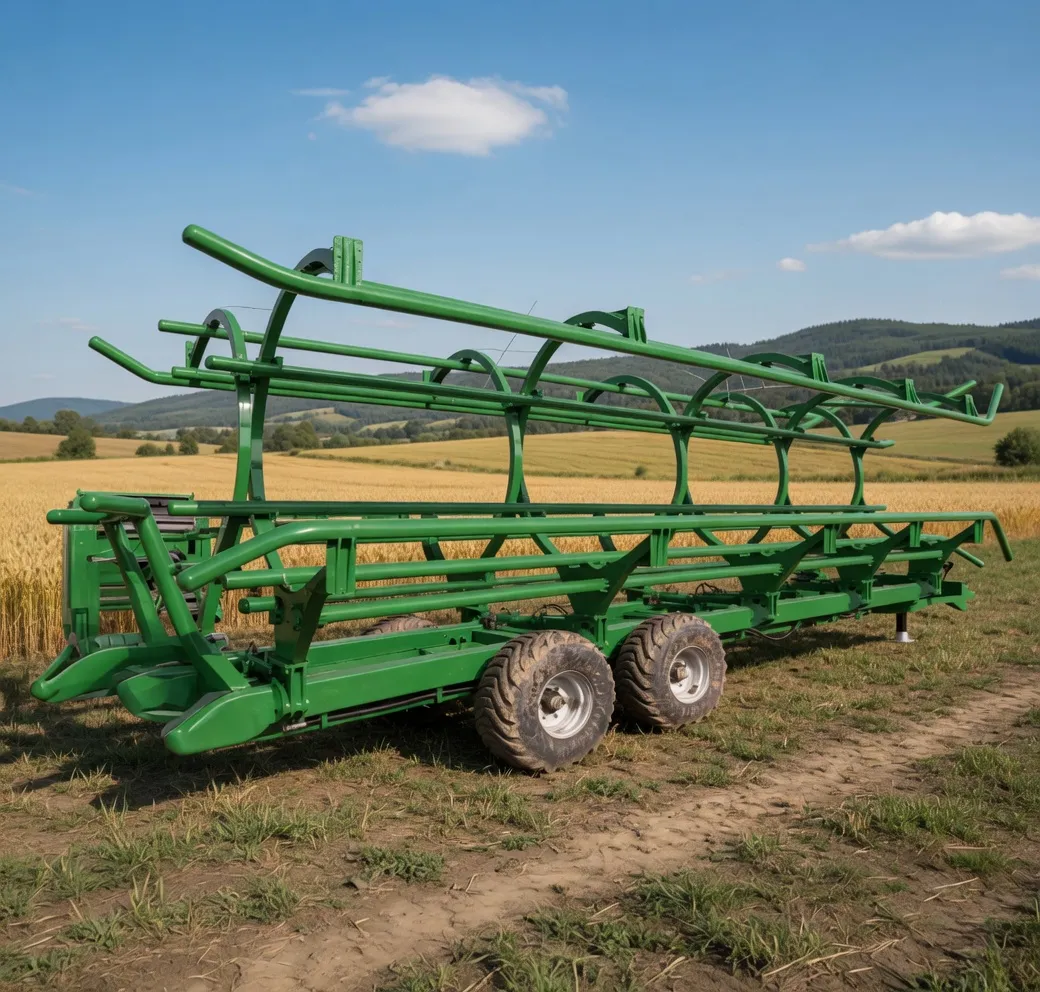
Simple mechanical design — all common field problems diagnosable in under 60 seconds and fixable with basic hand tools. Replacement belts, roller bearing sets, and drive components stocked at EverPower’s Condell Park NSW warehouse for same-day dispatch. Phone support available during the hay season at +61 2 9708 3322.
Frequently Asked Questions
Know the Fault. Fix It Fast. Keep Stacking.
EverPower can assist with field diagnosis and same-day parts dispatch for the 9JYY-4.5 during your hay season.
EverPower Baling Machinery Australia Pty Ltd | 27 Harley Crescent, Condell Park NSW 2200
📞 +61 2 9708 3322 | ✉️ [email protected]