Dairy Farm Silage Has Higher Quality Thresholds Than Beef — and the Baler Contributes to Both
A round baler selected for dairy farm silage production is not just a baling machine — it is the first link in a chain that determines whether the silage produced meets the fermentation and nutritional quality standards required for high-producing dairy cows. A dairy herd averaging 25+ litres per cow per day is highly sensitive to silage quality variation: high butyric acid from poor fermentation suppresses dry matter intake; inconsistent particle size distribution undermines ration formulation; and contamination from poor bale density or late wrapping causes milk fat depression and increases ketosis risk in early-lactation cows. The round baler’s role in this is direct — it determines bale density (which affects fermentation oxygen exclusion rate), bale consistency (which determines whether each wrapped bale performs to the same standard), and binding integrity (which affects how cleanly and safely the film wrapper can be applied). This guide identifies the specific baler features that matter most for dairy farm silage quality and maps them to the EverPower 9YG model range.
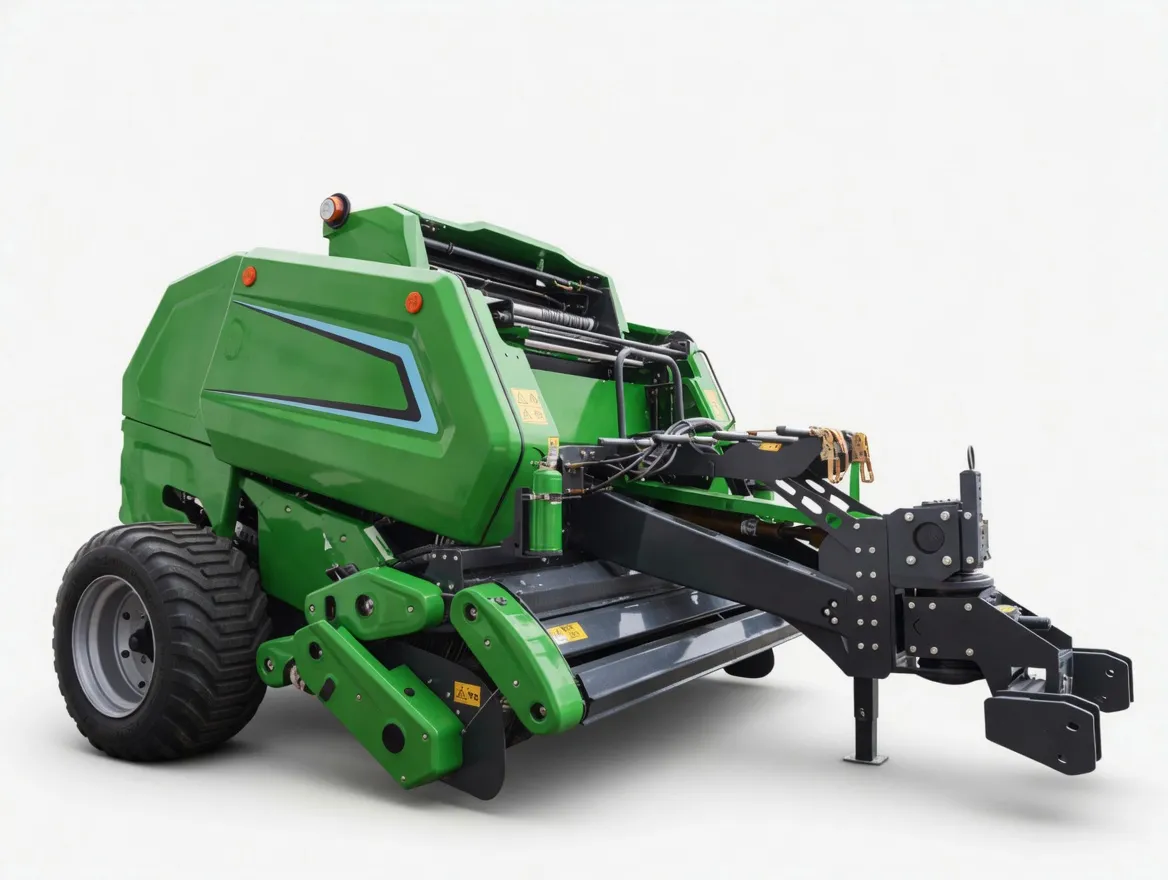
The 9YG-2.24D S9000 Beyond delivers the bale density consistency, variable chamber control, and net wrap capability required for dairy-quality silage production in Australian conditions.
Feature 1: Variable Chamber with Hydraulic Accumulator Tension
For dairy silage, a variable-chamber baler with a hydraulic accumulator belt tension system is the preferred configuration over a spring-tensioned system. The hydraulic accumulator provides three advantages relevant to dairy quality.
Consistent density across crop moisture variation: Dairy silage crops are cut at specific moisture windows (60–70%) to optimise fermentation. Within a single paddock, moisture can vary 5–10 percentage points between the drier headland edges and the wetter paddock centre. A spring tension system responds to these variations with bale density variations — wetter material is harder to compress and springs allow the chamber to expand more easily. A hydraulic system maintains constant pressure regardless of resistance, producing consistent density across the full moisture range of the paddock.
Adjustable density target: Dairy nutritionists often specify a minimum bale density for silage contracts (e.g., minimum 180 kg DM/m³). A hydraulic tension system allows precise density target adjustment from the tractor cab, enabling the operator to match the agronomist’s specification rather than accepting whatever density the default spring setting produces.
Reliability across a full dairy silage day: A spring system that is correctly tensioned at the start of a warm summer day may be above the safe operating tension range as steel temperatures rise. Hydraulic systems maintain consistent pressure regardless of ambient temperature, avoiding the density variation that occurs with spring systems in hot conditions.
Feature 2: Net Wrap as Standard — Not Optional
For dairy farm silage that will be film-wrapped, net wrap should be considered standard equipment rather than an optional upgrade. As detailed in the net wrap vs twine comparison, net wrap provides a smoother bale surface for film application and reduces pre-wrap aerobic losses in the baling-to-wrapping window. For dairy quality silage where the target pH is 3.8–4.2 and butyric acid below 0.3%, every reduction in pre-wrap aerobic losses directly contributes to achieving the fermentation target. A twine-wrapped bale sitting 3 hours before wrapping on a 30°C summer day incurs meaningfully higher aerobic losses than a net-wrapped bale in the same conditions.
The additional cost of net wrap over twine (approximately AUD $0.60–$0.90 per bale) is recovered in dairy operations through the premium paid for dairy-quality silage (AUD $20–$50 per bale above beef silage price) and through the reduction in fermentation quality failures that lead to discarded batches or sub-specification feed.
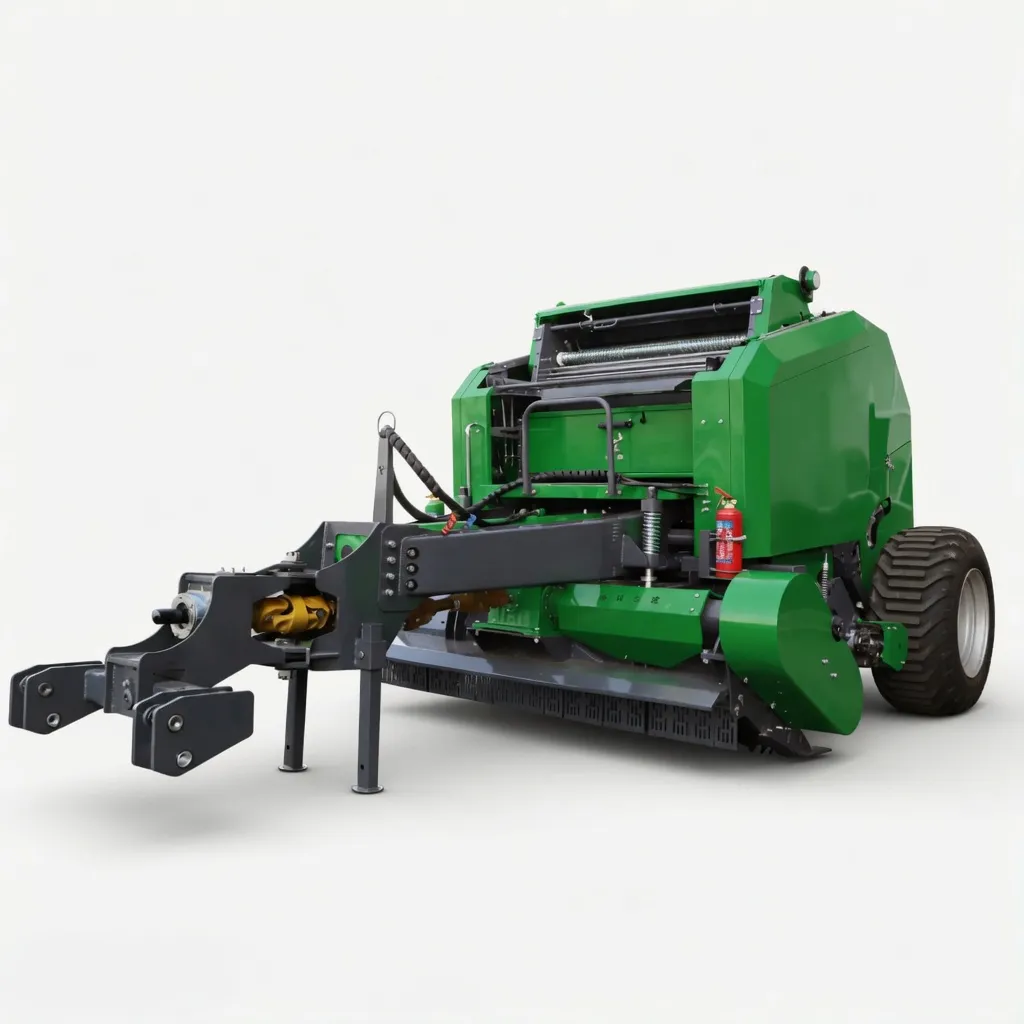
Consistent bale density and net wrap binding are the two baler features with the greatest direct impact on dairy silage fermentation quality — both are standard on the EverPower 9YG-2.24D S9000 Beyond.
Feature 3: Pickup Width and Crop Handling Capacity
Dairy farms typically run high-input, high-yield pasture systems — perennial ryegrass, kikuyu, and lucerne grown with irrigation or in high-rainfall zones commonly produce 3–5 tonnes DM per hectare per cut. At these yields, a narrow pickup width baler struggles to handle the windrow cleanly without bunching or plugging. For a dairy farm’s silage programme — where production windows are tight and crop quality degrades quickly once cut — a baler that plugs in a 4 t DM/ha ryegrass paddock costs not just the downtime of the plug clearance but the quality of every bale delayed behind the plug event.
The EverPower 9YG-2.24D with its wider pickup and higher-capacity intake system handles the heavy windrows typical of high-input dairy farm pastures more reliably than smaller-format balers. For dairy farms operating in regions with consistently heavy pasture yields (1,200 mm+ annual rainfall, irrigated zones), the 9YG-2.24D’s higher throughput capacity directly translates to more bales per hour and fewer plug events in peak-yield conditions.
Feature 4: Bale Density Indicator and Consistency
A reliable, accurately calibrated density indicator is essential for dairy silage production — not just for meeting specification targets, but for consistent bale weight that enables accurate ration formulation. When the nutritionist formulates the dairy herd’s TMR, they use the DM content and energy density of the silage bale, which is based on an assumed bale weight. If bale weight varies by 15–20% from batch to batch due to inconsistent density settings or a poorly calibrated indicator, the actual energy and DM delivered per bale is unpredictable, and the ration’s energy balance fluctuates — exactly the variation that causes milk production inconsistency and increases metabolic disorder risk in high-producing cows.
Request the density indicator specification and calibration procedure from EverPower when purchasing a 9YG series baler for dairy farm use. Calibrate the indicator against a known-weight test bale at the start of each season to confirm the trigger point corresponds to the target density.
EverPower 9YG Models: Which Suits Your Dairy Operation?
Recommended Product: 9YG-2.24D S9000 Beyond
Variable chamber with hydraulic accumulator belt tension for consistent density across moisture variation. Net wrap as standard for clean film application and reduced pre-wrap aerobic losses. Wide pickup for high-yield dairy pastures. Calibratable density indicator. Available from EverPower’s Condell Park NSW warehouse. Contact EverPower to confirm specification for your dairy herd size and pasture yield.
Frequently Asked Questions
Dairy-Quality Silage Starts with the Right Baler.
EverPower can advise on the 9YG model that matches your dairy herd size, pasture yield, and silage quality requirements.
EverPower Baling Machinery Australia Pty Ltd | 27 Harley Crescent, Condell Park NSW 2200
📞 +61 2 9708 3322 | ✉️ [email protected]