Daily Output Is Built Into the Workflow, Not Into the Machine
The theoretical output of a combined baler-wrapper is the highest of any silage production system — zero delay between baling and wrapping, no waiting crew, no bales sitting in the paddock deteriorating while the wrapper catches up. But theoretical output and practical output diverge quickly when the workflow around the machine is poorly organised. An operation with a combined baler-wrapper that produces 80 bales per day while a well-managed separate baler-and-wrapper system on the same paddock produces 100 bales per day is a workflow problem, not a machinery problem. This guide identifies the specific operational decisions — crew size, field layout, wrapping timing management, film change scheduling, and storage site proximity — that determine whether you extract the full capacity of a combined baler-wrapper system or leave 20–40% of its potential sitting unused at the end of each day.
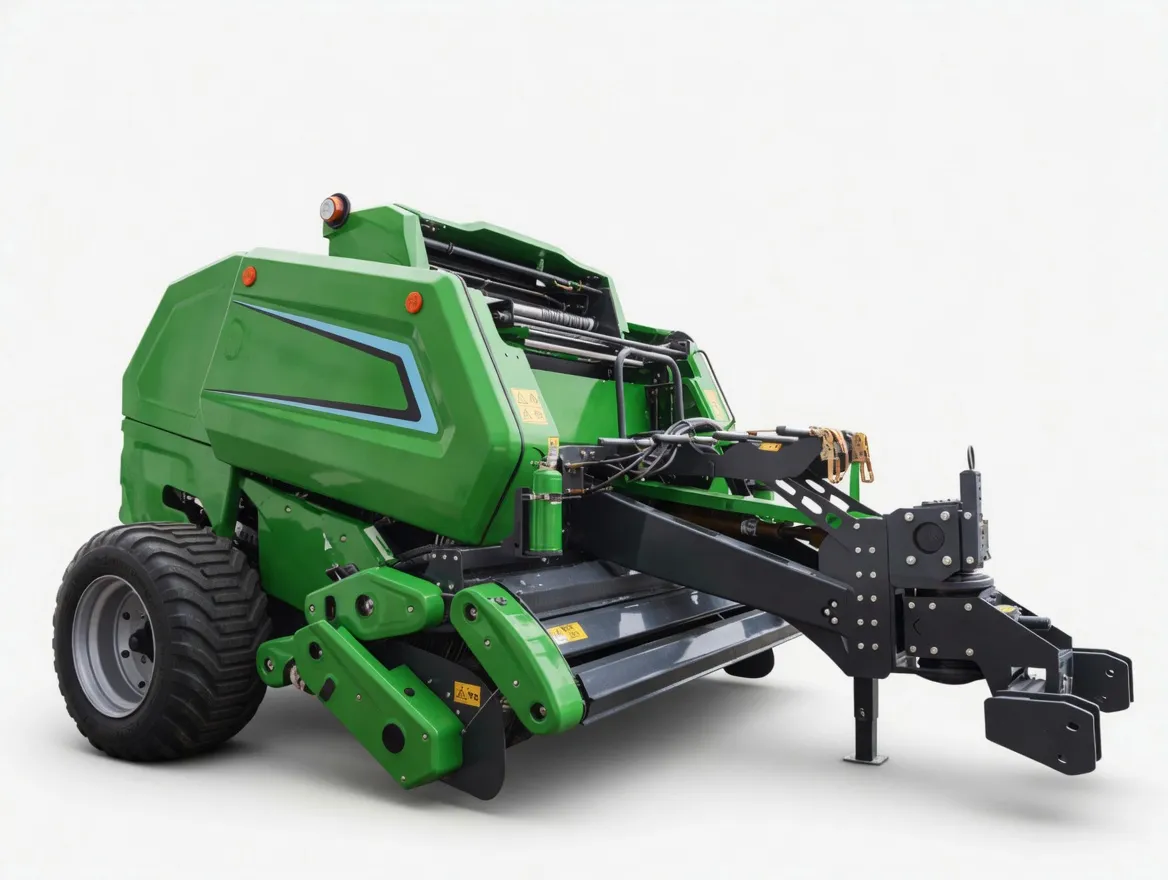
The combined baler-wrapper system eliminates the wrapping delay bottleneck — but the full capacity of the system can only be realised when the surrounding workflow is optimised for continuous operation.
Understanding the Combined System’s Time Budget
In a combined baler-wrapper, each bale cycle consumes time across five stages: chamber fill (forward movement through the windrow), binding (net wrap application), transfer (bale moving from baler chamber to wrapper table), wrapping (film application), and ejection (wrapped bale deposited at the storage position and machine repositioned). Of these five, only chamber fill and wrapping involve active production — the other three are mechanical transitions that must happen but deliver no bales per unit time.
In a well-functioning combined system at a moderate crop yield of 2.5 t DM/ha, typical cycle times are: chamber fill 90–150 seconds, binding 10–15 seconds, transfer 5–8 seconds, wrapping 60–90 seconds, ejection and repositioning 15–25 seconds. Total cycle time: approximately 3–5 minutes per bale. At 3-minute cycles, maximum output is 20 bales per hour; at 5-minute cycles, 12 bales per hour. The difference — 8 bales per hour — comes entirely from the non-productive transition stages. Reducing these stages is where daily output improvement is found.
Improvement 1: Optimise the Ejection and Repositioning Sequence
The ejection stage — depositing the wrapped bale and repositioning for the next windrow pass — is the most variable time component and the one where operator skill has the greatest impact. An experienced operator on a flat, open paddock with a pre-planned storage row parallel to the windrow direction can complete ejection and repositioning in 12–15 seconds. An inexperienced operator managing a sloped paddock with a storage site that requires reversing and turning adds 30–45 seconds per bale — accumulating to 6–8 lost minutes per hour of operation.
Practical fixes: Pre-plan the storage row before the baling day begins — walk the paddock and identify where each row of wrapped bales will be placed so ejection can be done in a single forward motion without stopping to consider placement. On sloped paddocks, set the storage rows on the same contour direction as the windrows — this allows ejection in the direction of travel rather than requiring a cross-slope manoeuvre. Brief operators on the ejection sequence before the season — a 30-minute pre-season briefing on paddock layout and ejection sequencing typically reduces per-bale ejection time by 20–30% compared to ad hoc decision-making in the field.
Improvement 2: Film Change Management
Each film roll change on a combined baler-wrapper costs 3–6 minutes of non-productive time. At 20 bales per roll (standard roll at 4 layers on 1.2 m bales) and a 100-bale day, this is 5 film changes — 15–30 minutes of lost production. On an 8-hour day at 100 bales, 30 minutes represents 3–4 additional bales missed from the day’s total.
Practical fixes: Carry a minimum of 6 rolls of film on the machine or a chase vehicle at all times — running out of film mid-session causes a longer stop than a planned film change. Change film during natural machine pauses (headland turns on large paddocks, repositioning after completing a windrow) rather than stopping mid-windrow to change. Most combined baler-wrappers provide an audible or visual alert when the film roll is nearing depletion — act on the first alert rather than waiting for the roll to actually run out before changing.
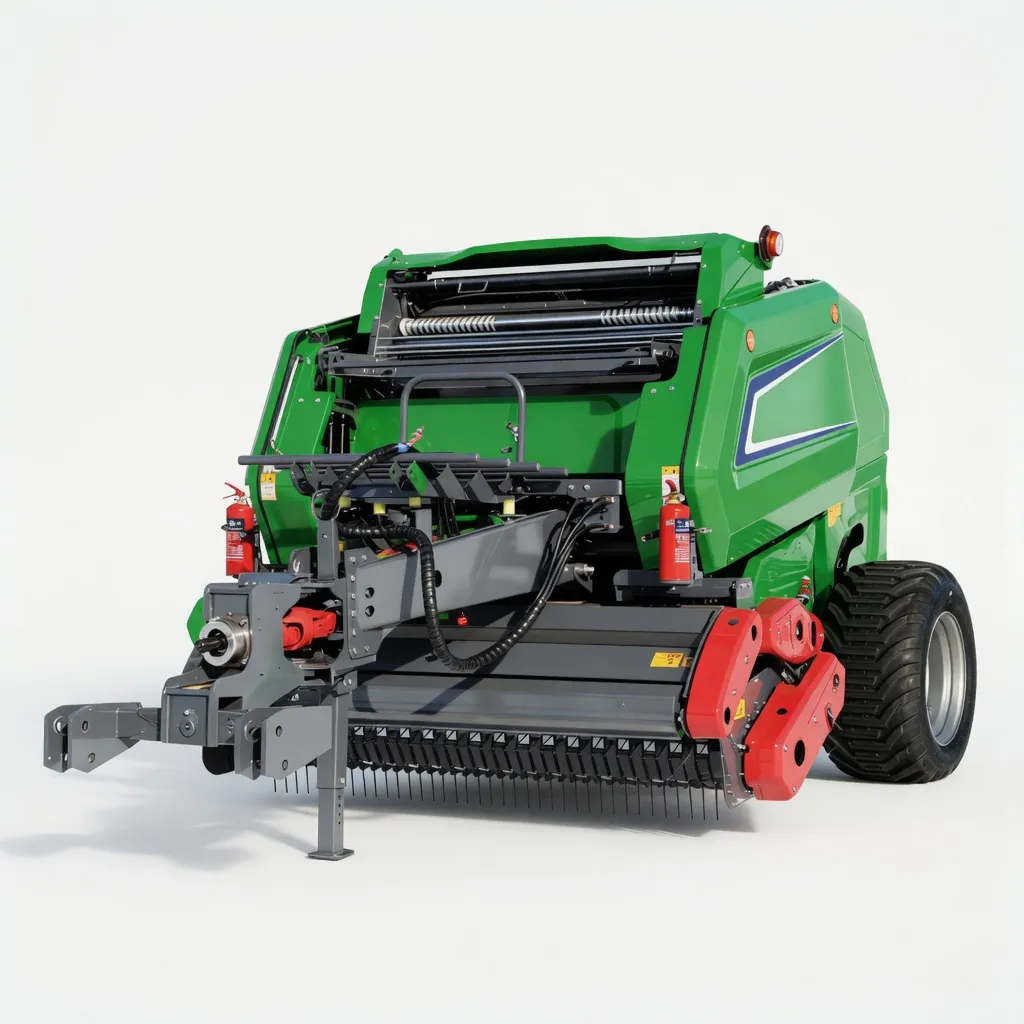
Film change scheduling and ejection route planning are the two workflow decisions with the greatest impact on daily bale output — both are planning decisions made before the machine starts, not mechanical adjustments made during the session.
Improvement 3: Windrow Width and Density Matching
Chamber fill time is the primary productive stage — increasing crop mass presented per metre of windrow reduces fill time and increases bales per hour. But overloading the combined system’s intake in heavy crops creates plug risk, and a plug on a combined baler-wrapper is more time-consuming to clear than on a standalone baler because the wrapping components limit access to the intake area on some machine designs.
The optimal windrow width for a combined baler-wrapper is typically 80–90% of the pickup width — wide enough to engage the full intake capacity but not so wide that material overflows the edges and must be picked up in a second pass. On high-yield dairy pastures above 3.5 t DM/ha, narrow the windrow by adjusting the rake to 70–75% of pickup width — this reduces the instantaneous mass rate into the intake and prevents overloading while maintaining the continuous feed flow that maximises productive time.
Improvement 4: Pre-Wrap Timing and Moisture Window
A combined baler-wrapper’s greatest advantage — zero delay between baling and wrapping — is fully captured only when the crop is at optimal moisture for baling. Starting the combined system too early (crop above 72% moisture) forces slower forward speeds and increased density-target pressure to form acceptable bales, reducing bales per hour. Starting too late (crop below 55% moisture for silage) allows more time to accumulate but defeats the quality advantage of the combined system — the crop can be baled conventionally and wrapped separately without significant quality loss at this moisture.
Target the combined system deployment for the 60–68% moisture window — when the combined system’s quality advantage is strongest and forward speed is at the optimum for the intake capacity. This typically means starting 36–48 hours after cutting in standard Australian summer conditions, or 24–36 hours in high-UV northern regions with good drying conditions.
Daily Output Benchmark: What a Well-Run System Achieves
Recommended Products: EverPower 9YG Balers + 9YCM-850 Wrapper
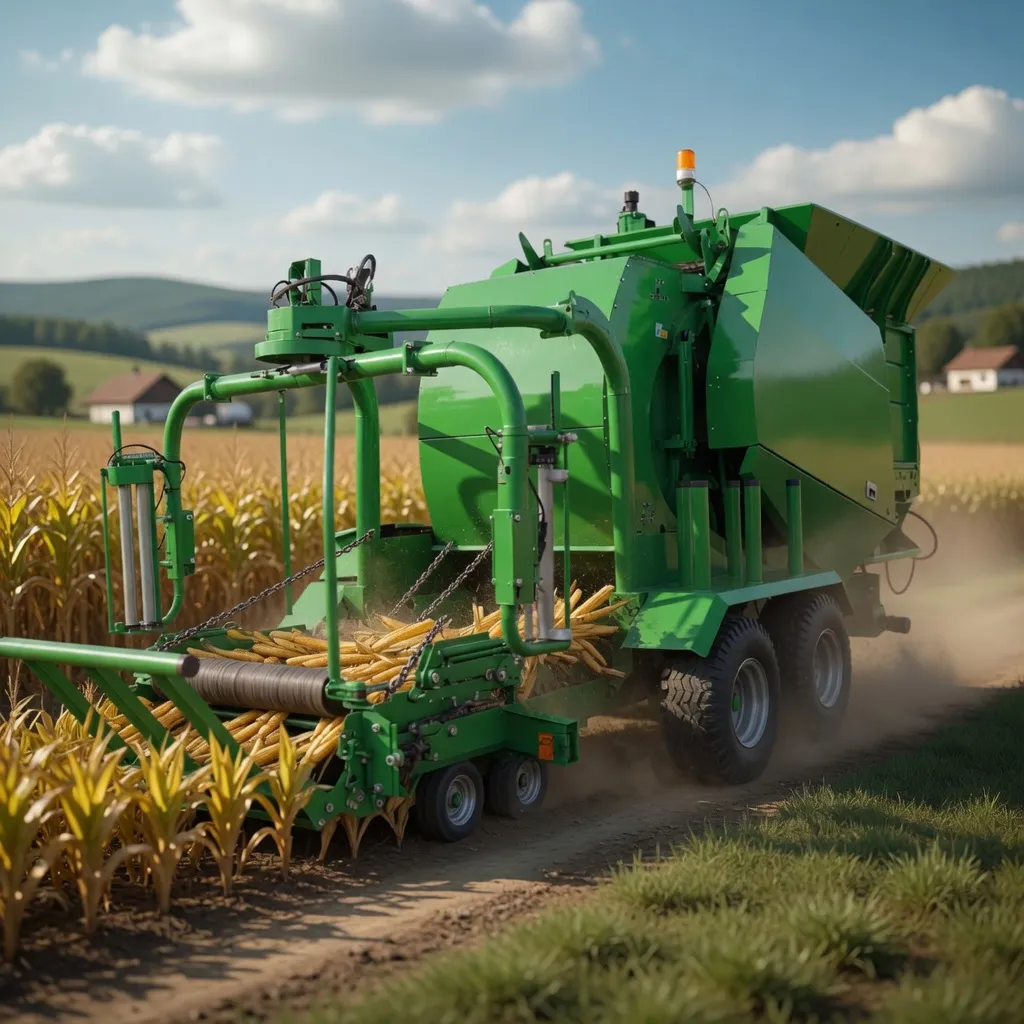
EverPower’s 9YG-2.24D S9000 Beyond or 9YG-1.25A paired with the 9YCM-850 bundling film wrapping machine creates a matched baling and wrapping system for Australian silage operations. The 9YCM-850’s 60–90 second cycle time matches the wrapping capacity to the baling output of both 9YG models across the full crop yield range. Both machines stocked at Condell Park NSW with Australia-wide delivery.
Frequently Asked Questions
Plan the Workflow. Extract the Capacity. More Bales Every Day.
EverPower can advise on baler-wrapper pairing, workflow planning, and daily output targets for your crop type and operation size.
EverPower Baling Machinery Australia Pty Ltd | 27 Harley Crescent, Condell Park NSW 2200
📞 +61 2 9708 3322 | ✉️ [email protected]