
Where and How You Store Wrapped Bales Determines How Much of What You Wrapped You Actually Feed
The work of producing silage bales does not end when the wrapped bale is deposited in the paddock. The storage site — its surface, drainage, orientation, proximity to hazards, and protection from physical damage — determines whether the fermentation quality achieved at wrapping is preserved through to feed-out, or eroded by puncture, UV degradation, flooding, vermin, and structural failure from poor stacking. Australian conditions present a specific storage challenge combination: high UV intensity, dramatic variation between winter wet and summer dry, significant cockatoo pressure in many regions, and often long distances between production paddocks and the animals that will consume the silage. Getting the storage site setup right is as important as getting the baling and wrapping right — and it costs very little beyond planning and placement decisions made before the first bale arrives.
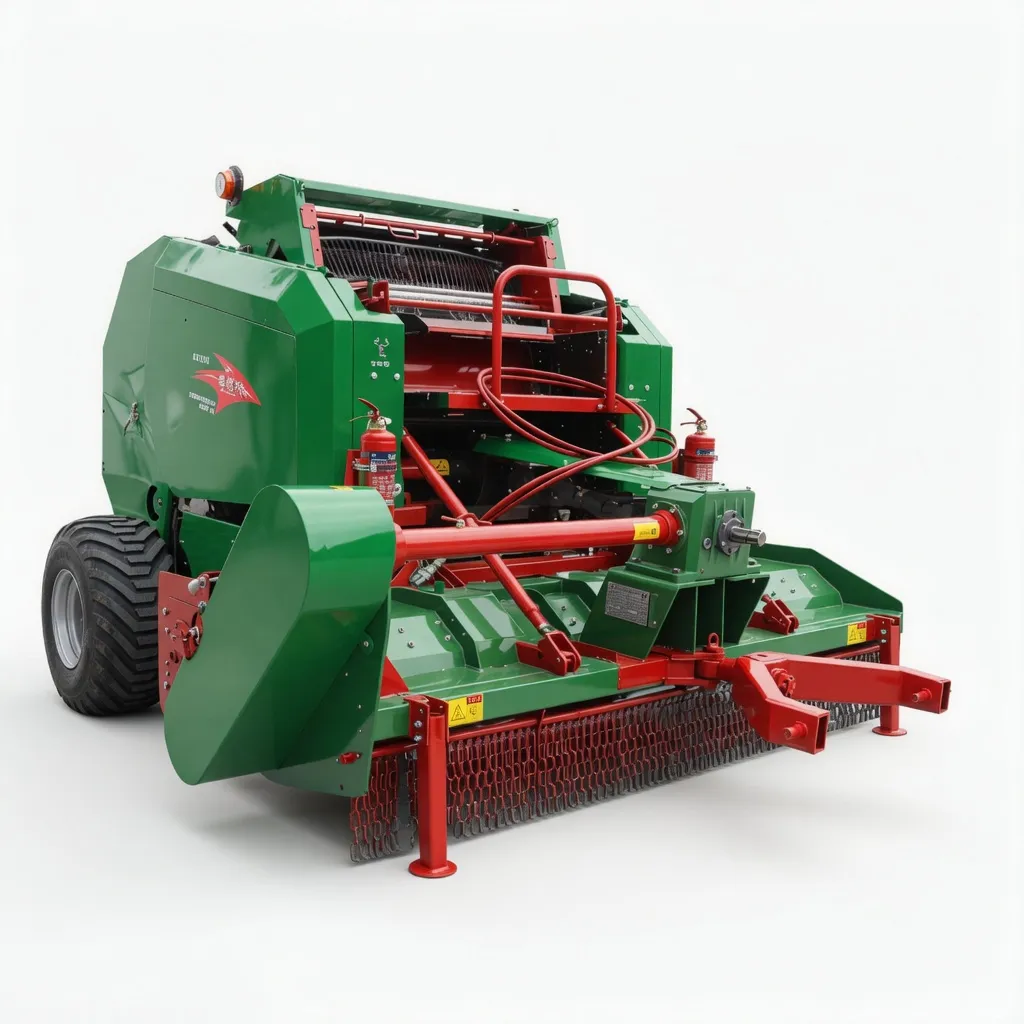
Storage site selection and preparation is the final step that determines whether the silage quality achieved at baling and wrapping is preserved to feed-out — it costs little beyond planning but makes a significant difference to long-term storage losses.
Site Selection: The Four Non-Negotiables
Well-drained surface
Standing water under stored bales softens the ground, allowing bales to sink and shift — the base movement causes film puncture at the contact zones between the bale and the ground surface. Choose sites with natural drainage or prepare a raised pad (crushed gravel or compacted hardcore, 150 mm deep) to guarantee free drainage under all bales regardless of rainfall. Concrete pads are ideal but not required — a well-compacted gravel base provides adequate drainage and a non-abrasive surface that does not wear through film as easily as coarse rock.
Level surface
Bales stored on a slope roll — slowly in most cases, catastrophically in wet conditions when the ground softens. A rolling bale in a row punctures the bales it contacts and can injure people or livestock. Sites with more than 3 degrees of slope require either re-levelling or the installation of anchoring stakes at the downhill end of each row. The levelling work is trivial compared to the cost of re-wrapping moved bales or disposing of spoiled ones after a mass rolling event.
Away from trees, fence posts, and sharp objects
Fallen branches, fence post ends, and protruding rocks are among the most common causes of film puncture in storage. Site bale rows at least 3 metres from the drip line of any trees (falling branch risk, plus tree sap that accelerates UV degradation on film in contact with it) and 1.5 metres from fence lines and any embedded sharp objects. Inspect the proposed site on hands and knees before the first bale delivery — what looks clear from tractor height often contains hazards invisible from above.
Accessible for feed-out vehicles
A storage site that requires a tractor with a front-end loader to navigate over broken ground or through a narrow gate to access individual bales reduces the quality of feed-out management. The ability to access specific bales (oldest first, best quality for peak-lactation cows) from the front-end of the row without disturbing the rest of the stack is a practical quality management tool that requires the site to have adequate turning and access space for the feed-out vehicle.
Row Layout: Single vs Double Stack
The standard Australian silage bale storage layout is a single-layer row of bales touching end-to-end, typically 3–5 bales wide and as long as the available site allows. This layout provides maximum individual bale accessibility and minimises the contact-zone film stress that occurs when bales press against each other under weight.
Double-stacking (two layers high) is sometimes used to reduce the site footprint. It is acceptable for beef-quality silage stored for less than 12 months, but is not recommended for dairy-quality silage or long-duration storage for two reasons. First, the weight of the upper bale concentrates load on the lower bale’s top face — the film at this contact point is stressed and more likely to develop micro-perforations over time. Second, a bottom bale in a double-stack that develops a puncture cannot be inspected or repaired without moving the top bale — repair is often not practical, and the spoilage progresses undetected until feed-out.
Row spacing: Allow at least 2.0 metres between adjacent rows — enough for a tractor with a bale spike to drive between rows and access any individual bale from the side. This spacing also allows air circulation between rows, reducing the microclimate humidity that can accelerate UV degradation of the film surface.
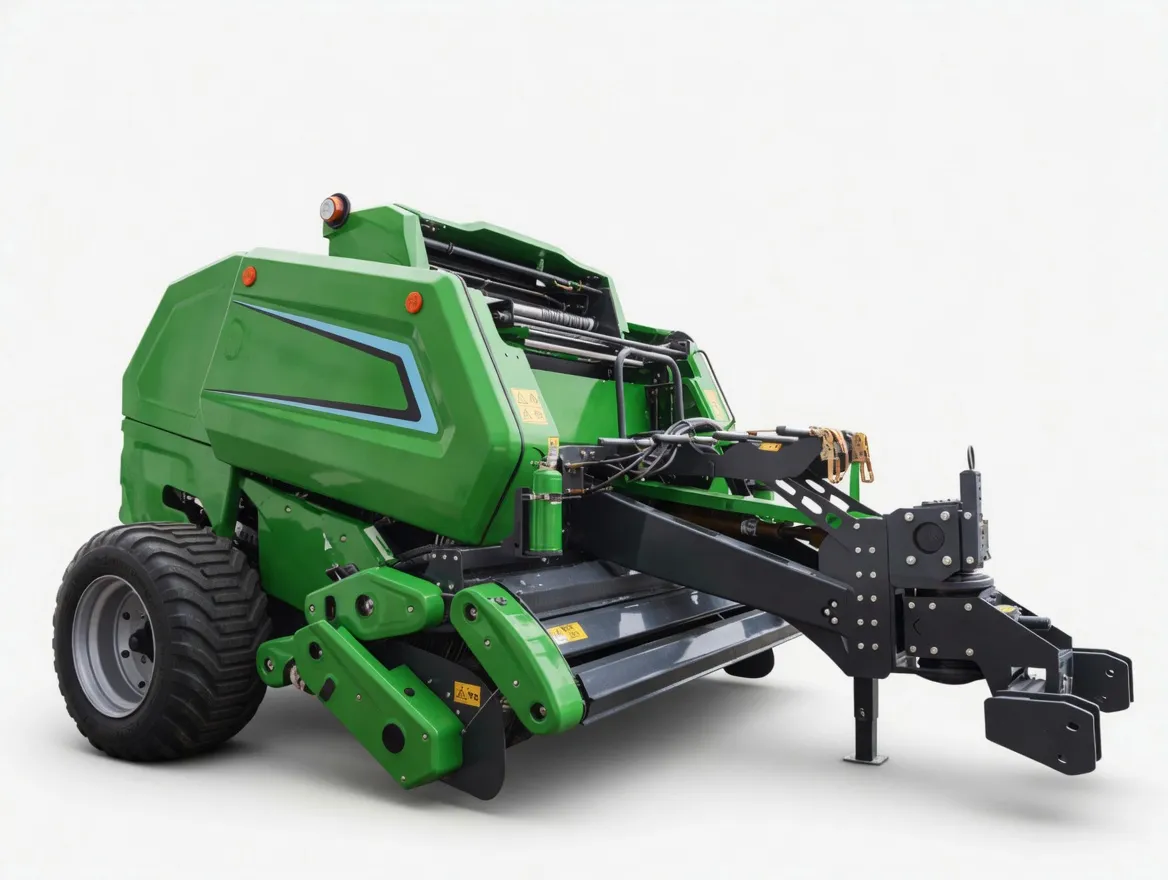
Single-layer rows with 2-metre spacing between rows provide the best combination of storage density, individual bale accessibility, and film preservation for all Australian storage conditions.
Bird and Vermin Management
Cockatoos are the dominant film puncture threat in Australian silage storage across most of the continent. Sulphur-crested cockatoos and corellas have sufficient beak strength to puncture multiple film layers and are attracted to wrapped silage bales by the fermenting odour. A cockatoo puncture typically creates a 10–30 mm diameter hole through all layers, allowing oxygen to enter and aerobic spoilage to begin at the puncture point. In high-cockatoo-pressure regions, spoilage rates of 5–15% of stored bales per season from bird damage have been documented on unprotected storage sites.
Effective deterrents include: visual scare devices (reflective tape, hawk kites, predator effigies) repositioned every 3–5 days to prevent habituation; shade cloth or bird netting suspended over bale rows; and where feasible, storage in a shed or under a roof structure. The cost of any of these measures is substantially lower than the value of a bale lost to cockatoo damage — a single prevented puncture pays for a season of reflective tape.
Rats and mice are a secondary film puncture risk, particularly in winter when warm, fermenting bales provide an attractive shelter. Keep the storage site perimeter free of grass, debris, and the sheltered harbourage conditions that sustain rodent populations adjacent to stored bales.
Monthly Storage Inspection and Puncture Repair
A monthly walkthrough of the storage site, inspecting all accessible bale surfaces for punctures, tears, or discolouration under the film, takes 30 minutes and is the most cost-effective storage quality maintenance activity available. Most small punctures in silage film can be repaired with purpose-made silage film repair tape — applied over the puncture on a dry, clean film surface, the tape re-establishes the oxygen barrier and prevents the localised spoilage from expanding.
Carry a roll of silage repair tape and a rag in the tractor at all times during the storage period — identifying and repairing a puncture within a week of occurrence typically costs less than AUD $2 in tape and 5 minutes of time. Leaving the same puncture unrepaired for 6 weeks at 30°C can spread aerobic spoilage across 20–30% of the bale’s volume, representing AUD $80–$150 in destroyed feed value from a AUD $2 repair opportunity.
Recommended Products: EverPower 9YG Balers and 9YCM-850 Wrapper

EverPower’s 9YG series round balers and 9YCM-850 bundling film wrapping machine produce the dense, uniformly wrapped bales that store most successfully across Australian conditions. Contact EverPower at +61 2 9708 3322 or [email protected] for equipment pricing, storage site setup advice, and film specification guidance for your region and climate zone.
Frequently Asked Questions
Store It Right. Feed It Right. Waste Nothing.
EverPower can advise on storage site preparation, film specification, and bale quality monitoring for your Australian silage operation.
EverPower Baling Machinery Australia Pty Ltd | 27 Harley Crescent, Condell Park NSW 2200
📞 +61 2 9708 3322 | ✉️ [email protected]