
Dairy and Cattle Farms Have Different Silage Quality Thresholds — and Different Wrapping Priorities
A dairy farm and a beef backgrounding operation both use wrapped silage, but their silage quality requirements differ substantially. A high-production dairy herd — particularly cows averaging above 25 litres per day — is highly sensitive to silage fermentation quality. Poor fermentation quality, high butyric acid content, or aerobic deterioration at feed-out suppresses dry matter intake, reduces milk fat percentage, and can trigger ketosis in early-lactation cows. A beef backgrounder feeding growing cattle to 450 kg liveweight before feedlot entry has much more tolerance for fermentation variability — a bale with slightly elevated pH or a warm zone at feed-out represents a feed efficiency loss but not the clinical production impact a dairy herd would experience. Understanding where your operation sits on this spectrum, and configuring the 9YCM-850 to match your silage quality requirements, produces better outcomes than applying a generic wrapping protocol regardless of end use.
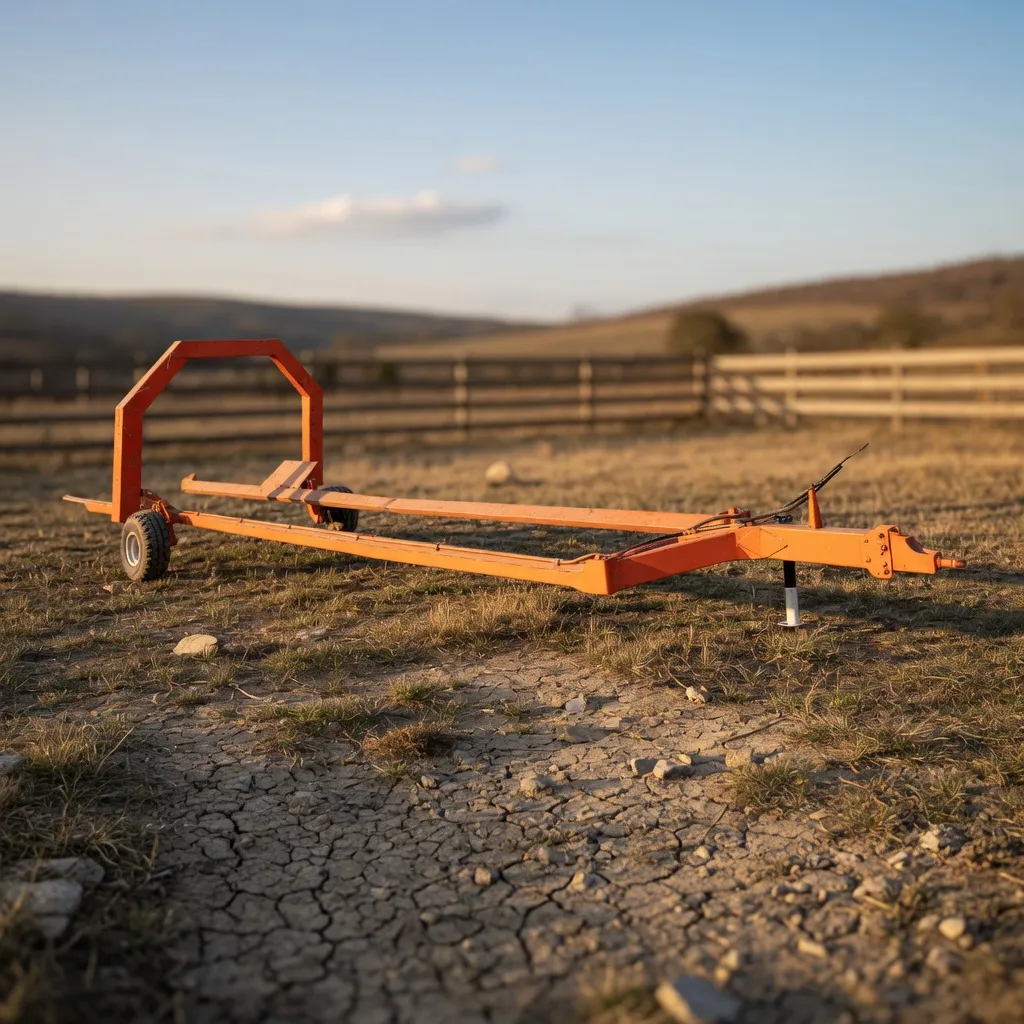
Dairy and cattle farms often share similar baling equipment but have different silage quality requirements — the wrapper setup that is adequate for backgrounding beef may be insufficient for high-production dairy cows.
Dairy Farm Silage: Quality Requirements and Wrapper Setup
Dairy silage quality is typically specified by a nutritionist or farm advisor in terms of three key parameters: pH (target 3.8–4.2 for grass silage, 4.0–4.5 for maize or whole-crop cereal), butyric acid content (below 0.3% of DM for dairy quality), and dry matter digestibility (above 65% DOMD for high-production cows). Meeting these parameters requires wrapping conditions that create the fastest possible pH drop after baling and minimise aerobic exposure both at baling and at feed-out.
Recommended wrapper settings for dairy silage: Six layers as standard — dairy silage stored for 3–12 months before feeding requires the additional end coverage and puncture resistance that six layers provide. Wrap within 90 minutes of baling for high-moisture grass silage — the narrower the wrapping window, the lower the pre-wrap aerobic losses and the higher the fermentable sugar content available to LAB at the start of fermentation. Confirm film is UV-stabilised 850 mm specification. Store bales in a single-layer row on a firm, well-drained surface — double-stacking dairy silage bales increases the risk of base puncture from weight concentration on uneven ground, and a punctured dairy silage bale represents a disproportionate production cost compared to a punctured beef-quality bale.
Feed-out management for dairy: Open one bale at a time and feed out completely before opening the next. In summer (above 25°C), complete each bale within 24–36 hours of opening. Never feed dairy cows from a bale that has been open for more than 48 hours in warm conditions — even a few degrees of temperature rise at the feed face from aerobic deterioration suppresses intake and depresses milk fat in high-producing cows within 48 hours of exposure.
Beef Cattle Farm Silage: Quality Requirements and Wrapper Setup
Beef cattle — particularly backgrounding and growing operations — have broader silage quality tolerance than dairy. A pH of 4.0–4.8 is acceptable for most beef applications; butyric acid below 1% is generally tolerated without significant intake suppression; and digestibility requirements for growing cattle at 1.0–1.5 kg/day ADG are less demanding than for high-producing dairy cows. The primary quality risks for beef silage are extreme aerobic deterioration (heating and mould growth that makes silage unpalatable) and mycotoxin production from mould species that can cause respiratory and reproductive issues in cattle.
Recommended wrapper settings for beef silage: Four layers is the minimum for silage intended for beef consumption in covered or sheltered storage. Six layers for outdoor exposed storage in any region. The wrapping timing window is somewhat more forgiving than dairy — wrapping within 3–4 hours of baling is acceptable for lower-moisture baleage (35–50% moisture) where the pre-wrap aerobic loss rate is lower. For high-moisture whole-crop cereal silage even in beef rations, maintain the 2-hour wrapping target.
Feed-out management for beef: Open bales as needed and feed out within 3–5 days in warm weather. Monitor for heating at the bale face on bales that have been open more than 48 hours — a hand temperature check is a reliable indicator. Discard any zone that is hot to the touch (above 40°C) as this material will suppress intake and may carry elevated mycotoxin levels from the mould species causing the heating.
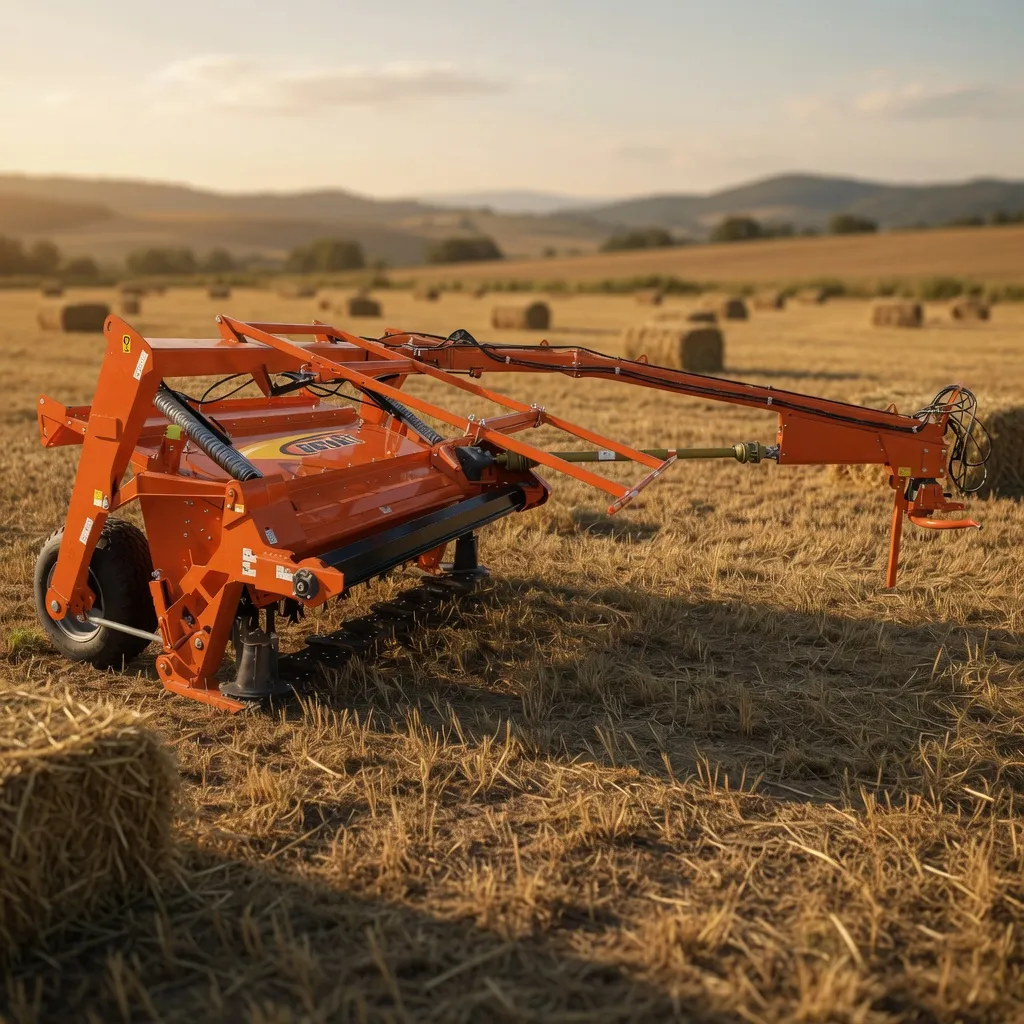
Mower-conditioner use before baling speeds up wilting and produces a more uniform moisture profile across the swath — this directly improves fermentation quality for both dairy and beef silage by reducing the moisture variability that causes uneven pH drop after wrapping.
Mixed Operations: One Wrapper, Two Quality Standards
Many Australian properties run both dairy and beef cattle, or sell silage to both types of operations. A single 9YCM-850 can produce both dairy-quality and beef-quality silage from the same paddock on the same day by using different settings for each intended use: six layers, within-90-minute wrapping, inoculant-treated, for the dairy portion; four layers, within-3-hour wrapping, no inoculant, for the beef portion. Clearly mark bales from each setting regime — white film for dairy quality, green for beef quality, or a simple spray-paint marking on the end face — to prevent misallocation at feed-out.
For operations selling silage, the dairy-quality specification commands a premium of AUD $20–$50/bale over standard beef silage in most Australian markets. Achieving this premium consistently requires the wrapping discipline — timing, layer count, film quality, storage site — outlined above, and the ability to demonstrate it through pH testing and visual inspection records at delivery.
Storage Site Setup for Dairy vs Beef Operations
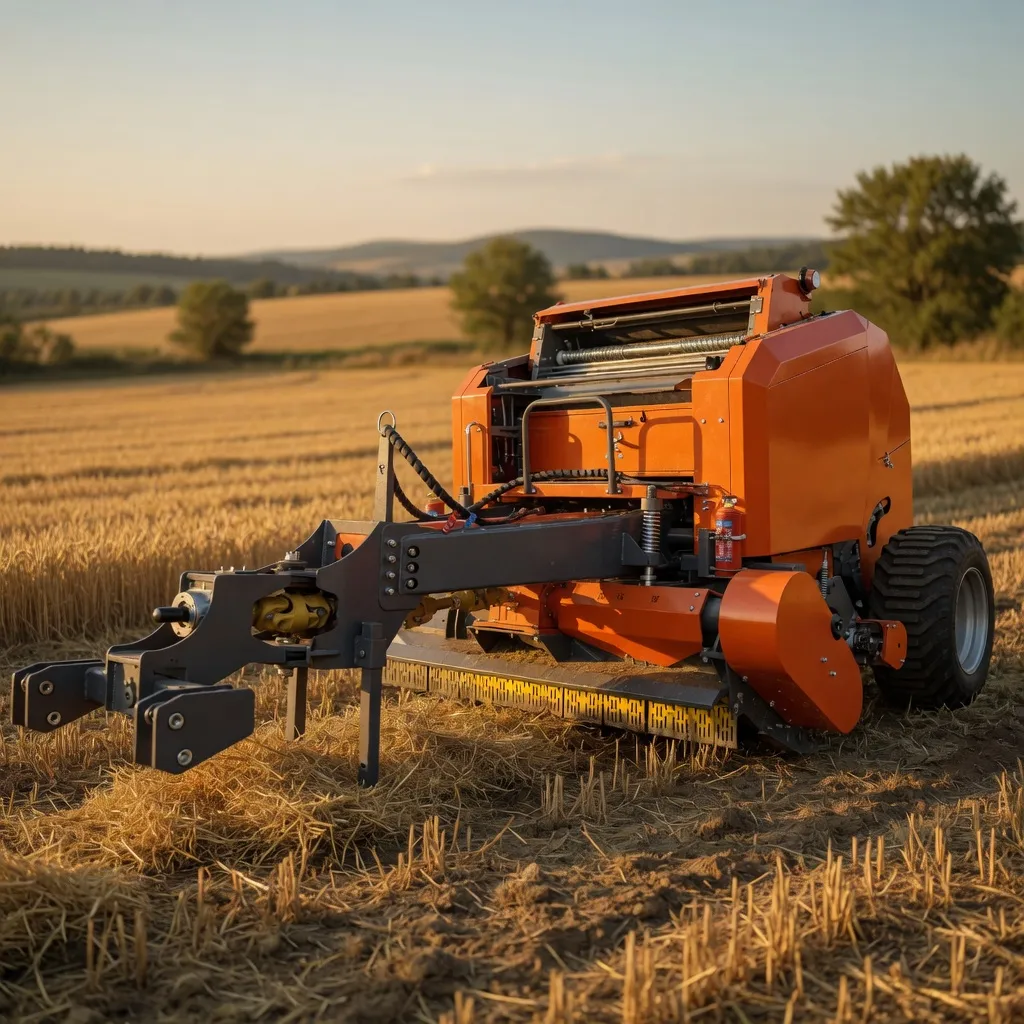
High-performance balers produce the dense, round bales required for dairy-quality silage — bale density directly influences oxygen exclusion rate after wrapping and the speed of pH drop that determines fermentation quality.
Getting the Most From the 9YCM-850 on Your Farm
The 9YCM-850 is flexible enough to serve both dairy and beef operations from the same machine. The key is adjusting layer count, wrapping timing discipline, and film specification to match the silage quality standard required for each batch. EverPower Baling Machinery Australia can advise on the specific hydraulic settings, film selection, and storage site layout for both dairy and beef silage applications on your property. Contact the team at +61 2 9708 3322 or [email protected] with your herd type, bale output per season, and intended storage duration for tailored recommendations.
Recommended Product: 9YCM-850 Bundling Film Wrapping Machine
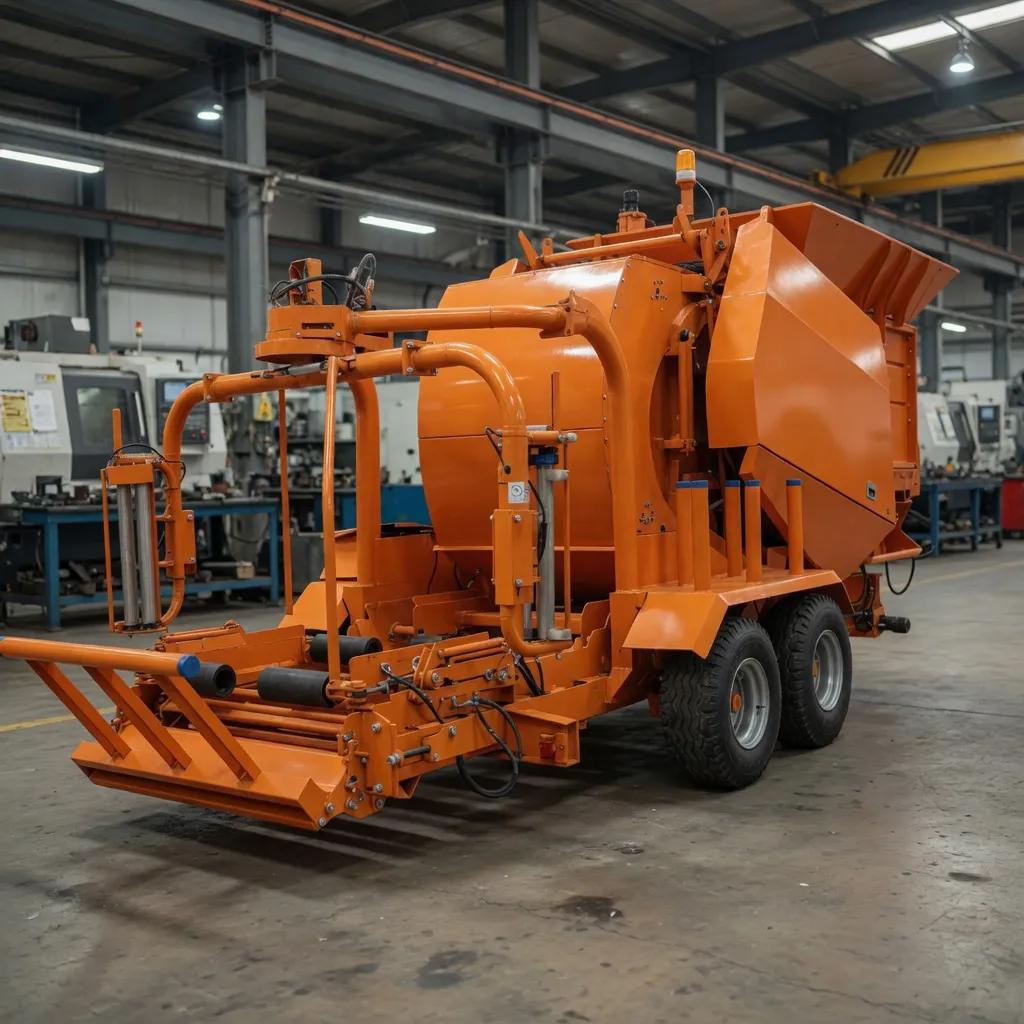
Adjustable 4–6 layer wrap for both dairy-quality and beef-quality silage from the same machine. 60–90 second cycle time enables wrapping within the 90-minute dairy quality target. 850 mm film, 55–70% pre-stretch, 1,000–1,600 mm round bale compatibility. 3-point linkage Category I/II for 45–75 HP tractors. Available from EverPower’s Condell Park NSW warehouse with Australia-wide delivery.
Frequently Asked Questions
Wrap to the Standard Your Animals Need.
EverPower can advise on the 9YCM-850 settings for dairy-quality or beef-quality silage on your specific property and climate zone.
EverPower Baling Machinery Australia Pty Ltd | 27 Harley Crescent, Condell Park NSW 2200
📞 +61 2 9708 3322 | ✉️ [email protected]