Introduction to the Bean Pulling Mechanism
The bean puller operates on a straightforward yet precisely engineered principle: it severs or gently extracts kidney bean plants from the soil while preserving pod integrity and minimising trash contamination. At its core, the machine follows established ridges, engages the plant stems with rotating or reciprocating fingers, and elevates the material onto a conveyor system that deposits it into a neat windrow for subsequent drying or collection. This process replaces labour-intensive hand pulling and dramatically improves both speed and consistency across large areas.
EverPower Baling Machinery Australia Pty Ltd designs its 4BYH series with Australian field conditions in mind, where soil types range from heavy clays to sandy loams and where seasonal timing is critical. The pulling action must occur at the correct depth and speed to avoid shattering pods or leaving valuable crop behind. When properly adjusted, these machines achieve recovery rates above 92 percent, compared with 78 to 85 percent typical of manual methods under similar conditions. The transition from pulling to windrow formation happens in a single continuous pass, allowing growers to cover 1.6 to 3.0 hectares per hour depending on model and field layout.
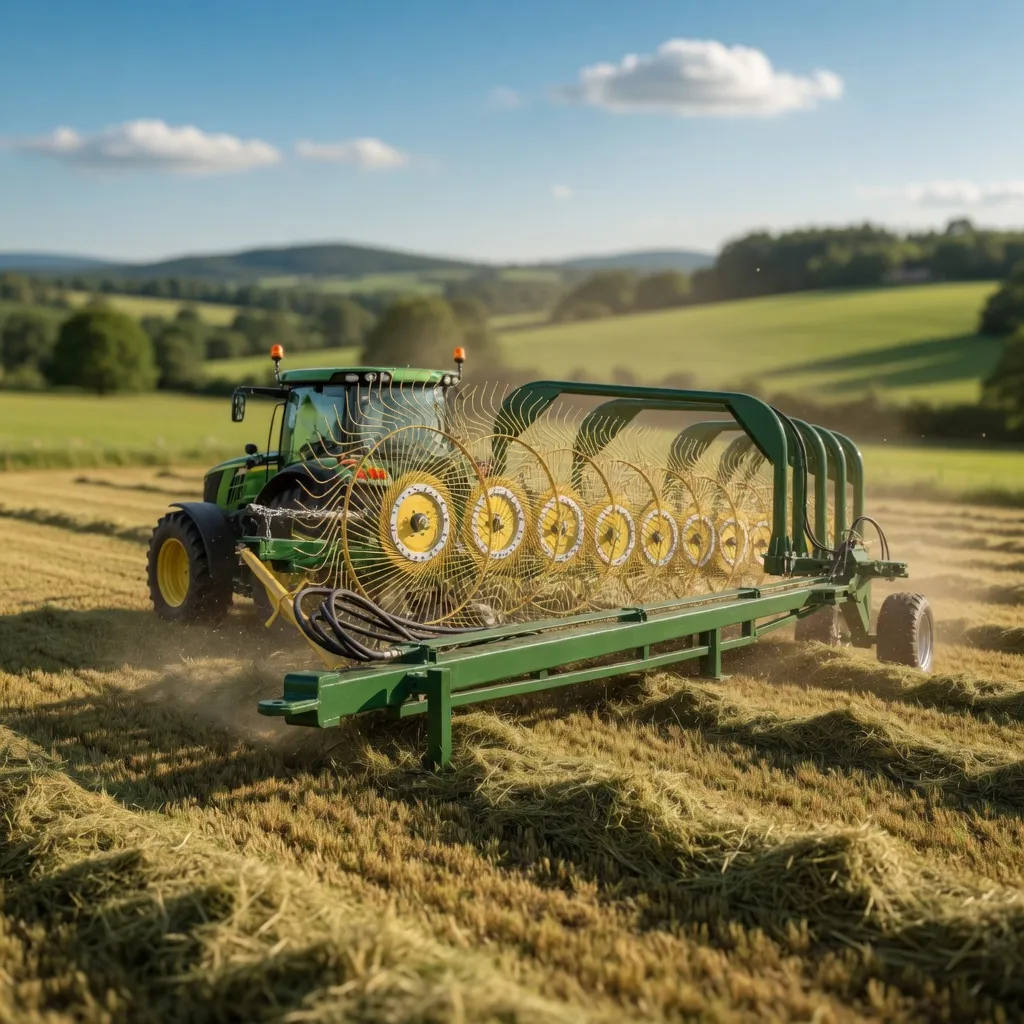
Finger-wheel rakes commonly used to refine windrows created by bean pullers, ensuring even drying before collection.
Ridge Following and Depth Regulation Technology
Accurate ridge following begins with the machine’s gauge wheels and skid shoes, which maintain consistent ground contact even on undulating terrain. Hydraulic or mechanical depth control allows the operator to set pulling height between 20 mm and 60 mm below the ridge crest, depending on bean variety and soil moisture. On the 4BYH-3.25 model, for instance, independent adjustment of each ridge unit compensates for slight variations in ridge height that develop during the growing season.
Depth sensors or simple mechanical linkages feed information to the operator via a cab-mounted gauge, enabling real-time corrections without stopping. This precision prevents both excessive soil intake, which increases cleaning burden later, and insufficient depth, which leaves pods attached to the ground. In trials conducted on New South Wales properties, proper depth regulation reduced ground loss by an average of 4.2 percent compared with fixed-depth machines.
Pulling Fingers: Design and Function
The pulling fingers constitute the primary working element. On EverPower models they consist of hardened steel tines spaced 160 mm to 190 mm apart, rotating at 180 to 240 rpm. The tine angle and tip geometry are optimised to hook stems rather than cut them, reducing pod shatter. Replaceable tips extend service life while allowing quick adaptation to different bean maturities; earlier varieties with tougher stems benefit from slightly more aggressive tip profiles.
Finger speed is synchronised with forward travel speed through a ground-driven gearbox or hydraulic motor. This synchronisation ensures that plants are lifted cleanly without being dragged or torn. Operators report that maintaining 5.0 to 5.8 km/h forward speed with correctly tensioned chains delivers the cleanest windrows and lowest visible trash content in the harvested sample.
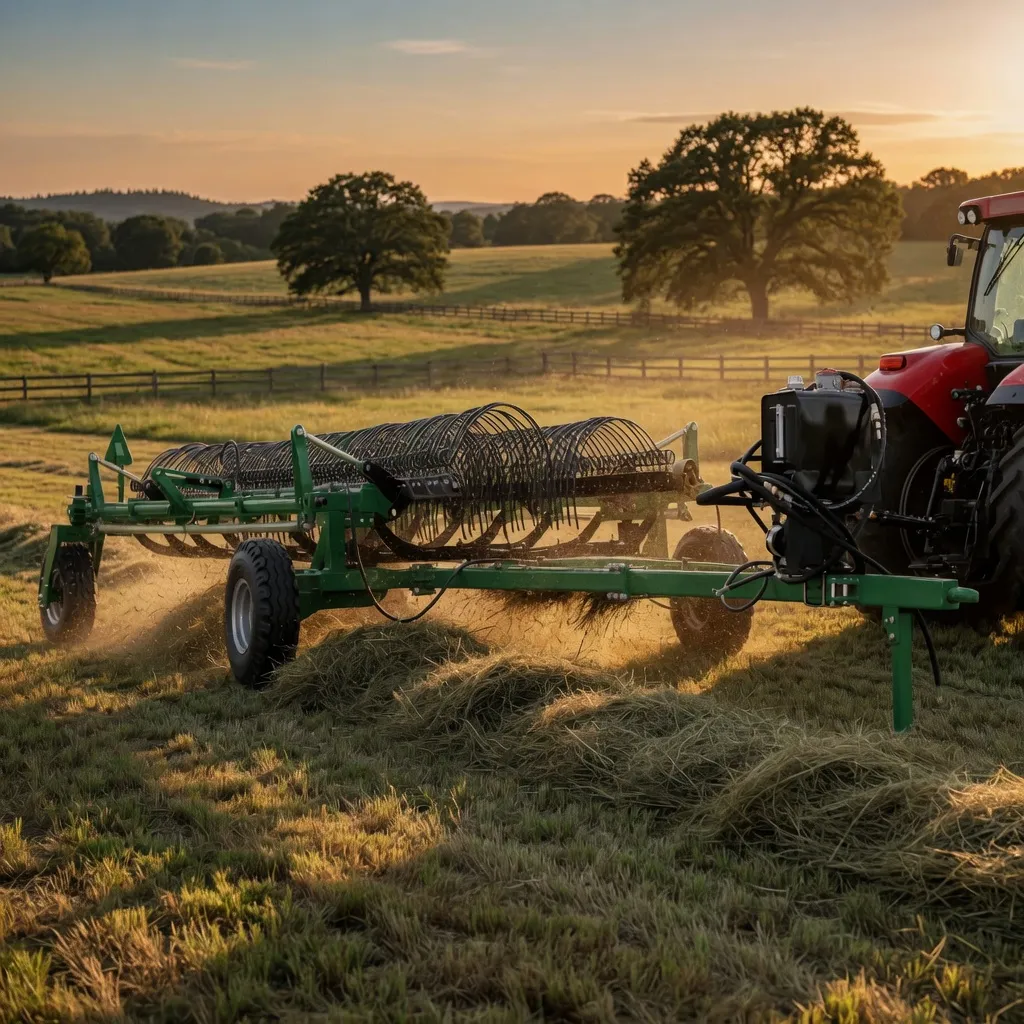
Towed lateral rakes refine the windrow width and density created by the bean puller for improved drying and easier subsequent baling or collection.
Conveying and Windrow Formation Process
Once lifted, plants travel along a short inclined conveyor or belt system that gently deposits them into a continuous windrow. The windrow width is typically set between 1.2 m and 1.5 m to facilitate rapid drying and easy pickup by balers or forage harvesters. Adjustable deflectors allow the operator to direct material into single or double windrows according to subsequent equipment and weather forecasts.
Proper windrow formation reduces drying time by up to 30 percent compared with scattered material. In humid coastal districts of New South Wales, this efficiency gain can mean the difference between completing harvest before an approaching rain event or suffering quality loss. The conveyor speed is matched to ground speed, preventing bunching or gaps that complicate later collection.
Power Delivery from Tractor PTO to Ground Drive
Power originates at the tractor’s 540 rpm PTO and is transmitted through a heavy-duty gearbox to both the pulling fingers and the conveyor. A slip clutch protects the driveline against sudden obstructions such as rocks or dense weed patches. On larger models like the 4BYHD-3.9, an optional hydraulic drive system provides independent speed control of the conveyor, allowing fine-tuning without altering tractor engine rpm.
Fuel consumption for a 2.6 m model operating at 5.5 km/h typically ranges from 8 to 11 litres per hour, depending on soil conditions and crop density. This modest requirement contributes to the favourable operating cost profile that makes mechanised pulling attractive even on smaller enterprises.
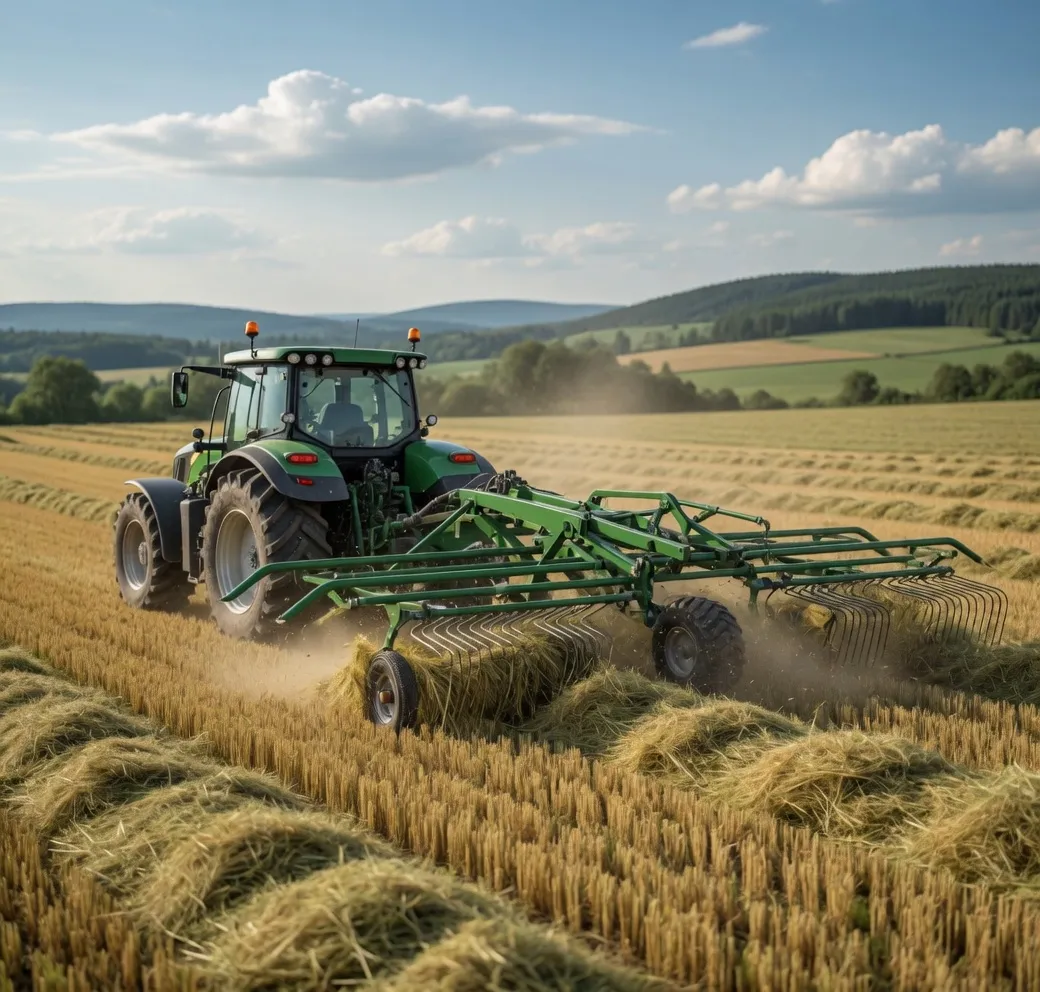
Conveyor systems often used to load windrowed beans into trucks or storage, complementing the output of bean pullers.
Operator Adjustments for Optimal Performance
Daily adjustments focus on three parameters: pulling depth, finger speed, and windrow width. A quick field test at the start of each day confirms settings remain correct as soil moisture and crop maturity change. The operator’s manual provides clear guidelines: increase depth by 5 mm increments when pods sit lower on the stem; reduce finger rpm by 10 percent in lodged or tangled crops to minimise shatter.
Most experienced operators complete these adjustments in under five minutes once familiar with the machine. The resulting consistency in windrow quality directly translates into higher throughput for the next stage of harvest, whether that involves baling, chopping or direct loading.
Integration with Subsequent Field Operations
The windrow left by the bean puller is immediately compatible with standard hay and forage equipment already present on most Australian farms. Finger-wheel rakes or lateral rakes can refine the windrow if required, while balers or forage wagons collect the material without modification. This compatibility reduces the need for additional specialised machinery and allows growers to utilise existing baling machinery, silage baler or round baler fleets for bean straw or mixed forage.
EverPower engineers have tested the 4BYH series in combination with common Australian balers and report seamless integration when windrow density is kept within recommended limits. The result is a streamlined harvest chain that minimises handling steps and preserves crop quality from field to storage.
Why EverPower Bean Pullers Deliver Superior Results
EverPower Baling Machinery Australia Pty Ltd applies the same rigorous standards developed for its baling machinery, silage baler, round baler and agricultural baler range to the 4BYH series. Local design input, Australian-grade steel, and comprehensive spare-parts support at 27 Harley Crescent, Condell Park NSW 2200 ensure machines remain productive throughout their service life. Growers consistently note lower downtime and higher resale value compared with imported alternatives.
Technical assistance is available by telephone on +61 2 9708 3322 or email at [email protected], with technicians able to attend properties across New South Wales within 48 hours when required. This combination of robust engineering and responsive local service gives EverPower customers a measurable advantage in both productivity and peace of mind.
Final assembly and inspection of 4BYH series components at the EverPower facility in Condell Park, New South Wales.
Recommended Product: 4BYH-3.25 Kidney Bean Puller
_0141_01.webp)
The 4BYH-3.25 offers 3.25 m working width and four independently adjustable ridge units, delivering 2.1 to 3.1 hectares per hour with 100–130 HP tractors. Its reinforced frame, automatic chain tensioners and precise depth control make it the preferred choice for commercial operations seeking maximum throughput without sacrificing windrow quality or pod recovery.
Frequently Asked Questions
Ready to See the 4BYH Series in Action?
Arrange a field demonstration or discuss specifications with our technical team.
EverPower Baling Machinery Australia Pty Ltd | 27 Harley Crescent, Condell Park NSW 2200
📞 +61 2 9708 3322 | ✉️ [email protected]