
Feed Waste Is a Hidden Tax on Every Livestock Operation
Feed is the single largest variable cost on Australian beef feedlots and dairy farms — typically 55–70% of total operating cost on a per-head basis. Yet on many operations, 10–20% of the feed purchased never reaches an animal’s digestive system in a useful form. It ends up trampled into the feedbunk, sorted into a pile of rejected stalks, blown out of the bunk as dust, or passed through the rumen unfermented because the particle size was too large for adequate microbial digestion. Each of these loss pathways has a dollar cost that compounds across every feeding day of the year. A grass grinder addresses all four of these pathways simultaneously: it eliminates sorting by removing particle size contrast, reduces dusty fines that cattle avoid, prevents bunk trampling by producing a cohesive ground material that compacts rather than scatters, and increases rumen fermentation efficiency by maximising surface area per unit of dry matter. The result is that more of every dollar spent on feed actually becomes animal production rather than waste.
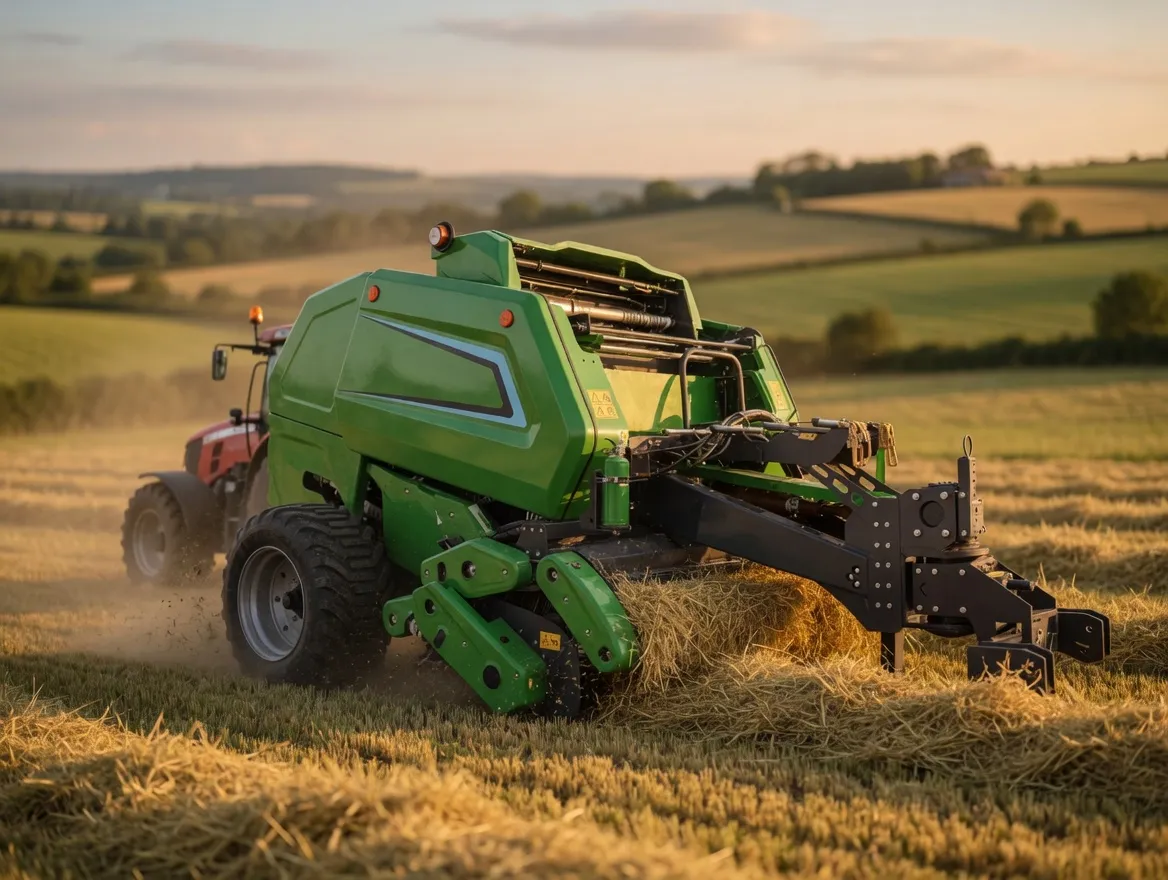
Every bale that enters the operation represents a feed cost already paid — a grass grinder ensures the maximum proportion of that cost is converted into animal production rather than waste.
Where Feed Waste Occurs: Four Pathways and Their Costs
Understanding the specific mechanisms of feed waste is the first step toward quantifying the savings a grinder can deliver. On most operations feeding unground hay, waste accumulates through four distinct channels that a grinder addresses directly.
Sorting refusal — 3–8% of DM offered
When hay is fed long, cattle selectively consume the leaf and seed-head fractions and leave the stalk fraction as refusal. This refusal is typically 60–80% stalk by dry matter weight and has a lower energy and protein value than the average ration — but it still represents paid-for dry matter sitting in the bunk. On an operation spending AUD $380/tonne on hay and feeding 500 kg/day, a 5% sorting refusal represents $9.50/day of purchased feed not consumed — AUD $3,468 per year, on a modest scale.
Bunk trampling and contamination — 2–5% of DM offered
Long hay in a feedbunk is easily pulled over the bunk rail by cattle reaching in, or pushed to the floor when animals jostle for access. Once on the ground, it is contaminated with urine, faeces, and soil, and is rarely consumed. Ground hay forms a more cohesive mass in the bunk, sits lower, and is less easily displaced — reducing floor-contamination losses by 60–80% compared to long hay.
Dust fraction avoidance — 1–3% of DM offered
Very fine material below 2 mm — produced by poor-quality grinding with worn hammers, or naturally present in mature, over-dry hay — is avoided by cattle. It falls to the bunk floor or clumps in wet spots and is not consumed. A well-maintained 9F-70 with fresh hammers and an 8 mm screen produces less than 5% fines by weight, minimising this fraction. Overly dry hay below 8% moisture produces more fines regardless of grinder condition — a reminder that bale quality at grinding time affects waste as much as machine settings.
Rumen passage before fermentation — 3–7% energy loss
Particles above 20 mm have a shorter rumen retention time than shorter particles of the same material, because the rumen’s sorting mechanism passes long particles forward to the reticulum before they are fully fermented. Energy extracted from a 25 mm hay particle is 10–18% lower than from the same hay ground to 8–10 mm. This is not visible waste — it exits in the faeces — but it represents energy paid for in the feed that does not reach the animal’s metabolism.
Quantifying the Savings: A 150-Head Feedlot Example
The following calculation uses conservative mid-range figures for a 150-head beef feedlot in a 120-day feeding programme, purchasing mixed hay at AUD $360/tonne as-fed.
*Rumen energy efficiency saving estimated as 3–6% improvement in feed conversion ratio across 150 head × 120 days × 10 kg DM intake × $360/tonne hay cost.
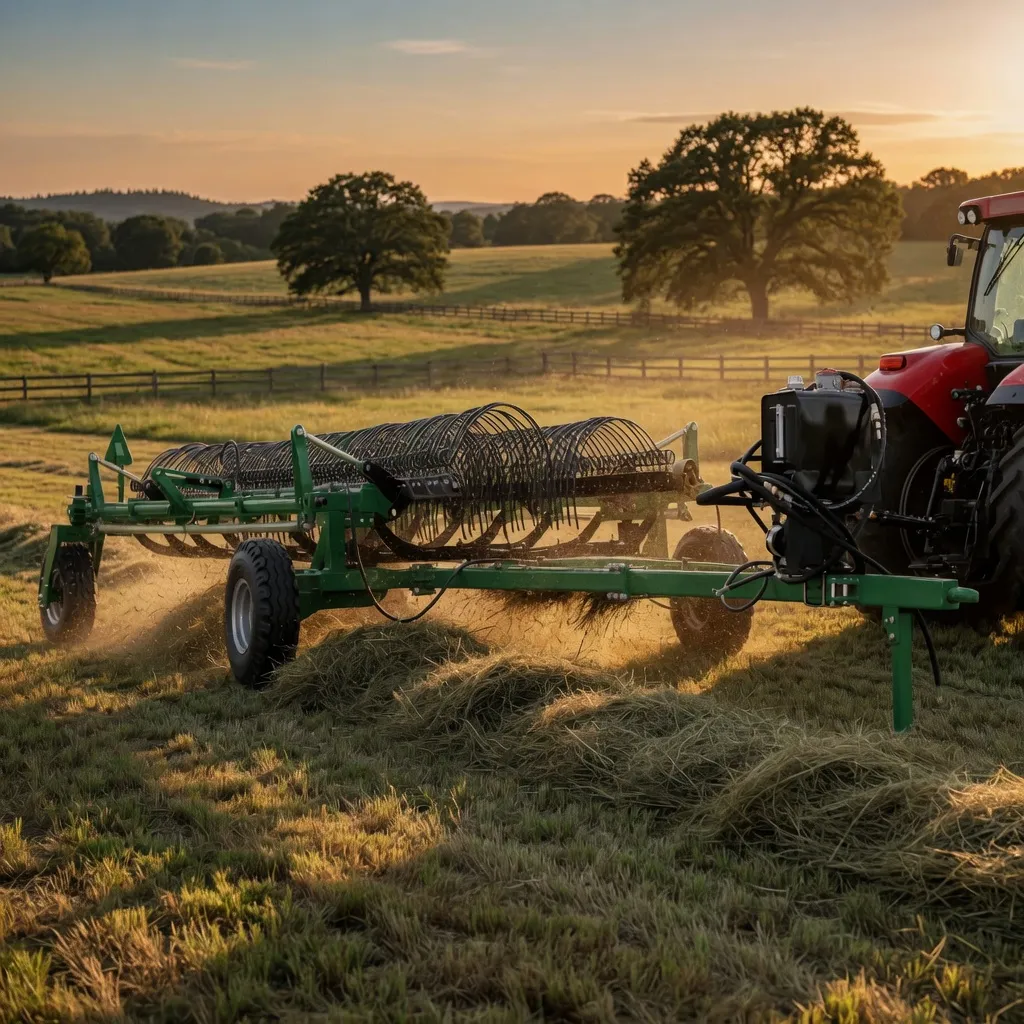
Consistent forage quality from paddock to feedbunk — starting with good raking and baling practice — maximises the savings achievable with a forage grinder downstream.
The Payback Calculation for the 9F-70
With annual waste reduction savings of AUD $6,337–$8,137 on a 150-head operation, and the 9F-70 purchase price in the AUD $5,000–$9,000 range (contact EverPower for current pricing), the payback period from feed-waste savings alone is approximately 9–18 months. This calculation does not include the additional production value from improved average daily gain or reduced metabolic health costs, both of which add further return on investment that is real but harder to isolate in a mixed-variable production system.
On operations with higher hay prices — lucerne at AUD $500–$700/tonne, for example — the dollar savings per percentage point of waste reduction are proportionally higher, shortening the payback period further. The calculation also improves as headcount increases: fixed machine costs (depreciation, interest) stay constant while waste savings scale directly with the number of animals fed.
Maintaining the Savings: Keeping the Grinder in Specification
The waste-reduction savings described above are contingent on the grinder producing a consistent particle size within the anti-sorting, anti-dust target range. A machine with worn hammers produces more coarse outliers that cattle can sort and more fines that cattle avoid — partially re-creating the sorting waste it was installed to eliminate. Monitoring particle size distribution monthly with a Penn State sieve test, flipping hammers on schedule, and replacing worn screens before they drift outside specification are the maintenance practices that preserve the savings. The cost of maintaining the 9F-70 in specification — hammers, screens, bearings, and belts over a full year — is AUD $300–$600, a small fraction of the annual waste reduction savings on any operation above 80 head.
Recommended Product: 9F-70 Animal Feed Grass Grinder
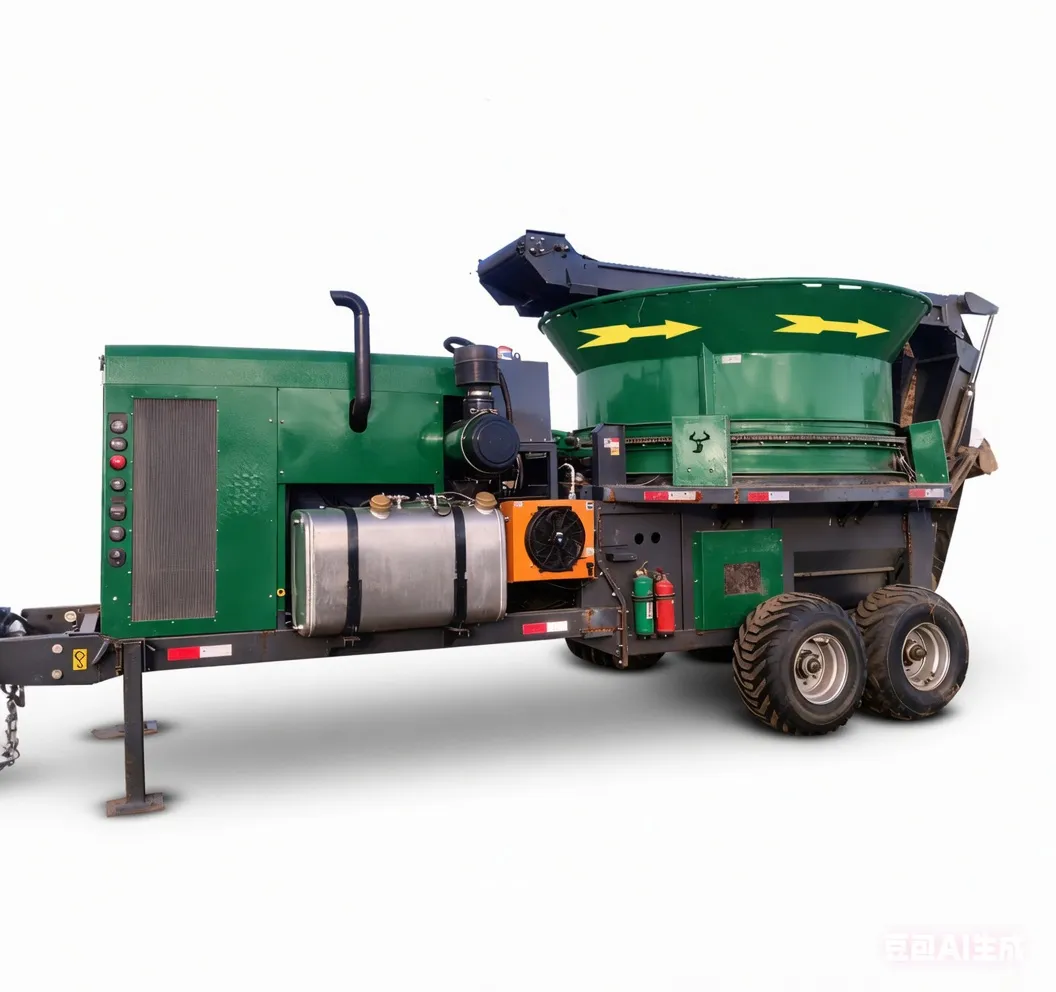
Reduces feed waste from sorting, bunk trampling, and dust avoidance by processing hay, straw, and crop residues into consistent 4–15 mm particles that cattle cannot sort and will not refuse. 500–800 kg/hour on dry hay. CNC-punched screens in four sizes. Through-hardened reversible hammers. Electric and diesel power options. Full spare-parts support from EverPower’s Condell Park NSW warehouse.
Frequently Asked Questions
Stop Paying for Feed That Never Reaches Your Animals.
EverPower can help you estimate the waste-reduction savings on your specific operation before you invest in the 9F-70.
EverPower Baling Machinery Australia Pty Ltd | 27 Harley Crescent, Condell Park NSW 2200
📞 +61 2 9708 3322 | ✉️ [email protected]