
The Combine Approach Removes the Last Bottleneck in Silage Production — the Gap Between Baling and Wrapping
In conventional silage operations with a standalone baler and a separate tractor-mounted wrapper, the window between a bale being ejected and that bale being wrapped is measured in hours — sometimes days on large properties where the wrapping crew is running behind the baler. Every hour a high-moisture bale sits unwrapped on an Australian summer day, aerobic fermentation consumes 0.3–0.5% of its dry matter and depletes the fermentable sugars that lactic acid bacteria need to drive rapid pH drop after wrapping. The baler-wrapper combination eliminates this gap entirely: the bale is wrapped immediately after ejection, at the same paddock position where it was formed, with zero delay between the two processes. The productivity benefit is equally concrete — one operator runs one machine and completes baling and wrapping simultaneously, replacing the separate baler tractor, wrapper tractor, and minimum two-person crew required for a conventional split system. This article provides the specific setup, operational workflow, and output optimisation guidance for maximising daily output from a combined baler-wrapper in Australian silage conditions.
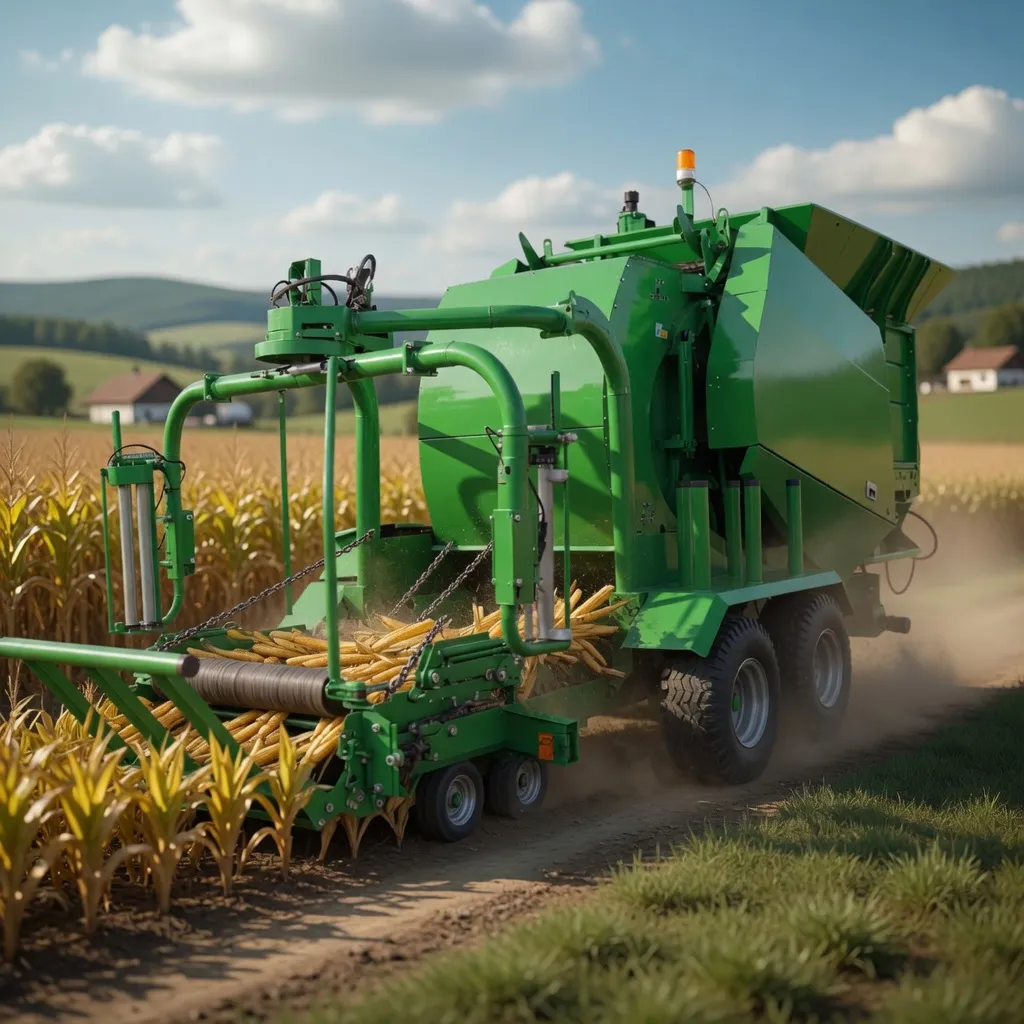
Pairing a 9YG series round baler with the 9YCM-850 wrapping machine creates a two-machine matched system that allows one paddock tractor to bale while the wrapper operates simultaneously — the same throughput as a combined unit but with separate machine flexibility.
Two Ways to Run a Combined Baler-Wrapper System
Australian silage operators use two distinct approaches to combined baling and wrapping, each with different capital costs, operator requirements, and throughput profiles.
Integrated combination machine: A single self-propelled or tractor-trailed unit that bales and wraps in a continuous sequence — the bale forms in the front chamber, transfers automatically to the wrapping table at the rear, and is deposited as a wrapped bale in one field pass. One tractor, one operator, continuous operation. These machines offer the smallest pre-wrap window (near zero) and the simplest operational workflow, but have the highest capital cost and limit the operator to the single-machine throughput rate.
Closely-matched separate machines: A dedicated baling tractor running the 9YG series baler, with a second tractor immediately following with the 9YCM-850 wrapper, wrapping each bale within minutes of ejection. Two tractors, two operators, but the baler never stops waiting for the wrapper and the wrapper never waits for a bale. This configuration achieves nearly the same pre-wrap timing advantage as the integrated machine at lower combined capital cost, with the additional benefit that each machine can be serviced or operated independently.
The guidance below applies to both approaches — the workflow optimisation principles for minimising the gap between baling and wrapping are the same regardless of whether you are using one machine or two.
Crew and Tractor Allocation for Maximum Output
For a two-machine closely-matched system, the optimal crew allocation is one experienced operator on the baler and one operator on the wrapper. The baler operator sets the pace — they determine forward speed, windrow approach angle, and ejection position. The wrapper operator’s task is to follow the baler closely and wrap each ejected bale before the baler has completed its next chamber fill cycle.
In practice, the wrapper’s 60–90 second cycle time (per the 9YCM-850 specification) is slightly slower than the baler’s ejection rate in moderate-yield crops. On a 2.5 t DM/ha ryegrass paddock, the baler ejects a bale every 3–4 minutes — the wrapper has approximately 2–3 minutes of buffer between bales. This buffer accommodates position changes and minor delays without creating a queue of unwrapped bales. In heavier crops above 3.5 t DM/ha where the baler ejects more frequently, a third operator positioning bales from the ejection point to the wrapper table can eliminate any queue accumulation.
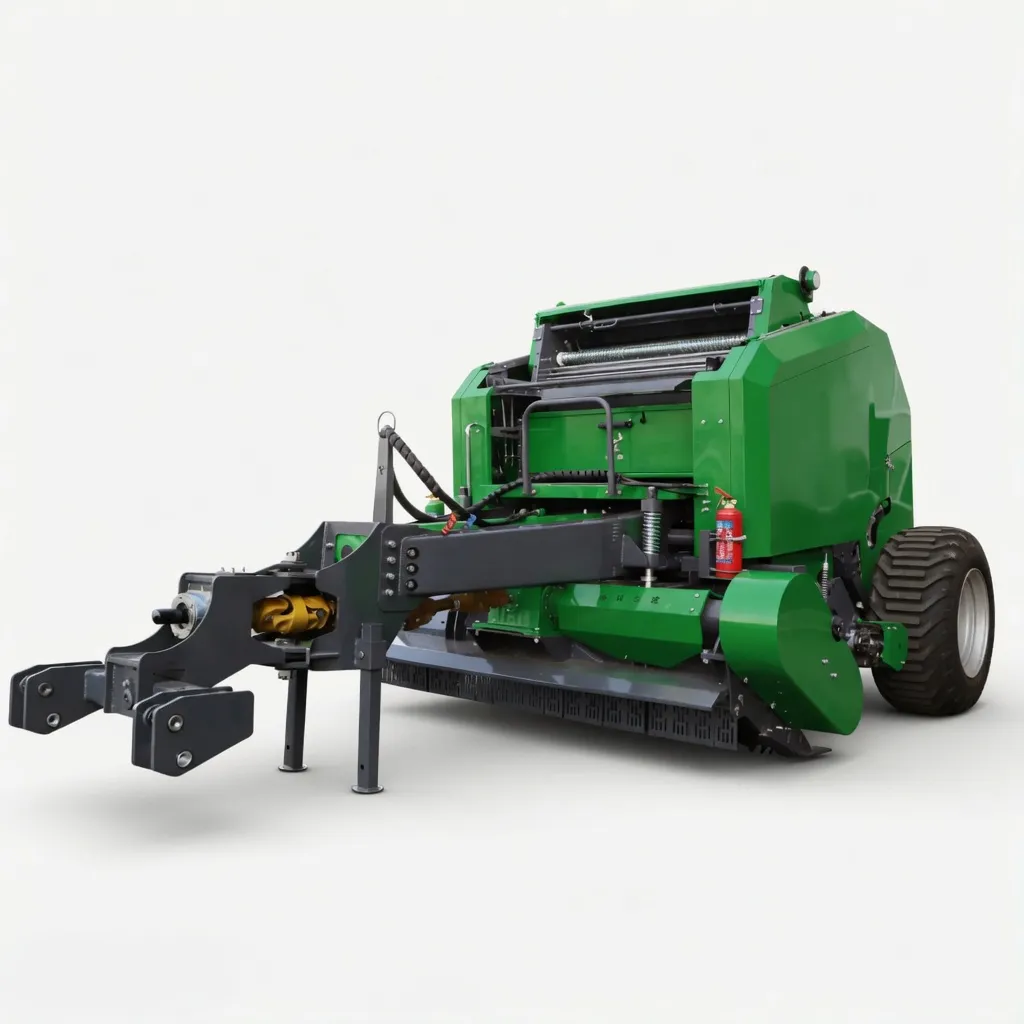
In a two-machine system, the baler sets the pace and the wrapper follows — the wrapper operator’s primary task is to maintain zero bale queue ahead of them, wrapping each ejected bale before moving to the next.
Fieldwork Pattern for Minimum Travel Between Bales
The wrapper tractor’s travel time between ejected bales is the primary source of productivity loss in a two-machine system — every metre the wrapper tractor must travel to reach the next bale is time not spent wrapping. Organising the fieldwork pattern to minimise this travel is the single most effective output-improvement decision available to the operator.
Ideal pattern: The baler works in long, parallel windrows and ejects bales in a consistent line along the windrow. The wrapper follows the same line, wrapping each bale in sequence. The distance between consecutive ejected bales in a 2.5 t/ha ryegrass paddock is typically 80–120 metres — the wrapper travels this distance (30–45 seconds at 10 km/hr) between each bale wrapping cycle. On a 500-metre windrow, the wrapper completes 4–6 bales per windrow length before needing to reposition for the next windrow.
Avoid: Operating the baler in a complex pattern (figure-of-eight, alternating directions) that scatters bales across the paddock face. A scattered ejection pattern forces the wrapper to navigate unpredictably between bales and dramatically increases travel time per bale — it is not unusual for a poorly planned fieldwork pattern to double the wrapper’s non-productive travel time compared to a straight-line approach.
Pre-Wrap Delay Targets by Crop and Conditions
Combined and closely-matched systems routinely achieve pre-wrap delays below 15–30 minutes for all bales — well within the target window for every crop type in the table. This is the quality performance advantage that justifies the additional operational complexity of running two machines in coordination rather than a split operation with hours between baling and wrapping.
Film and Binding Consumable Management for Uninterrupted Operation
Running out of film mid-session on the wrapper, or running out of twine or net wrap on the baler, causes a stop that breaks the closely-matched rhythm and allows bales to sit unwrapped while the consumable is sourced. The solution is a consumable management protocol: carry a minimum of one full session’s worth of film rolls (typically 8–12 rolls) and binding material at the start of each day, and designate a resupply person or vehicle to bring replacements before the first supply runs out rather than after.
Monitor roll depletion actively — most modern wrappers have an indicator. Change rolls during planned pauses (headland turns, brief repositioning) rather than forcing an emergency stop. A roll change during a headland turn costs 2–3 minutes; a roll-out emergency stop costs 8–10 minutes including the time to source the new roll from the vehicle and re-thread.
Recommended Products: 9YG Series Baler + 9YCM-850 Wrapper
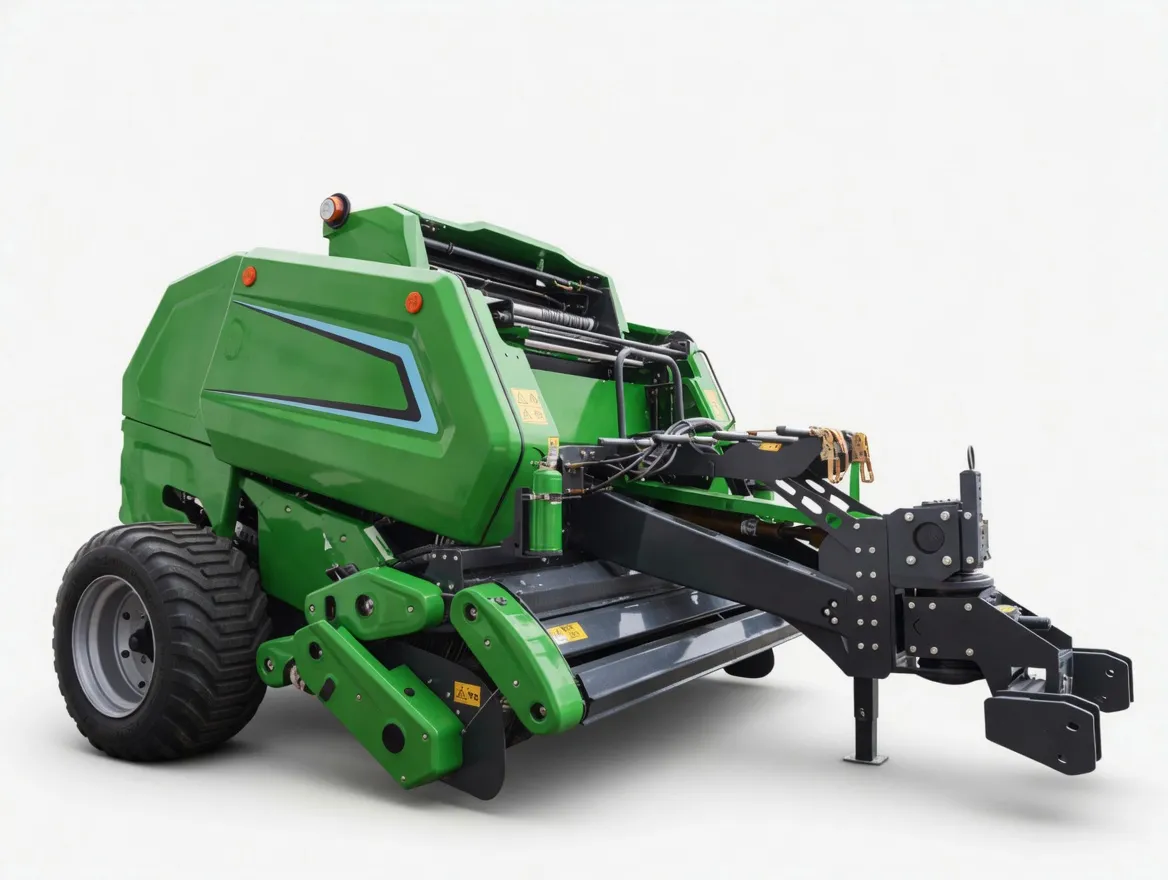
The EverPower 9YG-2.24D S9000 Beyond (or 9YG-1.25A) paired with the 9YCM-850 bundling film wrapping machine creates a matched two-machine system for Australian silage operations. The 9YCM-850’s 60–90 second cycle time matches the wrapping throughput to the baling output of both 9YG models at standard Australian silage yield. Contact EverPower to confirm the right pairing for your crop yield and daily bale target.
Frequently Asked Questions
Bale and Wrap Together. Better Silage. More Bales Per Day.
EverPower can advise on the right baler-wrapper pairing and workflow plan for your silage operation and daily bale targets.
EverPower Baling Machinery Australia Pty Ltd | 27 Harley Crescent, Condell Park NSW 2200
📞 +61 2 9708 3322 | ✉️ [email protected]